Introduction
In the realm of cutting-edge technology, the battle of virtual assistants has been a fierce one, with Google Home and Amazon Echo leading the charge.
These smart speakers have revolutionized the way we interact with our homes, offering an array of functionalities that range from playing music to controlling smart devices and answering our burning questions.
With both devices vying for supremacy in the market, consumers are left wondering which one reigns supreme.
Let’s delve into the realm of Google Home vs Amazon Echo to dissect their features, capabilities, and overall performance.
Virtual Assistants Enhancing Daily Life
These virtual assistants are not just gadgets but have become an integral part of our daily lives, seamlessly integrating with our routines and providing assistance in various tasks.
From setting reminders and alarms to checking the weather, virtual assistants have become our personal companions, streamlining our everyday activities and helping us stay organized.
Google Home and Amazon Echo, with their sophisticated AI technology, have elevated the concept of smart homes by simplifying tasks and enhancing convenience.
User-Friendly Features and Functions
Google Home and Amazon Echo offer a plethora of user-friendly features that cater to different needs and preferences.
For instance, Google Home’s integration with Google services like Google Calendar and Gmail allows for a seamless user experience, making it easier to access personal information and stay productive.
On the other hand, Amazon Echo’s compatibility with various smart home devices and its extensive library of Alexa skills provide users with a wide range of options for customization and control.
Voice Recognition and Natural Language Processing
One of the key strengths of both Google Home and Amazon Echo lies in their advanced voice recognition and natural language processing capabilities.
These virtual assistants can understand and respond to a variety of commands and queries, making interactions feel more natural and intuitive.
Whether it’s requesting a specific song, asking for a recipe, or controlling smart home devices, the accuracy and responsiveness of these devices set them apart as essential tools for modern living.
The Evolution of Smart Home Integration
As the smart home ecosystem continues to expand, Google Home and Amazon Echo have evolved to become central hubs for managing connected devices.
Users can now control lights, thermostats, security cameras, and more using voice commands, creating a seamless and interconnected environment within their homes.
The convenience and efficiency of controlling multiple devices through a single interface underscore the transformative power of virtual assistants in shaping the future of smart homes.
Enhancing Entertainment and Productivity
Beyond household management, Google Home and Amazon Echo excel in enhancing entertainment and productivity.
Whether it’s streaming music, podcasts, or audiobooks, these devices provide a gateway to endless entertainment options.
Additionally, features like setting timers, creating shopping lists, and receiving news updates contribute to increased productivity and efficiency in daily tasks.
The versatility of these virtual assistants makes them invaluable tools for balancing work and leisure in today’s fast-paced lifestyle.
Design and Appearance
When it comes to design, Google Home and Amazon Echo embody contrasting aesthetics.
Google Home boasts a sleek, minimalist design that seamlessly blends into any modern home decor.
Its iconic cylindrical shape exudes elegance, with customizable bases that allow users to personalize its appearance to their liking.
On the other hand, Amazon Echo sports a more utilitarian look, with its cylindrical body and fabric or wood finishes catering to those who prefer a subtler approach.
In terms of size, Google Home is more compact, making it a great fit for smaller spaces, while Amazon Echo’s larger form factor may be better suited for larger rooms where it can make a bold statement.
Both devices feature LED lights that illuminate when activated, adding a futuristic touch to their overall appearance.
Customization Options
Google Home offers a range of customization options beyond just the color of its base.
Users can swap out the bases for different materials and designs, such as fabric or metal, to match their specific style preferences.
Recommended to our readers: Click here
This level of personalization allows users to seamlessly integrate Google Home into their existing home decor, whether they prefer a more industrial look or a softer, more homely feel.
Material and Finish
While Google Home focuses on a more modern and sleek design, Amazon Echo caters to those who appreciate a more natural and tactile aesthetic.
The fabric and wood finishes of Amazon Echo provide a warm and inviting feel, making it a great choice for spaces where a cozy ambiance is desired.
The variety of finishes available for Amazon Echo adds a layer of versatility for users looking to complement their home furnishings and create a cohesive environment.
LED Light Functionality
The LED lights on both devices serve not only a functional purpose but also contribute to their overall design.
In addition to indicating the device’s status or activity, the LED lights can be customized to match the user’s preferences or to create a specific ambiance in the room.
For instance, Google Home allows users to adjust the brightness and color of its LED lights through voice commands, offering a dynamic way to interact with the device and enhance the overall user experience.
Size and Placement Considerations
The compact size of Google Home makes it an ideal choice for smaller living spaces, such as apartments or cozy nooks.
Its unobtrusive design allows it to seamlessly blend into various areas without taking up much visual space.
On the other hand, Amazon Echo’s larger form factor makes it a standout piece that can anchor a room and serve as a focal point in larger living areas or open-concept spaces.
Considering the size and placement of each device can help users make informed decisions based on their specific needs and spatial requirements.
Performance and Voice Recognition
One of the most critical aspects of a virtual assistant is its performance and accuracy in voice recognition.
Google Home, powered by the robust Google Assistant, excels in understanding natural language commands and providing accurate responses.
Its ability to leverage Google’s vast knowledge graph ensures that queries are met with comprehensive and relevant answers.
On the flip side, Amazon Echo, equipped with Alexa, has also made significant strides in voice recognition technology.
Alexa’s skills continue to expand, offering a wide range of third-party integrations that enhance its capabilities.
From ordering pizza to controlling smart home devices, Amazon Echo aims to be the ultimate assistant for daily tasks.
Performance Metrics and User Experience
In terms of performance metrics, Google Home stands out for its fast processing speed and seamless integration with various Google services.
Users can experience minimal lag time when executing commands, providing a smooth and efficient interaction.
Additionally, Google Home’s continuous learning capabilities enable it to adapt to users’ preferences over time, enhancing the overall user experience.
On the other hand, Amazon Echo focuses on user engagement by offering a personalized experience through Alexa’s adaptive technology.
Alexa’s ability to understand context and user patterns allows for more tailored interactions, creating a sense of familiarity and customization for users.
This personal touch enhances user satisfaction and encourages long-term engagement with the device.
Natural Language Processing and Contextual Understanding
One crucial aspect of performance and voice recognition is the ability of virtual assistants to process natural language commands accurately.
Google Home excels in this area by leveraging sophisticated natural language processing algorithms that enable it to decipher complex queries with ease.
By understanding the context and intent behind user requests, Google Home can provide relevant and contextually appropriate responses, leading to a more seamless user experience.
Amazon Echo, powered by Alexa, also boasts advanced natural language processing capabilities that facilitate accurate voice recognition.
Alexa’s contextual understanding allows it to interpret user commands in a conversational manner, enhancing communication between users and the virtual assistant.
This contextual awareness enables Alexa to provide more personalized responses and streamline interactions, further optimizing the user experience.
Third-Party Integrations and Smart Home Compatibility
Both Google Home and Amazon Echo offer a wide range of third-party integrations to expand their functionalities and cater to diverse user needs.
Google Home, with its Google Assistant ecosystem, seamlessly integrates with various Google services and third-party applications, allowing users to accomplish tasks across multiple platforms with ease.
This enhanced compatibility enhances the utility of Google Home as a centralized hub for managing daily activities and accessing information.
Amazon Echo’s Alexa also boasts a vast library of skills and integrations, enabling users to customize their smart home setups and streamline day-to-day tasks.
From controlling smart home devices to ordering groceries, Alexa’s extensive ecosystem of skills offers unparalleled convenience and versatility.
This emphasis on third-party integrations enhances the adaptability of Amazon Echo, making it a versatile assistant for a wide range of use cases.
Features and Capabilities

When it comes to features and capabilities, both Google Home and Amazon Echo offer a plethora of functionalities that cater to various needs.

Google Home shines in its integration with Google services, allowing users to access their calendars, emails, and reminders effortlessly.
Its ability to recognize different voices enables multi-user support, tailoring responses to individual preferences.
Amazon Echo, on the other hand, touts a vast library of third-party skills that extend its functionality beyond the out-of-the-box features.
Users can enable skills to order food, play games, or even meditate, showcasing the versatility of the device.
Additionally, Amazon Echo’s Drop-In feature allows for seamless communication between Echo devices in different locations, making it a compelling option for staying connected with loved ones.
Voice Assistant Performance
Both Google Home and Amazon Echo excel in their voice assistant performance, but with distinct strengths.
Google Home’s integration with Google’s search engine prowess gives it an edge in providing accurate and relevant responses to a wide range of queries.
Users can ask complex questions, check the weather, set timers, and even control smart home devices with ease.
Google’s natural language processing capabilities make interactions with Google Home feel intuitive and seamless.
On the other hand, Amazon Echo’s Alexa is known for its vast array of third-party integrations, or “skills,” that significantly expand its functionality.
Users can customize their Echo devices with skills that range from ordering pizza to controlling smart appliances.
Alexa’s ability to understand context and carry out multiple actions in a single command adds to its convenience and user appeal.
The competition between Google’s robust search capabilities and Alexa’s expansive skill set offers users a choice based on their specific needs and preferences.
Design and Aesthetics
Google Home and Amazon Echo differ in design and aesthetics, catering to diverse consumer preferences.
Recommended to our readers: Click here
Google Home features a sleek and modern design with customizable bases to blend seamlessly into various home decors.
Its compact size and minimalistic design make it a stylish addition to any room without being obtrusive.
The tactile controls on the top of the device provide a tactile and user-friendly experience, allowing users to adjust volume, play/pause music, or mute the microphone with a simple touch.
In contrast, Amazon Echo’s cylindrical shape with a fabric or metallic finish offers a more contemporary look that appeals to users looking for a design statement.
The LED light ring at the top of the device adds a visual indicator for Alexa’s responses and status updates, enhancing the overall user experience.
Echo’s physical buttons for volume control and microphone mute provide a familiar interaction pattern for users who prefer tactile feedback.
Smart Home Integration
Both Google Home and Amazon Echo serve as central hubs for controlling a wide range of smart home devices, offering users seamless integration and convenience.
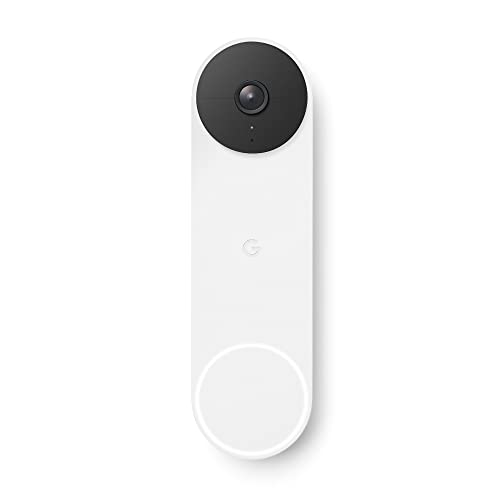
Google Home’s compatibility with various smart home brands and its intuitive setup process make it a popular choice for users seeking a unified smart home experience.
With Google Assistant’s ability to control lights, thermostats, locks, and other connected devices through voice commands or the dedicated Home app, users can easily manage their smart home ecosystem.
Amazon Echo’s extensive support for smart home devices and protocols, including Zigbee and Z-Wave, positions it as a versatile hub for home automation.
Recommended to our readers: Click here
Users can control lights, cameras
Recommended to our readers: Click here
Smart Home Integration and Ecosystem
The rise of smart home devices has prompted Google Home and Amazon Echo to integrate seamlessly with various smart home platforms.
Google Home’s compatibility with Nest, Philips Hue, and other leading smart home brands positions it as a central hub for controlling devices with simple voice commands.
Its Home View interface provides a visual representation of connected devices, offering a user-friendly way to manage the smart home ecosystem.
Amazon Echo, with its extensive list of compatible devices and robust smart home skills, caters to users who have already invested in the Amazon ecosystem.
Alexa’s routines feature allows users to automate tasks based on triggers, creating a truly personalized smart home experience.
Whether turning off lights or adjusting thermostats, Amazon Echo empowers users to control their environment with ease.
Google Home Integration with Smart Home Devices
Google Home’s integration with leading smart home brands goes beyond just voice commands.
Users can set up routines and automation through the Google Home app, allowing them to create personalized experiences based on their habits and preferences.

For example, you can schedule the lights to dim and the thermostat to adjust when you say, “Goodnight Google.”
Moreover, Google Home’s compatibility with a wide range of devices means that you can control your entire smart home ecosystem from a single platform.
From smart thermostats to security cameras, Google Home offers a seamless way to monitor and manage your home environment with ease.
Amazon Echo’s Extensive Smart Home Skills
Amazon Echo’s compatibility with a myriad of smart home devices makes it a popular choice for users looking to expand their smart home setup.
With the ability to create custom routines and triggers, users can automate tasks such as unlocking doors or playing their favorite music when they arrive home.
Alexa’s skills library is constantly growing, allowing users to add new functionalities and capabilities to their Echo devices.
Whether it’s ordering groceries, checking the weather, or controlling smart home appliances, Amazon Echo offers a wide range of skills to enhance the overall smart home experience.
Personalized Smart Home Experiences
Both Google Home and Amazon Echo focus on providing personalized experiences for users.
By learning user preferences over time, these devices can offer personalized recommendations and suggestions to create a more tailored smart home environment.
For instance, Google Home can recommend energy-saving tips based on usage patterns, while Amazon Echo can suggest new skills to try based on your daily routines.
This personalization helps users optimize their smart home setup and make the most out of their connected devices.
Conclusion
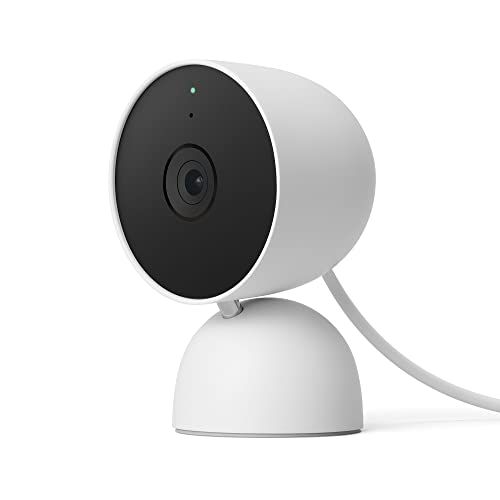
In the battle of Google Home vs Amazon Echo, both devices bring a unique set of strengths to the table.
While Google Home excels in its integration with Google services and natural language processing, Amazon Echo boasts a wide array of third-party skills and robust smart home integration.
Ultimately, the choice between the two will depend on individual preferences, existing smart home setups, and desired functionalities.
As technology continues to evolve, both Google Home and Amazon Echo are poised to push the boundaries of what virtual assistants can achieve.
Whether it’s answering trivia questions, playing your favorite tunes, or dimming the lights, these smart speakers have become indispensable companions in our daily lives.
So, whether you’re Team Google or Team Amazon, one thing is certain – the era of intelligent assistants has only just begun.
Unique Strengths of Google Home and Amazon Echo
Recommended to our readers: Click here
Both Google Home and Amazon Echo have carved out unique identities in the competitive smart speaker market.
Google Home’s seamless integration with Google services, such as Google Calendar, Gmail, and Google Maps, gives it an edge in delivering personalized information tailored to individual users.
For example, a simple voice command can provide real-time traffic updates for your daily commute or remind you of upcoming appointments effortlessly.
On the other hand, Amazon Echo shines with its extensive library of third-party skills, allowing users to customize their devices with specialized functionalities.
From ordering pizza to checking the latest sports scores, the Echo’s versatility is a testament to the power of its expansive ecosystem.
Moreover, its robust smart home integration through the Alexa platform enables users to control a wide range of compatible devices with voice commands, transforming any living space into a futuristic smart home.
The Future of Virtual Assistants
As we look ahead, the trajectory of virtual assistants like Google Home and Amazon Echo seems boundless.
With continuous advancements in artificial intelligence and machine learning, these devices are evolving beyond simple voice-activated speakers into intelligent companions that can anticipate our needs and simplify our daily routines.
Imagine waking up to a personalized morning briefing tailored to your preferences or seamlessly transitioning between tasks with voice-activated multitasking capabilities.
Recommended to our readers: Click here
Moreover, as smart home technology becomes increasingly mainstream, virtual assistants are poised to play a central role in managing and controlling connected devices.
From adjusting thermostats to monitoring security cameras, the convenience of voice-controlled automation is revolutionizing how we interact with our living spaces.
The era of intelligent assistants is not just about convenience—it’s about transforming the way we live, work, and connect with the world around us.
In conclusion, whether you lean towards Google Home’s intuitive integration with Google services or Amazon Echo’s diverse range of skills and smart home capabilities, the synergy between virtual assistants and human behavior is reshaping the digital landscape.
As we embrace this new era of intelligent assistants, the possibilities are limitless, and the journey towards a more connected and automated future is just beginning.