Smart Sensors Showdown: Ecobee SmartSensor vs Nest Temperature Sensor
Smart home technology has revolutionized the way we interact with our living spaces, bringing convenience, energy efficiency, and comfort to our fingertips.
Among the array of smart devices available, smart thermostats stand out as game-changers in managing home climate control.
Ecobee and Nest are two prominent players in this space, each offering a unique approach to temperature monitoring through their respective smart sensors.
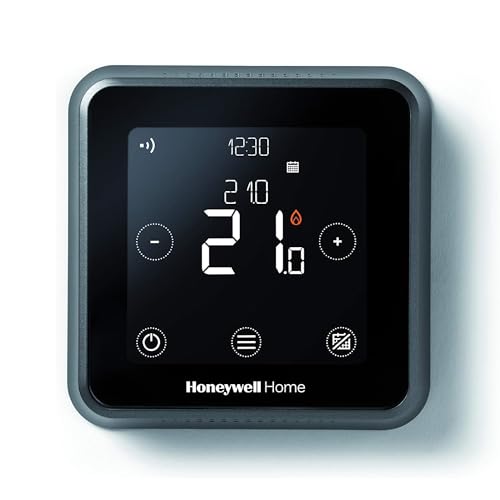
In this in-depth comparison, we delve into the Ecobee SmartSensor and the Nest Temperature Sensor to determine which device reigns supreme in optimizing home comfort and energy savings.
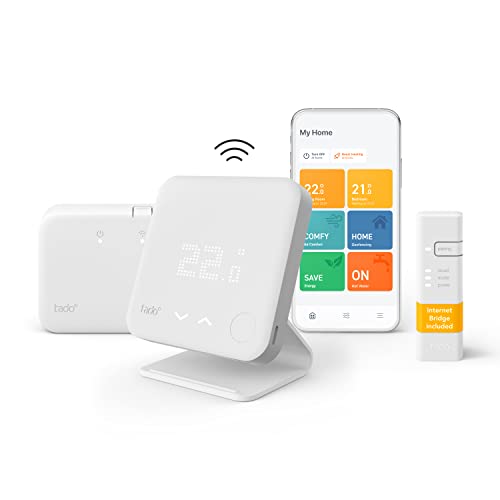
Revolutionizing Home Climate Control
Smart thermostats, such as the Ecobee and Nest systems, have fundamentally transformed the way we interact with our home’s climate.
These devices leverage cutting-edge technology to provide users with unprecedented control over their heating and cooling systems.
By utilizing advanced sensors, machine learning algorithms, and connectivity features, smart thermostats offer a level of customization and energy efficiency that traditional thermostats simply cannot match.
Eco-Friendly Energy Efficiency
One of the key advantages of smart thermostats like the Ecobee SmartSensor and Nest Temperature Sensor is their ability to help homeowners reduce their energy consumption and lower their utility bills.
These devices are equipped with advanced capabilities that enable them to learn users’ preferences, adjust temperature settings based on occupancy detection, and optimize heating and cooling schedules for maximum efficiency.
In doing so, smart sensors play a crucial role in promoting eco-friendly practices and sustainability in households.
Tailored Comfort and Convenience
Recommended to our readers: Click here
Beyond energy savings, smart sensors like those offered by Ecobee and Nest are designed to enhance user comfort and convenience in unique ways.
For example, these devices can monitor temperature fluctuations in different rooms of the home, allowing for more precise climate control and reducing hot and cold spots.
Additionally, smart sensors may integrate with other smart home devices, enabling seamless automation and interactions tailored to individual preferences.
This level of customization not only enhances comfort but also simplifies daily routines for homeowners.
User-Friendly Features and Controls
Both the Ecobee SmartSensor and Nest Temperature Sensor are praised for their user-friendly interfaces and intuitive controls.
These devices are designed to be easy to set up and operate, even for individuals who may not be tech-savvy.
Recommended to our readers: Click here
With smartphone apps and voice control compatibility, users can adjust temperature settings, view energy usage data, and manage their home climate remotely with ease.
This accessibility and convenience make smart sensors a valuable addition to any smart home ecosystem.
The Battle Begins: Introduction to Smart Sensors
Advantages of Smart Sensors in Various Industries
Smart sensors offer a wide range of advantages across different industries, making them indispensable for many applications.

In the automotive sector, for example, smart sensors enable advanced driver assistance systems (ADAS) that enhance vehicle safety by providing real-time data on road conditions, nearby vehicles, and potential risks.

These sensors can detect obstacles and automatically trigger emergency braking, helping prevent accidents and save lives.
In the healthcare industry, smart sensors play a crucial role in remote patient monitoring and telemedicine.
For instance, wearable smart sensors can continuously monitor vital signs, such as heart rate and blood pressure, providing healthcare professionals with valuable data for remote patient assessment.
This technology allows patients to receive timely medical intervention and facilitates proactive healthcare management.
Enhancing Efficiency and Precision in Manufacturing Processes
Smart sensors have revolutionized manufacturing processes by enabling real-time monitoring and control of production systems.
By integrating sensors into machinery and equipment, manufacturers can collect data on performance, productivity, and quality parameters to optimize operations.
For example, in smart factories, sensors embedded in production lines can detect defects or deviations in real-time, triggering automatic adjustments to maintain product quality and minimize downtime.
This level of automation and precision enhances efficiency, reduces errors, and drives overall productivity in manufacturing operations.
The Ecobee SmartSensor: Precision at its Core
In the realm of smart thermostats, Ecobee has made a name for itself by prioritizing precision and accuracy in its temperature monitoring capabilities.
The Ecobee SmartSensor, a key component of Ecobee’s ecosystem, is designed to seamlessly integrate with Ecobee thermostats to deliver targeted temperature readings from different rooms in the home.
This granular approach allows for more customized climate control, ensuring that each corner of the house is optimally heated or cooled based on occupancy and daily routines.
Enhanced Comfort and Energy Efficiency
The Ecobee SmartSensor goes beyond simply measuring temperature by leveraging occupancy detection and motion sensing technology.
By detecting when a room is occupied, the SmartSensor can adjust the temperature settings accordingly to ensure comfort while maximizing energy efficiency.
For example, if the SmartSensor detects that a room is empty, it can adjust the temperature to save energy, ultimately reducing utility costs.
Adaptive Climate Control
One of the standout features of the Ecobee SmartSensor is its ability to adapt to users’ preferences and behaviors.
Through machine learning algorithms, the SmartSensor learns from daily routines and temperature adjustments, gradually fine-tuning its recommendations to create a personalized climate control experience.
This adaptive climate control not only enhances user comfort but also helps lower energy consumption over time.
Multi-Room Coverage and Zone Control
In larger homes or spaces with varying temperature needs, the Ecobee SmartSensor offers multi-room coverage and zone control capabilities.
Users can place SmartSensors in different rooms to monitor and regulate temperatures independently, creating customized climate zones throughout the home.
This level of control allows for precise adjustments based on specific preferences and occupancy patterns, ensuring that each area maintains an optimal temperature without wasteful heating or cooling.
Integration and Compatibility
Ecobee SmartSensors are designed to seamlessly integrate with Ecobee smart thermostats, forming a cohesive ecosystem that enhances overall performance.
The SmartSensors communicate wirelessly with the thermostat, sharing temperature data and occupancy information to coordinate temperature adjustments effectively.
Additionally, Ecobee SmartSensors are compatible with popular smart home platforms, such as Apple HomeKit, Amazon Alexa, and Google Assistant, enabling users to control their climate settings through voice commands or mobile apps for added convenience.
The Nest Temperature Sensor: A Focus on Adaptability
Nest, known for its intuitive learning capabilities, offers the Nest Temperature Sensor to complement its thermostat offerings.
Unlike the Ecobee SmartSensor, which relies on a multi-purpose design, the Nest Temperature Sensor is geared toward adapting to users’ behavior patterns over time.
By detecting occupancy and adjusting settings accordingly, Nest aims to create a seamless and proactive climate control experience that requires minimal manual input from users.
Advanced Adaptive Features
The Nest Temperature Sensor goes beyond basic occupancy detection to offer advanced adaptive features that truly enhance the overall user experience.
One such feature is the ability to detect not just occupancy, but also patterns of movement within a specific area.
This means that the sensor can differentiate between brief visits and extended stays, allowing for more precise adjustments to be made based on the actual usage of a room.
Moreover, the Nest Temperature Sensor leverages machine learning algorithms to continuously analyze data and modify its behavior to better anticipate the user’s preferences.
This dynamic adaptation ensures that the indoor climate remains comfortable without the need for constant adjustments by the user.
Recommended to our readers: Click here
For example, if the sensor detects a trend of increased activity in a particular room during certain hours of the day, it can preemptively adjust the temperature settings to ensure optimal comfort during those times.
Seamless Integration with Nest Ecosystem
One of the key strengths of the Nest Temperature Sensor is its seamless integration with other devices in the Nest ecosystem.
By working in conjunction with Nest thermostats, the sensor can provide an additional layer of intelligence that helps optimize energy use and comfort levels throughout the home.
This unified approach ensures that all connected devices work in harmony to create a personalized and efficient climate control system.
Furthermore, the Nest Temperature Sensor can be easily paired with multiple Nest thermostats, allowing for precise zoning capabilities within a home.
This means that each room or zone can have its own sensor to ensure that individual preferences are met, enhancing comfort and energy efficiency on a room-by-room basis.
User-Friendly Interface and Controls
Despite its advanced adaptive features, the Nest Temperature Sensor maintains a user-friendly interface that simplifies the interaction with the device.
Users can easily adjust settings, view occupancy data, and customize preferences through the Nest app, making it convenient to monitor and manage the indoor climate from anywhere.
The sensor also offers intuitive controls that allow users to manually override automated adjustments when needed.
This gives users the flexibility to fine-tune settings based on their immediate preferences, ensuring a tailored climate control experience that aligns with individual comfort needs.
Recommended to our readers: Click here
Decoding Data: Comparing Features and Functionality
When it comes to features and functionality, both the Ecobee SmartSensor and the Nest Temperature Sensor excel in their own right.
The Ecobee SmartSensor boasts room-specific temperature monitoring, occupancy detection, and the ability to set comfort settings based on individual preferences.
On the other hand, the Nest Temperature Sensor leverages its learning algorithms to predict user preferences and adapt to changing conditions without explicit commands.
Ecobee SmartSensor Features:
The Ecobee SmartSensor is a versatile device that offers a range of advanced features to enhance your smart home climate control system.
One standout feature is its room-specific temperature monitoring capability, which allows for precise control and comfort in different areas of your home.
For example, you can set different temperatures for the living room, bedroom, or kitchen based on your preferences without affecting the entire house’s temperature.
Another notable feature of the Ecobee SmartSensor is its occupancy detection technology.
By detecting when a room is occupied or empty, the SmartSensor can adjust the temperature settings accordingly to save energy when no one is present.
This not only helps in reducing energy consumption but also ensures that you come back to a comfortable environment after being away for some time.
Moreover, the Ecobee SmartSensor enables users to set personalized comfort settings based on individual preferences.
Whether you prefer a cozy warmth in the evenings or a cooler atmosphere during the day, the SmartSensor can adapt to your lifestyle and create a customized climate control experience.
This level of customization adds a layer of convenience and personalized comfort that enhances the overall user experience.
Nest Temperature Sensor Functionality:
The Nest Temperature Sensor stands out for its innovative approach to climate control, leveraging advanced learning algorithms to predict user preferences and adjust settings autonomously.
By analyzing your behavior patterns and temperature adjustments over time, the Nest Temperature Sensor learns your comfort zone and adapts to your needs without requiring manual input.
For instance, if you consistently lower the temperature in your bedroom before going to sleep, the Nest Temperature Sensor will learn this habit and automatically adjust the temperature to your preferred level as bedtime approaches.
This proactive approach to temperature management ensures that you stay comfortable throughout the day without having to constantly tweak the settings manually.
Furthermore, the Nest Temperature Sensor excels in adapting to changing conditions, such as weather fluctuations or occupancy variations.
By continuously monitoring temperature changes and combining them with its learning capabilities, the sensor can anticipate shifts in climate and make real-time adjustments to maintain an optimal environment.
In conclusion, both the Ecobee SmartSensor and Nest Temperature Sensor offer unique features and functionalities that cater to different user preferences and smart home requirements.
Whether you prioritize room-specific control and customization (Ecobee) or autonomous learning and predictive capabilities (Nest), these devices represent cutting-edge solutions in the realm of smart climate control technologies.
The User Experience: Ease of Installation and Usability
In evaluating smart home devices, user experience plays a pivotal role in determining overall satisfaction.
The Ecobee SmartSensor is praised for its user-friendly installation process, which involves simply pairing the sensor with the thermostat and placing it in the desired location.
In contrast, the Nest Temperature Sensor’s setup involves syncing with the Nest thermostat and strategically positioning the sensors for optimal performance.
While both devices offer intuitive interfaces for monitoring and adjusting settings, Ecobee’s straightforward installation gives it an edge in user convenience.
Installation Process Comparison
The installation process for smart home devices heavily influences the overall user experience.
When comparing the Ecobee SmartSensor and the Nest Temperature Sensor, it’s evident that Ecobee excels in simplicity and ease of use.
With Ecobee, users simply need to pair the sensor with the thermostat and place it in the desired location.
This straightforward setup eliminates any complications or technical hurdles, making it a hassle-free experience for consumers.
In contrast, the Nest Temperature Sensor requires syncing with the Nest thermostat and strategically positioning the sensors for optimal performance.
While this process isn’t overly complex, it does involve additional steps and considerations compared to the Ecobee system.
This discrepancy in installation processes can significantly impact a user’s perception of the product and their overall satisfaction with the device.
User-Friendly Interface Design
Beyond the installation process, the user interface of smart home devices is another crucial aspect that contributes to the overall usability.
Ecobee and Nest both offer intuitive interfaces for monitoring and adjusting settings, catering to users with varying levels of technical expertise.
Ecobee’s interface is known for its simplicity and user-friendly design, allowing users to easily navigate through different options and settings without feeling overwhelmed.
The intuitive layout and logical menu structure make it easy for users to access key features and customize their preferences with minimal effort.
On the other hand, Nest’s interface also prioritizes user experience, providing a visually appealing dashboard and straightforward controls.
Users can quickly access temperature settings, view energy usage data, and make adjustments as needed, enhancing the overall convenience of managing their smart home system.
Remote Access and Control
In addition to ease of installation and usability, remote access and control are essential features that enhance the user experience with smart home devices.
Both Ecobee and Nest offer mobile apps that allow users to monitor and control their devices from anywhere, providing unparalleled convenience and flexibility.
Ecobee’s app provides seamless integration with the SmartSensor and thermostat, enabling users to adjust settings, create schedules, and receive notifications on their smartphones.
This remote access capability empowers users to manage their home’s climate control efficiently, even when they are away from home.
Similarly, Nest’s mobile app offers remote control functionalities, allowing users to remotely adjust temperature settings, view energy usage reports, and receive alerts about potential issues.
The convenience of being able to monitor and control their smart home devices from a distance adds to the overall user satisfaction and makes the devices more practical and user-friendly in real-world scenarios.
Efficiency Matters: Energy Savings and Environmental Impact
One of the key motivations behind adopting smart home technology is the potential for energy savings and reducing environmental impact.
The Ecobee SmartSensor’s room-specific monitoring helps optimize heating and cooling cycles, preventing wasteful usage in unoccupied areas.
In comparison, the Nest Temperature Sensor leverages its learning capabilities to fine-tune temperature settings based on user behavior, further contributing to efficient energy utilization.
Energy Efficiency in Smart Home Technology
Smart home technology has revolutionized the way we manage energy consumption within our homes.
By incorporating devices like the Ecobee SmartSensor and Nest Temperature Sensor, homeowners can achieve remarkable energy savings while also minimizing their environmental impact.
Optimizing Heating and Cooling Cycles
The Ecobee SmartSensor operates by monitoring specific rooms in the house, allowing it to adjust heating and cooling cycles accordingly.
For instance, if a room remains unoccupied for an extended period, the sensor can communicate with the smart thermostat to scale back energy usage in that area.
This targeted approach prevents wasteful energy consumption, ultimately resulting in reduced utility bills and a lighter environmental footprint.
Personalized Temperature Settings
On the other hand, the Nest Temperature Sensor takes a more proactive approach to energy efficiency by leveraging its intelligent learning capabilities.
By analyzing user behavior patterns, such as preferred temperature settings and occupancy times, the sensor fine-tunes the home’s heating and cooling systems to operate at optimal levels.
This personalized approach not only enhances comfort but also ensures that energy is not wasted on unnecessary heating and cooling cycles.
Real-Time Monitoring and Control
Both the Ecobee SmartSensor and the Nest Temperature Sensor offer real-time monitoring and control features through user-friendly interfaces.
Homeowners can remotely access these devices via smartphone apps or web interfaces to adjust temperature settings, view energy usage data, and monitor HVAC performance.
This level of control allows users to actively manage their energy usage, identify potential inefficiencies, and make informed decisions to further enhance energy savings.
Overall Impact on the Environment
By embracing smart home technology for energy efficiency, homeowners not only benefit from reduced utility costs but also make a positive contribution to environmental conservation.
The use of smart sensors and learning thermostats minimizes unnecessary energy waste, lowers carbon emissions, and helps create a more sustainable living environment.
With the growing emphasis on sustainability and eco-friendly practices, smart home technologies play a crucial role in promoting energy efficiency and reducing our overall environmental footprint.
Closing Thoughts: Finding the Right Fit
In the battle of Ecobee SmartSensor vs Nest Temperature Sensor, the choice ultimately boils down to individual preferences and priorities.
If you value precise temperature control and the flexibility to customize settings for each room, the Ecobee SmartSensor may be the ideal companion for your Ecobee thermostat.
On the other hand, if you seek a hands-off approach to climate control that adapts to your lifestyle seamlessly, the Nest Temperature Sensor’s learning capabilities could align better with your needs.
In the ever-evolving landscape of smart home technology, the Ecobee SmartSensor and Nest Temperature Sensor stand out as innovative solutions that elevate home comfort and efficiency.
Whether you lean towards Ecobee’s precision-driven design or Nest’s adaptive learning features, both smart sensors offer compelling benefits that cater to diverse user preferences.
As we embrace the era of connected living, the choice between Ecobee and Nest comes down to selecting the smart sensor that harmonizes best with your lifestyle and vision for a smarter, more sustainable home.
Personalized Comfort Control
When considering the Ecobee SmartSensor, users are empowered with the ability to fine-tune their home’s temperature settings with unprecedented precision.
This level of customization not only ensures optimal comfort but also helps to maximize energy efficiency by targeting specific areas in the home for heating or cooling.
For example, if you prefer to keep your bedroom cooler at night for better sleep quality, you can easily program the SmartSensor to prioritize that room during specific hours.
Adaptive Learning Capabilities
Recommended to our readers: Click here
On the other hand, the Nest Temperature Sensor shines with its adaptive learning features that require minimal user input.
Recommended to our readers: Click here
By observing your daily routines and adjusting temperatures accordingly, the Nest Sensor creates a seamless climate control experience that effortlessly aligns with your lifestyle.
For instance, if you typically lower the temperature in the living room during evenings, the Nest Sensor will learn this pattern and automate the adjustment without you needing to program a schedule manually.
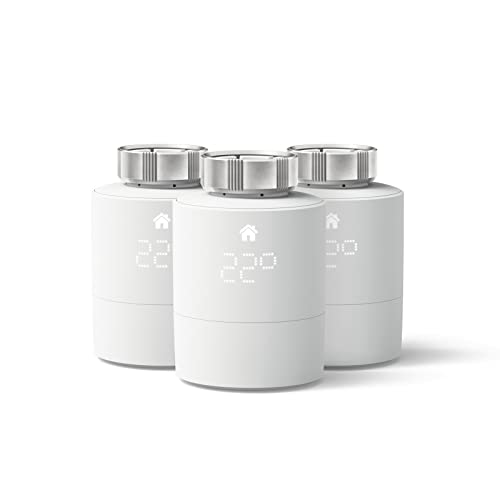
Integration with Smart Home Ecosystem
Both the Ecobee SmartSensor and Nest Temperature Sensor offer compatibility with a range of smart home ecosystems, enabling users to create a cohesive and interconnected home environment.
Whether you have other smart devices like smart lights, locks, or security cameras, these sensors can communicate with them to enhance overall automation and convenience.
For instance, you can set up routines where the sensors trigger certain actions like adjusting lighting levels when the temperature changes.
Energy Efficiency Benefits
One of the key advantages of utilizing smart sensors like the Ecobee and Nest models is the potential for increased energy efficiency.
By actively monitoring temperature variations and occupancy patterns, these sensors contribute to reducing energy wastage by ensuring that heating or cooling is only directed to occupied areas when needed.
This not only helps lower utility bills but also aligns with sustainability goals by minimizing your carbon footprint.