Whey Isolate vs Whey Concentrate: Unveiling the Protein Powder Debate
In the vast world of protein supplements, two popular options often go head-to-head: whey isolate and whey concentrate.
These two forms of whey protein, derived from milk during the cheese-making process, are renowned for their muscle-building and recovery benefits.
Yet, the distinctions between the two could significantly impact your fitness goals.
Join us as we embark on a journey to unravel the nuances of whey isolate and whey concentrate to help you make an informed choice.
Whey Isolate: The Pinnacle of Protein Purity
Whey isolate is often considered the superior form of whey protein due to its exceptionally high protein content and minimal amounts of fats, carbohydrates, and lactose.
During the filtration process to create whey isolate, the protein is separated from most of the non-protein components, resulting in a product that typically contains 90% or more protein per serving.
Recommended to our readers: Click here
This makes whey isolate an ideal choice for individuals looking to maximize their protein intake without consuming additional calories or unwanted nutrients.
Athletes and bodybuilders aiming to achieve specific macronutrient targets often opt for whey isolate to support their lean muscle growth and recovery without the added bulk of carbohydrates and fats.
Compared to whey concentrate, whey isolate is also rapidly absorbed by the body, making it an excellent post-workout supplement to kickstart muscle repair and growth.
The high protein bioavailability of whey isolate means that the amino acids it contains are readily available for protein synthesis, promoting efficient muscle recovery after intense exercise sessions.
Recommended to our readers: Click here
For those with lactose intolerance or sensitive stomachs, whey isolate is typically a safer choice as it undergoes additional processing to remove most of the lactose content, reducing the likelihood of gastrointestinal discomfort.
In terms of price, whey isolate tends to be more expensive than whey concentrate due to the intensive filtration processes required to achieve higher protein purity.
However, the premium quality and protein content of whey isolate often justify the higher cost for individuals who prioritize protein intake and quality in their fitness regimen.
The Basics: Understanding Whey Protein
To comprehend the isolate-concentrate dichotomy, we must first delve into the basics.
Whey protein is a complete protein source, containing all essential amino acids vital for muscle growth and repair.
It boasts a high bioavailability, making it a favorite among athletes and fitness enthusiasts.
Whey isolate and whey concentrate are differentiated based on their processing methods and nutritional profiles.
Whey Protein: A Complete Protein Source
Whey protein is derived from milk during the cheese-making process and is considered a complete protein source.
This means that it contains all nine essential amino acids that the body cannot produce on its own.
These amino acids are crucial for muscle growth, repair, and overall health.
Whey protein is particularly rich in branched-chain amino acids (BCAAs), such as leucine, which play a significant role in muscle protein synthesis.
In addition to its amino acid profile, whey protein has a high biological value.
This metric measures the efficiency with which the body can use the protein for tissue growth and repair.
Whey protein’s high biological value makes it an ideal choice for athletes looking to optimize muscle recovery and performance.
Whey Isolate vs. Whey Concentrate: Processing and Nutritional Differences
Whey isolate and whey concentrate are two common forms of whey protein, distinguished by their processing methods and nutritional profiles.
Whey isolate undergoes further processing to remove most of the fat and lactose, resulting in a product that is typically at least 90% protein by weight.
This makes whey isolate a suitable option for individuals who are lactose intolerant or looking to minimize their fat intake.
On the other hand, whey concentrate is processed to remove some of the non-protein components but retains a higher amount of fats and carbohydrates compared to whey isolate.
While whey concentrate generally contains around 70-80% protein by weight, it also retains more of the beneficial nutrients found naturally in whey, such as immune-boosting compounds like immunoglobulins and lactoferrin.
When choosing between whey isolate and whey concentrate, individuals should consider their specific dietary needs and fitness goals.
Whey isolate may be preferred for those seeking a higher protein content with minimal carbs and fats, while whey concentrate can offer a balance of protein and beneficial nutrients for overall wellness.
Whey Concentrate: The All-Rounder
Whey concentrate undergoes minimal processing, retaining more of the beneficial nutrients found in whey.
It contains anywhere between 25% to 89% protein by weight, with the remainder comprising carbohydrates and fats.
This variant offers a cost-effective protein source without compromising on quality.
The slightly higher fat and lactose content in whey concentrate may be a concern for individuals with lactose intolerance or those watching their calorie intake.
Benefits of Whey Concentrate’s Higher Fat Content
While whey concentrate does contain slightly more fat than whey isolate, the fat content can actually be beneficial for those looking to support their overall health.
The fat in whey concentrate includes essential fatty acids like omega-3 and omega-6, which are important for brain function, hormone production, and overall well-being.
These fats also aid in the absorption of fat-soluble vitamins, such as vitamins A, D, E, and K. Therefore, the higher fat content in whey concentrate can contribute positively to a balanced diet.
Lactose Content in Whey Concentrate
Individuals with lactose intolerance may be wary of whey concentrate due to its lactose content.
However, the actual amount of lactose present in whey concentrate is relatively low compared to other dairy products.
Recommended to our readers: Click here
Most people with mild lactose intolerance can still consume whey concentrate without experiencing any significant digestive issues.
Additionally, lactose-free whey concentrate products are available in the market for those with severe lactose intolerance.
Cost-Effectiveness of Whey Concentrate
One of the key advantages of whey concentrate is its affordability compared to other types of whey protein, such as whey isolate.
This cost-effective protein source makes it an ideal option for individuals on a budget or looking to supplement their protein intake without breaking the bank.
Despite its lower price point, whey concentrate still offers significant nutritional benefits and can be a valuable addition to a well-rounded diet.
Whey Isolate: The Pinnacle of Purity
In contrast, whey isolate undergoes additional processing to remove a higher percentage of fats and carbohydrates, resulting in a product that is over 90% protein by weight.
This filtration process also reduces lactose content, making whey isolate a suitable option for lactose-intolerant individuals.
While the purity of whey isolate is appealing, some argue that this process may strip away certain beneficial nutrients present in whey concentrate.
Processing of Whey Isolate
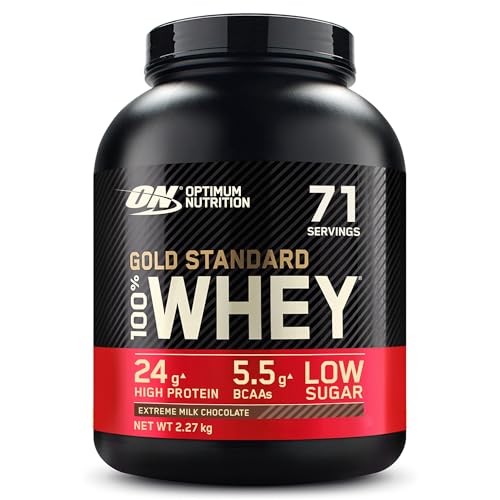
Whey isolate goes through a thorough processing method that involves steps such as microfiltration, ultrafiltration, and ion exchange to separate the protein from fats, lactose, and other impurities.
This meticulous process results in a higher protein content per serving compared to whey concentrate, making it a popular choice among athletes and fitness enthusiasts who require a protein supplement with minimal additional ingredients.
Lactose Content Reduction
One significant advantage of whey isolate is its low lactose content, which makes it easier to digest for individuals who are lactose intolerant.
This attribute is particularly beneficial for individuals who have digestive issues or sensitivities to lactose but still want to incorporate a high-quality protein supplement into their diets.
By removing a majority of the lactose through filtration, whey isolate provides a solution for those seeking a purer form of protein without unnecessary additives.

Nutrient Stripping Concerns
While whey isolate boasts a high protein content and purity level, some critics raise concerns about the potential loss of certain beneficial nutrients during the isolation process.
Whey concentrate contains a spectrum of bioactive compounds, such as immunoglobulins, lactoferrin, and various growth factors, which may have health-promoting effects beyond basic protein synthesis.
The extensive filtration and processing involved in creating whey isolate may remove or denature some of these compounds, raising questions about whether the ultimate purity of the product comes at the cost of losing these additional nutritional benefits.
Considerations for Selecting Whey Protein
When choosing between whey isolate and whey concentrate, it is essential for consumers to consider their individual dietary needs and goals.
Those who prioritize a higher protein content, lower lactose levels, and quicker absorption may lean towards whey isolate.
On the other hand, individuals who value a more complete nutritional profile and potential health benefits from bioactive compounds may opt for whey concentrate.
Ultimately, both forms of whey protein offer unique advantages, and the decision should align with personal preferences, dietary restrictions, and fitness objectives.
Performance and Digestibility: Decoding the Impact
The choice between whey isolate and whey concentrate can have implications for performance and digestibility.
Whey isolate, with its higher protein content and lower lactose levels, is often favored by those seeking a fast-absorbing protein source with minimal digestive discomfort.
This makes it an excellent post-workout option for swift muscle recovery.
On the other hand, whey concentrate, with its slightly slower absorption rate due to the presence of fats and carbohydrates, may provide a more sustained release of amino acids, beneficial for supporting muscle growth over time.
Whey Isolate: The Ideal Post-Workout Protein
Whey isolate is considered the purest form of whey protein, with a higher protein content of around 90-95% compared to whey concentrate, which typically contains approximately 70-80% protein.
This higher protein concentration in whey isolate leads to faster absorption by the body, making it an excellent choice for athletes and fitness enthusiasts looking to quickly replenish their muscles post-workout.
This rapid absorption not only aids in muscle recovery but also helps in promoting muscle protein synthesis, crucial for muscle repair and growth.
Moreover, whey isolate undergoes additional processing steps, such as ultrafiltration or ion exchange, to remove more of the fats and carbohydrates found in whey concentrate.
As a result, whey isolate is virtually lactose-free, which makes it a suitable option for individuals who are lactose intolerant or have sensitive stomachs.
The minimal lactose content in whey isolate reduces the likelihood of gastrointestinal distress, making it a viable option for those looking for a highly digestible protein source without compromising on quality.
In practical terms, an example of incorporating whey isolate into a post-workout routine is mixing it with water or a liquid of your choice for a quick and convenient shake.
Its rapid digestion and absorption properties make it an easily accessible source of protein that can be consumed immediately after exercise to kickstart the recovery process.
Whey Concentrate: A Sustained Protein Source
Whey concentrate, on the other hand, contains a slightly lower protein content compared to whey isolate, but it retains more of the beneficial fats and carbohydrates naturally present in whey.
These additional nutrients contribute to a more balanced macronutrient profile, providing a more sustained release of amino acids into the bloodstream over a longer period.
The presence of fats and carbohydrates in whey concentrate not only slows down the rate of absorption but also offers added nutritional benefits.
Fats, for instance, play a role in hormone production and overall cellular function, while carbohydrates provide energy that can be utilized during and after workouts.
This combination of nutrients in whey concentrate makes it a versatile option for individuals looking to support their muscle growth and recovery over an extended duration.
For individuals engaged in longer workouts or seeking a protein source that offers a more gradual release of nutrients, incorporating whey concentrate into their nutrition plan can be beneficial.
This sustained release of amino acids can help in minimizing muscle breakdown during periods of extended physical activity and support
Pros and Cons
| Features | Whey Isolate | Whey Concentrate |
|---|---|---|
| Protein Content | Over 90% | 25-89% |
| Lactose Content | Low | Varying levels |
| Fat Content | Low | Varies |
| Price | Higher | Lower |

Protein Content
– Whey Isolate contains a protein content of over 90%, making it the purest form of whey protein available.
This high protein concentration is ideal for individuals looking to increase their protein intake without consuming excess fats and carbohydrates.
– In comparison, Whey Concentrate typically contains protein levels ranging from 25-89%, depending on the processing method used.
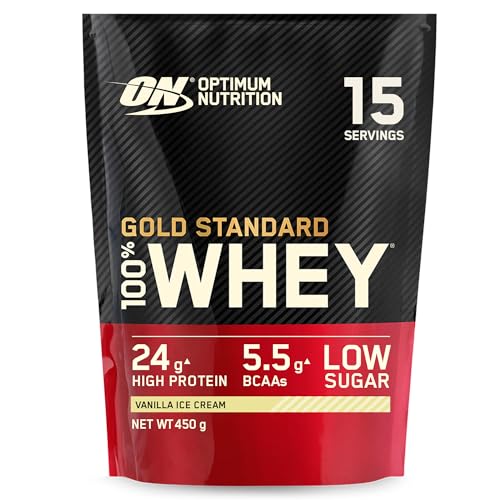
While still a good source of protein, it may not be as suitable for those seeking a higher protein content in their supplement.
Lactose Content
– Whey Isolate is known for its low lactose content, which makes it a great option for individuals who are lactose intolerant or have trouble digesting dairy products.
This makes it easier on the stomach and reduces the likelihood of digestive discomfort.
– On the other hand, Whey Concentrate contains varying levels of lactose, which may not be suitable for those with lactose sensitivities.
It’s important for lactose-intolerant individuals to carefully check the lactose content in Whey Concentrate products before consumption.
Fat Content
– One of the advantages of Whey Isolate is its low fat content, which can be beneficial for individuals monitoring their fat intake or looking to maintain a lean physique.
The minimal fat content in Whey Isolate allows for an efficient way to increase protein intake without adding unnecessary fats.
– Whey Concentrate, on the other hand, has varying levels of fat content depending on the processing method and quality of the product.
While it may still be a good source of protein, individuals aiming to reduce fat consumption might prefer Whey Isolate for its lower fat content.
Price
– Whey Isolate is generally priced higher than Whey Concentrate due to its higher protein content and more extensive processing methods required to isolate the protein.
This higher cost may be a deciding factor for individuals on a budget or looking for more cost-effective protein options.
– Whey Concentrate, with its lower protein concentration and less intensive processing, is typically more budget-friendly in comparison to Whey Isolate.
This makes it a more accessible option for individuals looking to incorporate whey protein into their diet without overspending.
The Verdict: Making Your Choice
Ultimately, the decision between whey isolate and whey concentrate boils down to your specific fitness goals and dietary preferences.
If you prioritize high protein content, quick absorption, and minimal lactose, whey isolate may be the ideal choice for you.
Conversely, if you seek a budget-friendly option that retains more of whey’s natural goodness, whey concentrate could align better with your needs.
Experimenting with both types and observing how your body responds can provide valuable insights into which protein powder suits you best.
In the realm of whey protein, the isolate-concentrate debate fuels an ongoing discussion within the fitness community.
Recommended to our readers: Click here
Each variant brings its unique advantages and considerations to the table, catering to a diverse range of dietary requirements and fitness objectives.
Whether you opt for the pristine purity of whey isolate or the wholesome allure of whey concentrate, rest assured that both forms pack a potent punch in supporting your athletic endeavors.
Choose wisely, lift boldly, and savor the gains that lie ahead.
Factors to Consider:
Recommended to our readers: Click here
When deciding between whey isolate and whey concentrate, it’s crucial to assess a few key factors to make an informed choice that aligns with your fitness journey.
Here are some additional considerations to help guide your decision:
Protein Content:
Whey isolate typically boasts a higher protein content than whey concentrate, making it a popular choice among individuals aiming to increase their protein intake while keeping calories in check.
For those following strict macronutrient ratios or focusing on muscle building, the higher protein content in whey isolate can be advantageous.

Absorption Rate:
One significant advantage of whey isolate is its quick absorption rate.
This makes it an excellent post-workout option for individuals looking to kickstart muscle recovery and growth immediately after their training sessions.
On the other hand, whey concentrate may have a slightly slower absorption rate due to its higher lactose and fat content.
Lactose Sensitivity:
If you are lactose intolerant or have difficulty digesting lactose, opting for whey isolate can be a smart choice.
Being virtually lactose-free, whey isolate minimizes the chances of gastrointestinal discomfort for those with lactose sensitivities.
Personal Preference and Taste:
While nutritional aspects play a significant role in deciding between whey isolate and whey concentrate, personal preferences and taste preferences should not be overlooked.
Whey isolate is typically lauded for its purity and light taste, which makes it a versatile protein powder that can easily be incorporated into various recipes and shakes.
Conversely, whey concentrate retains more of the natural flavors and components of whey, giving it a more wholesome and slightly milky taste that some individuals may prefer.
By considering these additional factors along with your specific fitness goals and dietary needs, you can make a well-informed choice between whey isolate and whey concentrate that best supports your overall health and fitness objectives.
Experimenting with both varieties can provide valuable insights into how each variant impacts your performance and recovery, helping you tailor your supplement regimen to optimize your athletic endeavors.