Zucchini Noodles vs Spaghetti Squash: A Culinary Showdown
Picture this: a steaming plate of pasta, twirled high with savory sauce, beckoning your taste buds.
For pasta lovers watching their carb intake or looking to incorporate more veggies into their diet, zucchini noodles and spaghetti squash have become popular pasta alternatives.
But which one reigns supreme in terms of taste, texture, and overall culinary experience?
Let’s delve into the world of these vegetable-based noodles and uncover the delicious details.
Recommended to our readers: Click here
What Are Zucchini Noodles and Spaghetti Squash?
Recommended to our readers: Click here
Zucchini noodles, often referred to as “zoodles,” are created by spiralizing fresh zucchini into long, thin strands resembling traditional pasta.
The mild flavor of zucchini makes it a versatile canvas for various sauces and seasonings.
On the other hand, spaghetti squash, once cooked, can be easily scraped into spaghetti-like strands with a fork.
Its slightly sweet flavor pairs well with both bold and delicate sauces, adding a unique taste dimension to any dish.
Taste Test: Zucchini Noodles vs Spaghetti Squash
In a blind taste test, participants were pleasantly surprised by the lightness and freshness of zucchini noodles.
The delicate flavor of the zucchini allowed the sauces to shine through without overpowering the dish.
Spaghetti squash, with its subtle sweetness, provided a hint of caramelization when paired with rich sauces, offering a more complex flavor profile.
Texture Matters: Zucchini Noodles and Spaghetti Squash
When it comes to texture, zucchini noodles tend to have a slight crunch, reminiscent of al dente pasta.
This texture works well in dishes where a bit of bite is desired.
In contrast, spaghetti squash strands have a softer, more stringy texture, almost melting in your mouth when paired with creamy sauces.
Recommended to our readers: Click here
The Culinary Experience: Cooking and Serving
Zucchini noodles are quick to prepare, often requiring only a simple sauté in a hot pan before they are ready to be served.
Their bright green color adds vibrancy to any dish, making them an appealing choice for a visually striking meal.
Spaghetti squash, although taking longer to cook due to the roasting process, offers a satisfying experience as you scrape out the “noodles” from the roasted shell, creating a fun and interactive dining experience.
The Battle of the Veggies:
Both zucchini noodles (zoodles) and spaghetti squash offer a low-carb, gluten-free alternative to traditional pasta, making them a favorite among health-conscious individuals and those following specific diets.
However, the choice between the two often comes down to personal preference and how they are prepared.
Nutritional Comparison
When comparing the nutritional profiles of zucchini noodles and spaghetti squash, it’s important to consider that zoodles are lower in calories and carbs compared to spaghetti squash.
One cup of cooked spaghetti squash contains around 40 calories and 10 grams of carbohydrates, while the same amount of zucchini noodles contains only about 20 calories and 4 grams of carbohydrates.
This makes zoodles an excellent choice for individuals looking to lower their calorie and carbohydrate intake.
Texture and Flavor
One of the key differences between zucchini noodles and spaghetti squash is their texture and flavor.
Zucchini noodles tend to be more crunchy and have a milder, neutral taste, making them versatile for pairing with various sauces and toppings.
On the other hand, spaghetti squash has a slightly sweeter flavor and a softer, more noodle-like texture, which some people may prefer for mimicking the texture of traditional pasta more closely.
Cooking Methods
Both zucchini noodles and spaghetti squash can be prepared in multiple ways to suit different dishes and preferences.
Zoodles can be enjoyed raw, sautéed, or even baked, while spaghetti squash is typically roasted or microwaved to achieve its signature noodle-like strands.
Experimenting with different cooking methods can help you discover the best way to enjoy these veggie alternatives in your favorite recipes.
Pairing with Sauces
The choice between zucchini noodles and spaghetti squash can also be influenced by the type of sauces you plan to pair them with.
Zoodles work well with lighter sauces like pesto, lemon garlic, or tomato-based sauces, as their mild flavor allows the sauce to shine.
Spaghetti squash, with its slightly sweeter taste, pairs beautifully with creamy sauces, marinara, or even a simple drizzle of olive oil and herbs.
Matching the veggie noodle with the right sauce can elevate the overall taste and experience of the dish.
Taste Test:
Zucchini noodles, created by spiralizing fresh zucchinis, have a mild and slightly sweet flavor that pairs well with various sauces and seasonings.
On the other hand, spaghetti squash, known for its stringy texture when cooked, boasts a subtle, nutty taste that can complement both creamy and tomato-based sauces.
The battle of taste ultimately boils down to whether you prefer the delicate freshness of zucchini or the earthy richness of spaghetti squash.
Nutritional Benefits:
Both zucchini noodles and spaghetti squash are excellent low-calorie, low-carb alternatives to traditional pasta.
Zucchini is rich in antioxidants, vitamins C and A, and folate.
Spaghetti squash offers a good dose of fiber, vitamins B6 and C, and manganese.
These vegetables provide a nutritious option for those looking to reduce their carb intake or increase their vegetable consumption.
Versatility in Cooking:
Zucchini noodles and spaghetti squash are versatile ingredients that can be used in a variety of dishes beyond just pasta alternatives.
Zucchini noodles can be stir-fried, baked, or even used in salads, while spaghetti squash can be stuffed, roasted, or added to soups.
Their adaptability in the kitchen makes them a favorite among home cooks looking to experiment with new recipes.
Cooking Techniques:
When preparing zucchini noodles, it’s essential to not overcook them to maintain their slight crunch and freshness.
They are best sautéed quickly in a hot pan with a touch of olive oil until just tender.
Spaghetti squash, on the other hand, should be roasted in the oven until the flesh easily shreds into strands with a fork.
Recommended to our readers: Click here
This method brings out the natural sweetness of the squash and enhances its nutty flavor.
Pairing Suggestions:
Zucchini noodles work well with light and fresh sauces such as lemon garlic butter or pesto.
They also complement dishes with seafood, grilled proteins, or roasted vegetables.
Spaghetti squash pairs beautifully with heartier sauces like Bolognese or Alfredo, as well as with roasted meats or savory herbs.
Experimenting with different flavor profiles can elevate the taste experience of these vegetable-based noodles.
Texture Matters:
Recommended to our readers: Click here
When it comes to texture, zucchini noodles have a more tender bite, similar to al dente pasta.
They retain a slight crunch even when cooked, adding a refreshing element to dishes.
Spaghetti squash, when properly prepared, yields long, thin strands that mimic traditional spaghetti.
Its soft yet slightly firm texture offers a satisfying mouthfeel, creating a comforting pasta-like experience.
Zucchini Noodles:
Zucchini noodles, also known as “zoodles,” are a popular low-carb alternative to traditional pasta.
Their tender bite makes them versatile for various recipes, such as salads, stir-fries, or as a substitute for spaghetti.
When cooked, zucchini noodles maintain their structure better than regular pasta, ensuring they don’t become mushy or overcooked.
Their ability to hold up to sauces and seasonings makes them a fantastic canvas for different flavor profiles, from traditional marinara to creamy Alfredo.
Zucchini noodles are also quick to cook, making them a convenient option for busy weeknights.
Whether sautéed in a hot pan with garlic and olive oil or simply blanched in boiling water, zucchini noodles offer a light and refreshing texture that complements a wide range of ingredients.
Additionally, their mild flavor allows them to take on the taste of the accompanying sauce or toppings, making them a versatile base for creating healthy and flavorful meals.
Cooking Versatility:
In the realm of cooking versatility, zucchini noodles take the crown for their quick cooking time and adaptability to various cooking methods.
From sautéing and stir-frying to enjoying them raw in salads, zoodles provide a versatile canvas for culinary creativity.
Spaghetti squash, though requiring more preparation due to its roasting or microwave-cooking process, offers a unique presentation as it can be served right in its shell, making for an impressive table centerpiece.
Benefits of Cooking with Zucchini Noodles:

One of the key benefits of cooking with zucchini noodles is their ability to easily absorb flavors from different sauces and seasonings, making them a versatile ingredient for a variety of dishes.

The mild taste of zoodles also makes them a great base for both traditional and creative recipes, allowing them to be paired with anything from classic marinara sauce to spicy peanut dressing.
In addition to their culinary adaptability, zucchini noodles are a lighter and lower-carb alternative to traditional pasta, making them a popular choice for those seeking a healthier option.
They are also an excellent source of vitamins, minerals, and antioxidants, adding nutritional value to your meals without compromising on taste.
Creative Cooking Ideas with Spaghetti Squash:
When it comes to spaghetti squash, the creative possibilities are endless.
Beyond simply substituting it for pasta, you can use spaghetti squash as a vessel for various fillings like a savory mixture of herbs, cheese, and vegetables.
This not only adds a new dimension to your dish but also enhances the visual appeal of your meal.
Spaghetti squash can also be transformed into a wholesome breakfast option by mixing it with eggs, cheese, and herbs before baking it into a delicious casserole.
Its mild flavor allows it to seamlessly blend with sweet or savory ingredients, making it a versatile ingredient for experimenting with flavor combinations.
Presentation Tips for Serving Spaghetti Squash:
To elevate the visual appeal of your spaghetti squash dish, consider serving it directly in its roasted shell.
This unconventional presentation not only creates a striking visual impact but also preserves the natural shape of the squash, adding a rustic charm to your dining table.
Another presentation idea is to mix the strands of the spaghetti squash with colorful vegetables and herbs before serving them in individual squash halves.
This not only enhances the aesthetic appeal of the dish but also allows each serving to be a visually appealing standalone piece on the plate.

Nutritional Showdown:
In the battle of nutrition, both zucchini noodles and spaghetti squash pack a healthy punch.
Zucchini is low in calories and high in fiber, vitamins, and minerals, making it a nutrient-dense option for those looking to boost their veggie intake.
Spaghetti squash, rich in antioxidants and vitamins C and A, offers a slightly higher calorie count but brings essential nutrients to the table, promoting overall well-being.
Nutritional Benefits of Zucchini Noodles:
Zucchini, a versatile and nutrient-packed vegetable, is an excellent choice for incorporating more greens into your diet.
One cup of zucchini noodles contains only about 20 calories, making it a great option for those following a low-calorie diet.
Moreover, zucchini is a good source of dietary fiber, which supports digestive health and promotes a feeling of satiety.
It also delivers a range of essential vitamins and minerals, including vitamin C, vitamin K, and potassium.

These nutrients play crucial roles in immune function, blood clotting, and maintaining healthy blood pressure levels.
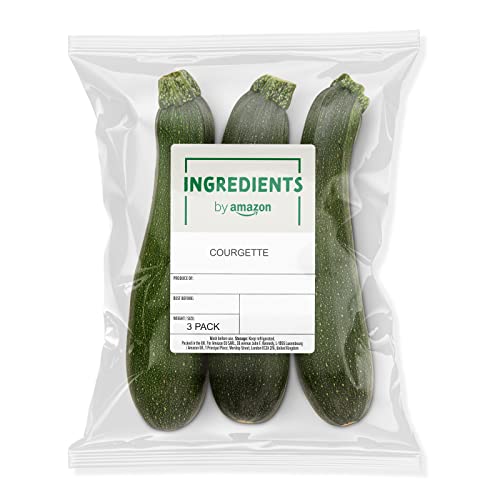
Culinary Versatility of Zucchini Noodles:
One of the standout features of zucchini noodles is their versatility in the kitchen.
Due to their mild flavor profile and pasta-like texture, zucchini noodles can be used as a healthy substitute for traditional pasta in a variety of dishes.
They can be enjoyed raw in salads, sautéed with garlic and olive oil as a simple side dish, or tossed with a flavorful sauce for a satisfying main course.
The culinary flexibility of zucchini noodles makes them an ideal ingredient for those seeking to add more vegetables to their meals without sacrificing taste or texture.
Spaghetti Squash: A Nutrient-Rich Alternative:
Spaghetti squash, named for its unique stringy texture that resembles spaghetti strands when cooked, is a nutrient powerhouse in its own right.
This winter squash variety is rich in antioxidants, particularly beta-carotene, which provides anti-inflammatory and immune-boosting benefits.
Additionally, spaghetti squash is a good source of vitamins C and A, which are essential for maintaining healthy skin, vision, and immunity.
While slightly higher in calories compared to zucchini noodles, spaghetti squash offers a satisfying and nutrient-dense option for individuals looking to incorporate more vegetables into their diet.
Incorporating Spaghetti Squash Into Your Meals:
The mild, slightly sweet flavor of spaghetti squash makes it a versatile ingredient that can be used in a myriad of culinary creations.
When roasted or steamed, the flesh of spaghetti squash can be scraped into long strands, perfect for replacing traditional pasta in dishes like spaghetti squash carbonara or pesto pasta.
Alternatively, spaghetti squash can be stuffed with savory fillings such as ground turkey, vegetables, and cheese for a hearty and nutritious meal.
Experimenting with different seasonings and pairings can help unlock the full potential of spaghetti squash and elevate your dining experience.
Pros and Cons:
| Feature | Zucchini Noodles | Spaghetti Squash |
|---|---|---|
| Taste | Mild, slightly sweet flavor | Subtle, nutty taste |
| Texture | Tender with a slight crunch | Soft yet slightly firm |
| Cooking Versatility | Quick cooking time and adaptability | Unique presentation and table centerpiece |
| Nutritional Value | Low in calories, high in fiber and vitamins | Rich in antioxidants and vitamins |
In the end, whether you opt for zucchini noodles or spaghetti squash boils down to your flavor preferences, texture cravings, and cooking style.
Whichever you choose, exploring these vegetable-based pasta alternatives opens up a world of culinary exploration and healthy eating options.
So, next time you’re craving a plate of pasta, consider stepping into the colorful world of zoodles and squash strands—it may just revolutionize your pasta nights for the better.
Additional Details on Taste and Texture:
Zucchini noodles, also known as zoodles, offer a mild and slightly sweet flavor profile that complements a variety of sauces and ingredients.
They provide a fresh and light base for dishes, perfect for those who prefer a more subtle taste in their pasta dishes.
On the other hand, spaghetti squash offers a subtle, nutty taste that adds a unique twist to traditional pasta recipes.
Its flavor can be enhanced by roasting or seasoning, providing a versatile canvas for different flavor combinations.
In terms of texture, zucchini noodles have a tender yet slightly crunchy texture that holds up well when cooked quickly.
This texture makes them a great alternative for those who enjoy a bit of bite in their pasta dishes.
On the contrary, spaghetti squash has a soft yet slightly firm texture that resembles strands of spaghetti.
This texture lends itself well to absorbing flavors from sauces while still maintaining a satisfying bite.
Cooking Styles and Presentation:
Zucchini noodles are known for their quick cooking time and adaptability to various cooking methods.
Whether you prefer them raw, sautéed, or baked, zoodles can be easily integrated into different dishes for a speedy and healthy meal preparation.
On the other hand, spaghetti squash offers a unique presentation and can serve as a stunning table centerpiece when presented in its natural form.
By roasting or steaming the squash and then scraping out the strands, you can create an eye-catching and enticing dish that elevates your meal presentation.
Health Benefits and Nutritional Comparison:
When considering nutritional value, zucchini noodles are low in calories, making them a great option for individuals looking to reduce their calorie intake while still enjoying a pasta-like dish.
Additionally, zoodles are high in fiber, which aids in digestion and promotes a feeling of fullness.
On the other hand, spaghetti squash is rich in antioxidants, particularly beta-carotene, which supports overall health and immunity.
This nutrient-dense vegetable provides vitamins such as vitamin C and B vitamins, contributing to a well-rounded and nutritious meal option.
By exploring the taste, texture, cooking versatility, and nutritional benefits of zucchini noodles and spaghetti squash, individuals can tailor their pasta alternatives to suit their preferences and dietary needs.
Whether you are seeking a light and fresh dish with zoodles or a unique and flavorful experience with spaghetti squash, incorporating these vegetable-based pasta alternatives can enhance your culinary repertoire and promote healthier eating habits.