Article: Kimchi vs Kombucha: Exploring Two Fermented Powerhouses
From ancient traditions to modern tables, fermented foods have become a nutritional sensation, gracing the plates of health enthusiasts and foodies alike.
Amongst the myriad of fermented delights, two stand out prominently: kimchi and kombucha.
This article delves into the captivating world of these fermented powerhouses, unraveling their histories, health benefits, flavors, and cultural significance.
Let’s embark on a flavorful journey to discover the essence of kimchi and kombucha and explore how these culinary gems are making waves in the world of wellness.
The Rise of Fermented Foods
Fermented foods have a long history worldwide, rooted in ancient culinary traditions that date back centuries.
The process of fermentation involves the transformation of food by microorganisms such as bacteria, yeast, or fungi.
This transformative process not only enhances the flavors and textures of foods but also boosts their nutritional value through the production of beneficial probiotics.
Ingrained in Cultural Heritage
Recommended to our readers: Click here
Kimchi, a staple in Korean cuisine, holds immense cultural significance as a symbol of Korean identity and culinary tradition.
Its vibrant flavors and varied textures reflect the diverse regional and seasonal influences present in Korean cooking.

On the other hand, kombucha has its origins in East Asia, particularly in China, where it has been consumed for centuries due to its believed health-promoting properties.
Health Benefits Galore
Both kimchi and kombucha are lauded for their numerous health benefits.
Kimchi is a rich source of vitamins A and C, as well as gut-friendly probiotics that aid digestion and support a healthy immune system.
Kombucha, a fermented tea beverage, is packed with antioxidants and beneficial enzymes that can potentially improve gut health and promote detoxification in the body.
Taste Sensations
Kimchi boasts a bold and complex flavor profile, characterized by its tangy, spicy, and umami notes.
The traditional ingredients used in kimchi, such as napa cabbage, radish, and chili peppers, create a harmonious balance of flavors that are both savory and pungent.
In contrast, kombucha offers a lighter and effervescent taste with a subtle tanginess that comes from the fermentation process.
Culinary Innovations and Fusion
In recent years, kimchi and kombucha have transcended their traditional roots and entered the realm of culinary fusion and experimentation.
Chefs and food enthusiasts have been incorporating these fermented powerhouses into diverse dishes and beverages, resulting in creative variations that blend different cultural influences and flavor profiles.
From kimchi-topped pizzas to kombucha-infused cocktails, the possibilities for culinary creativity are endless.
A Growing Wellness Trend
As awareness of the importance of gut health and fermentation continues to rise, kimchi and kombucha have captured the attention of wellness seekers worldwide.
These fermented foods not only offer a delicious way to experience new flavors but also provide a natural and nutritious way to support overall well-being.
With their intriguing histories, health benefits, and versatile culinary applications, kimchi and kombucha are undoubtedly poised to remain key players in
The Origins and Cultural Significance
Kimchi, a staple in Korean cuisine, traces its roots back thousands of years.
This fiery fermented dish typically consists of Napa cabbage, radishes, scallions, and a blend of seasonings like Korean red pepper flakes, garlic, and ginger.
Fermented for days or even weeks, kimchi undergoes a transformation that not only enhances its flavor profile but also boosts its nutritional value, making it a beloved culinary tradition in Korean households.
On the other hand, kombucha, a tangy, effervescent tea, has its origins in East Asia and Eastern Europe.
This fermented beverage is crafted by combining black or green tea with sugar and a symbiotic culture of bacteria and yeast (SCOBY).
Through the fermentation process, kombucha develops its distinct taste profile, offering a slightly sour note tempered by natural sweetness, making it a popular choice for those seeking a refreshing, probiotic-rich drink.
Evolution of Kimchi Varieties
Over the centuries, kimchi has evolved into a versatile dish with numerous regional variations.
For instance, in Southern regions of Korea, kimchi tends to be spicier due to the prevalent use of chili peppers in the seasoning mix.
Additionally, some types of kimchi incorporate seafood like shrimp or oysters, adding a unique umami depth to the flavor profile.
These variations reflect not only the diverse local ingredients available but also the cultural preferences and culinary heritage of different Korean communities.

Health Benefits of Kimchi and Kombucha
Both kimchi and kombucha offer a host of health benefits due to their fermentation process.
Kimchi is a probiotic-rich food that promotes gut health, aids digestion, and boosts the immune system.
It is also low in calories and packed with vitamins A and C, as well as minerals like calcium and iron.
Similarly, kombucha is touted for its probiotic content, which can support a healthy gut microbiome.
It also contains antioxidants and polyphenols that may help reduce inflammation and protect against cell damage.
Regular consumption of kombucha is associated with improved digestion, increased energy levels, and strengthened immunity.
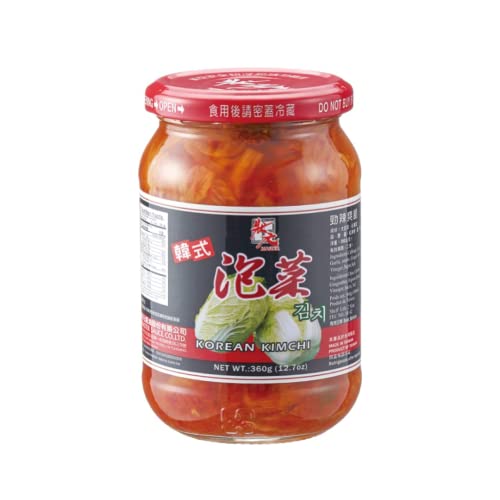
Cultural Significance in Festivals and Traditions
In Korean culture, kimchi holds a special place in both daily meals and festive occasions.
The process of making kimchi, known as kimjang, is a communal activity where families and communities come together to prepare large batches of kimchi for the winter season.
This tradition not only ensures a supply of preserved vegetables during the cold months but also fosters a sense of togetherness and cultural identity.

Similarly, kombucha has found its way into various cultural practices and celebrations.
In Russia, kombucha is believed to have detoxifying properties and is often consumed during religious fasts.
In Japan, kombucha tea ceremonies symbolize hospitality and are an integral part of social gatherings.
Both kimchi and kombucha exemplify how food and drink can transcend mere sustenance to become cultural symbols that connect individuals to their heritage and community.
Health Benefits: The Gut-Friendly Tag Team
Both kimchi and kombucha are celebrated for their gut-friendly properties, thanks to the presence of probiotics that promote healthy digestion and bolster the immune system.
Kimchi, with its tangy flavor and crunchy texture, is not only a flavorful addition to meals but also a nutritional powerhouse packed with vitamins A, B, and C, as well as gut-loving lactobacilli.
Likewise, kombucha, with its fizzy, slightly sour taste, offers a probiotic punch that can aid in digestion and support overall gut health.
Rich in antioxidants and enzymes, kombucha is often touted for its detoxifying properties and potential to boost energy levels, making it a popular choice for health-conscious individuals looking to invigorate their well-being.
Probiotic Power of Kimchi and Kombucha
Probiotics are live bacteria and yeasts that are good for your health, especially your digestive system.
Kimchi and kombucha are excellent sources of these beneficial microorganisms, which help maintain the balance of good bacteria in your gut.
The probiotics in kimchi and kombucha can help regulate digestion, reduce inflammation, and enhance nutrient absorption in the body.
Incorporating these fermented foods into your diet can contribute to a healthier gut microbiome, which is crucial for overall well-being.
Nutrient-Rich Kimchi
In addition to being a probiotic powerhouse, kimchi is also rich in essential nutrients such as vitamins A, B, and C. Vitamin A is crucial for healthy vision and skin, vitamin B supports energy metabolism and brain function, while vitamin C is an important antioxidant that boosts the immune system.
Kimchi’s lactobacilli content, a type of friendly bacteria, further enhances its gut-friendly properties, promoting a healthy balance of flora in your digestive tract.
Detoxifying and Energizing Benefits of Kombucha
Kombucha is not just a fizzy, refreshing beverage; it also offers detoxifying benefits due to its antioxidant content.
Antioxidants help combat free radicals in the body, reducing oxidative stress and supporting overall health.
Moreover, the enzymes present in kombucha aid in the digestion of food, promoting better nutrient absorption and gut function.
The natural energy-boosting properties of kombucha can provide a sustainable source of vitality without the crash often associated with sugary drinks or caffeine-heavy beverages.
By regularly consuming kimchi and kombucha as part of a balanced diet, you can nurture your gut health, fortify your immune system, and enhance your overall vitality.
Flavor Showdown: A Symphony of Tastes
When it comes to flavor, kimchi and kombucha showcase a diverse array of taste profiles that cater to a variety of palates.
Kimchi, with its bold and spicy notes, adds a kick of umami goodness to dishes, elevating everything from plain rice to hearty stews with its complex flavors and crunchy texture.
On the other hand, kombucha offers a more nuanced taste experience, ranging from floral and fruity to tangy and tart, depending on the ingredients used and the fermentation process.
With flavors like ginger-lemon, hibiscus, and berry-infused varieties, kombucha appeals to those seeking a refreshing beverage that tantalizes the taste buds.
The Versatility of Kimchi in Culinary Creations
Kimchi, a staple in Korean cuisine, not only provides a burst of flavor but also offers a range of health benefits due to its fermentation process.
Beyond its traditional role as a side dish, kimchi has found its way into modern fusion dishes, adding a unique twist to classics such as tacos, grilled cheese sandwiches, and even fried rice.
The fermentation process not only enhances the flavor but also increases the probiotic content, aiding in digestion and boosting gut health.
Exploring the Diverse World of Kombucha Flavors
Kombucha, often referred to as the “elixir of life,” is lauded for its potential health benefits and wide array of flavors.
From the floral notes of lavender to the zesty tang of ginger, kombucha enthusiasts can explore a rainbow of taste sensations.
Each flavor profile is influenced by factors such as the types of tea used, the duration of fermentation, and the addition of fruits or herbs.
This diversity allows for endless experimentation in creating unique and refreshing kombucha blends tailored to individual preferences.
Pairing Kimchi and Kombucha: A Culinary Harmony
The bold and robust flavors of kimchi complement the delicate and effervescent notes of kombucha, making them a harmonious duo in culinary pairings.
The spicy and umami-rich profile of kimchi can provide a contrast to the sweet and tangy undertones of kombucha, creating a dynamic flavor symphony on the palate.
Whether enjoyed together as part of a vibrant Buddha bowl or separately to cleanse the palate between bites, the combination of kimchi and kombucha offers a multisensory experience that tantalizes taste buds and invigorates the senses.
The Fermentation Factor: Craftsmanship and Care
The art of fermentation lies at the heart of both kimchi and kombucha, requiring time, patience, and a touch of culinary finesse.
Crafting kimchi involves a meticulous process of salting, seasoning, and fermenting vegetables, with each step contributing to the final flavor profile and texture of this beloved dish.
Recommended to our readers: Click here
Similarly, brewing kombucha calls for a delicate balance of tea, sugar, and SCOBY, with the fermentation period influencing the taste and effervescence of the final product.
From monitoring pH levels to ensuring proper aeration, kombucha makers are akin to alchemists, transforming simple ingredients into a bubbling elixir that captivates the senses.
The Intricacies of Kimchi Fermentation
As vegetables undergo the fermentation process to become kimchi, lactic acid bacteria play a crucial role in breaking down sugars and transforming flavors.
These beneficial bacteria not only contribute to the tangy flavor but also enhance the dish’s probiotic properties, promoting gut health and digestion.
Kimchi artisans may also incorporate additional ingredients such as fish sauce, garlic, ginger, or radishes during the fermentation process to add layers of complexity to the final product.
The balance of sweet, salty, sour, and spicy notes in kimchi reflects the skill and expertise of the maker, highlighting the nuanced artistry involved in perfecting this traditional Korean dish.
Mastering the Kombucha Brewing Technique
In the realm of kombucha brewing, mastering the fermentation technique is a multifaceted journey.
The symbiotic culture of bacteria and yeast (SCOBY) acts as the engine driving the fermentation process, converting the sweet tea mixture into a tangy, fizzy beverage.
Temperature control is critical during kombucha fermentation, as different yeast and bacteria strains thrive at specific temperature ranges.
Kombucha brewers meticulously monitor the temperature to ensure optimal fermentation conditions, adjusting as needed to maintain quality and consistency in their brews.
Moreover, the length of fermentation significantly impacts the final taste profile and effervescence of the kombucha.
Shorter fermentation periods produce a sweeter, milder brew, while longer fermentation yields a tangier, more acidic flavor with increased carbonation.
From Tradition to Innovation: Pushing the Boundaries of Fermentation
The evolution of fermentation techniques in modern times has seen a fusion of traditional practices with innovative approaches.
Experimentation with unique ingredients like fruits, herbs, or spices has led to a myriad of flavor variations in both kimchi and kombucha, catering to diverse palates and preferences.
Craft brewers and fermenters continue to push the boundaries of fermentation, exploring new methods such as barrel aging, wild fermentation, or incorporating different strains of bacteria to create distinctive and complex flavor profiles.
This blend of craftsmanship and creativity showcases the dynamic nature of fermentation as an art form that continues to captivate food enthusiasts worldwide.
Sustainability and Global Appeal
In an era where sustainability and conscious consumption are at the forefront of food trends, both kimchi and kombucha shine as eco-friendly options that align with the values of modern consumers.
With a focus on using local, seasonal ingredients and reducing food waste through fermentation, kimchi and kombucha embody a sustainable approach to culinary practices that resonates with eco-conscious individuals.
Moreover, the global appeal of kimchi and kombucha transcends cultural boundaries, with these fermented delights finding their way onto restaurant menus, supermarket shelves, and home kitchens worldwide.
Whether savoring a spicy kimchi stew in Seoul or enjoying a chilled glass of kombucha in New York City, the allure of these fermented treasures knows no bounds.
Environmental Benefits of Kimchi and Kombucha
One of the key environmental benefits of kimchi and kombucha lies in their fermentation process, which not only enhances their flavors but also contributes to reducing food waste.
Fermentation allows for the preservation of perishable ingredients, reducing the demand for refrigeration and preventing vegetables from being discarded due to spoilage.
This aligns with the principles of a circular economy by utilizing food resources efficiently and minimizing environmental impact.
Local Sourcing and Seasonality
Many producers of kimchi and kombucha prioritize sourcing their ingredients locally and seasonally, further reducing their carbon footprint.
By working closely with local farmers and suppliers, these artisans not only support the community but also ensure the freshness and quality of their products.
For example, a kimchi maker in California might source Napa cabbage from nearby farms during the peak of harvest season, creating a vibrant and sustainable product that reflects the region’s terroir.
Culinary Innovation and Fusion
As kimchi and kombucha gain popularity around the globe, chefs and food entrepreneurs are incorporating these fermented delicacies into various cuisines and culinary creations.
From kimchi tacos in Mexico City to kombucha-infused cocktails in London, the versatility of these probiotic-rich foods allows for creative experimentation and fusion cooking.
This culinary innovation not only expands the reach of kimchi and kombucha but also introduces new flavor experiences to consumers, fostering a dynamic and diverse food culture.
Health Benefits and Wellness Trends
Beyond their sustainability and global appeal, kimchi and kombucha are celebrated for their probiotic properties and potential health benefits.
Probiotics found in fermented foods like kimchi and kombucha are known to support gut health, boost immunity, and promote overall well-being.
As wellness trends continue to emphasize the importance of a balanced microbiome, these fermented favorites have become go-to choices for health-conscious individuals seeking natural and holistic ways to nurture their bodies.
Cultural Exchange and Preservation
The widespread adoption of kimchi and kombucha in various culinary traditions signifies a form of cultural exchange and preservation.
While kimchi is a staple in Korean cuisine, it has now become a beloved condiment and ingredient in dishes beyond its origins.
Similarly, kombucha, with its roots in ancient Chinese culture, has evolved into a modern beverage enjoyed by people from diverse backgrounds.
This cross-cultural appreciation and integration of fermented foods demonstrate the power of gastronomy in connecting people and preserving culinary heritage.
Recommended to our readers: Click here
Pros and Cons
| Features | Kimchi | Kombucha |
|---|---|---|
| Probiotic Content | Rich in lactobacilli for gut health | Contains live probiotics for digestive support |
| Flavor Profile | Bold, spicy, crunchy | Tangy, effervescent, versatile |
| Nutritional Benefits | High in vitamins A, B, and C | Rich in antioxidants and enzymes |
| Cultural Significance | A beloved tradition in Korean cuisine | Originating in East Asia and Eastern Europe |
In conclusion, the world of fermented foods offers a delightful tapestry of flavors, cultures, and health benefits, with kimchi and kombucha standing out as shining examples of culinary craftsmanship and wellness wisdom.
Whether you prefer the fiery kick of kimchi or the effervescent tang of kombucha, these fermented powerhouses invite us to savor the fusion of tradition and innovation, one flavorful bite or sip at a time.
As we raise a glass of kombucha to toast the legacy of kimchi, let us embrace the fermentation fervor that unites us in a shared love for good food, good health, and good company.
Cheers to the vibrant world of kimchi and kombucha—a symphony of flavors that nourishes both body and soul.
Health Benefits
Both kimchi and kombucha offer a myriad of health benefits beyond just being delicious culinary delights.
Kimchi is not only rich in lactobacilli for gut health but also contains various natural ingredients like garlic, ginger, and chili peppers, which are known for their immune-boosting and anti-inflammatory properties.
On the other hand, kombucha is renowned for its high concentration of antioxidants, which help combat oxidative stress in the body and promote overall well-being.
Versatility in Culinary Applications
While kimchi is often enjoyed as a traditional side dish or topping in Korean cuisine, its bold and spicy flavors can be incorporated into a wide range of dishes such as tacos, burgers, and even scrambled eggs to add a unique twist.
Similarly, kombucha’s tangy and effervescent profile makes it a versatile ingredient in cocktails, salad dressings, marinades, and even desserts, showcasing its adaptability beyond being a standalone beverage.
Environmental Sustainability
An often overlooked aspect of fermented foods like kimchi and kombucha is their contribution to sustainable food practices.
Fermentation can help reduce food waste by preserving ingredients that may have otherwise spoiled, and the probiotic-rich nature of these foods promotes a healthy gut microbiome, which is essential for overall well-being and can potentially lessen the environmental impact of conventional agricultural practices.
DIY Culture and Innovation

One of the most intriguing aspects of kimchi and kombucha is their connection to a burgeoning DIY culture.
Many enthusiasts are diving into home fermentation, experimenting with unique ingredients, flavors, and techniques to create their own signature batches of kimchi or kombucha.
This trend not only promotes culinary creativity but also fosters a deeper appreciation for the art of fermentation and the science behind how these foods benefit our health.