Beetroot Powder vs Wheatgrass Powder: Exploring the Power of Nature’s Wonders
In the realm of superfoods, two vibrant contenders stand out amidst the myriad health trends: beetroot powder and wheatgrass powder.
These natural products have garnered attention for their potent nutritional profiles and reported health benefits.
While beetroot powder is renowned for its rich color and numerous antioxidants, wheatgrass powder boasts a concentrated source of vitamins and minerals.
In this deep dive comparison, we unravel the distinct characteristics, benefits, and potential drawbacks of beetroot powder and wheatgrass powder to help you make an informed choice in integrating these potent supplements into your daily routine.
Nutritional Content Comparison
Beetroot powder is well-known for its impressive array of essential nutrients, including high levels of manganese, potassium, and vitamin C. These nutrients play crucial roles in supporting immune function, promoting skin health, and aiding in blood pressure regulation.
Additionally, beetroot powder is a rich source of nitrates, which have been linked to enhanced athletic performance and improved cardiovascular health.
On the other hand, wheatgrass powder is a nutritional powerhouse in its own right, offering a concentrated source of vitamins A, C, and E, along with essential minerals such as iron, magnesium, and calcium.
This combination of nutrients contributes to wheatgrass powder’s reputation for supporting detoxification processes, boosting energy levels, and improving digestive health.
Recommended to our readers: Click here
Health Benefits and Applications
Beetroot powder is often praised for its potential to enhance athletic performance due to its nitrate content, which can improve blood flow, oxygen delivery, and exercise endurance.
Additionally, studies suggest that beetroot powder may help lower blood pressure, improve cognitive function, and support liver health.
Its vibrant color and earthy flavor also make it a popular ingredient in smoothies, juices, and baked goods.
Wheatgrass powder, on the other hand, is commonly consumed for its detoxifying properties.
It is believed to aid in the removal of harmful toxins from the body, support liver function, and promote overall cellular health.
Wheatgrass shots and juices have become popular among health enthusiasts seeking a convenient way to boost their nutrient intake and alkalize their bodies.
Considerations and Potential Drawbacks
While both beetroot powder and wheatgrass powder offer impressive health benefits, it’s essential to consider potential drawbacks.
For some individuals, beetroot powder may cause temporary urine discoloration or gastrointestinal discomfort due to its high nitrate content.
Similarly, wheatgrass powder can have a strong taste that may not appeal to everyone, and some people may experience digestive issues or allergies when consuming it.
It’s advisable for individuals with existing health conditions or allergies to consult a healthcare provider before incorporating beetroot or wheatgrass powder into their daily regimen.
Additionally, it’s important to source these powders from reputable brands to ensure purity and quality.
Embracing the Brightness: Beetroot Powder Unveiled
Beetroot powder, derived from the humble beetroot vegetable, is a powerhouse of essential nutrients.
Its striking deep red hue is a visual testament to the abundance of antioxidants, notably betalains, that combat oxidative stress in the body.
Antioxidants play a crucial role in neutralizing harmful free radicals and supporting overall health.
Recommended to our readers: Click here
Additionally, beetroot powder is a rich source of dietary nitrates, known for their potential to enhance exercise performance and cardiovascular health.
The Power of Betalains
Betalains are a unique class of antioxidants found in beetroot powder.
These compounds have been studied for their anti-inflammatory and detoxifying properties.
Betalains are known to help in reducing inflammation in the body, which is beneficial for conditions such as arthritis.
Their detoxifying effects support liver function by aiding in the elimination of toxins from the body.
Research has also suggested that betalains may have anti-cancer properties, making beetroot powder a valuable addition to a cancer-fighting diet.
Enhancing Exercise Performance
Dietary nitrates in beetroot powder have been shown to have a positive impact on exercise performance.
When consumed, nitrates are converted to nitric oxide in the body, which relaxes blood vessels and improves blood flow.
This vasodilation effect can enhance oxygen delivery to muscles during physical activity, leading to improved endurance and performance.
Athletes and fitness enthusiasts often include beetroot powder in their pre-workout routine to experience the benefits of enhanced blood flow and oxygen utilization.
Cardiovascular Health Benefits
Regular consumption of beetroot powder may have significant benefits for cardiovascular health.
Studies have indicated that the nitrates in beetroot powder can help lower blood pressure, reduce the risk of heart disease, and improve overall heart function.
By promoting vasodilation and improving blood circulation, beetroot powder supports a healthy heart and helps in maintaining optimal cardiovascular function.
Including beetroot powder in your diet can be a natural way to support heart health and lower the risk of cardiovascular complications.
The Green Elixir: Exploring the Wonders of Wheatgrass Powder
On the other hand, wheatgrass powder, pressed from the young shoots of the wheat plant, offers a concentrated source of vitamins, minerals, and enzymes.
Wheatgrass is particularly known for its high chlorophyll content, often referred to as “green blood” due to its structural similarity to hemoglobin.
Chlorophyll is believed to support detoxification processes, aid in digestion, and promote overall vitality.
Moreover, wheatgrass is a nutrient-dense superfood, packing a powerful punch of vitamins A, C, and E, along with essential minerals like iron and magnesium.
Benefits of Chlorophyll in Wheatgrass Powder
Chlorophyll is the pigment that gives plants their green color and plays a crucial role in photosynthesis.
In wheatgrass powder, chlorophyll serves as a potent antioxidant that helps to neutralize harmful free radicals in the body.
This antioxidant property can contribute to reducing oxidative stress, which is linked to various chronic diseases and aging.
Additionally, chlorophyll is known for its potential in supporting the body’s natural detoxification processes by aiding in the elimination of toxins and heavy metals.
Essential Nutrients in Wheatgrass Powder
Apart from chlorophyll, wheatgrass powder is a rich source of essential nutrients that are vital for overall health and well-being.
For instance, vitamin A in wheatgrass helps maintain healthy vision, skin, and immune function.
Vitamin C plays a key role in collagen production, boosting immune health, and protecting against oxidative damage.
Vitamin E is a powerful antioxidant that protects cells from damage and supports skin health.
Wheatgrass powder also contains essential minerals like iron and magnesium.
Iron is crucial for the production of hemoglobin, which carries oxygen in the blood, and magnesium is essential for muscle function, nerve transmission, and regulating blood pressure.
Including wheatgrass powder in your diet can help ensure you are meeting your daily requirements for these important nutrients.
Incorporating Wheatgrass Powder into Your Routine
There are various ways to incorporate wheatgrass powder into your daily routine.
You can mix it into smoothies, juices, or water for a quick and convenient boost of nutrients.
Some people also sprinkle wheatgrass powder over salads, yogurt, or oatmeal to add a nutritional punch to their meals.
Alternatively, you can create wheatgrass shots by mixing the powder with a small amount of water and consuming it quickly.
Experiment with different methods to find the most enjoyable way to include wheatgrass powder in your diet.
Pros and Cons
| Feature | Beetroot Powder | Wheatgrass Powder |
|——————–|————————————————-|————————————————–|
Recommended to our readers: Click here
| Taste | Sweet, earthy flavor | Grassy, slightly bitter taste |
| Nutritional Value | Rich in antioxidants and dietary nitrates | High in vitamins, minerals, and enzymes |
| Potential Benefits | Improved exercise performance, heart health | Detoxification, digestion support, vitality |
| Accessibility | Widely available | Can be grown at home for fresh consumption |
| Culinary Versatility | Versatile in smoothies, soups, baked goods | Often consumed as a shot or in juice form |
Taste Profiles
Beetroot powder is renowned for its sweet, earthy flavor that adds a unique and pleasant touch to various recipes.
With a subtly rich undertone, it can enhance the taste of both sweet and savory dishes.
On the other hand, wheatgrass powder has a distinct grassy taste that may be slightly bitter for some palates.
Its flavor is often described as fresh and rejuvenating, ideal for those who enjoy a more intense green taste in their beverages or meals.
Recommended to our readers: Click here
Nutritional Benefits
Beetroot powder is not just tasty but also packed with nutritional benefits.
It is particularly high in antioxidants and dietary nitrates, which are known to promote heart health, improve exercise performance, and provide various other health benefits.
Conversely, wheatgrass powder boasts a wide array of essential vitamins, minerals, and enzymes that support overall health and well-being.
Its nutritional profile makes it a popular choice for those seeking a natural energy boost and enhanced vitality.
Recommended to our readers: Click here
Practicality and Usage
When it comes to accessibility, beetroot powder is widely available in stores and online platforms, making it convenient for consumers to incorporate it into their diets.
On the other hand, wheatgrass powder offers the unique advantage of being suitable for home cultivation.
Growing wheatgrass at home allows individuals to harvest it fresh for consumption, ensuring maximum nutritional value and freshness.
This hands-on approach appeals to those who prefer a more involved and personalized dietary experience.
Culinary Applications

The versatility of beetroot powder shines in its adaptability across various culinary creations.
It can be seamlessly integrated into smoothies, soups, and baked goods, enhancing both the flavor and nutritional content of these dishes.
Wheatgrass powder, on the other hand, is commonly consumed as a concentrated shot or mixed into juices for a quick and potent health boost.
Its vibrant green color and distinct taste make it a popular choice for health enthusiasts looking to invigorate their daily routines with a burst of freshness.
Navigating the Choice: Factors to Consider

When choosing between beetroot powder and wheatgrass powder, several factors come into play.
Consider your health goals, taste preferences, and ease of incorporation into your daily routine.
While beetroot powder shines in antioxidant content and exercise performance benefits, wheatgrass powder offers a holistic nutrient profile ideal for detoxification and vitality.
Health Goals:
One vital aspect to consider when deciding between beetroot powder and wheatgrass powder is your specific health goals.
If you are looking to enhance your exercise performance and improve cardiovascular health, beetroot powder may be the better choice due to its high nitrate content, known for boosting endurance and reducing blood pressure.
On the other hand, if you are aiming for a detoxifying and rejuvenating effect on your body, wheatgrass powder’s chlorophyll content can aid in cleansing the liver and promoting overall well-being.
It’s essential to align your selection with what you aim to achieve in terms of health and wellness.
Taste Preferences:
Another critical factor to take into account is your taste preferences.
Beetroot powder generally has a sweet, earthy flavor that mixes well with juices and smoothies, making it a versatile addition to various recipes.
Recommended to our readers: Click here
Wheatgrass powder, on the other hand, has a more grassy and slightly bitter taste, which might require some getting used to for those sensitive to strong flavors.
Considering how you plan to consume these powders and whether you enjoy their inherent tastes can greatly affect your overall experience and consistency in incorporating them into your diet.
Ease of Incorporation:
Incorporating a supplement consistently into your daily routine is important for reaping its benefits.
Beetroot powder can be easily added to your favorite beverages, baked goods, or even sprinkled over salads for a pop of color and nutrients.
It seamlessly integrates into various recipes without overpowering other flavors.
Wheatgrass powder, while versatile in its use, may take some experimentation to find the right combinations that suit your palate.
Understanding how each powder can be incorporated into your meals and snacks will ease the process of making them a regular part of your diet.
The Blend of Wellness: Incorporating Both Powders
For those seeking to harness the combined benefits of beetroot and wheatgrass, a harmonious blend can be a formidable wellness ally.
Mixing beetroot and wheatgrass powders in smoothies, juices, or energy balls can offer a synergistic boost of antioxidants, vitamins, and minerals.
This fusion allows you to enjoy the unique advantages of each powder while creating a flavorful and nutrient-packed concoction.
Benefits of Beetroot and Wheatgrass Powders
Beetroot powder is renowned for its high levels of nitrates, which have been shown to improve blood flow, lower blood pressure, and enhance athletic performance.
On the other hand, wheatgrass powder is a potent source of chlorophyll, a powerful antioxidant known for detoxifying the body and boosting immunity.
By combining these two superfoods, you are not only maximizing their individual benefits but also creating a holistic powerhouse of nutrients for your body.
Creative Ways to Incorporate the Blend
1.
Smoothies: Blend beetroot and wheatgrass powders with fruits like bananas, berries, and spinach, along with some almond milk or coconut water for a refreshing and nutrient-dense smoothie.
This makes for a quick and convenient way to start your day with a burst of energy.
2.
Juices: Mix the powders into your favorite fruit or vegetable juice for an added nutrient kick.
Beetroot and wheatgrass powders blend well with citrus fruits like oranges and lemons, adding a vibrant color and flavor to your juice.
3.
Energy Balls: Create homemade energy balls by combining oats, almond butter, dates, and a blend of beetroot and wheatgrass powders.
These bite-sized treats are perfect for a quick snack or pre-workout fuel.
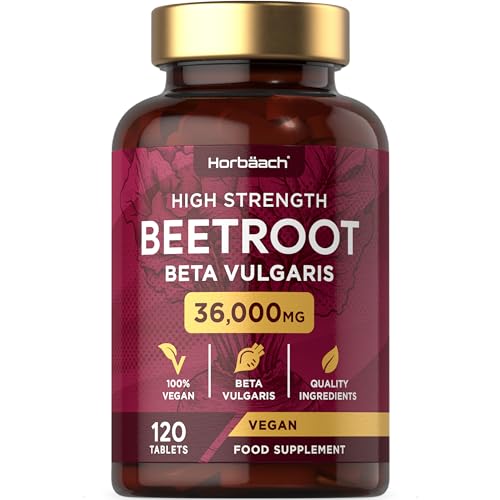
Synergistic Effects on Health
The combination of beetroot and wheatgrass powders can have synergistic effects on various aspects of health.
Beetroot’s ability to improve blood circulation complements wheatgrass’s detoxifying properties, resulting in a more efficient removal of toxins from the body.
Additionally, the vitamin C in beetroot powder enhances the absorption of iron from wheatgrass, making it a potent blend for combating anemia and boosting overall vitality.
Flavor Profiles and Nutrient Density
While beetroot powder adds a subtle earthy sweetness to the blend, wheatgrass powder contributes a grassy and slightly bitter flavor.
Pairing these contrasting tastes can lead to a well-balanced and complex flavor profile in your creations.

Moreover, the nutrient density of this blend ensures that you are not only satisfying your taste buds but also nourishing your body with essential vitamins, minerals, and antioxidants.
Conclusion: A Tapestry of Nutritional Brilliance
In the realm of superfoods, beetroot powder and wheatgrass powder stand out as vibrant expressions of nature’s nutritional brilliance.
Whether you gravitate towards the earthy sweetness of beetroot or the verdant vitality of wheatgrass, incorporating these powders into your diet can enhance your overall well-being.
By understanding the unique properties, benefits, and potential drawbacks of beetroot and wheatgrass powders, you can embark on a journey towards optimal health and vitality, guided by the power of nature’s wonders.
Benefits of Beetroot Powder:
Beetroot powder is a powerhouse of nutrients, containing high levels of antioxidants, vitamins, and minerals that support various aspects of health.
For example, the pigment betalain found in beetroot has been shown to have anti-inflammatory and detoxifying properties, promoting liver health and reducing oxidative stress in the body.
Additionally, beetroot powder is a good source of nitrates, which can help improve blood flow, lower blood pressure, and enhance exercise performance.
Benefits of Wheatgrass Powder:
Wheatgrass powder is renowned for its concentrated nutrients, including vitamins A, C, and E, as well as essential minerals like iron, magnesium, and calcium.
This green superfood is a potent detoxifier, supporting the body’s natural detoxification processes and aiding in digestion.
Moreover, wheatgrass is alkalizing, helping to balance the body’s pH levels and combat acidity, which is essential for overall health and vitality.
Incorporating Beetroot and Wheatgrass Powders:
There are various creative ways to incorporate beetroot and wheatgrass powders into your daily routine.
You can blend them into smoothies for a nutrient-packed boost, mix them into yogurt or oatmeal for added color and flavor, or even use them in baking recipes to create vibrant and nourishing treats.
Experimenting with different combinations and recipes can make consuming these superfood powders an enjoyable and convenient experience.

Potential Drawbacks and Considerations:
While beetroot and wheatgrass powders offer numerous health benefits, it’s essential to be mindful of potential drawbacks and considerations.
Some individuals may experience digestive issues or allergic reactions to beetroot powder, especially if consumed in large quantities.
Similarly, wheatgrass powder may cause nausea or stomach upset in some people, particularly those with sensitivities to grasses or gluten.
It’s advisable to start with small amounts and observe how your body responds before increasing intake.
Embracing Nature’s Wonders:
By embracing the nutritional brilliance of beetroot and wheatgrass powders, you are tapping into the power of nature’s wonders to nourish your body and enhance your well-being.
These vibrant superfoods offer a spectrum of health-promoting benefits, from antioxidant support to detoxification and alkalizing properties, helping you to optimize your health from the inside out.
With a mindful approach to incorporating these powders into your diet, you can embark on a journey towards holistic wellness and vitality, guided by the gifts of the earth.