The Giants’ New Innings: iPhone 13 vs iPhone 14

The world of technology never sleeps, and giants like Apple perpetually outdo themselves in a relentless quest for innovation.
A classic example is the hot debate on the Internet: iPhone 13 vs.
iPhone 14.
To quench your curiosity, keep reading to gauge the intricate differences between these two devices.
A Brief Recap: The iPhone 13
Recommended to our readers: Click here
First, let’s consider the predecessor in the battle, the iPhone 13.
Apple launched the iPhone 13 in 2021 to widespread acclaim.
Boasting a smaller notch, A15 Bionic chip, and improved battery life, this model was successful in continuing Apple’s momentous stride in the tech world.
Dual-camera system in iPhone 13 and a pro camera system in the Pro models introduced new advancements like Photographic Styles, Cinematic Mode, and ProRes video.
Still, as always with Apple, there’s intense curiosity about what the next upgrade will bring.
The Anticipation: iPhone 14
While the iPhone 14 is still shrouded in speculation, several intriguing leaks and predictions have surfaced.
Some conjecture that, at last, Apple may say goodbye to the notch, replacing it instead with a punch hole design.
Rumors also hint at substantial camera improvements, with a potential 48MP camera unit making headlines.
In terms of processing power, it is expected to house the future-generation A16 Bionic chip for even faster performance.
However, until Apple makes an official confirmation, we can only wait and speculate.
Not Just About Specifications
The discourse around iPhone 13 vs.
iPhone 14 is not merely about specifications, though.
Instead, this debate reflects the evolving consumer needs and expectations in the ever-competitive smartphone market.
It showcases Apple’s ability to constantly stay ahead of the curve with its innovative design and features.
A Thriving Tech Ecosystem
Moreover, Apple is not just about its iPhones; it’s about creating a comprehensive tech ecosystem.
Therefore, understanding the iPhone 13 vs.
iPhone 14 debate requires one to examine peripherals like the Apple Watch, MacBook, and iPads, as these devices are designed to work in harmony.
This context provides a more holistic perspective on what Apple’s upcoming features might have in store.
For example, if Apple further develops cross-device functionalities, the iPhone 14 could bring more to the table than its specifications might suggest.
The Aesthetics vs. Functionality Debate
Finally, it’s also worth noting how the iPhone 13 vs.
iPhone 14 discussion fosters a broader aesthetic versus functionality debate.
While some fans might be enticed by a predicted design overhaul for the iPhone 14, others may prioritize features like increased battery life or improved camera quality.
In this light, the comparison between these two models highlights the varying priorities of
Delving into Design
It’s said, “Design is not just what it looks like and feels like.
Design is how it works.” Apple’s design philosophy is one to admire, tracing a journey of minimalism and utilitarian elegance.
The iPhone 13 series, just like its predecessors, boasts a Ceramic Shield front cover, aluminum frame, and glass back, an ensemble that marries beauty with durability.
On the other hand, rumored declarations surrounding iPhone 14’s design are drawing attention.
One significant speculated change is the removal of the infamous notch, replaced with a punch-hole-atmosphere camera system, an exciting revamp in the making.
The bezels could minimize, ramping up the screen-to-body ratio, making your Candy Crush Saga gaming experience breathtaking.

Exploring the Philosophy of Apple’s Design
Critics and consumers have long admired Apple’s swarm of design innovations for setting the standards in the smartphone industry.
Apple’s design dream centers around making technology more accessible, intuitive, and aesthetically appealing.
The company’s design philosophy bridges functionality with simplicity, an idea that is clearly embodied in the iconic silhouette of an iPhone.
Going beyond the product’s external appearance, Apple also pays rigorous attention to the customer experience, ensuring a seamless interaction with the product.
Ultimately, the company’s pioneering technology exemplifies the notion that great design is about how a product works as much as it looks and feels.
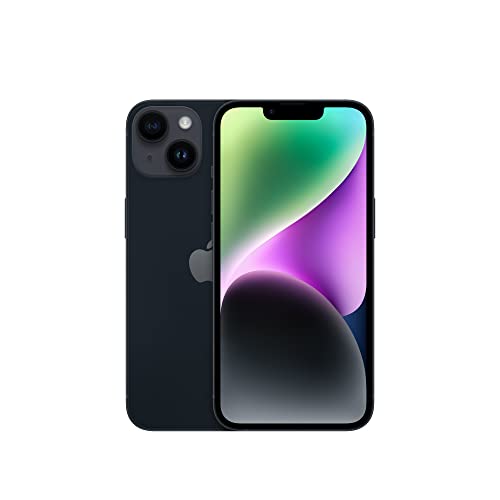
The Revolutionary iPhone 13 design
The iPhone 13, like its predecessors, stands as a shining testament to Apple’s award-winning design principles.
Its sleek exterior, made up of a Ceramic Shield front cover, robust aluminum frame, and intricate glass back, perfectly balances durability with aesthetic elegance.
The design team has put considerable thought into the phone’s ergonomics too, configuring everything from the size to the weight ratio.
This exquisite attention to detail results in a phone that not only looks luxurious but also feels comfortable and substantial in the hand.
Anticipated Design Evolutions: iPhone 14
As consumer devices continually evolve and adapt, Apple continues to chart its course with groundbreaking design transformations.
With the iPhone 14, rumored changes suggest an even more immersive user experience.
One of such anticipated changes is ditching the distinctive notch in favor of a punch-hole atmosphere camera system.
This would offer a step-change in smartphone design and allow almost the entire front surface to become a display screen.
Simultaneously, the size reduction in the bezels promises an increase in the screen-to-body ratio.
This is likely to offer a more immersive visual experience whether consumers are flipping through photos, watching videos, or getting lost in the engrossing world of games.
Games like Candy Crush Saga will appear more vibrant and dynamic, sparking an unparalleled gaming adventure with levels coming to life on the enhanced screen.
Changes like these not only show Apple’s relentless pursuit of design improvement but also its commitment to shaping the future of smartphone technology.
With such remarkable makeovers in design, the iPhone 14 could set new parameters in smartphone aesthetics and functionality, continuing the Apple tradition of leading industry innovation.
The Power Within
Under the hood, Apple’s new gadgets are no less than roaring beasts.
The A15 Bionic chip in iPhone 13 offers 15% better performance and 30% improved power efficiency than its predecessor.
However, embracing the future without delay, the iPhone 14 series is expected to host its successor, the A16 Bionic, promising unmatched performance.
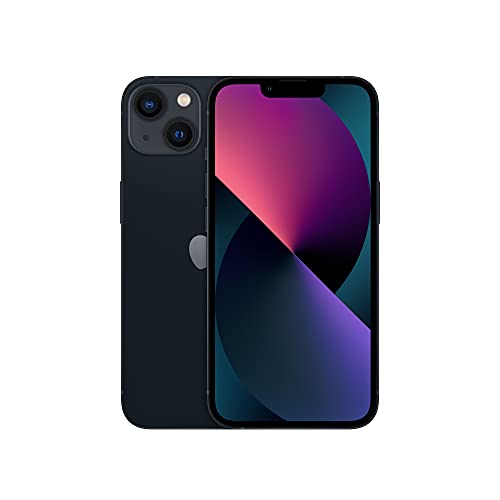
The new Neural Engine and improved GPU in iPhone 14 would, as a result, bring AR capabilities to your fingertips and make seamless multitasking the norm.
Advances in everyday experience such as managing emails, streaming videos, or routing GPS are just a tip of the iceberg.

Unveiling the Beast: A15 Bionic Chip
The A15 Bionic chip, an integral part of Apple’s iPhone 13, has clocked a significant 15% improvement in performance over its previous variant.
This unexpectedly high leap in efficiency not only grants users an enriching experience but maintains a healthy boost in battery life.
Essential tasks such as checking emails, running complex applications, and browsing become speedier, smoother, and more enjoyable.

Furthermore, through a significant 30% improvement in power efficiency, the A15 Bionic chip extends the battery life of devices, ensuring that users don’t find themselves running for chargers midway through the day.
This enhancement in power efficiency is accomplished through intricate chip design by Apple’s top engineers that optimizes workload and energy dissipation across the chipset.
The Future is Now: A16 Bionic Chip
As the industry continues to evolve rapidly, Apple keeps its place upfront by evolving with the tide.
Spearheading this parade into the future is the expected A16 Bionic chip in the upcoming iPhone 14.
Recommended to our readers: Click here
This paramount chip will offer even more improved performance than the A15, opening ways to applications and tasks that were considered impossible for a handheld device only a few years back.
Augmented Reality at Your Fingertips
As part of their vision for the future, Apple’s improved Neural Engine and GPU in the iPhone 14 focus heavily on augmented reality (AR), propelling personal handheld devices into the forefront of this immersive technology.
From virtually trying on clothes to visualizing how new furniture fits in your space, the AR capabilities of iPhone 14 carry the potential to drastically redefine user experience.
Seamless Multitasking: The New Norm
In the modern fast-paced world, the ability to effectively multitask operations is no longer a luxury but a necessity.
Through elevated hardware performance and intelligent resource allocation, iPhone 14 will enrich the multitasking experience.
It will allow users to effortlessly switch between applications, run heavily demanding apps simultaneously, and ensure that the phone does not buckle under pressure—whether it be working on critical projects or just live streaming the latest shows.
Elevating Daily Experiences
Further adding to the charm and usability of iPhone 14 are advances in everyday functionality.

One can expect managing emails, streaming videos, and routing GPS to become even smoother.
A simple task like sorting and sending emails will no longer be strenuous with improved optimization.
The video-streaming experience will likely be more immersive and
Camera Capabilities
Reflecting the adage ‘the best camera is the one you have with you,’ iPhone 13 stepped up the game with Photographic Styles and Cinematic mode.
Now, the Pro Max model even allows macro photography, unheard of in previous iPhone models.
Expectations for iPhone 14 are soaring high with three rear sensors rumored to sport 48 megapixels.
Imagine sharper selfies and 8K videos turning your social media into a trove of mesmerizing shots.

Photographic Styles and Cinematic Mode
The iPhone 13 debuted with Photographic Styles and Cinematic mode, arguably two of the most significant upgrades within Apple’s camera technology arsenal.
The Photographic Styles feature is not a regular filter; it allows users to add a personal touch to their photos by choosing from a variety of style profiles.
Each profile is designed to emphasize specific colors and tones, providing flexibility and control over the overall aesthetic without affecting skin tones.
The Cinematic mode, on the other hand, brings professional-quality depth-of-field techniques to everyday users.
It automatically adjusts the focus while recording videos to highlight subjects or switch between them – just like how focus changes in a Hollywood movie.
This feature effectively handles sophisticated focus transitions, creating a sense of depth and drama in your videos.
Macro Photography with Pro Max Model
iPhone 13 Pro Max’s macro photography capability was indeed a pleasant surprise for iPhone enthusiasts.
Macro photography, a feature formerly only available on professional cameras, lets users capture incredible close-up photos with intricate detail.
Users can now shoot vibrant, precise images of tiny subjects – from the texture on a piece of fabric to the veins of a delicate flower petal – elevating their iPhone photography to new dimensions.
Anticipation for iPhone 14 Camera Capabilities
Given the significant leap with the iPhone 13 camera capabilities, iPhone users eagerly anticipate what the iPhone 14 will bring.
According to rumors, the iPhone 14 could feature three rear sensors, each boasting a whopping 48 megapixels.
While the current iPhone 13 Pro series maxes out at 12 megapixels, imagine the quantum leap in picture quality with 48 megapixels – promises sharper, more detailed photos, perfect for larger prints and detailed cropping.
Moreover, the prospect of 8K video recording offers users the potential to create content with four times the detail of the current top-line 4K standard.
This could turn your social media into a trove of ultra-high-definition, crystal-clear videos that potentially make your posts stand out from the crowd.
The picture painted with these possible enhancements for the iPhone 14 camera capabilities indeed sets the bar high.
The question that remains is, will Apple deliver?
And if they do, they would once again redefine smartphone photography, signaling yet another sizable leap in technology.
But for now, these remain as speculations, with tech enthusiasts waiting eagerly for the actual launch.
The Pros and Cons
Just like Rome was not built in a day, Apple’s inventions are a progress of continuous endeavor, each product hosting a slew of advancements as well as room for improvement.
Recommended to our readers: Click here
Advancements in Apple’s Product Line
Apple Inc.
has become a giant in the tech industry, thanks in large part to its commitment to ongoing innovation and evolution.
For example, the iPhone has seen numerous iterations since its initial launch, each usually building on the success of the last with more powerful processors, enhanced user interfaces, better camera systems, and so on.
The same rings true for Apple’s other products.
The MacBook, for example, redefined what a laptop could be with its slim design and powerful capabilities.
In addition, tech items like the iPad and Apple Watch have emerged as leader in their respective markets, setting high bars for competitors.
Each of these inventions showcase Apple’s capacity for forward-thinking design and functionality, making them perfectly equipped to approach the challenges and opportunities that the ever-changing tech landscape presents.
Room for Improvement
Yet, every advancement doesn’t come without room for improvement.
For instance, many have criticized the iPhone for its continuously rising prices, arguing that the enhancements don’t warrant the increased cost.
In addition, each new release tends to render older models obsolete, which brings about criticism regarding longevity and sustainability.
Apple’s restrictive ecosystem also comes under scrutiny.
Their policy of limiting hardware and software interoperability can frustrate consumers.
While this approach ensures a seamless, in-house experience for users already accustomed to Apple’s ecosystem, it also makes transitioning from other platforms a challenge.
Even though there’s much applause for Apple’s design aesthetics, some users believe other brands offer better performance, better customization, and better prices.
Thus, no matter how advanced and innovative Apple’s products may be, there’s always another side to the coin.
Recommended to our readers: Click here
In conclusion, Apple’s iconic inventions are certainly a testament to the company’s dedication to relentless progress.
However, like all innovations, they come with both pros and cons.
It will be interesting to see how Apple navigates this balance of constant innovation and consumer satisfaction in the future.
The iPhone 13
__Pros__: Improved battery life, A15 Bionic chip, Photographic Styles, and Cinematic mode.
Recommended to our readers: Click here
__Cons__: Design similar to iPhone 12, front notch still present, higher cost for Pro models.

A Deep Dive into The Pros of the iPhone 13
We simply can’t overlook the improved battery life which has always been an area of concern for smartphone users.
The iPhone 13 presents a significant enhancement in this department, enabling users to enjoy more screen time without the constant worry of a dying battery.
This is particularly helpful for people who heavily rely on their phones for work, entertainment, and daily life activities.
Next, the A15 Bionic chip is designed to handle complex tasks better.
This latest chipset from Apple gives the iPhone 13 considerable power and speed.
It is capable of 15.8 trillion operations per second, offering improved performance for gaming, creative projects, augmented reality and more.
Besides raw performance, the chip is very energy efficient which enhances battery longevity.
Furthermore, the Photographic Styles and Cinematic mode features are an absolute delight for photography enthusiasts.
The Photographic Styles feature lets users personalize their iPhone’s camera to match their preferred style and color palette.
It essentially allows a user to create a custom ‘look’ that maintains across different shots.
Additionally, the Cinematic mode offers a depth-of-field effect that brings video recording to an entirely new level.
This feature intentionally blurs the background to highlight the video’s subject, giving the output the quality of a high-end camera.
Understanding the Cons of the iPhone 13
The first point of criticism could be the design, which is quite similar to its predecessor, the iPhone 12.
Users seeking a completely new esthetic might be disappointed.
While the device carries some improvements like a reduced notch, ceramic shield front cover and IP68 water resistance, the overall visual impression remains largely unchanged.
Another sticking point is the front notch, something Apple has retained in the iPhone 13.
It houses the front camera and Face ID sensors but has been a controversial design aspect for several iPhone iterations already.
Critics argue that it interrupts the edge-to-edge screen experience, something most Android flagships have moved away from.
Finally, the cost.
While the base model of the iPhone 13 remains comparatively accessible, the iPhone 13 Pro and iPhone 13 Pro Max are priced significantly higher.
Potential buyers need to evaluate whether the added camera capabilities and ProMotion 120Hz refresh rate justify the additional cost.
It’s worth noting that while the Pro models are expensive, they offer the best Apple has to offer in terms of technology and features.
Thus, the decision to purchase an iPhone 13 could be influenced by individual preferences, specific needs
The iPhone 14
__Pros__: Speculated sleek design, A16 Bionic chip, significant camera improvements.
__Cons__: Notch-less design may affect Face ID, high price.

Pros of the iPhone 14
The forthcoming iPhone 14 has already generated a lot of buzz within the tech industry and among consumers.
One of the speculated prime features of this model is the ‘sleek design.’ While specifics are yet to be unveiled, industry leaks and Apple’s previous design trends suggest a departure from over-used aesthetics and a step towards futuristic, user-friendly style.
This design is also expected to make iPhone 14 more compact, lightweight, and easier to handle.
Stepping up its game, the iPhone 14 is also expected to feature an A16 Bionic chip.
The last model, the iPhone 13, houses the A15 Bionic chip, which already outperforms many devices in the market with its efficient processing and power management.
With the speculated upgrade to an A16 chip, users can anticipate even more impressive performance improvements, potentially resulting in faster app start-up times, seamless multitasking, and stellar power efficiency.
Moreover, the iPhone 14 comes with speculated camera upgrades that are believed to significantly raise the bar for smartphone photography.
While details remain unpublished, industry insiders predict enhancements like improved Night mode, advanced sensor-shift optical image stabilization for more steady shots, and perhaps higher optical zoom options.
Cons of the iPhone 14
Nevertheless, every coin has two sides.
The iPhone 14 doesn’t come without potential negatives.
The much-talked-about notch-less design could mean a revamped or entirely removed Face ID system.
Recommended to our readers: Click here
Apple’s Face ID, introduced with the iPhone X, has been a benchmark for secure biometric authentication.
Changes to this system might not be welcomed by all users, especially if it means a compromise on security or convenience.
Apart from these, the iPhone 14 would likely come with a high price tag.
As with newer models of any technology with advanced features and improvements, a spike in cost is expected.
While this price point may be justified by the significant upgrades and cutting-edge design, it might also be a barrier for many consumers, forcing them to explore other options in the competitive smartphone market.
Indeed, while the speculated specs of the iPhone 14 are thrilling, its definite pros and cons will only be clear once it hits the market.
iPhone 13 vs. iPhone 14: The Verdict
| Feature | iPhone 13 | iPhone 14 |
|---|---|---|
| Design | Similar to iPhone 12 | Predicted notch-less façade |
| Performance | Boosted by A15 Bionic | Expected A16 Bionic |
| Camera | Substantial upgrades | Predicted 48 megapixels |
The debate of iPhone 13 vs.
iPhone 14 translates into a choice between the present marvel and the future spectacle.
Those unwilling to wait might find the robust performance of iPhone 13 well worth their while.
Yet, for those daring to ride the wave of conjecture, iPhone 14 seems to host promise aplenty.
So, whether you wish to indulge in the present or wait for future brilliance, only time will tell which giant reigns supreme in the battle of technology.
However, it is clear – once an iPhone, it’s hard to be just a phone.
Decoding the Design
The design of an iPhone typically holds sizable weight when it comes to consumer decisions.
The iPhone 13 follows its predecessor, the iPhone 12, wielding a similar flat-edge design that harks back to the iPhone 5s era.
Yet, the 13 stands unique with its slightly smaller notch, redesigned rear camera layout, and exciting new color variants.
As for the iPhone 14, rumors point towards a groundbreaking notch-less face.
This suggests Apple might introduce a full-screen display, potentially with the fingerprint sensor embedded under the screen or moved to the power button.
All these planned changes hint at an aesthetic revolution that could take the smartphone industry by storm.
Performance Perusal
The performance of an iPhone is often entangled with its chip capacity.
The iPhone 13 leverages Apple’s A15 Bionic chipset, which promises smooth operations and superior task management.
Accelerated ML tasks, intense graphic performances, and AI applications are all enhanced with the strength of this chip.
In comparison, the iPhone 14 is expected to house the A16 Bionic chip, the successor to the A15 Bionic.
While specific details remain under wraps, the predicted performance of the A16 Bionic promises to further the computational and graphical prowess demonstrated by its predecessor.
Camera Capabilities
Apple usually brings notable upgrades to the camera system with each new iPhone release.
The iPhone 13 is no exception, featuring sensor-shift optical image stabilization and an exceptional Night mode.
The Photographic Styles and Cinematic mode add on to emphasize the significance of innovation here.
Yet, rumors swirling around the iPhone 14 center on a super-powerful 48-megapixel camera – a leap from the 12-megapixels seen in recent models.
This could mean remarkably detailed photos and ultrahigh-resolution video recording, outshining previous models by a considerable margin.
In a nutshell, both upcoming and current iPhones offer a different spectrum of surprises.
While the iPhone 13 champions the advances of the present, the iPhone 14 articulates the potential of the future.
In addition, Apple’s firm commitment to innovation and improvement manifests itself with each model, drawing a line of progression from the first iPhone to the rumored iPhone 14.
Thus, ultimately, the choice for consumers likely rests, not merely on the specifications, but on their personal preferences, patience, and perception of these technological marvels.