Introduction
Music is the universal language that speaks directly to our souls.
Whether it’s David Bowie’s “Space Oddity,” Mozart’s “Eine Kleine Nachtmusik,” or the latest top pop hit, we all have those songs that take us to places no other medium can.
Yet, engaging with our music to its fullest potential requires the right accessories—chiefly, the right type of headphones.
The modern listener often finds themselves at a crossroads: noise-canceling headphones vs.
regular headphones, which is better?

Decoding the ‘Universal Language’
Music, with a wide range of genres and styles from various cultures and epochs, stands as a testament to its universal appeal.
You can immerse yourself in Vivaldi’s vibrant violin concertos, swaying to the rhythm of Afrobeat funk, or lose yourself in the labyrinthine lyrical depth of contemporary rap.
Every genre serves its unique narrative, often reflecting the culture and zeitgeist of its origins.

Emotional Resonance in Music
Music’s ability to stimulate our emotions is unparalleled; it can elevate our mood during cheerful moments, provide solace in times of distress, and even stimulate productivity.
For instance, the melodic strains of a beloved lullaby or the robust notes in an uplifting pop song can trigger fond memories or provide a much-needed surge of optimism.
Music Appreciation through the Ages
Historically, the modes of music consumption have evolved significantly, from live performances in royal courts and town squares to vinyl records, cassettes, CDs, and now digital streaming platforms.
Each progression has aimed at enhancing the reach and experience of music, democratizing access, and amplifying its impact.
The Role of Headphones in Music Consumption
On the surface, headphones may merely appear as a technological device facilitating private listening.
However, they are much more than that – they are an individual’s passport to the magical world of rhythms and rhymes.
They make music a personal journey, where individuals can explore and engage with soundscapes at their pace and preference, without external interruptions.
Noise-canceling Headphones Vs. Regular Headphones: A Debated Choice
The advanced listener of today finds themselves in the middle of an enduring debate – the choice between noise-canceling headphones and regular headphones.
Noise-canceling headphones employ sophisticated technology to filter out ambient sound, providing an immersive experience.
On the other hand, regular headphones, while less effective at blocking background noise, are generally more affordable and less draining on battery life.
The preferences often boil down to individual requirements: Do you prioritize sound isolation or cost and simplicity?
Finding the Right Tune in a Plethora of Choices
The beauty of music lies in its diversity and its ability to resonate differently with each listener.
Recommended to our readers: Click here
Similarly, the choice of headphones should mirror one’s lifestyle, listening habits, and economic preferences.
As society continues to innovate, we can only expect the possibilities for immersive music enjoyment to broaden and deepen in the future.
The Science of Sound
Understanding the dichotomy of noise-canceling and regular headphones requires rudimentary knowledge of how they function.
In essence, all headphones use an electromagnet to create-vibrations–transformed into sound waves within the human ear—producing those fantastic songs we so enjoy.
However, noise-canceling headphones employ more sophisticated technology.
They use an external microphone to capture ambient noise, which they then neutralize by creating inverse sound waves.
 This graph showcases how the technology creates a ‘silence’ effect.
The Fundamentals of Headphone Function
Both noise-canceling and regular headphones operate under the fundamental principle of converting electrical energy into acoustic energy.
This is done through the utilization of an electromagnet, a component found in the headphones’ speaker.
In its fundamental nature, an electromagnet comprises a coil of wire through which an electrical current is passed.
This current’s flow causes the coil to become magnetized, thereby vibrating the connected diaphragm.
It is these rapid vibrations that are ultimately transformed into sound waves, resonating in our ears as the melodious tunes we so passionately indulge in.
Normal Headphones vs. Noise-canceling Headphones: Distinction in Design
On a superficial level, regular and noise-canceling headphones may appear identical, but their internal design and function contrast dramatically.
Your everyday headphones allow ambient noise to mix freely with your audio content giving you a sense of your surrounding environment even while you listen to your favorite tracks.
This feature may be ideal for those who use headphones while commuting or in environments where complete noise isolation could be dangerous, like jogging on a busy road.
The Sophisticated Technology Behind Noise-Canceling Headphones
Noise-canceling headphones, on the other hand, are designed to provide a serene, undisturbed auditory experience by blotting out unwanted ambient sound––and to achieve this, they employ a more complex, innovative technology.
As described succinctly in the original text, noise-canceling headphones are equipped with external microphones that constantly monitor environmental noise.
But what happens to these captured sounds?
They are not merely blocked out, which would simply result in mere attenuation of the unwanted sounds.
Instead, the headphones generate what’s known as antiphase or inverse sound waves.
The Magic of Inverse Sound Waves
Imagine two waves of the same frequency, peaking at the same points, but one is inverted.
Recommended to our readers: Click here
The peak of one wave coincides with the trough of the other, effectively canceling each other out when combined.
This phenomenon, known as destructive interference, is the principle behind the noise cancellation achieved in these headphones.
The external microphone in the headphones captures the environmental noise and the headphone’s software quickly calculates the inverse sound wave of the caught noise and releases it through the speakers, creating a near-silent environment for the user.
The graph included with the article illustrates this process perfectly, showing how the original sound wave and the generated inverse sound wave combine, effectively ‘flattening’ the wave and creating the ‘silence
Riding the Sound Waves: A Personalized Experience
Regular, or passive, headphones don’t attempt to eliminate the sound around you; they merely try to muffle it using insulating materials.
On the other hand, active noise-canceling headphones endeavor to create a bubble of silence around your ears.
Recommended to our readers: Click here

Everyone’s hearing is as unique as a fingerprint, and anecdotes abound regarding which headphone type provides the most rewarding experience.
For example, Joe, a web designer from New Jersey, swears by his noise-canceling headphones, citing their ability to block out the sound of his bustling household and allow him to focus on his work.
Conversely, Maria, a college student from Texas, prefers regular headphones, insisting that she values environmental awareness while listening to her favorite tunes during her campus walks.
Unpacking Passive Headphones
Passive headphones work on a simple principle: insulation from external noise.
They often feature ear cups designed to fully cover your ears, forming a physical barrier between your ear and the surrounding environment.
This method of ‘sound segregation’ can be surprisingly effective, especially in quiet to moderate noise levels.
For some, passive headphones offer enough muffling to make their music, podcast, or audiobook an immersive experience.
They are also often more affordable and require less power, making them a solid option for those on a budget or without easy access to constant charging.
Yet, passive headphones may struggle in loud environments, like bustling cities or rowdy homes, where they may not quite provide the refuge of silence some users seek.
As we see with Maria from Texas, the inability to completely cut off from surrounding noise can also be seen as a positive, providing her a sense of comfort and increased awareness of her surroundings.
Unleashing the Power of Active Noise-Canceling Headphones
Active noise-canceling (ANC) headphones take the sound blackout a step further.
They employ sophisticated technology that involves microphones picking up the ambient noise, creating an opposite sound wave to cancel out the unwanted noise – neutralizing it before reaching your ears.
This can create what feels like a bubble of silence, an oasis of calm in the midst of chaos – even in bustling households like Joe’s in New Jersey.

Praise for ANC headphones often centers on their ability to boost productivity by minimizing distractions, as Joe attests.
They can be a godsend for frequent travelers, too, who wish to block the constant drone of plane or train engines on long journeys.
The downside is that ANC headphones usually need charging due to their power-consuming noise cancellation feature.
Their high-end technology also makes them more expensive than regular, passive headphones.
Finding the Perfect Harmony
In conclusion, both passive and active noise-canceling headphones have their strengths and weaknesses, which become evident depending on the listener’s unique needs and environment.
While Joe finds his sanctuary in the silence provided by ANC headphones, Maria enjoys the social safety enabled by the partial noise reduction of regular headphones.
In a world where our hearing experience is as unique as our fingerprints, the ‘perfect’ headphone type doesn’t exist universally.
Instead, it varies person by person, context by context.
After all, in music as in life, it’s all about finding your personalized harmony.
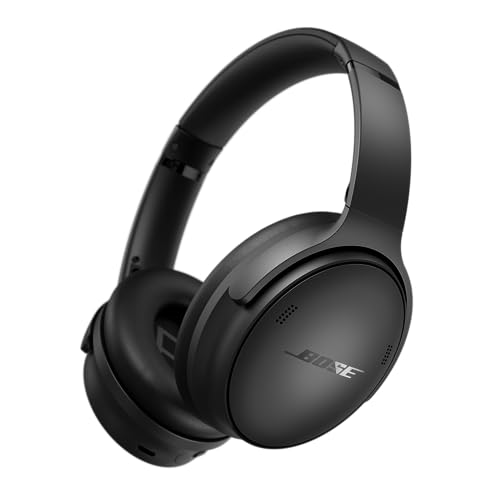
Pros and Cons
The preference between noise-canceling and regular headphones boils down to an individual’s needs, environment, and personal tastes.
Here are the key pros and cons of each type:
Understanding Individual’s Needs:
When discussing the pros and cons of noise-canceling and regular headphones, it is crucial to underline the impact of an individual’s requirements.
For instance, a sound engineer working in a recording studio would certainly benefit more from regular headphones, given their superior capability to reproduce high fidelity sound without any artificial sound processing that could possibly distort the sound.
Conversely, a corporate professional who frequently works in busy environments or travels might prefer noise-canceling headphones, since these can efficiently block out background noise and allow the user to focus on work or enjoy a peaceful journey.
Environment Considerations:
The environment in which the headphones will be used is another determinant of preference.
For example, those living in bustling urban zones rife with constant noise may find noise-canceling headphones a godsend as these can provide an oasis of tranquility amidst chaos.
Similarly, for individuals who spend extensive hours in long-haul flights, noise-canceling headphones can be crucial in eliminating cabin noise and creating a conducive environment for sleep or relaxation.
On the other hand, if you often work in quiet, controlled surroundings such as a personal workspace or if you’re an audiophile who prefers raw, unadulterated sound, regular headphones would be the optimal choice.
Considering Personal Tastes:
Finally, personal tastes play an indispensable role in choosing one’s ideal type of headphones.
Some audio purists argue that noise-canceling headphones, while effective at mute environmental noise, often diminish sound quality by injecting an anti-noise signal.
These purists might prefer traditional headphones that deliver a more natural sound.
Meanwhile, some might be unfazed by the minor drawbacks of noise-canceling technology, appreciating more its offerings of seclusion from the unwanted noise of surroundings.
Weighing the Key Pros and Cons:
Consider the pros and cons carefully.
Regular headphones generally offer better sound quality, longevity (since there’s no need for power to function), and are often less expensive.
However, their inability to block out ambient noise could be a deal-breaker for some.
On the other hand, noise-canceling headphones excel at isolating the listener from environment noise, provide immersion into music or tasks without any distractions, but require a power source- usually a rechargeable battery, and could be on the pricier side.
Further, some people may find the sensation of pressure (caused by noise-cancellation) discomforting.
In conclusion, while weighing the pros and cons between noise-canceling and regular headphones,
Noise-canceling headphones
* Pro: Great at cancelling out low-frequency noises
* Pro: Ideal for commutes and busy environments
* Con: Often more expensive
* Con: Some listeners report a sensation of ‘headphone pressure’
Pro: Great at Cancelling Out Low-Frequency Noises
One of the main benefits tied to noise-canceling headphones is their proficiency in cancelling out low-frequency noises.
This makes them highly suitable for those who are regularly exposed to sounds such as the hum of an airplane engine, traffic noises, or the general buzz of a busy office.
Recommended to our readers: Click here
In particular, these kinds of sounds are notoriously difficult to drown out using standard headphones.
Noise-canceling headphones, however, are engineered with special technology that can actively identify and cancel these sounds, contributing to a more serene and distraction-free listening experience.
Pro: Ideal for Commutes and Busy Environments
If you often find yourself in noisy settings, you’ll appreciate the noise-isolation capabilities of these headphones.
They work wonders in a variety of circumstances, from daily commuting in public transportation, where the clamor of chatter and vehicle noise can be overwhelming, to bustling work environments or crowded public spaces.
Carrying noise-canceling headphones can offer respite and make it easier for you to focus on your music, audiobook, or podcast, without being agitated by the world’s cacophony.
Con: Often More Expensive
Despite the various benefits, one major drawback of noise-canceling headphones is their cost.
They’re typically more pricey compared to their standard counterparts, primarily due to the sophisticated noise cancellation technology they incorporate.
Not only does this consist of the tech to actively filter out noise, but also additional battery power to sustain this feature.
Thus, potential buyers need to weigh the high price against the added value of superior sound quality and noise isolation before making a purchase.
Con: Some Listeners Report a Sensation of ‘Headphone Pressure’
Another con associated with noise-canceling headphones is the reported sensation of ‘headphone pressure’.
Some users experience an odd sensation of pressure or tightness in their ears when using these devices – almost as though they are in high altitude or underwater.
This is often perceived as an uncomfortable experience and can even lead to mild dizziness in some cases.
Although this is not universally experienced and might decline over time or with frequent usage, it’s a factor worth considering if you’re planning to invest in noise-canceling headphones.
Regular headphones
* Pro: Cheaper
* Pro: Allows some ambient noise to keep listeners aware of their environment
* Con: Insufficient for loud environments
* Con: Lower sound quality compared to noise-canceling headphones
Affordable option for everyday users
Regular headphones are generally less expensive than their noise-canceling counterparts.
This makes them an affordable option for most users who may not wish to invest heavily in high-end headphones.
They offer reasonable sound quality that caters to the basic daily needs of regular listeners.
The price range varies widely, accommodating budget limitations of students to professionals.
Affordable does not always mean cheap – many well-known audio companies manufacture high-quality regular headphones at a lower price point, allowing users to enjoy their favorite music without breaking the bank.
Recommended to our readers: Click here
Maintaining ambient awareness
These headphones are not designed to isolate the user from their environment completely.
They allow a certain amount of ambient noise which can be valuable for safety and awareness, particularly in public settings.
For example, if you’re listening to music while walking down a busy street or waiting for an announcement at the airport, you will still be able to hear important environmental sounds.
This open design aids in preventing accidents and ensures you don’t miss out on necessary auditory cues from your surroundings.
Not suited for loud environments
However, regular headphones are not optimal when used in loud environments.
They are insufficient for drowning out loud noises in places like a crowded bus, bustling café, or noisy workplace.
This means that in these types of environments, you’re likely to have a less enjoyable listening experience due to the interference of external noises.
Therefore, they might not be an ideal choice for users who frequent noisy environments and wish to completely immerse themselves in their audio content.
Comparatively lower sound quality
While they are cheaper and allow ambient noise for increased safety, regular headphones usually fall short in providing the superior audio experience that noise-canceling headphones offer.
If you’re an audiophile who enjoys every subtle note and tone or a professional who relies heavily on sound quality, regular headphones might leave you wanting more.
Although advancements in audio technology have improved their sound quality over the years, they still can’t match the sound isolation and rich audio experience provided by high-quality noise-canceling headphones.
Therefore, while regular headphones serve well for daily, casual use, for a truly immersive sound experience, one might have to look at higher-end, noise-canceling options.
Key Features and Reviews
| Feature | Noise-canceling Headphones | Regular Headphones |
|---|---|---|
| Sound Quality | Excellent, with the ability to render crystal clear high and middle frequency sounds. | Good, but ambient noises sometimes interfere with sound. |
| Price | Generally expensive, yet value for money given their advanced technology. | More affordable, catering to every budget. |
| Variety | Wide range of models, providing options for every lifestyle | Immense selection, including over-ear, on-ear, and in-ear designs. |
Sound Quality
There is a significant difference in the Sound Quality offered by noise-canceling headphones and regular headphones.
Noise-canceling headphones use sophisticated technology that actively minimizes ambient noise.
This technology, in combination with high-quality components, ensures an excellent sound experience.
They are excellent at providing a crystal clear sound quality for high and middle frequency sounds.
It’s like being in a private concert where the sound has been tuned explicitly for your ears, providing listeners with an immersive experience.
Recommended to our readers: Click here
On the other hand, regular headphones deliver a decent sound quality that most consumers find suitable for day-to-day use, such as listening to music, making calls, or watching videos.
However, they lack the advanced technology to cancel out ambient noise, which can interfere with the listening experience, especially in busy or noisy environments.
Price
There’s no denying that the affordability of regular headphones is a major selling point.
These headphones are accessible to a broad market segment, catering to every budget.
They are an excellent choice for those who want a functional, good quality headphone without breaking the bank.
However, noise-canceling headphones, with their advanced technology, sit at a higher price point.
Despite the generally more expensive tag, they offer value for money because they provide a significant upgrade in sound quality, a distinct reduction in background noise, and an overall enhanced listening experience.
The price often reflects the robust build, unique features, and durability of the product.
Variety
In terms of variety, both regular and noise-canceling headphones have a lot to offer.
There is a wide range of models of noise-canceling headphones, each designed to suit different lifestyles.
Some models are specifically designed for home use, while others for travel, and some are even tailored for professional sound engineers and DJs.
Standout features like wireless connectivity, integrated microphones, touch-sensitive controls, and long-lasting battery life further enhance their functionality.
Regular headphones are not left behind in providing variety, as they offer customer an immense selection to choose from.
These include over-ear designs that cover the entire ear, on-ear models that rest on them, and in-ear designs that fit inside the ear canal.
Each design comes with its advantages, and they cater to the various sound needs and comfort preferences of users.
Regular headphones also come in wired and wireless versions, further extending consumers’ choices.
Conclusion
Noise-canceling vs.
regular headphones—it’s not a case of ‘which is better overall,’ but ‘which is better for you.’ Nature lovers might lean towards regular headphones to stay attuned to their surroundings.
In contrast, frequent commuters might favor noise-canceling headphones to carve out peace amid the chaos.
Ultimately, whether the headphones are blocking out the world’s noise or letting a part of it seep in, your headphone choice should make your favorite music sound all the sweeter.
Comparing the Functions: Sound Quality and Noise Isolation
When it comes to noise-canceling headphones, one of the biggest advantages is their ability to isolate external noise.
This can be a helpful characteristic if you often find yourself in noisy environments like airport terminals, bustling city streets, crowded public transport, or open offices.
These headphones use active noise-cancellation technology, a mechanism that essentially produces noise-canceling waves to counteract external sounds.
However, the attenuation of environmental sounds compliments regular headphones too.
With no noise cancellation technology at play, regular headphones provide a level of natural background noise that can be perceived as a certain depth to your audio experience, especially for acoustic genres.
Plus, they can provide a more dynamic range of sound reproduction.
Individual Preferences and Situations
Naturally, your personal preference and the situations you typically find yourself in play crucial roles in choosing between noise-canceling and regular headphones.
For instance, audiophiles, who crave unaltered sound reproduction, may favor regular headphones for their more natural sound quality.
On the other hand, students studying in noisy dormitories or professionals working in loud office spaces might be more inclined to purchase noise-canceling headphones to create a more focused and isolated space for their work.
Balancing Comfort and Quality
The physical comfort while wearing headphones is another crucial factor to consider.
Noise-canceling headphones are generally heavier due to the additional components required for noise cancellation.
Therefore, they might be less comfortable to wear for extended periods.
Regular headphones, on the other hand, tend to be lighter, making them an excellent choice for long listening sessions.
Nonetheless, it’s worth noting that advancements in technology are minimizing these disadvantages.
For example, high-end noise-canceling headphones now incorporate features to improve comfort and the overall listening experience without compromising on sound quality.
The Influence of Price
It’s also important not to overlook the matter of price.
As a rule of thumb, noise-canceling headphones tend to be more expensive due to their complex technology.
While affordable models do exist, they may be unable to fully eradicate ambient noise.
Conversely, regular headphones, except for some high-end models, are cheaper and more accessible to the average consumer.
Of course, a higher price point doesn’t guarantee a better product.
The key lies in understanding how each type of headphone supports your lifestyle, personal preferences, and of course, budget constraints.
In conclusion, choosing between noise-canceling and regular headphones is not a debate of better or worse but personal choice.