Introduction: The Sonic Battlefield
In the age of lightning-fast technological advances, the humble earbud has undergone a transformative journey.
From its inception as a wired necessity, the earbud has leaped into the wireless realm.
Today, an often-debated query revolves around sound quality — which of these delivers the best auditory experience: wired or wireless earbuds?
Through the lens of science and personal anecdotes, as well as the perspectives of audiophiles and tech enthusiasts, this article dives into this persistent question.
The Journey of Earbuds: Transformations and Innovations
Emerging as a modest device wired to music players or radios, earbuds were initially seen as a tool to escape the confines of the written word, an access channel to melodies and rhythms.
The evolution of earbuds from their standard, wired version to the sleek, wireless models of today stands as a testament to the relentless innovation in audiology and technology.
Earbuds have transformed into a versatile, multifunctional device as they continue to adapt to our changing needs.
This journey from wired to wireless has not merely been about convenience, but also about enhancing sound quality, increasing usability, and improving on a design that fits our ears better.
The wired version, while being restricted by tangled cords and the need for a hardware connector, set the path for earbud evolution by providing high-quality audio.
Yet, the leap into the wireless realm has provided earbuds with much-needed mobility, making them the preferred choice for exercising, commuting, or during any type of movement-oriented tasks.
Sounds of the Debate: Wired vs Wireless
The maturation of earbuds raises an interesting, often-heated discussion – which of the two versions, wired or wireless, offers a superior auditory experience?
Some argue that a direct, hardwired connection to the audio device can deliver a richer, more immersive sound.
Others propose that wireless earbuds, with their emerging technologies such as Bluetooth 5.0, active noise cancellation, and built-in equalizers, can provide a sound quality on par with or even surpassing their wired counterparts.
The Analytical Lenses: Expert Opinions and User Experiences
Peering at this debate through a scientific lens, one might consider factors such as sound latency, quality of audio codecs, and frequency spectrum.
Personal anecdotes and user experiences, on the other hand, present a varied range of preferences that often revolve around convenience, aesthetics, and perceived sound quality.
Audiophiles, with their keen ear for subtleties in sound, and tech enthusiasts, who delight in the rapid advancements in earbud technology, provide important perspectives on this topic.
This is not solely a question of sound fidelity or technological prowess, but one that interweaves our cultural practices, personal tastes, and the human desire for unhampered, incessant sound experience.
The journey of analysis, though complex, puts us on the path to discover: Are we headed toward a future where
Section 1: The Evolution of Earbuds
According to Plato, necessity is the mother of invention.
This rings true in the evolution of earbuds.
Wired earbuds were born out of the necessity to privately immerse oneself in the audio waves while respecting the mutual harmony of occupied environments.
However, with the incessant wave of technological enhancements came the advent of wireless earbuds, ejecting us from the so-called ‘wired nuisance’.
Longing for Personal Space: Wired Earbuds
The dawn of wired earbuds forever revolutionized the personal audio experience.
Before their development, individuals sharing a room were often confined to the same auditory realm.
Everyone in a room essentially had to agree on what they planned to listen to, be it music, a radio broadcast, or a film.
This lack of audio autonomy was not conducive to individual preference or tasks needing individual concentration, thereby encouraging the advent of personal audio devices such as wired earbuds.
Earbuds allowed for people to immerse themselves in their own world of audio.
They provided the freedom to listen to an audio book, private conversation, or a preferred music playlist without disrupting the peace, productivity or preference of those around.
Public places like libraries, offices, and shared living spaces now saw fewer disputes over audio control.
Breaking Free from the Chains: Wireless Earbuds
However brilliant the wired earbuds were, they had their limitations.
The number one issue was the wire itself.
In scenarios like physical activities, the dangling wires became a major nuisance.
Furthermore, the wire was constricting and susceptible to easy damage, hence restraining the natural movement of the listener.
This ongoing challenge laid the groundwork for the next phase of the evolution: wireless earbuds.
Embracing the boom of wireless telecommunications, inventors realized that Bluetooth technology could be utilized to eliminate the wire between the audio device and the earbuds.
Wireless earbuds offered the benefits of personal audio listening without the constraints of the wire.
Presently, wireless earbuds have not only become a luxury but a necessity due to their convenience and functionality.
Innovations continue to be made, such as earbuds with an integrated microphone for call filtering and digital assistant support, noise-cancelling capabilities to create an even more immersive audio experience or health monitoring features like heart rate sensor and sleep tracking.
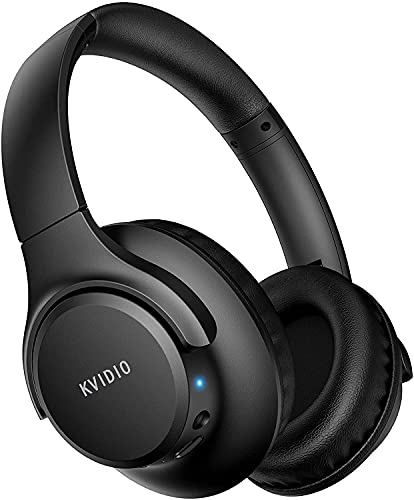
It is remarkable how the humble earbud has reflected society’s relentless quest for audio comfort and personal convenience.
From its initial invention as a wired device to its latest wireless forms, the earbud will continue to evolve in unpredictable ways as we strive to perfect our personal audio experiences.
Ultimately, Plato’s adage holds true even in the age of technological development – necessity indeed pushes us to create better and more convenient forms of technology.
Section 2: Decoding the Auditory Science
Central to our comparative study is the understanding of sound transmission, a transmogrification of energy from electrical signals into auditory sensation.
Wired earbuds connect directly to the audio source and transfer raw, unaltered signals.
Comparatively, wireless earbuds receive digitally compressed audio data, which could play a pivotal role in sound quality disparity.
One key measure in deciphering sound quality is bit rates, defined as the number of bits processed per unit of time.
Wired earbuds rely on high-speed copper wire, ensuring transmission of audio data at high bit rates.
In contrast, wireless earbuds rely on Bluetooth transmission, which inherently involves digital compression and might suffer from potential signal interruptions, leading to a dip in bit rates.
Understanding Sound Transmission
Sound transmission, at its core, is an intricate process of energy conversion from one state to another.
When we talk about wired earbuds, they are directly connected to the audio source (let’s say, your mobile phone or iPod) using a cable.
Here, audio data is sent as an electrical signal through the cable from the source to the earbuds, where it’s ultimately converted into sound.
In other words, the cable’s purpose is to transfer these electrical signals without any interference, ensuring the audio’s clarity and precision.
Recommended to our readers: Click here
On the other hand, wireless earbuds don’t have a physical medium for audio data transmission.
Instead, they employ advanced technologies like Bluetooth or Wi-Fi to receive audio data.
However, due to limited bandwidth and to speed up the transmission process, the data is usually digitally compressed before being sent.
In other words, the original file is shrunk to a more manageable size for rapid transmission but potentially at the cost of some audio details.
Role of Bit Rates in Sound Quality

Bit rate is essentially the number of bits (the smallest units of data) processed each second, typically measured in kilobits per second (Kbps) or megabits per second (Mbps).
You could think of it like a highway – the more lanes there are (the higher the bit rate), the more cars (data) can travel at the same time without traffic congestion (delay).
For example, wired earbuds that utilize a high-speed copper wire can transmit more data with less delay, leading to better sound quality.
The wide “highway” allows for more detailed information about the sound to be sent and received, contributing to richer and clearer audio.
In comparison, wireless earbuds need to balance both data transmission and battery conservation, which can limit information transferred and result in compromised audio quality.
Drawbacks of Digital Compression and Potential Signal Interruptions in Wireless Tech
When it comes to wireless earbud technology, certain challenges come to light.

The primary one being digital compression: as audio files are compressed to maintain quick transfer of data through the limited bandwidth available, certain details from the audio may be lost in the process of compression and decompression.
This is often unnoticeable, but for audiophiles, any loss of detail can compromise the overall listening experience.
Moreover, the wireless tech is subject to potential signal interruptions, which might drastically affect the bit rate.
This could be due to multiple reasons like distance from the
The Case of the Latency Monster
In an era where the virtual world is seemingly shrinking time and space, latency remains a dreaded monster.
Latency indicates the delay between an audio signal being produced and subsequently heard.
Wired earbuds, due to their direct connection, suffer from nearly no latency.
However, wireless earbuds, due to potential signal interference and their inherent data processing needs, may display perceptible levels of latency, which could be detrimental for gamers and professional musicians.
Understanding Latency: The Irritant in Our Digital Era
Latency, often described as lag, is one’s enemy in the digital realm.
As the environment becomes increasingly reliant on real-time interaction, any form of delay can lead to significant perceived lapses.
Latency has particular implications in the audio field, affecting the synchronization between the visual and audio elements during video playback, gaming or live sound performances.
The Upside of Wired Earbuds
Wired earbuds hold a decisive advantage over their wireless counterparts when it comes to latency.
The wire creates a direct physical link between the audio source and device, allowing data to transit without facing the hurdles of airwave congestion or signal interference.
Every wire comes with a different thickness or material, and these differences also play a role in latency, but overall, the delay experienced is almost negligible, making them a preferred choice for audiophiles, gamers, and professional musicians.
The Shortcomings of Wireless Earbuds
Wireless earbuds, despite their numerous benefits, are susceptible to latency.
The absence of a physical connection obliges these devices to rely on Bluetooth technology or radio frequency for data transmission.
These means of data transmission, although convenient, introduce processing times that result in perceivable delays.
Bluetooth technology, for example, requires a process of ‘encoding’ signals and ‘decoding’ them at the receiving end.
Factors such as the distance between the audio source and the earbuds, the presence of physical barriers, and even the frequency of other wireless devices can lead to disruptions or delays in this cycle— all contributing to the “Latency Monster”.
Latency: The Gamers and Musicians’ Nightmare
Latency matters immensely for uses where timing is of the essence, like gaming or playing music.
For gamers, a split-second delay between the visuals on the screen and the accompanying audio can mean the difference between victory and loss.
It could lead to missed cues and disrupted coordination, rendering certain games virtually unplayable.
For musicians, particularly those who utilize electronic music instruments or perform live using digital audio workstations, latency can throw the entire performance off the beat.
In a professional context, even a small amount of latency can lead to an unsatisfactory recording or a less than perfect live performance.
To tackle these issues, the tech industry is endlessly striving to reduce latency in wireless technology — an ongoing mission to cage the ‘Latency Monster’.
New technologies, such as Bluetooth 5.
Section 3: The User Experience
Beyond the digital realm of bit rates and latencies, the crux of the wired versus wireless debate also dwells in real-world user experience.
In this duet, comfort and freedom play a prominent role over pure audiophile considerations.
Wireless earbuds promise a liberation from the wired labyrinth and generally offer a more aesthetic design, often replete with a compact charging box exhibiting futuristic features.

The Comfort Factor in User Experience
One of the most significant aspects of the user experience when it comes to earbuds is comfort.
This entails not just how the earbuds feel when inserted into the user’s ears but also how easy they are to use on a daily basis.
Traditional wired earbuds, while known for their reliability and sound quality, often fall short in this area.
Users must deal with tangled wires, securing them to their devices, and the limitation of being tethered to a specific location while using them.
On the other hand, wireless earbuds redefine convenience.
They are specifically designed to ensure maximum comfort for the user.
The elimination of wires means users can move freely while using wireless earbuds.
This level of ease and flexibility is indeed a game-changer, especially for individuals who are on-the-go or indulge in intensive physical activities, such as sports or workouts, while listening to music or podcasts.
Freedom: The Core of the Wireless Promise
The promise of freedom is another crucial aspect of the user experience wireless earbuds deliver.
This goes beyond just the absence of wires and extends to functionalities that make the user’s life easier.
For instance, most wireless earbuds come equipped with touch or voice commands, allowing users to control their music or answer calls without needing to reach for their device.
This convenience is unparalleled and forms a significant part of the appeal of wireless earbuds.
Moreover, by utilizing Bluetooth technology, wireless earbuds can connect seamlessly with various devices, including smartphones, tablets, laptops, and smartwatches.
This multi-device connectivity gives users the flexibility to switch between different gadgets according to their needs.
Futuristic Design and Features
Wireless earbuds’ design also contributes significantly to their appeal.
Most are stylishly crafted, lightweight, and often come with a sleek charging case that doubles as a protective shell.
Some high-end models even offer additional features such as transparency mode, noise cancellation, and spatial audio, enhancing the overall user experience.

These futuristically designed boxes not only charge the earbuds but also function as portable power banks, enabling users to recharge on-the-go.
Just as illustrated in the image, wireless earbuds with their compact charging boxes personify modern-day tech advancements.
The seamless blend of aesthetics, functionality, and comfort that they offer is what sets them apart in the wired versus wireless debate.
Recommended to our readers: Click here
These considerations, combined with their constantly evolving technology and design, make them
Section 4: Pros and Cons
Each variant of earbuds has its own set of pros and cons.
Wired earbuds ensure minimal latency, warrant high fidelity sound and require no battery.
On the downside, they can be limited by cord length, prone to tangling and gradually phasing out due to the removal of headphone jacks from mobile devices.
Wireless earbuds provide the freedom of cordless use, convenience for workouts and offer modern design aesthetics.
Their cons include a dependence on battery life, potential pairing issues and variable sound quality due to digital compression.
Wired Earbuds: A Closer Look
Wired earbuds are the traditional take on personal audio technology.
Often positioning themselves as user-friendly, they have very low, often imperceptible, latency since the electrical signal travels almost instantaneously through the cord.
This ensures the user experiences no discernible lag between the audio source and the sound they hear, making wired earbuds ideal for multimedia consumption where sync is essential, like games or films.
Furthermore, wired earbuds are traditionally seen as offering better sound quality.
High fidelity sound refers to the highest quality reproduction of sound.
It includes all audible frequencies with negligible distortion levels.
This is because the signal remains in the analog domain throughout its path, preserving the integrity of the initial audio signal.
These earbuds eliminate the hassle of repetitive charging or battery replacement since they draw power directly from the device they are connected to.
However, they are not without their drawbacks.
Cord length can be a limiting factor, especially in situations requiring more range of movement such as during workouts.
Also, wires can easily get tangled when not properly stored, making them less convenient to carry around or quickly deploy.

Moreover, technology advancement, mainly the removal of headphone jacks from new-generation smartphones, is gradually making wired earbuds obsolete.
Users might have to deal with additional dongles or adapters, which can sometimes detract from the overall user experience.
Wireless Earbuds: Breaking Boundaries
Wireless earbuds, as their name implies, cut the cord to provide a truly unencumbered listening experience.
This makes them ideal for activities that require freedom of movement such as running, working out, or even just maneuvering through a busy commute.
Recommended to our readers: Click here
Aesthetically, wireless earbuds also score high.
Recommended to our readers: Click here
Sleek charging cases, touch controls, and coordinated colors and designs make them a visually appealing accessory in our modern, fashion-conscious era.
However, these advancements come with their share of drawbacks.
Wireless earbuds depend heavily on battery life; once the battery is drained, the earbuds are practically useless until recharged.
This makes long-haul flights or extended periods of use rather problematic.
Additionally, some users might face issues while trying to pair the earbuds with their devices due to glitches or compatibility challenges.
Recommended to our readers: Click here
The problems can often be resolved with software updates or slight adjustments, but nonetheless, represent anity potential inconvenience.
Lastly, the sound quality of wireless earbuds might not consistently match that of their
Section 5: The Verdict
At the end of our sonorous expedition, our verdict arrives at a stalemate.
The choice between wired and wireless is largely subjective and functional, rooted in personal preference and usage requirements.
It’s ultimately a trade-off, weighing tethered high-fidelity against a liberated seamless experience.
Both variants have the potential to deliver excellent auditory experiences, but it’s up to individual users to decide which factors are more important in their lives.
Music has diverse melodies, and so does the gear we use to listen to them.
| Features | Wired earbuds | Wireless earbuds |
|---|---|---|
| Sound quality | High fidelity | Variable, depends on Bluetooth transmission |
| Latency | Nearly zero | Depends on signal strength and interference |
| User experience | Limited by cord length, prone to tangling | Freedom of movement, convenient for workouts |
| Battery dependence | No | Yes, with varying battery life |
Section 6: Future Trends
As we traverse the journey of which serves best for consumers between wired and wireless earbuds, it’s pertinent to consider the possible future trends in this ever-evolving field.
With technology advancing at an unparalleled pace, new trends in wireless soundwear are coming to the fore.
In the foreseeable future, increased battery efficiency could revolutionize wireless earbuds, lengthening their life and usability.
Furthermore, developments in Bluetooth technology could potentially tackle the current limitations, such as latency and audio compression.
Wireless earbuds could also morph into multi-functional devices, integrating health monitoring systems and AI assistants among other features.

Wired earbuds, although seeing a decline in their use due to the trend towards wireless technology, may still have a future.
Innovations such as detachable cables or modular earbuds could negate some current drawbacks.
Furthermore, the very fact that they provide a direct, unaltered musical experience may see them remain the choice for purist audiophiles who prioritize audio quality above all else.
Potential Innovations in Wireless Technology
With the constant improvements in Bluetooth technology, wireless earbuds are likely to see some significant upgrades.
These may include enhanced battery life, faster charging times, and perhaps even solar-powered batteries.
But that’s not all.
Developers are tirelessly working on eliminating one of the major drawbacks of wireless earbuds: latency.
Latency, the delay between when sound is transmitted and when it can be heard, can be a significant annoyance when watching videos or playing games.
With the advent of Bluetooth 5.0 and beyond, such issues are gradually decreasing, promising to provide latency-free experiences in the near future.
As the concepts of health, wellness, and ‘smart living’ gain momentum, wireless earbuds might also include integrated health monitoring systems.
These systems could monitor heart rates during workouts, sleep patterns, stress levels, etc.
Furthermore, the incorporation of AI assistants, such as Siri, Google Assistant, or Alexa, could allow users to control their earbuds using only their voice, paving the way for seamless integration into daily life.
Examples of such advancements are already beginning to surface.
Tech giant Apple, for instance, has already integrated Siri into their AirPods, while Samsung’s Galaxy Buds come with a ‘fitness program’ feature to help users monitor their workouts.
The Future of Wired Earbuds: Quality Over Convenience?
While wireless earbuds have taken the market by storm, wired earbuds still have a place in the hearts of many.
Their direct, unfiltered audio feed makes them a preferred choice for music purists and audiophiles.
Technologies like high-resolution audio support and insulated cables aim to enhance this listening experience further.
In terms of design improvements, some manufacturers are offering wired earbuds with detachable cables.
This alleviates one of the significant pains associated with wired earbuds: cable damage.
With detachable cables, a damaged cable does not mean the user has to replace the entire set of earbuds anymore; they can simply replace the cable.
Moreover, some companies are also offering modular earbuds that allow users to replace individual components themselves, which not only increases the shelf life but also offers a customizable experience.
A great example of this is Denmark-based AIAIAI, whose TMA-2 Modular Headphone System allows users to create their unique headphones, choosing everything from speaker units to ear pads, headbands, and cables.
Despite the surge in wireless technology, it appears wired
Section 7: Conclusion
The verdict in the debate of wired versus wireless earbuds is not etched in stone.
Instead, it sways with evolving use cases and rapidly advancing technology.
Each category serves a distinct group of users, and the choice eventually orbits around the user’s lifestyle, profession, and preferences.
If you’re a music enthusiast who prizes unadulterated sound and doesn’t fancy the idea of charging your earbuds, wired earbuds are your allies.
Conversely, if you’re an active individual or someone looking for uncompromised mobility, or the seamless integration of advanced features, wireless earbuds will not disappoint.
While technology continues to push the frontiers of wireless headphones with improved sound quality, design, and features, wired earbuds offer a sense of reliablility with their consistent top-notch sound quality without requiring a power source.
In conclusion, the sonic duel between wired and wireless earbuds cultivates room for growth, innovation, and customer choice.
Whether wired or wireless, each serves as a testament to human ingenuity.
As music continues to resonate in our lives, our choice of gear will persist in bearing witness to the tech-infused evolution of our auditory experiences.
And therein lies the charm of this melodious battlefield.
The Plurality of Choices in Audio Technology
The beauty of the present era is the plurality of choice that it offers.
With variations in technology, functionality, and aesthetics available across the audio marketplace, users have the freedom to choose according to their preferences and needs.
Users who place a high value on sound quality, for instance, often lean towards wired earbuds.
The richness and depth of the sound wired earbuds deliver is something audiophiles and discerning music lovers relish in.
On the other hand, individuals with active lifestyles might sway towards the convenience of wireless earbuds.
Not only do these provide the ability to move freely without the hindrance of cords, but the latest models offer increasingly impressive sound quality, challenging the superiority of their wired counterparts.
The Pace of Change in Technology
Charges of technology, however, are not static but in constant flux.
Recommended to our readers: Click here
Evolving to cater to ever-changing societal needs and the painstaking pursuit of scientific innovation, the landscape of earbuds technology shifts relentlessly.
The next wave of advancements we see in wireless earbuds might even eclipse the sound quality and delivery of current wired models.
However, enthusiasts of wired earbuds can rest easy knowing manufacturers are working on designing higher-quality wired models that continue to elevate the musical experience for users who prefer this style of product.
Customization: The Key to Adapting Technologies
Moreover, the customization of earbuds to the user’s requirements is another key aspect in this conversation.
Many modern wireless models facilitate active noise cancellation, integration with voice assistants, and even have biometric monitoring capabilities.
With technology merging various spheres of life, earbuds have transformed into more than just sound delivery devices, immersing the user in a comprehensive auditory experience, all while adapting to their environment and lifestyle choices.
Ending Note: Embrace the Evolution
Thus, the crux of the matter is the joyous blend and balance of technology, tradition, consumer needs, and innovation, leading up to an evolving marketplace that thrives on diversity.
In this ‘sonic duel,’ it is innovation, adaptability, and the spirit of keeping the music alive that should be celebrated, fostering the narrative that through the evolution of our auditory experiences, the verdict isn’t a matter of triumph or defeat, but a harmonious symphony of human invention.