Chia Seeds vs Flaxseeds: Unveiling the Tiny Powerhouses of Nutrition
When it comes to superfoods, chia seeds and flaxseeds have been making waves in the health and wellness world.
These tiny powerhouses pack a punch of nutrients and benefits, but which one reigns supreme?
In this feature article, we delve into the differences between chia seeds and flaxseeds, exploring their nutritional profiles, health benefits, culinary uses, and much more.
So, let’s crack open the seed debate and uncover the truth behind these versatile superfoods.

Nutritional Profiles of Chia Seeds and Flaxseeds
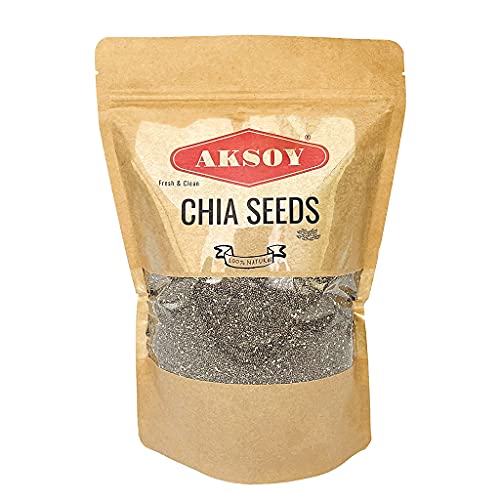
Chia seeds and flaxseeds are both powerhouse seeds rich in essential nutrients that can enhance overall health.
One key difference lies in their omega-3 fatty acid content.
While both seeds contain alpha-linolenic acid (ALA), chia seeds have a higher ALA content per serving compared to flaxseeds.
This makes chia seeds a great plant-based source of omega-3 fatty acids, important for heart health and inflammation reduction.
In terms of fiber content, both chia seeds and flaxseeds are excellent sources.
However, chia seeds have soluble fiber, which can help stabilize blood sugar levels and promote a feeling of fullness.
On the other hand, flaxseeds are known for their lignan content, a type of plant compound with antioxidant properties that may help reduce the risk of certain cancers.
When it comes to micronutrients, chia seeds are a good source of calcium, iron, and magnesium, while flaxseeds provide notable amounts of vitamin B1, copper, and phosphorus.
Each seed offers a unique nutritional profile, complementing a varied and balanced diet.
Nutritional Breakdown: The Battle of the Seeds
Chia seeds and flaxseeds are both nutrient-dense seeds that offer a wide array of vitamins, minerals, and antioxidants.
Chia seeds are renowned for their high omega-3 fatty acid content, fiber, protein, and calcium.
On the other hand, flaxseeds are known for their lignans, another type of plant-based omega-3 fatty acids, fiber, and essential minerals like magnesium and phosphorus.
Health Benefits of Omega-3 Fatty Acids in Chia Seeds and Flaxseeds
Omega-3 fatty acids are essential nutrients that play a crucial role in heart health, brain function, and reducing inflammation in the body.
Chia seeds are particularly rich in alpha-linolenic acid (ALA), a type of omega-3 fatty acid that has been linked to lowering the risk of heart disease and improving cholesterol levels.
Flaxseeds, on the other hand, contain both ALA and lignans, which have antioxidant properties and may have protective effects against certain types of cancer.
Fiber Content and Digestive Health
Both chia seeds and flaxseeds are excellent sources of dietary fiber, which is essential for maintaining a healthy digestive system.
Fiber not only promotes regular bowel movements but also helps in managing weight by promoting a feeling of fullness and reducing overeating.
Chia seeds and flaxseeds contain both soluble and insoluble fiber, which work together to support healthy digestion and prevent conditions such as constipation and diverticulitis.
Micronutrients and Minerals in Chia Seeds Vs. Flaxseeds
Apart from their omega-3 fatty acids and fiber content, chia seeds and flaxseeds are also rich in a variety of essential vitamins and minerals.
Chia seeds are a great source of calcium, which is crucial for bone health and muscle function.
They also provide significant amounts of magnesium, phosphorus, and manganese, all of which play important roles in energy metabolism and maintaining healthy bones.
Flaxseeds, on the other hand, are rich in minerals like magnesium, phosphorus, and copper, which are essential for enzyme function, bone health, and energy production in the body.
Additionally, flaxseeds contain vitamin B6, an important nutrient for brain health and metabolism.
The diverse range of micronutrients found in both chia seeds and flaxseeds makes them valuable additions to a balanced diet for overall health and well-being.
Health Benefits: The Seed Showdown
In terms of health benefits, both chia seeds and flaxseeds offer unique advantages.
Chia seeds are praised for their ability to promote satiety, aid in digestion, and support heart health due to their omega-3 fatty acids.
Flaxseeds, on the other hand, are recognized for their potential role in lowering cholesterol, reducing inflammation, and supporting hormonal balance, thanks to their lignan content.
Omega-3 Fatty Acids in Chia Seeds
One standout health benefit of chia seeds is their high omega-3 fatty acid content.
These essential fatty acids are crucial for brain health, reducing inflammation, and supporting overall wellbeing.
Research has shown that incorporating omega-3s into your diet can help lower the risk of chronic diseases such as heart disease, arthritis, and even depression.
Recommended to our readers: Click here
Chia seeds offer a plant-based source of these beneficial fatty acids, making them a valuable addition to a vegetarian or vegan diet.
Fiber-Rich Chia Seeds for Digestive Health
Another key advantage of chia seeds is their impressive fiber content.
Just one ounce of chia seeds contains a significant amount of fiber, which is essential for promoting healthy digestion and preventing constipation.
The soluble fiber in chia seeds forms a gel-like substance in the gut, which can help regulate bowel movements and promote a healthy gut microbiome.
Including chia seeds in your diet can support gut health and alleviate digestive issues.
Flaxseeds and Cholesterol Management
Flaxseeds are renowned for their potential to lower cholesterol levels, specifically LDL (bad) cholesterol.
The soluble fiber and plant compounds found in flaxseeds have been linked to improved cholesterol profiles and a reduced risk of heart disease.
Regular consumption of flaxseeds, whether ground or whole, can contribute to maintaining a healthy cholesterol balance and protecting cardiovascular health.
Lignans and Anti-Inflammatory Properties of Flaxseeds
Flaxseeds contain high levels of lignans, plant compounds with powerful antioxidant and anti-inflammatory properties.
These lignans have been studied for their role in reducing inflammation in the body and protecting against chronic diseases such as cancer and diabetes.
Incorporating flaxseeds into your diet can help combat inflammation, support immune function, and promote overall wellness.
Hormonal Balance and Flaxseeds
One lesser-known benefit of flaxseeds is their potential to support hormonal balance, particularly in women.
The lignans in flaxseeds have phytoestrogenic properties, which may help regulate estrogen levels in the body.
Maintaining proper hormonal balance is essential for reproductive health, menstrual regularity, and menopausal symptoms.
Adding flaxseeds to your diet can be a natural way to support hormonal equilibrium and overall well-being.
Culinary Uses: Seedful Creations
When it comes to incorporating these seeds into your diet, the culinary uses of chia seeds and flaxseeds are diverse and versatile.
Chia seeds are often used in puddings, smoothies, oatmeal, and baked goods, adding a delightful crunch and a boost of nutritional value.
Flaxseeds, on the other hand, can be ground into flax meal for baking, sprinkled on yogurt or salads, or used as an egg substitute in vegan recipes, showcasing their versatility in the kitchen.
Using Chia Seeds in Puddings and Smoothies
Recommended to our readers: Click here
Chia seeds are excellent for creating the popular chia seed pudding.
When combined with liquid such as almond milk or coconut milk and left to sit, chia seeds develop a gel-like consistency, making a delicious and nutritious pudding.
They are also a great addition to smoothies, where they not only add a crunchy texture but also provide a thickening element that can help create a more substantial drink.
Incorporating Chia Seeds in Oatmeal and Baked Goods
For a nutritious breakfast boost, sprinkle chia seeds over your morning bowl of oatmeal.
They can add a satisfying crunch and a boost of nutrients.
In baked goods, chia seeds can be used in muffins, bread, or even as a topping for homemade granola bars.
Their mild flavor allows them to blend seamlessly into a variety of recipes.
Creative Ways to Use Flaxseeds in Cooking

Ground flaxseeds, also known as flax meal, are a versatile ingredient in baking.
When mixed with water, they form a gel-like substance that can serve as a binding agent in recipes, making them an excellent egg substitute for vegan baking.
Sprinkle ground flaxseeds on top of yogurt and salads for added texture and a nutty flavor.
They can also be incorporated into homemade energy bars or mixed into smoothie bowls for an extra nutritional boost.
Pros and Cons
| Features | Chia Seeds | Flaxseeds |
|---|---|---|
| Nutritional Profile | Rich in omega-3s, fiber, and protein | High in lignans, omega-3s, and minerals |
| Health Benefits | Promotes heart health, aids digestion | Supports hormonal balance, reduces inflammation |
| Culinary Uses | Ideal for puddings, smoothies, baked goods | Great for baking, sprinkling, or as an egg substitute |


Further Comparison of Nutritional Profile:
Both chia seeds and flaxseeds are considered superfoods due to their impressive nutritional content.
Chia seeds are particularly known for their high omega-3 fatty acids, which are essential for brain health and reducing inflammation in the body.
They also boast a significant amount of fiber, promoting digestive health and aiding in weight management.
On the other hand, flaxseeds are rich in lignans, which are plant compounds known for their antioxidant properties and potential cancer-fighting effects.
Additionally, flaxseeds contain omega-3 fatty acids, similar to chia seeds, along with essential minerals like manganese, magnesium, and copper, which contribute to overall wellness.
Exploring the Health Benefits:
When it comes to health benefits, chia seeds offer unique advantages such as promoting heart health by lowering bad cholesterol levels and regulating blood sugar.
Their high fiber content helps in maintaining a healthy gut microbiome and preventing constipation.
Flaxseeds, on the other hand, are praised for their ability to support hormonal balance in the body, especially in women experiencing menopausal symptoms.
These seeds contain plant compounds called lignans, which have been linked to reducing inflammation and supporting immune function.
By incorporating flaxseeds into the diet, individuals can potentially manage conditions like arthritis and improve overall wellness.
Diverse Culinary Applications:
In terms of culinary versatility, chia seeds and flaxseeds can be integrated into a wide range of dishes to enhance both flavor and nutrition.
Recommended to our readers: Click here
Chia seeds are commonly used in creating delicious puddings by soaking them in liquid until they form a gel-like consistency.
They add a unique texture to smoothies and yogurt bowls, making them a popular choice for breakfast options.
Additionally, chia seeds can be incorporated into baked goods like muffins and bread for an extra boost of nutrients.
Flaxseeds, on the other hand, are excellent for baking when ground into a fine powder, as they act as a binding agent similar to eggs.
They can be sprinkled on top of salads, oatmeal, or yogurt for a nutty flavor and added crunch.
Whether used whole or ground, both chia seeds and flaxseeds provide a nutritious component to various dishes, catering to different dietary preferences and culinary creations.
The Verdict: Choosing Your Champion Seed
In the end, the choice between chia seeds and flaxseeds ultimately depends on your nutritional needs, taste preferences, and culinary habits.
If you’re looking to boost your omega-3 intake and add a crunchy texture to your dishes, chia seeds might be your go-to.
On the other hand, if you’re seeking to balance hormones, lower cholesterol, and experiment with egg-free baking, flaxseeds could be your best bet.
Nutritional Benefits of Chia Seeds and Flaxseeds
Recommended to our readers: Click here
Chia seeds are renowned for their high omega-3 fatty acid content, making them a popular choice for individuals looking to enhance their heart health and reduce inflammation.
On the other hand, flaxseeds are rich in lignans, which are plant compounds known for their potential to balance hormones and support overall hormonal health.
When it comes to essential nutrients, chia seeds are also a good source of fiber, protein, and antioxidants, while flaxseeds are praised for their high levels of mucilage, a gel-forming fiber that can aid in digestion.
Culinary Uses and Versatility
Both chia seeds and flaxseeds can be easily incorporated into a variety of recipes, from smoothies and baked goods to salads and oatmeal.
Recommended to our readers: Click here
While chia seeds have a neutral taste and can be sprinkled on top of dishes for added crunch, flaxseeds have a slightly nutty flavor that can enhance the taste of bread, muffins, and energy bars.
In egg-free baking, flaxseeds are often used as a binding agent, creating a gel-like consistency when mixed with water, whereas chia seeds can also be used as an egg substitute by combining them with water to form a gel.
Consideration of Allergies and Sensitivities
For individuals with certain food allergies or sensitivities, the choice between chia seeds and flaxseeds may also depend on their specific dietary requirements.
While chia seeds are naturally gluten-free and less likely to cause allergic reactions, flaxseeds may trigger allergic responses in some individuals, particularly those with seed or nut allergies.
It is important to consider any existing sensitivities or allergies before incorporating these seeds into your diet to avoid any adverse reactions.
Closing Thoughts: Seeds of Wisdom
In conclusion, chia seeds and flaxseeds are both nutritional powerhouses that offer a range of health benefits and culinary possibilities.
Whether you sprinkle them on your yogurt, blend them into your smoothies, or bake them into your favorite treats, incorporating these tiny seeds into your diet can elevate your nutrition game and enhance your well-being.
So, why not embrace the seed revolution and let these tiny marvels work their magic in your kitchen and on your plate?
The Nutritional Benefits of Chia Seeds and Flaxseeds
Chia seeds and flaxseeds are not only rich in essential nutrients but also packed with unique health-promoting properties.
Chia seeds, known for their omega-3 fatty acids content, are excellent for supporting heart health and reducing inflammation in the body.
In contrast, flaxseeds are a good source of lignans, a type of plant compound with antioxidant properties that may help lower the risk of certain cancers.
Culinary Versatility and Creative Uses
When it comes to incorporating chia seeds and flaxseeds into your diet, the possibilities are endless.
Apart from the traditional methods like sprinkling them on top of salads or mixing them into oatmeal, why not try making chia pudding for a delicious breakfast option or using ground flaxseeds as an egg substitute in vegan baking recipes?
These seeds can add a delightful crunch to granola bars, boost the nutritional value of your homemade bread, or even be used as a binding agent in veggie burgers.
Supporting Sustainable Agriculture: The Impact of Seed Choices
By choosing to include chia seeds and flaxseeds in your diet, you are not only benefiting your own health but also supporting sustainable agriculture practices.
Both chia and flax are relatively low-maintenance crops that require less water and fertilizer compared to other commercial crops.
By opting for these seeds, you are indirectly promoting environmentally friendly farming methods and contributing to a more sustainable food system.
Experimenting with Seed-Based Recipes
To truly embrace the seed revolution, consider exploring a variety of seed-based recipes that showcase the versatility and flavors of chia seeds and flaxseeds.
From energy balls and seed crackers to seed-infused dressings and dips, incorporating these tiny marvels into your culinary creations can introduce new textures, flavors, and nutrients to your meals.
Get inspired by global cuisines that have long utilized these seeds in their traditional dishes, and don’t be afraid to get creative in the kitchen.