Bone Broth vs Vegetable Broth: A Detailed Comparison
In the world of flavorful broths, two popular contenders often steal the spotlight: the hearty and nutrient-rich bone broth versus the light and aromatic vegetable broth.
These culinary staples have been enjoying a resurgence in popularity, not just for their delicious taste but also for their purported health benefits.
As consumers become more health-conscious and mindful of what they put into their bodies, the debate between bone broth and vegetable broth continues to simmer.
Let’s dive deep into the world of broths and explore the differences, benefits, and drawbacks of these beloved kitchen essentials.
Origins and Nutrition:
Bone broth, as the name suggests, is made by simmering animal bones for an extended period, typically including a variety of herbs, vegetables, and spices to enhance the flavor profile.
The long cooking process allows for the extraction of gelatin, collagen, and various essential nutrients from the bones, resulting in a rich and savory broth that is prized for its collagen-boosting and joint-health benefits.
On the other hand, vegetable broth is a flavorful liquid obtained by simmering a mixture of vegetables, herbs, and spices in water.
While vegetable broth may not have the same protein content as bone broth, it is packed with vitamins, minerals, and antioxidants, making it a nutritious and versatile addition to various dishes.
Flavor Profile and Culinary Uses:
Bone broth is known for its deep umami flavor and rich mouthfeel, making it a popular base for soups, stews, and sauces.
The collagen and gelatin content in bone broth contribute to its velvety texture and ability to impart a robust savory taste to dishes.
On the other hand, vegetable broth offers a lighter and more refreshing taste, with a delicate balance of vegetable flavors and aromatics.
It serves as an excellent vegetarian or vegan alternative to bone broth and can be used in a wide range of recipes, including risottos, curries, and stir-fries.
Health Benefits and Drawbacks:
While bone broth is lauded for its potential therapeutic properties, including gut health support, joint pain relief, and skin rejuvenation, some individuals may need to be cautious due to its high purine content, which can be problematic for those with certain health conditions, such as gout.
On the flip side, vegetable broth is a lower-calorie option that is rich in antioxidants and fiber, making it beneficial for digestion, heart health, and overall well-being.
However, it may lack the same protein content and amino acid profile as bone broth, especially for individuals following a protein-focused diet.
By exploring the origins, nutrition, flavor profiles, culinary uses, health benefits, and drawbacks of bone broth and vegetable broth, consumers can make informed decisions based on their personal preferences, dietary needs, and health goals.
Introduction: The Rise of Broths in Modern Cuisine
In recent years, there has been a noticeable shift towards whole, natural foods and traditional cooking methods.
Broths, once relegated to grandma’s kitchen, have made a roaring comeback in the culinary scene.
Whether sipped as a comforting drink or used as a base for soups, stews, and sauces, broths are prized for their rich flavors and health-promoting qualities.
Among the myriad of broths available, bone broth and vegetable broth stand out as favorites, each with its unique characteristics and benefits.
The Revival of Traditional Cooking Techniques
The resurgence of broths in modern cuisine can be attributed to a growing trend of appreciating and embracing traditional cooking methods.
In a world filled with processed and fast foods, there is a renewed interest in going back to basics and reconnecting with the nourishing ingredients and techniques used by our ancestors.
Broths, with their slow simmering process that extracts nutrients and flavors from ingredients, perfectly embody this return to fundamentals.
Broths as Versatile Flavor Enhancers
Broths have long been valued in culinary traditions around the world for their ability to elevate the taste of dishes.
They serve as a versatile flavor enhancer that can be incorporated into a wide variety of recipes.
From enhancing the depth of soups and stews to being used as a braising liquid for meats and vegetables, broths add complexity and richness to a dish without overpowering other ingredients.
Health Benefits of Broths
Beyond their culinary appeal, broths are also prized for their numerous health benefits.
Bone broth, in particular, has gained popularity for its rich collagen content, which supports joint health, gut function, and skin elasticity.
Vegetable broth, on the other hand, is a nutrient-dense elixir packed with vitamins, minerals, and antioxidants that help boost immunity and overall well-being.
By consuming broths regularly, individuals can nourish their bodies with essential nutrients in a delicious and simple form.
The Battle of the Broths: Bone vs. Vegetable
Benefits of Bone Broth
Bone broth is known for its rich nutrient profile, making it a popular choice among health enthusiasts and those looking to improve their overall well-being.
Rich in minerals such as calcium, magnesium, and phosphorus, bone broth is believed to support bone health and promote healthy digestion.
Additionally, the collagen and gelatin found in bone broth are essential for maintaining healthy skin, hair, and nails.
Homemade vs. Store-Bought
Recommended to our readers: Click here
When it comes to bone broth, there is a debate between homemade and store-bought varieties.
Homemade bone broth is often considered superior in terms of quality and taste, as it can be made with high-quality ingredients and simmered for an extended period to extract maximum nutrients.
Store-bought bone broth, on the other hand, may contain added preservatives and flavor enhancers, compromising its nutritional value.
Flavor and Versatility

One of the key advantages of bone broth is its rich, savory flavor, which adds depth to various dishes.
From soups and stews to sauces and risottos, bone broth can be used as a flavorful base to enhance the taste of a wide range of recipes.
Its versatility makes it a staple in many cuisines worldwide, appreciated for both its nutritional benefits and culinary uses.
Nutritional Profile
Bone broth, as the name suggests, is made by simmering bones (usually from beef, chicken, or fish) for an extended period, resulting in a collagen-rich broth packed with minerals like calcium, magnesium, and phosphorus.
On the other hand, vegetable broth is primarily derived from simmering a variety of vegetables and herbs, offering a wide array of vitamins, antioxidants, and phytonutrients.
While bone broth boasts protein and collagen content, vegetable broth shines in its vitamin and mineral diversity.
Benefits of Collagen in Bone Broth
Collagen is a key component of bone broth that provides numerous health benefits.
It supports skin elasticity, joint health, and gut function.
Consuming collagen-rich bone broth can promote healthy hair, nails, and connective tissues.
Nutrient Comparison
Bone broth is rich in essential minerals like calcium, phosphorus, and magnesium, which are crucial for bone health and overall bodily functions.
These minerals play a vital role in maintaining strong bones, teeth, and nerve functions.
On the other hand, vegetable broth offers a spectrum of vitamins such as vitamin C, vitamin A, and vitamin K, each with its own set of benefits.
Vitamin C, for example, supports immune function and collagen synthesis, while vitamin A is essential for vision and skin health, and vitamin K is necessary for blood clotting and bone metabolism.
Recommended to our readers: Click here
Phytonutrients and Antioxidants in Vegetable Broth
Vegetable broth is a powerhouse of phytonutrients and antioxidants derived from a variety of plant sources.
These compounds help combat oxidative stress, reduce inflammation, and support overall immune function.
For instance, herbs like parsley and oregano are rich in antioxidants that protect cells from damage caused by free radicals.
Protein Content and Amino Acids in Bone Broth
In addition to minerals, bone broth is a source of high-quality protein and amino acids like glycine and proline.
These amino acids play a role in supporting gut health, muscle repair, and immune function.
Consuming bone broth can help promote satiety and aid in tissue repair and growth.
Flavor Profiles
When it comes to flavor, bone broth exudes a deep, savory richness known as umami, thanks to the slow extraction of flavors from the bones and marrow.
Its robust taste makes it a popular choice for savory dishes and as a standalone drink.
In contrast, vegetable broth offers a lighter, more delicate flavor profile, with hints of sweetness and herbaceous notes.
Its versatility allows it to complement a wide range of dishes without overpowering the other ingredients.
Umami Flavor in Bone Broth
Bone broth is revered for its umami flavor, which is often described as a pleasant savory taste that adds a depth of richness to dishes.
This rich flavor profile is due to the slow simmering of bones and marrow for an extended period, allowing for the release of minerals, amino acids, and gelatin that contribute to its umami essence.
The umami taste in bone broth can be likened to that of a hearty beef stew or a simmered meat sauce, making it a comforting and satisfying choice for enhancing culinary creations.
Robustness of Bone Broth
The robustness of bone broth’s flavor makes it a versatile ingredient that can be used in various culinary applications.
Its concentration of flavors adds a hearty backbone to soups, stews, sauces, and braises, elevating the taste profile of the dishes.
Additionally, bone broth can also be enjoyed on its own as a warm and nourishing beverage, providing a comforting and savory experience that can be enjoyed as a standalone drink or used as a base for more elaborate concoctions.
Delicate and Versatile Vegetable Broth
While bone broth boasts a robust and hearty flavor, vegetable broth offers a contrasting profile that is lighter and more delicate.
The gentle infusion of vegetables, herbs, and spices creates a broth that is subtly sweet with herbaceous undertones, making it a versatile option for various dishes where a lighter touch is desired.
Vegetable broth can be used to add depth to risottos, sauces, and stir-fries, as well as serve as a flavorful cooking medium for grains and legumes.
Its ability to enhance without overpowering allows the natural flavors of other ingredients to shine through, making it a beloved choice in vegetarian and vegan cooking.
Health Benefits
Both bone broth and vegetable broth boast an impressive array of health benefits.
Bone broth is lauded for its potential to support joint health, improve gut function, and promote healthy skin, hair, and nails due to its collagen and nutrient content.
On the other hand, vegetable broth is celebrated for its antioxidant properties, immune-boosting vitamins, and potential anti-inflammatory effects.
Whether you’re looking to boost your protein intake or increase your vegetable consumption, both broths offer unique health perks.
Collagen and Nutrient Content in Bone Broth
Bone broth is known for its high collagen content, which plays a crucial role in the health of our joints, tendons, ligaments, and skin.
Collagen is a structural protein that provides elasticity and strength to these tissues, helping to maintain their integrity and flexibility.
In addition to collagen, bone broth is rich in other essential nutrients such as amino acids, minerals like calcium and magnesium, and gelatin, which can support gut health and aid in digestion.
Antioxidant Properties of Vegetable Broth
Vegetable broth contains a variety of antioxidants derived from the vegetables used to make it.
Antioxidants are compounds that help protect our cells from damage caused by free radicals, unstable molecules that can contribute to aging and chronic diseases.
By including a range of antioxidant-rich vegetables such as carrots, onions, and leafy greens in vegetable broth, you can boost your intake of vitamins A, C, and E, as well as phytonutrients like beta-carotene and lycopene.
Immune-Boosting Vitamins in Vegetable Broth
One of the key benefits of vegetable broth is its significant content of immune-boosting vitamins.
Vegetables like carrots, celery, and garlic are rich sources of vitamins and minerals like vitamin C, vitamin K, and potassium, which play essential roles in supporting a healthy immune system.
Vitamin C, in particular, is known for its ability to enhance immune function and protect against infections and illnesses.
Recommended to our readers: Click here
Anti-Inflammatory Effects of Vegetable Broth
Vegetable broth can help reduce inflammation in the body due to the presence of certain vegetables that possess anti-inflammatory properties.
Ingredients like turmeric, ginger, and leafy greens contain bioactive compounds that have been shown to help combat inflammation and reduce the risk of chronic inflammatory conditions such as arthritis, heart disease, and digestive disorders.
Consuming vegetable broth regularly can contribute to managing inflammation levels and promoting overall well-being.
Pros and Cons
| Aspect | Bone Broth | Vegetable Broth |
|———————-|————————————————|————————————————–|
| Nutrient Content | Rich in collagen, protein, and minerals | Abundant in vitamins, antioxidants, and fiber |
| Flavor Profile | Deep, savory umami taste | Light, herbaceous flavor with hints of sweetness |
| Health Benefits | Supports joint health and gut function | Provides antioxidants and immune-boosting vitamins |
| Versatility | Ideal for savory dishes and standalone drinks | Complements a wide range of dishes |
| Availability | Requires longer cooking time for optimal extraction | Quick and easy to make with a variety of vegetables |
Nutrient Content:
Bone broth is known for its high collagen content, which is beneficial for promoting skin elasticity and joint health.
Additionally, it is a good source of protein, which can aid in muscle repair and growth.
The minerals found in bone broth, such as calcium and magnesium, contribute to bone strength and overall mineral balance in the body.
Vegetable broth, on the other hand, is a powerhouse of vitamins like vitamin C, which is essential for immune function, and vitamin A, important for vision health.
The antioxidants present in vegetable broth help combat oxidative stress in the body, reducing the risk of chronic diseases.
Fiber in vegetable broth supports digestion and can help in maintaining a healthy weight.
Recommended to our readers: Click here
Flavor Profile:
Bone broth boasts a rich and robust umami flavor that adds depth and savoriness to dishes like soups, stews, and gravies.
The slow cooking process of simmering bones extracts flavors that intensify over time, making it a go-to ingredient for enhancing the taste of various recipes.
In contrast, vegetable broth offers a light and refreshing flavor profile with herbal notes and a hint of natural sweetness from ingredients like carrots and onions.
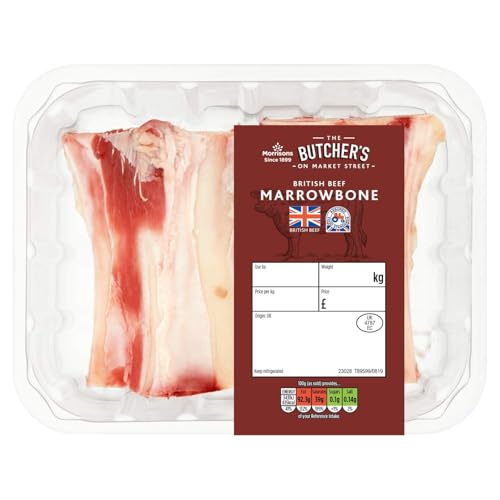
This makes it a versatile base for a wide range of dishes, including risottos, pasta sauces, and stir-fries, where a lighter flavor profile is preferred.
Health Benefits:
The collagen and gelatin in bone broth support gut health by promoting a healthy gut lining, aiding in digestion and absorption of nutrients.
These components also play a role in reducing inflammation in the body, which is linked to various chronic conditions like arthritis and leaky gut syndrome.
Vegetable broth, thanks to its antioxidant content, helps in neutralizing free radicals that can damage cells and lead to diseases like cancer and heart disease.
The vitamins in vegetable broth, such as vitamin C and E, boost the immune system, protecting the body from infections and illnesses.
Versatility:
Bone broth’s rich flavor profile makes it an excellent base for hearty dishes like beef stew, chicken noodle soup, and braised meats.

Beyond savory recipes, bone broth can also be enjoyed on its own as a warm, nourishing drink or used as a base for sauces and gravies.
On the flip side, vegetable broth’s light and herbaceous flavor pairs well with a variety of ingredients, making it a versatile addition to dishes like risottos, vegetable stir-fries, and grain bowls.
Its subtle taste allows the flavors of other components in a dish to
Conclusion: Choosing Your Broth Wisely


In the timeless battle of bone broth versus vegetable broth, both contenders offer distinct advantages that cater to different preferences and dietary needs.
Whether you’re drawn to the hearty richness of bone broth or the light freshness of vegetable broth, incorporating these flavorful liquids into your culinary repertoire can elevate your dishes and nourish your body.
Ultimately, the choice between bone broth and vegetable broth boils down to personal taste, nutritional goals, and culinary applications.
So, next time you’re simmering a pot of broth, consider the unique qualities of each and savor the goodness that flows from your stovetop.
Happy broth-making!
Health Benefits of Bone Broth
Bone broth is renowned for its rich nutrient profile, making it a popular choice for those looking to boost their health.
It is packed with essential minerals like calcium, magnesium, phosphorus, and collagen, which are beneficial for bone strength, joint health, and skin elasticity.
Recommended to our readers: Click here
The gelatin found in bone broth aids in digestion and supports gut health by promoting the growth of beneficial gut flora.
Recommended to our readers: Click here
Versatility of Vegetable Broth
While bone broth offers robust flavors and nutrients, vegetable broth shines in its versatility.
Vegetable broth is a great option for vegetarians and vegans, providing a flavorful base for soups, stews, and sauces.
It can be easily customized with different combinations of vegetables and herbs, allowing for a wide range of flavor profiles to suit various dishes.
Culinary Applications
The choice between bone broth and vegetable broth can depend on the specific culinary applications.
Bone broth’s deep umami taste and richness make it ideal for hearty soups, risottos, and braising meats, adding depth of flavor to dishes.
On the other hand, vegetable broth’s lightness and freshness are perfect for light soups, vegetable-based dishes, and sauces where a more delicate flavor is desired.
Nutritional Comparison
Bone broth and vegetable broth offer differing nutritional profiles, providing consumers with options based on their dietary needs.
While bone broth is rich in protein, collagen, and minerals, vegetable broth is lower in calories and can be a good source of vitamins and antioxidants.
Understanding the nutritional differences between the two types of broth can help individuals make informed choices based on their health goals.
Sustainability and Ethical Considerations
In addition to taste and nutrition, some consumers may consider factors like sustainability and ethical practices when choosing between bone broth and vegetable broth.
Vegetable broth is often perceived as a more environmentally friendly option, as it requires fewer resources and has a lower carbon footprint compared to bone broth, which involves animal sourcing.
Being mindful of these factors can guide individuals in making choices that align with their values and beliefs.