The Epic Battle: Yeti vs Hydro Cell

In a world where sustainable living and outdoor adventures are becoming increasingly popular, the quest for the perfect water bottle has taken center stage.
Two heavyweight contenders, Yeti and Hydro Cell, have emerged as frontrunners in the battle for hydration supremacy.
Each brand offers unique features and claims to be the ultimate companion for all your hydration needs.
But which one truly reigns supreme?
Let’s delve into the details and pit Yeti against Hydro Cell in an epic showdown to determine the ultimate victor in the realm of water bottles.
The Rise of Sustainable Living and Outdoor Adventures
With the global shift towards eco-conscious choices and a surge in outdoor recreational activities, the demand for durable and reliable water bottles has surged.
Consumers are seeking products that not only cater to their hydration needs but also align with their values of sustainability and exploration.
Yeti and Hydro Cell have capitalized on this trend by offering innovative solutions that resonate with the modern adventurer and environmentalist alike.
Yeti: The Heavyweight Contender
Yeti’s reputation for producing high-quality, rugged products precedes itself.
The brand is renowned for its durable construction and superior insulation, making it a popular choice among outdoor enthusiasts and travelers.
Yeti water bottles are designed to withstand the toughest conditions, offering ice-cold refreshment even in scorching temperatures.
Hydro Cell: The Challenger with a Twist
Hydro Cell, on the other hand, has carved a niche for itself with its focus on versatility and convenience.
The brand’s emphasis on sleek design and user-friendly features has garnered a loyal following among urban commuters and fitness enthusiasts.
Hydro Cell water bottles are not just functional but also stylish, making them a fashion statement in addition to a hydration essential.
Feature Showdown: Insulation, Durability, and Design
When comparing Yeti and Hydro Cell, it’s essential to consider key aspects such as insulation capabilities, durability, and design aesthetics.
Yeti’s double-wall vacuum insulation ensures that beverages stay cold or hot for extended periods, maintaining optimal temperature retention.
On the other hand, Hydro Cell’s focus on a sweat-proof and leak-proof design adds a layer of convenience for on-the-go hydration.
The Ultimate Decision: Personal Preference or Performance?
As consumers weigh the pros and cons of Yeti versus Hydro Cell, the ultimate choice often boils down to personal preference and lifestyle requirements.
Those who prioritize rugged durability and exceptional thermal performance may lean towards Yeti, while individuals seeking a blend of style and functionality might find Hydro Cell more appealing.
Ultimately, the battle between these two titans of the water bottle world offers consumers a wealth of options to suit their unique hydration needs and personal tastes.
The Tale of the Tapes: Yeti’s Legacy vs Hydro Cell’s Innovation
When it comes to reputation and brand recognition, Yeti stands tall as a pioneer in the world of outdoor gear.
With a legacy built on rugged durability and unparalleled performance, Yeti has garnered a loyal following among outdoor enthusiasts and adventurers.
On the other hand, Hydro Cell represents the new guard, with a focus on innovation and cutting-edge design.
While Yeti boasts a time-tested track record, Hydro Cell seeks to disrupt the market with forward-thinking features and a commitment to sustainability.
It’s a classic clash of tradition versus innovation, with each brand bringing a unique set of strengths to the ring.
Yeti’s Legacy: Rugged Durability and Performance
Yeti’s reputation for producing high-quality outdoor gear is not just based on hype – it’s backed by decades of delivering rugged durability and top-notch performance.
Outdoor enthusiasts have come to rely on Yeti coolers, drinkware, and accessories to withstand the toughest environments, whether it’s a rugged hiking trail or a rough river rafting expedition.
For example, Yeti’s Tundra cooler series is known for its thick and durable walls that provide unmatched ice retention, making it a staple for extended outdoor trips where keeping perishables fresh is essential.
Hydro Cell’s Innovation: Forward-Thinking Features and Sustainability Focus
Recommended to our readers: Click here
Hydro Cell, as the new player in the outdoor gear market, has made a name for itself by pushing the boundaries of design and functionality.
The brand’s commitment to sustainability is evident in its use of eco-friendly materials and practices throughout its product line.
For instance, Hydro Cell’s water bottles are not only designed for optimal hydration on the go but are also made from BPA-free, recyclable materials, appealing to environmentally conscious consumers.
Additionally, Hydro Cell incorporates innovative features like double-wall insulation and leak-proof lids to enhance the user experience and set itself apart from traditional offerings.
The Battle of Tradition and Innovation
As Yeti and Hydro Cell compete for market share and consumer loyalty, the clash between tradition and innovation becomes apparent.
Yeti’s established reputation and proven track record appeal to those who value reliability and a sense of heritage in their outdoor gear.
Conversely, Hydro Cell’s focus on cutting-edge design and sustainable practices attracts a more forward-thinking consumer base seeking products that align with their eco-conscious values.
This battle between tradition and innovation not only showcases the strengths of each brand but also highlights the evolving preferences within the outdoor gear industry.
The Showdown: Design and Durability
One of the key battlegrounds in the Yeti vs Hydro Cell showdown is design and durability.
Yeti’s bottles are known for their robust construction and ability to withstand the most rugged of environments.
Whether you’re trekking through the wilderness or embarking on a weekend camping trip, Yeti’s bottles are designed to be indestructible.
On the other hand, Hydro Cell takes a more modern approach to design, focusing on sleek aesthetics and ergonomic features.
With a wide range of vibrant colors and styles to choose from, Hydro Cell caters to the fashion-conscious consumer looking to make a statement with their hydration gear.
The question remains: will Yeti’s tried-and-true durability triumph over Hydro Cell’s style and flair?
Yeti’s Tough Construction:
Yeti’s reputation for durability is well-earned due to its premium construction materials and engineering.
Their bottles are typically made from high-grade stainless steel, featuring double-wall vacuum insulation that keeps beverages cold for extended periods.
The robust build quality of Yeti bottles ensures they can withstand accidental drops, rough handling, and exposure to harsh outdoor elements without compromising performance.
Hydro Cell’s Style and Functionality:
In contrast to Yeti’s emphasis on durability, Hydro Cell prioritizes style and functionality in their design philosophy.
The brand offers a wide array of vibrant colors and trendy patterns to suit different tastes and preferences, appealing to users who value both aesthetics and performance.
Hydro Cell’s bottles often feature sleek, ergonomic designs with easy-to-hold shapes and convenient features such as leak-proof lids and adjustable straps for on-the-go hydration.
The Intersection of Design and Durability:
While Yeti and Hydro Cell represent different design approaches, there is a growing trend towards blending style with durability in the hydration gear market.
Some consumers seek products that combine the best of both worlds, opting for bottles that are not only tough and long-lasting but also visually appealing and customizable.

This intersection of design and durability highlights the evolving consumer demand for products that offer both practicality and personality.
Meeting Diverse Consumer Preferences:
Ultimately, the choice between Yeti and Hydro Cell comes down to individual preferences and priorities.

Recommended to our readers: Click here
Some users prioritize durability above all else, valuing a bottle that can withstand rough conditions and frequent use.
Others may prioritize style and aesthetics, seeking a bottle that reflects their personal taste and fashion sense.
By offering options that cater to diverse consumer preferences, both Yeti and Hydro Cell contribute to the growing diversity of choices available in the hydration market.
The Battle of the Elements: Insulation and Temperature Control
When it comes to keeping your beverages at the perfect temperature, both Yeti and Hydro Cell excel in their own right.
Yeti’s double-wall vacuum insulation technology ensures that your drinks stay icy cold or piping hot for hours on end.
Whether you’re sipping on a refreshing iced tea or a steaming cup of coffee, Yeti has you covered.
Hydro Cell, on the other hand, boasts similar insulation prowess, with a focus on maintaining the ideal temperature for your drinks throughout the day.
With both brands offering top-notch thermal control, it all comes down to personal preference and how you like your beverages served – frosty or toasty.
Insulation Technologies
Both Yeti and Hydro Cell incorporate advanced insulation technologies to ensure optimal temperature control for your beverages.
Yeti utilizes a double-wall vacuum insulation design, which creates a barrier that minimizes heat transfer.
This technology effectively traps the desired temperature inside the container, keeping your drinks cold or hot for extended periods.
On the other hand, Hydro Cell employs a similar insulation approach, emphasizing the importance of maintaining consistent temperatures to enhance the drinking experience.
Performance in Extreme Conditions
In challenging weather conditions or outdoor environments, the insulation capabilities of both Yeti and Hydro Cell truly shine.
Recommended to our readers: Click here
Whether you’re out in the scorching sun or braving sub-zero temperatures, these bottles excel in preserving the desired drink temperature.
Yeti’s insulation prowess has been tested and trusted by outdoor enthusiasts, ensuring that your beverage remains enjoyable regardless of the external climate.
Similarly, Hydro Cell’s insulation performance stands out when faced with extreme conditions, making it a reliable choice for adventurers and outdoor enthusiasts alike.
Design Considerations
Recommended to our readers: Click here
Apart from insulation technology, the design of the bottles also plays a crucial role in temperature control.

Yeti bottles are known for their durable construction and sleek aesthetics.
The sturdy build not only enhances insulation effectiveness but also ensures long-lasting performance in various environments.
Hydro Cell, on the other hand, focuses on ergonomic design features that cater to the needs of active individuals.
From easy grip surfaces to spill-proof lids, Hydro Cell bottles are designed for on-the-go convenience without compromising on temperature retention capabilities.
Customization Options
Both Yeti and Hydro Cell offer a range of customization options to suit individual preferences.
Whether you prefer a compact bottle for daily commutes or a larger one for outdoor adventures, both brands have a variety of sizes to choose from.
Additionally, you can select different color options, lid styles, and accessories to personalize your bottle according to your unique style and functionality requirements.
This level of customization allows users to tailor their drinking experience based on personal preferences and lifestyle needs.
The Weight Class: Portability and Convenience
In the world of outdoor gear, weight and portability are key factors to consider when choosing a water bottle.
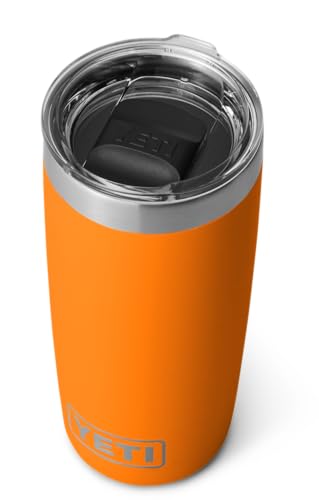
Yeti’s bottles are known for their sturdy build, which adds a bit of heft to the overall weight.
While this may not be a concern for some users who prioritize durability above all else, those looking for a lighter option might find Hydro Cell to be the more appealing choice.
Hydro Cell’s bottles are designed with portability in mind, featuring a lightweight construction that makes them the perfect companion for on-the-go hydration.
Whether you’re hitting the trails or commuting to work, Hydro Cell’s focus on convenience and ease of use sets it apart from the competition.
Design and Materials
Hydro Cell’s commitment to portability is evident in the thoughtful design and materials used in their water bottles.
The bottles are crafted from premium lightweight materials that prioritize functionality without compromising on durability.
The sleek and streamlined design of Hydro Cell bottles not only enhances their aesthetics but also contributes to their overall portability.
The ergonomic shape and size make it easy to carry or fit into backpack pockets, ensuring hassle-free hydration wherever you go.
Innovative Features
In addition to being lightweight, Hydro Cell water bottles boast innovative features that further enhance their convenience and ease of use.
For example, some models come with a double-walled vacuum insulation technology that keeps beverages cold for up to 24 hours or hot for up to 12 hours.
This feature is especially beneficial for outdoor enthusiasts who require their drinks to stay at the desired temperature during long adventures.
Another noteworthy feature is the leak-proof lid design, making Hydro Cell bottles spill-proof and ideal for activities like hiking, biking, or traveling.
Variety in Size and Style
Hydro Cell understands that individual preferences vary when it comes to water bottle size and style.
To cater to a diverse range of users, Hydro Cell offers a variety of sizes, from compact 18 oz bottles for short outings to larger 32 oz bottles for extended outdoor activities.
Users can choose from different colors and designs to suit their personal style preferences, making Hydro Cell water bottles not only functional but also a fashionable accessory.
Eco-Friendly Practices
Beyond just creating convenient and portable water bottles, Hydro Cell is committed to sustainability and eco-friendly practices.
The materials used in their bottles are BPA-free and designed to be reusable, reducing single-use plastic waste.
Recommended to our readers: Click here
By promoting a reusable lifestyle, Hydro Cell contributes to environmental conservation efforts and encourages users to make a positive impact on the planet by choosing sustainable hydration solutions.
The Verdict: And the Winner Is…
After a fierce battle that saw Yeti’s legacy go head-to-head with Hydro Cell’s innovation, it’s time to declare a winner in the epic showdown of water bottles.
While both brands bring impressive qualities to the table, it ultimately comes down to personal preference and how you prioritize the features that matter most to you.
If you value rugged durability and a proven track record, Yeti’s bottles are sure to withstand the test of time.
On the other hand, if you’re drawn to sleek design and modern conveniences, Hydro Cell offers a fresh take on the traditional water bottle.
Whichever contender you choose, rest assured that both Yeti and Hydro Cell are worthy adversaries in the quest for the perfect hydration companion.
So fill up your bottle, hit the trails, and embark on your next adventure with confidence, knowing that you’re equipped with the best in the business.
Durability and Innovation
When it comes to durability, Yeti has built a solid reputation over the years for crafting robust bottles that can endure the toughest conditions.
Their products are designed to withstand drops, bumps, and even the occasional tumble without losing their integrity.
Yeti’s focus on durability is exemplified in their use of high-grade stainless steel and double-wall vacuum insulation, ensuring that your beverage stays at the desired temperature for hours on end.
On the other hand, Hydro Cell shines in the realm of innovation with features like a leak-proof lid design, easy-grip texture, and a wide mouth for effortless refilling and cleaning.
The brand has taken a fresh approach to traditional water bottle design by incorporating modern conveniences that enhance the user experience.
For those who value cutting-edge features and user-friendly design, Hydro Cell offers a compelling option.
Tailoring Your Choice to Fit Your Lifestyle
Choosing between Yeti and Hydro Cell ultimately boils down to aligning the features of each brand with your lifestyle and preferences.
If you’re an outdoor enthusiast who values rugged reliability and a timeless aesthetic, Yeti’s bottles may be the ideal choice for your adventures.
On the other hand, if you’re someone who appreciates sleek design and innovative features that cater to modern lifestyles, Hydro Cell could be the perfect fit for your hydration needs.
Consider factors such as where you’ll be using the bottle most frequently, whether you prioritize durability or innovation, and what design elements appeal to you the most.
Recommended to our readers: Click here
By weighing these considerations against the strengths of each brand, you can make an informed decision that ensures your water bottle aligns perfectly with your day-to-day activities.