Title: Windows 11 vs macOS Ventura: A Comprehensive Comparison

Recommended to our readers: Click here
Introduction
It is indeed the era of next-generation operating systems, the champions of which are: Microsoft’s Windows 11 and Apple’s MacOS Ventura.
Both bring novel additions and major enhancements to their predecessors.
This comprehensive comparison will dissect the anatomy of both, showcasing their strengths, weaknesses, and distinct features that separate them from each other.
Exploring the Rise of Next-Generation Operating Systems
As technology continues to evolve at lightning speed, our gadgets and software must keep pace.
Today, we live in an age where computers are no longer seen as high-tech novelties but essential commodities for everyday living – from work, recreation, creativity, to simple everyday tasks.
In effect, the role of the operating system that powers these machines is perhaps now more influential than ever.
This necessitates the evolution and enhancement of such systems, presented by the advent of next-generation operating systems like Microsoft’s Windows 11 and Apple’s MacOS Ventura.
Both of these giants have been locked in a persistent competition for dominance within the digital world.
They rival to outdo one another by continuously working to offer the best combination of functionality, usability, reliability, and design.
Delving Deep into Microsoft’s Windows 11 and Apple’s MacOS Ventura
Where Windows has always been praised for its accessibility and familiarity, Mac’s operating system is often lauded for its seamless synchronicity with other Apple devices and its aesthetic appeal.
Both of these optimized software platforms offer features and facilities that, while similar, bolster their own unique edge.
Through this comprehensive comparison, we aim to dive into the depths of each operating system, examining each version’s features, capabilities, efficiencies, and even limitations.
By portraying an honest account of what users can expect when they opt for Windows 11 or MacOS Ventura, we hope to support potential users in making an informed decision based on their specific needs, aptitude and preferences.
Windows 11 & MacOS Ventura: Strengths, Weaknesses, and Distinctions
Each of these mentioned operating systems undeniably has its set of strengths and weaknesses.
While Windows 11’s versatility and familiar user interface may cater well to various kinds of audiences, from the professional to the casual user, MacOS Ventura’s integrated ecosystem could be a frontrunner for those already embedded within the Apple product network.
At the same time, acknowledging potential drawbacks such as unfamiliarity with new system layouts or potential software compatibility concerns is crucial when considering an upgrade to either of these new-generation operating systems.
This detailed analysis aims to highlight the nuanced differences that separate these operating systems, thereby assisting users in making a tailored choice that enhances their digital convenience.
By understanding the distinct features of both, and their influence on user experience, one can embark on a path to better digital efficiency and personal effectiveness.
Appearance and Design
The aesthetics of an operating system may seem like a surface consideration but play a significant role in user experience.
Windows 11 has opted for a centered alignment of the start menu and taskbar, similar to what we’re accustomed to seeing on MacOS.
This has refined the look, veering away from the traditional aesthetics of Windows.
On the other hand, MacOS Ventura upholds Apple’s minimalistic design philosophy.
The new features do not disrupt the essence of the apple interface and elegance this OS is adored for.
The likes of Live Text and
Universal Control
are nestled neatly within the usual apple interface, maintaining the familiar clean look.
Windows 11’s Centered Design: A Bold Shift
The aesthetics of an operating system, particularly its visual interface, can deeply impact the user experience.
In the case of Windows 11, Microsoft has chosen to take a leap from the traditional design by aligning the start menu and taskbar at the center of the screen.
This is a move away from the left-aligned design that has long been a trademark of Windows’ interface.
Primarily, the aim is to provide a streamlined, efficient experience to users.
This also brings a more modern and sophisticated air to the platform.
For long-time users, this change may seem jarring initially.
However, over time, this new layout can offer more intuitive navigation, primarily due to its similarity with the MacOS interface, which users have praised for its usability.
Recommended to our readers: Click here
MacOS Ventura: Embracing and Enhancing Minimalism
MacOS Ventura, meanwhile, adheres firmly to Apple’s time-honored minimalist design philosophy.
While it introduces new features to improve function and enrich user experience, the essence of Apple’s familiar and loved interface remains untouched— a clear sign of the brand’s commitment to its design roots.
Features like Live Text and Universal Control are carefully integrated to sit flawlessly within the standard Apple interface.
This means that existing users will not face any abrupt learning curve while interacting with MacOS Ventura.
Live Text, for instance, is a prime example of a sophisticated utility that doesn’t disrupt the overall aesthetic.
As for Universal Control, it enhances integrated operation across other Apple devices without deviating from the smooth, clean design that users are accustomed to.
In conclusion, while Windows 11 and MacOS Ventura both bring distinct design philosophies to the table, their focus on aesthetics is an acknowledgment of a simple truth: In the world of operating systems, appearance is not just vanity, but a critical component of user experience.
Both operating systems are commendable in capitalizing on design to create a more user-friendly interaction for their audience.
Features and Functionality
While both systems have upped their feature game, the integration of Android Apps into the Microsoft store on Windows 11 is a game-changer.
This is a major leap for seamless interaction across multiple devices.
Yet, it is not just about integration; the new Snap Layouts and Snap Groups for multi-tasking are going to change how users handle their workflow.
Apple, not far behind, has introduced Universal Control, a stand-out feature in MacOS Ventura.
This allows users to use a single mouse and keyboard across different Apple devices simultaneously—an iPad next to a Mac can become an additional workspace, largely enhancing the user’s productivity.
In other new features, Live Text allows you to interact with text in your images—it’s the simplicity of these innovations in Ventura that allures Apple enthusiasts.
Windows 11: Embracing Android Apps Integration
Positioning itself as a more versatile platform, Windows 11 has integrated Android apps directly into the Microsoft store.
This breakthrough enables users to download, install, and operate their favourite Android apps right on their Windows-based laptops or desktops.
Many popular apps – from social media platforms like Instagram to productivity tools like Asana – that were formerly only available for mobile or web use can now be accessed on Windows 11.
This offers users the unique ability to run phone mobile apps on their computers effortlessly and empowers them to enrich their professional and social endeavours.
Furthermore, Microsoft’s move is not just a step towards better integration.
It reflects an ethos of interconnectivity and versatility, affirming its commitment to a seamless computing experience across multiple devices.
This integration underlines Microsoft’s strategy to transition towards a more mobile-responsive platform that prioritizes user ease and convenience.
Enhancing Multitasking with Snap Layouts and Snap Groups
The new Snap Layouts and Snap Groups in Windows 11 are designed to revolutionize how users manage their workflow.
Snap Layouts provides various ways to organize open windows on your desktop.
Users can, for instance, opt for a grid layout that splits the screen into four equal parts, each hosting a different application.
On the other hand, Snap Groups helps organize apps used concurrently into one taskbar entry, making it simple to switch between tasks.
These features provide an intuitive and effective way to handle multitasking, offering flexibility and customization that aligns with individual user needs.
What’s more, these features work in tandem with Microsoft’s push for hybrid workplaces in the post-Covid world.
MacOS Ventura: Introducing Universal Control
Apple, aware of the fast-paced and interconnected world, has introduced Universal Control in MacOS Ventura.
This innovative feature allows users to operate multiple Apple devices using a single keyboard and mouse, which dramatically enriches productivity.
For example, a graphic designer could use their Mac to manage their artistic work and an iPad to sketch out ideas, all without lifting their hands from their keyboard or mouse.
Apple’s inventive software thus reinforces its image as a game-changing technology leader committed to harmonizing its end-product suite.
Engaging with Live Text in Images
Additions to MacOS Ventura’s features also include Live Text.
This innovative option enables users to select and interact with the text within images.
For example, users can directly click on a phone number displayed in a picture to make a call or
Performance and Compatibility
Looking at performance and compatibility, Windows 11 seems versatile, supporting a broad spectrum of devices.

Recommended to our readers: Click here
However, it has raised the bar on system requirements.
Recommended to our readers: Click here
The compatibility issues might create hurdles for some to make an immediate transition to this new OS.

MacOS Ventura, on the other hand, is designed to work seamlessly on a Mac with an M1 chip or Intel processor, thereby ensuring maximal compatibility with their lineup.
Yet, its limited PC compatibility keeps it confined within the Apple ecosystem walls.
Windows 11: Performance and Compatibility Deep Dive
Windows 11 presents itself with a plethora of notable improvements in performance and user interface, making the computing experience more fluid, intuitive, and aesthetically pleasing.
The new OS is crafted to support an array of devices, from traditional PC architectures to hybrid and touch devices, marking a significant versatility factor.
This versatility notches up Windows 11’s performance metrics, as it is designed to adapt to a variety of hardware configurations seamlessly.
However, the robustness of Windows 11 comes with a trade-off.
The OS now demands higher system requirements to secure optimal performance.
For instance, it requires a 64-bit processor with at least 1 GHz clock speed and 2 or more cores, 4 GB of RAM (or more), and 64 GB of storage (or more).
This dramatic increment from its predecessor, Windows 10, indeed, poses a notable challenge.
For users with lower specifications, the compatibility deep dive reveals the hurdle they might face when they decide to transition to this new OS version.
Therefore, these increased demands act as a barrier, slowing down the adoption of Windows 11.
MacOS Ventura: Compatibility Within Its Ecosystem
_Apple’s MacOS Ventura_ also presents a claim in the performance and compatibility gamescape.
Its significant perk is evident in its seamless and efficient functioning with Mac devices, particularly those powered by Apple’s revolutionary M1 chip and devices incorporating Intel processors.
These elements ensure that MacOS Ventura aligns perfectly with the devices in the Apple lineup.
The introduction of Universal Control is a testament to its compatibility qualities.
This feature allows users to use a single mouse and keyboard to control multiple Macs and iPads, thereby raising the bar of compatibility within the confined ecosystem.
However, looking beyond the Apple ecosystem, the picture becomes more confined.

MacOS Ventura’s compatibility across different PC architectures remains restricted.
As a result, it continues to keep its users, operations, and entire ecosystem walled within Apple’s proprietary hardware.
This limitation might keep the potential user pool limited, thus restraining from winning over those in the relatively more open Windows community.
Despite these limitations, the sense of exclusivity, optimization, and integration that MacOS Ventura offers within its ecosphere are its key selling points and the reasons why many users continue to stay loyal and drawn to the Apple ecosystem.
Data Protection and Security
Security is undoubtedly a critical deciding factor.
Microsoft proclaims that Windows 11 is the most secure Windows OS yet.
It integrates hardware and software in stronger, more secure methods, for instance, requiring TPM 2.0—a physical chip—in the system that provides hardware-based security.
Meanwhile, MacOS Ventura continues Apple’s WRAP (Write Read After Prepare) strategy for securing sensitive data—a strong shield against some of the most sophisticated cyber-attacks.
Windows 11: A New Paradigm in Data Security
In a bid to reinforce its security barriers, Windows 11 goes far beyond earlier iterations of the OS with its requisite TPM 2.0 integration.
The Trusted Platform Module (TPM) is an international standard for secure cryptoprocessors—chips designed to safeguard data.
By vaulting encryption keys directly onto the device, TPM 2.0 provides an additional level of hard-to-crack hardware-based security.
The criticality of this extra security layer cannot be overemphasized, especially in a tech-driven world where the sophistication and stealthy nature of cyber threats are on the rise.
But the security enhancements in Windows 11 aren’t limited to TPM 2.0.
For instance, the new OS boasts a hardware-rooted security measure known as Hardware Security Test Interface (HSTI).
HSTI’s job is to verify if the installed hardware meets certain security standards.
This feature helps to root out any tampering or modification to the system’s boot process at the hardware level—making your PC a veritable fortress against hacking attempts.
MacOS Ventura and Its Innovative Approach to Data Privacy
On the other side of the tech spectrum, Apple’s MacOS Ventura demonstrates a commitment to innovative, forward-thinking data security strategies.
The integration of WRAP (Write Read After Prepare) as a data protection mechanism is a prime example of this innovative focus on security.
The WRAP strategy is an encryption-based method that provides an undeniable advantage in securing sensitive data.
It works by preparing an encryption environment to write data, then reads data back after it’s written.
This advanced process prevents unauthorized access to data, offering a powerful deterrent against hardware and software-based cyberattacks.
Moreover, MacBook users using MacOS Ventura benefit from biometric authentication provided by the Touch ID, which adds an extra layer of security to data files on the device.
This unique approach also includes FileVault 2, an encryption program that locks data away from prying eyes until the user’s password is entered.
In summary, both Microsoft’s Windows 11 and Apple’s MacOS Ventura have placed paramount importance on data protection and security—utilizing robust and innovative features to ensure optimal security for users’ data.
The intersection of hardware-software integrations, paired with state-of-the-art encryption techniques, represents the future of Operating Systems security.
Pros and Cons
Windows 11 pros include Android app support, sleeker design, and new intuitive multi-tasking features.
However, its high system requirements and potential compatibility issues could be its frailties.
MacOS Ventura thrives on its neatly integrated features that enhance productivity, impressive data protection strategy, and top-notch compatibility with Apple devices.
Its restriction to the Apple ecosystem may be an unavoidable drawback for some users.
Windows 11: The Pros
The Android app support being offered by Windows 11 is a game changer.
The ability to run Android apps directly on a PC brings an unprecedented level of versatility to Windows-based computers.
From popular games to shopping apps, users now have access to a whole new world without needing to pick up their phone.
As for the design, Windows 11 offers a sleeker look compared to its predecessor.
It masterfully blends a modern feel with familiar elements, creating a visually pleasing user interface.
This improved aesthetic will be an artful addition to any compatible device, snagging the interest of users valuing look and feel.
Further, the multi-tasking features of Windows 11 provide an excellent platform for productivity.
The Snap Layouts, Snap Groups, and Direct Snap features enable users to organize their tasks more intuitively, making multi-tasking much easier and seamless.
Windows 11: The Cons
The high system requirements of Windows 11 are one of the major concerns for potential users.
Windows 11 boasts immense power, but it comes at the cost of necessitating powerful hardware.
Older devices or devices without the precise hardware qualifications might struggle to adapt to this latest edition, causing potential compatibility issues.
MacOS Ventura: The Pros
MacOS Ventura shines in terms of productivity-enhancing capabilities.
Integrated features like Spotlight, Notification Center, and the new Focus Mode boost productivity for the user.
The Focus mode, in particular, allows users to concentrate on specific tasks by minimizing interruptions, thereby providing a more efficient work environment.
The operating system also showcases an impressive data protection strategy.
With cutting-edge encryption and system-wide protections, MacOS Ventura keeps users’ data safe while offering excellent performance.
MacOS Ventura’s compatibility with Apple devices is also top-notch.
Syncing an iPhone or an iPad with a Mac running on MacOS Ventura is a breeze, allowing users to quickly access their data across devices.
MacOS Ventura: The Cons
While MacOS Ventura does offer impressive features, its main drawback lies in its restriction to the Apple ecosystem.
This means if a user wants to experience MacOS Ventura, they are required to have an Apple device.
This restriction limits its accessibility, especially for those who have hardware from different manufacturers or prefer a more open ecosystem.
This could potentially drive such users to opt for more flexible operating systems.
Conclusion
The epitome of this technological standoff can be encapsulated in a narrative of evolution.
While Windows 11 marks a palpable departure from its traditional design, incorporating the essence of its competitor, MacOS Ventura sticks to its simplistic design, subtly integrating mesmerizing features.
Both systems introduce steps toward a seamless user experience across multiple devices, a feature that users might find handy in this work-from-home era.
Yet, it is the end users who will decide the reigning champion based on their preference, usage, and compatibility.
Below is a table with a summary of the key comparisons:
| Key aspects | Windows 11 | MacOS Ventura |
|---|---|---|
| Design | Sleeker and refined | Classic yet polished |
| Functionality | Android Apps integrated, Snap Layouts | Universal Control, Live Text |
| Compatibility | Selective; High System requirements | High; Restricted to Apple ecosystem |
| Security | Most secure windows yet, Requires TPM 2.0 | WRAP data strategy |
Both Windows 11 and macOS Ventura have brought about a revolution in the OS world, yet the ultimate choice will largely depend on individual requirements and workflows.
Design Evolution: A Tale of Two Systems
While Windows 11 has leaped towards a futuristic design, borrowing cues from the abstract aesthetic trend, MacOS Ventura attests to the fact that ‘consistency is key’.
Windows 11 has pushed the envelope with a centered Start menu, rounded corners, and fluid animations that impart a fresh and modern look.
On the other hand, MacOS Ventura retains its classic design ethos while subtly integrating new assets such as a more focused notification center, newly designed widgets, and a better-organized control center.
It’s a fundamental divergence of design philosophy – the former embracing constant evolution and the latter, steadfast consistency.
Features: The Battle of Functionality
The underlying narrative for Windows 11 and MacOS Ventura revolves around the substantial upgrades each has endeavored to integrate.
Windows 11, with its promise to run Android Apps natively, extends its desirability to users heavily vested in the Android ecosystem.
This integration is made possible through the Microsoft Store, and Amazon Appstore, granting users access to a vast array of applications previously unavailable.
Concurrently, MacOS Ventura has upped the ante with the inclusion of Universal Control – a feature that syncronises the cursor and keyboard across all Apple devices within the user’s vicinity, including iPad and iMac.
Moreover, Windows 11’s new Snap Layouts will allow users more flexibility in managing multiple open windows.
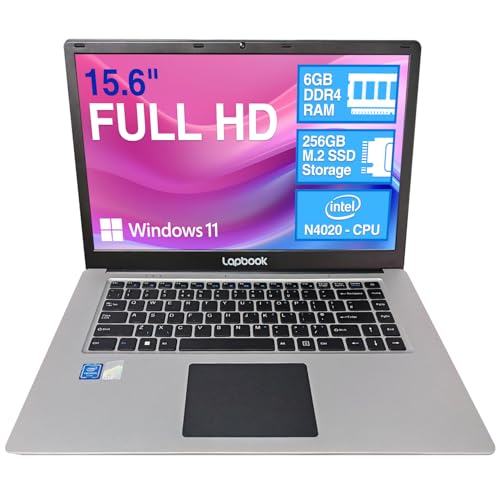
MacOS Ventura’s Live Text feature, on the other hand, extracts information from photos and allows users to interact with it – a feature that could prove extremely useful for professionals and creatives.
Ultimately, the functionality of each system boasts features that cater best to different user needs and habits.
Compatibility and System Requirements: A Decisive Factor
These two operating systems have certain caveats regarding compatibility.
Windows 11’s advanced features come with a higher bar set for system requirements, potentially alienating users with older hardware.
Additionally, the compulsory requirement of TPM (Trusted Platform Module) 2.0 might limit its reach, as some older CPUs lack this security chip.
Meanwhile, MacOS Ventura continues the Apple tradition of exclusivity.
While it claims broad compatibility across Apple devices, it remains inaccessible to the non-Apple ecosystem, limiting its user base significantly.
Recommended to our readers: Click here
Security: The Digital Fortress
Both Windows 11 and MacOS Ventura have emphasized security in their updates.
Recognized as the most secure version of Windows yet, Windows 11 mandates TPM 2.0 as a minimum requirement – a push