Google Nest Hub vs Amazon Echo Show: A Battle of Smart Displays
Smart home devices have become an integral part of modern living, offering convenience at the tip of our fingers.
Among the most popular choices are the Google Nest Hub and Amazon Echo Show, both of which serve as smart displays packed with features to make life easier.
As consumers navigate the landscape of these tech giants’ offerings, a comparison between the Google Nest Hub and Amazon Echo Show proves to be essential.
Let’s dive into a detailed analysis of these two devices to help you choose the one that best fits your needs and lifestyle.
Recommended to our readers: Click here
Features of the Google Nest Hub and Amazon Echo Show
The Google Nest Hub and Amazon Echo Show both boast a range of features that cater to different aspects of a smart home lifestyle.
The Google Nest Hub integrates seamlessly with Google Assistant, allowing users to access their calendars, set reminders, control smart home devices, and even stream videos on YouTube.
On the other hand, the Amazon Echo Show comes equipped with Alexa, which offers similar functionalities such as controlling smart home devices, playing music, setting timers, and answering queries through its vast database of skills.
When it comes to design, the Google Nest Hub features a compact, minimalistic design with a 7-inch touchscreen display that blends well with various home aesthetics.
In contrast, the Amazon Echo Show is available in different screen sizes, with the latest models featuring larger displays for enhanced visual experiences.
Voice Assistants Comparison: Google Assistant vs Alexa
Google Assistant and Alexa are two of the most popular voice assistants in the market, powering the Google Nest Hub and Amazon Echo Show, respectively.
Google Assistant is known for its robust integration with Google services, offering personalized experiences based on a user’s preferences and habits.
It excels in tasks such as scheduling appointments, providing traffic updates, and answering questions with accurate information sourced from the web.
On the other hand, Alexa is praised for its extensive compatibility with a wide range of smart home devices and third-party skills.
Users can easily expand the capabilities of their Amazon Echo Show by enabling skills that cater to specific needs, such as ordering food, playing games, or controlling smart appliances.
Display Quality and Multimedia Capabilities
The display quality of a smart display plays a crucial role in enhancing user experiences, whether it’s for watching videos, viewing recipes, or making video calls.
The Google Nest Hub offers vibrant colors and sharp images on its compact 7-inch display, making it suitable for casual entertainment and information browsing.
In contrast, the Amazon Echo Show’s larger screen sizes provide a more immersive viewing experience, especially for video content and video calls where clarity and detail matter.
Additionally, the latest models of the Amazon Echo Show feature HD displays with adaptive brightness, ensuring optimal viewing under different lighting conditions.
In terms of multimedia capabilities, both devices support streaming services like Spotify, Pandora, and Amazon Music, allowing users to listen to their favorite tunes with simple voice commands.
Additionally, the ability to watch videos on platforms like YouTube and Prime Video adds another layer of entertainment to the overall smart display experience.
Design and Display: Where Form Meets Function
When it comes to design, the Google Nest Hub and Amazon Echo Show both offer sleek and modern aesthetics that can complement any living space.
The Nest Hub boasts a minimalist design with a fabric-covered base that blends seamlessly into any decor.
Its compact size makes it ideal for small spaces, such as bedside tables or kitchen counters.
On the other hand, the Echo Show features a more angular design with a larger screen, giving it a slightly more futuristic look.
In terms of display quality, the Google Nest Hub features a 7-inch touchscreen with vibrant colors and sharp images, perfect for displaying recipes, photos, and videos.
In comparison, the Amazon Echo Show comes in two sizes—a 8-inch and a 10-inch display—both offering crisp visuals that are great for watching videos or making video calls.
Whether you prefer the smaller, more subtle design of the Nest Hub or the larger, more imposing presence of the Echo Show will largely depend on your personal aesthetic preferences and space constraints.
Design Elements:
Both the Google Nest Hub and Amazon Echo Show are well-crafted in terms of design, incorporating various elements that enhance their overall appeal.
The Nest Hub’s fabric-covered base not only adds a touch of warmth to its appearance but also serves functional purposes like allowing sound to pass through easily.
This thoughtful design feature ensures that the device not only looks good but also performs well in terms of audio quality.
On the other hand, the Amazon Echo Show’s angular design exudes a more modern and tech-savvy vibe, which might appeal to those looking for a statement piece in their living space.
The larger screen size of the Echo Show not only enhances its visual presence but also offers a more immersive viewing experience, particularly when watching movies or engaging in video calls.
Customization Options:
Both devices also provide users with customization options to further tailor the devices to their preferences.
The Google Nest Hub offers a variety of clock faces and ambient display settings, allowing users to personalize the device based on their style and mood.
Additionally, users can customize the Nest Hub’s home screen to display family photos, weather updates, or upcoming calendar events, adding a personal touch to the device.
Similarly, the Amazon Echo Show offers various home screen backgrounds and clock faces to choose from, enabling users to change the look of the device based on their personal preferences.
With the Echo Show, users can also set up routines to automate tasks and control smart home devices, creating a personalized experience that integrates seamlessly into their daily routines.
Versatility in Placement:
Both the Google Nest Hub and Amazon Echo Show offer flexibility in terms of placement within a home environment.
The Nest Hub’s compact size makes it easy to fit into various spaces, from nightstands to kitchen counters, without overwhelming the decor.
Its understated design ensures that it can blend in seamlessly with different styles and aesthetics.
In contrast, the larger size and slightly more imposing presence of the Amazon Echo Show make it a focal point in a room, ideal for areas where a larger display is desired.
The Echo Show’s versatility in placement allows users to place it on countertops, shelves, or desks, adding both functionality and style to different areas of the home.
Voice Assistant Capabilities: Google Assistant vs Alexa
At the heart of these smart displays are their voice assistant capabilities—Google Assistant for the Nest Hub and Alexa for the Echo Show.
Both voice assistants are highly advanced and responsive, allowing users to control smart home devices, set reminders, check the weather, play music, and more, using just their voice commands.
Google Assistant is known for its robust search capabilities, thanks to Google’s vast database of information.
This means that when you ask the Nest Hub a question, you’re likely to get a more detailed and accurate answer compared to Alexa.
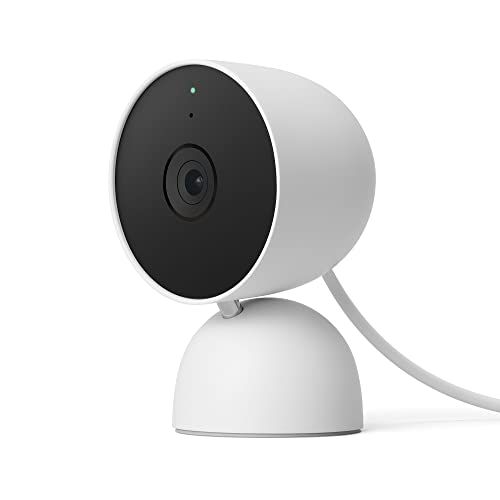
On the other hand, Alexa excels at integrating with a wide range of third-party smart home devices, making it a great choice if you have a diverse smart home setup.
Google Assistant Search Capabilities:
Google Assistant’s search capabilities are powered by Google’s powerful search engine, which allows users to access a wealth of information with just a simple voice command.
For example, if you ask Google Assistant on the Nest Hub about the weather, it can provide detailed hourly forecasts, extended forecasts for the week, and even weather alerts for your specific location.
This level of detail and accuracy sets Google Assistant apart when it comes to answering informational queries.
Alexa’s Third-Party Smart Home Integration:
One of Alexa’s strengths lies in its extensive compatibility with a wide range of smart home devices from various brands.
Whether you have smart lights from Philips Hue, a smart thermostat from Nest, or smart security cameras from Ring, Alexa can seamlessly connect and control these devices through voice commands.
This versatility makes Alexa a top choice for users with diverse smart home setups, as it streamlines the management and operation of multiple devices within a single ecosystem.
Voice Assistant Personalization Features:
Both Google Assistant and Alexa offer personalization features that enhance the user experience.
Google Assistant can recognize different voices within a household, allowing for tailored responses based on individual preferences.
For instance, each family member can have their own calendar events, reminders, and music preferences set up with their unique voice profile.

On the other hand, Alexa provides users with customizable skills and routines, enabling them to create personalized commands for specific tasks or automate daily routines.
For example, users can create a morning routine that turns on lights, reads the news, and brews coffee with a single voice command.
These personalization features add a layer of convenience and efficiency to the overall smart home experience.
Entertainment and Connectivity: Streaming and Multiroom Audio
When it comes to entertainment options, both the Google Nest Hub and Amazon Echo Show offer a variety of streaming services, including Spotify, YouTube, and Netflix (on the Echo Show).
Whether you’re cooking in the kitchen and want to follow a recipe on YouTube or you’re relaxing in the living room and want to stream your favorite playlist, these devices have you covered.
One standout feature of the Amazon Echo Show is its multiroom audio capability, which allows you to sync music playback across multiple Echo devices in different rooms.
This is perfect for creating a seamless audio experience throughout your home, whether you’re hosting a party or simply moving from room to room.
On the other hand, the Nest Hub offers a more limited streaming service selection but makes up for it with seamless integration with other Google devices, such as Chromecast and Google Photos.
Expanded Streaming Services Offered by Google Nest Hub and Amazon Echo Show:
In addition to Spotify, YouTube, and Netflix, the Google Nest Hub and Amazon Echo Show provide access to a wide range of other popular streaming services, such as Hulu, Amazon Prime Video, Pandora, and more.
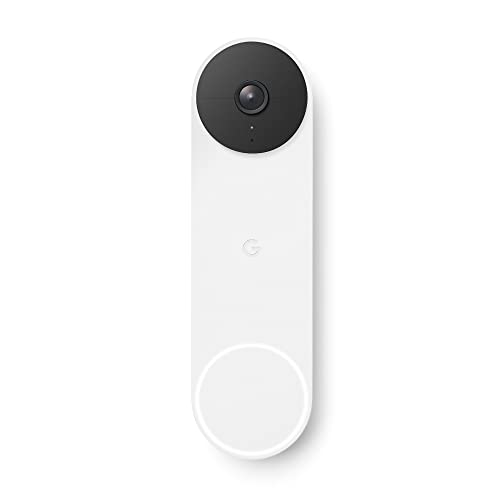
This extensive selection ensures that users have endless entertainment options at their fingertips, catering to various preferences and interests.
Recommended to our readers: Click here
Furthermore, both devices offer voice control functionalities, allowing users to easily search for and play their favorite movies, TV shows, songs, or videos hands-free.
Recommended to our readers: Click here
This convenience enhances the overall user experience by providing a seamless and intuitive way to access and enjoy media content.
Advanced Multiroom Audio Features of Amazon Echo Show:

The multiroom audio capability of the Amazon Echo Show extends beyond just syncing music playback.
Users can create speaker groups, assigning different Echo devices to specific rooms or areas within the home.
This customization enables users to tailor their audio setup to match the layout of their living space, delivering an immersive and personalized listening experience.
Moreover, the Echo Show’s multiroom audio feature supports stereo pairing, allowing users to connect two Echo devices in the same room for enhanced sound quality and depth.
This functionality is ideal for music enthusiasts or audiophiles looking to elevate their listening experience to a higher level.
Seamless Integration with Google Ecosystem:
While the Google Nest Hub may have a more limited streaming service selection compared to the Echo Show, its strength lies in its seamless integration with the broader Google ecosystem.
Users can easily cast content from their Chromecast-enabled devices to the Nest Hub, creating a connected and cohesive entertainment system within their home.
Additionally, the Nest Hub’s integration with Google Photos enables users to display their personal photo collections as digital photo frames.
This feature adds a touch of personalization to the device, transforming it into a dynamic display that showcases cherished memories and moments captured through photos and videos.
Smart Home Control and Interconnectivity:
Both the Google Nest Hub and Amazon Echo Show serve as central hubs for smart home control, allowing users to manage and control connected devices such as smart lights, thermostats, cameras, and more.
Recommended to our readers: Click here
With voice commands or touch controls, users can easily adjust settings, create routines, and automate tasks, enhancing the overall convenience and efficiency of their home environment.
Smart Home Compatibility: Controlling Your Connected Devices
Both the Google Nest Hub and Amazon Echo Show serve as central hubs for controlling your smart home devices, from lights and thermostats to security cameras and door locks.
However, the level of compatibility and ease of use can vary between the two devices.
The Amazon Echo Show boasts an extensive list of compatible smart home devices, thanks to the widespread adoption of Alexa in the smart home market.
Setting up and controlling these devices is usually a breeze, thanks to Alexa’s intuitive voice commands and routines feature.
On the other hand, the Google Nest Hub offers seamless integration with Google’s ecosystem of smart home devices, such as Nest thermostats and cameras.
If you’re heavily invested in Google’s smart home products, the Nest Hub might offer a more cohesive and streamlined experience.
Smart Home Device Compatibility:
When considering which smart display to choose for your home, it’s essential to delve deeper into the compatibility of each device with different brands and types of smart home products.
Amazon Echo Show’s compatibility with a wide range of smart home devices is a significant advantage for users who may have a diverse set of products from different manufacturers.
This inclusivity allows users to create a versatile and interconnected smart home ecosystem that can be easily managed through the Echo Show.
Google Nest Hub, on the other hand, excels in offering seamless integration with Google’s own lineup of smart home devices.
For individuals who have already embraced Google’s ecosystem with products like Nest thermostats, cameras, and smart speakers, the Nest Hub provides a unified user experience.
This tailored integration ensures that users can leverage the full functionalities of their Google smart home devices through the Nest Hub, creating a cohesive and efficient home automation setup.
User-Friendly Control Options:
One key aspect to consider when evaluating smart home compatibility is the ease of control offered by each device.
The Amazon Echo Show stands out for its user-friendly interface and intuitive voice commands powered by Alexa.
Users can effortlessly control their connected devices by simply speaking commands or setting up routines that automate tasks based on specific triggers.
This streamlined control mechanism simplifies daily interactions with smart home devices, making it convenient and accessible for users of all technical backgrounds.
In comparison, the Google Nest Hub leverages Google Assistant to provide a sophisticated control experience for smart home devices.
Through the Nest Hub’s touchscreen display and voice activation, users can not only command their devices verbally but also enjoy visual feedback and controls for a more interactive experience.
This combination of voice and touch controls offers users a versatile and engaging way to manage their smart home ecosystem efficiently.
Conclusion: Making the Right Choice for Your Smart Home
In the ultimate showdown between the Google Nest Hub and Amazon Echo Show, both devices have their strengths and weaknesses.
The Nest Hub shines with its minimalist design, vibrant display, and deep integration with Google services.
On the other hand, the Echo Show impresses with its larger screen, multiroom audio capability, and extensive smart home device compatibility.
When choosing between the two, consider your priorities.
If you value a seamless smart home experience and prefer Google services, the Nest Hub may be the better choice.
On the other hand, if you have a diverse range of smart home devices and prioritize entertainment options, the Echo Show could be the ideal pick.
Recommended to our readers: Click here
Whichever you choose, both devices represent the cutting edge of smart home technology, bringing the future closer to home.
Integrating with Google Services vs. Amazon Ecosystem
One key consideration when deciding between the Google Nest Hub and Amazon Echo Show is the ecosystem you are already a part of.
The Nest Hub seamlessly integrates with Google services such as Gmail, Google Calendar, and Google Photos, allowing for a cohesive and intuitive user experience.
For those who heavily rely on Google’s suite of products, the Nest Hub’s compatibility can offer a seamless transition into a smart home setup that feels like a natural extension of their digital life.
On the other hand, the Echo Show is deeply entrenched in the Amazon ecosystem, providing easy access to Amazon Prime Video, Amazon Music, and Alexa skills.
If you are already an active Amazon user with subscriptions to Prime services, the Echo Show’s tight integration with Amazon’s offerings can enhance your daily interactions and streamline your entertainment experience.
Customization and Personalization Options

When weighing your options, take into account the level of customization and personalization each device offers.
The Google Nest Hub allows for personalized routines, ambient displays, and voice match features that cater to individual preferences.
These customization options can tailor the device to suit your specific needs and create a personalized smart home experience.
In comparison, the Amazon Echo Show offers a wide range of customization through Alexa skills and routines, allowing users to enhance their interactions with the device based on their unique preferences.
Whether it’s setting up personalized routines for waking up in the morning or integrating favorite third-party apps for added functionality, the Echo Show provides flexibility in tailoring the device to align with your lifestyle.
Voice Assistant Capabilities and Performance
Recommended to our readers: Click here
Another aspect to consider is the performance and capabilities of the voice assistants integrated into each device.
The Google Nest Hub features the Google Assistant, known for its robust search capabilities, natural language processing, and contextual understanding.
Google Assistant excels in answering questions, providing personalized recommendations, and controlling smart home devices with ease.
On the other hand, the Amazon Echo Show is powered by Alexa, Amazon’s voice assistant known for its vast library of skills, routines, and compatibility with a wide range of smart home devices.
Alexa’s strength lies in its third-party integrations and vast ecosystem of skills that enable users to accomplish tasks, play games, and access information through voice commands.
By considering these additional factors alongside the strengths and weaknesses of each device, you can make an informed decision that aligns with your preferences, lifestyle, and smart home needs.