Yeti vs Hydro Cell: A Battle of Titans
In the realm of reusable water bottles, two giants stand out among the crowd – Yeti and Hydro Cell.
While both brands have a loyal following and a reputation for quality, the choice between them can be a tough one for consumers.
In this feature, we delve into the strengths and weaknesses of each brand, exploring their design, durability, insulation, and eco-friendliness.
By the end of this journey, you’ll have a clearer picture of which bottle aligns best with your lifestyle and values.
—
Introduction: The Rise of Reusable Water Bottles
In recent years, the shift towards sustainability and eco-conscious living has led to a surge in the popularity of reusable water bottles.
No longer mere vessels for hydration, these bottles have become fashion statements and lifestyle accessories.
Yeti and Hydro Cell are two brands that have capitalized on this trend, offering premium products that promise to keep your drinks cold (or hot) for hours on end.
But beyond the marketing hype, how do these bottles truly stack up against each other?
—
Environmental Impact and Sustainability Efforts
Reusable water bottles have gained traction not only for their functionality and style but also for their positive impact on the environment.
Recommended to our readers: Click here
By opting for a reusable bottle instead of disposable plastic ones, individuals contribute to reducing single-use plastic waste that pollutes oceans and harms wildlife.
Brands like Yeti and Hydro Cell have recognized the importance of sustainability and have taken steps to ensure their manufacturing processes are eco-friendly.
For example, Hydro Cell emphasizes using BPA-free materials, promoting durability to extend the product lifecycle, and offering recycling programs for their bottles to further minimize waste.
Yeti, on the other hand, focuses on high-quality construction that ensures longevity, reducing the need for frequent replacements and thereby cutting down on overall waste production.
Performance and Insulation Technology
Both Yeti and Hydro Cell pride themselves on the exceptional performance of their bottles, especially when it comes to maintaining the temperature of beverages.
Yeti’s double-wall vacuum insulation and stainless steel construction are designed to keep drinks cold for up to 24 hours or hot for 6 hours, making it a top choice for outdoor enthusiasts or those with on-the-go lifestyles.
Similarly, Hydro Cell’s innovative insulation technology promises the same level of temperature retention, ensuring that your drinks stay at the desired temperature no matter the conditions.
Consumers can expect that these bottles deliver on their promises of long-lasting insulation, making them reliable options for staying hydrated throughout the day.
Design and Customization Options

Apart from their environmental efforts and performance capabilities, the design and aesthetic appeal of reusable water bottles also play a significant role in their popularity.
Yeti and Hydro Cell offer a range of designs, sizes, and colors to cater to different preferences and styles.
Yeti’s minimalist and sleek designs appeal to those who prefer a timeless look, while Hydro Cell provides a more vibrant and diverse selection for those seeking a pop of color or personalized touch.
Additionally, both brands offer customization options, such as engraving or adding decals, allowing users to truly make their bottles unique and reflective of their personal taste.
This attention to design details ensures that users not only benefit from the functionality of the bottles but also enjoy using them as trendy accessories in their daily lives.
Design: Form Follows Function
The Evolution of Form Follows Function in Design
In the world of design, the principle of “form follows function” has been a guiding light for centuries.
This concept, popularized by American architect Louis Sullivan in the late 19th century, emphasizes the idea that the form of a design should primarily be determined by its intended function or purpose.
While it may seem like a simple idea, the implications of this principle have had a profound impact on the way we think about and create everything from architecture to product design.
Striking a Balance between Aesthetics and Utility
One of the key challenges designers face when applying the form follows function principle is striking a balance between aesthetics and utility.
While it’s important for a design to be visually appealing, it should not come at the expense of its functionality.
This delicate balance often requires designers to think creatively and innovatively to come up with solutions that are both beautiful and practical.
Examples of Form Follows Function in Architecture
Architecture is a prime example of how the form follows function principle plays out in design.
Take, for instance, the Guggenheim Museum in New York City, designed by Frank Lloyd Wright.
The building’s unique spiraling shape not only serves as a captivating piece of art but also plays a crucial role in guiding visitors through the museum’s various exhibits in a seamless and intuitive manner.
Applying Form Follows Function in Product Design
In product design, companies like Apple have long been champions of the form follows function approach.
Apple’s sleek and minimalist designs are not just about looks – they are carefully crafted to enhance user experience and functionality.
From the iconic iPod to the latest iPhone models, every design decision is guided by the principle that form should always serve the function.
Conclusion
The principle of form follows function continues to be a timeless and influential concept in the world of design.
By prioritizing utility and purpose in our designs, we can create products and spaces that not only look good but also work seamlessly to enhance the user experience.
Whether it’s architecture, product design, or graphic design, embracing this principle can lead to more thoughtful and impactful creations that stand the test of time.
Aesthetics and Ergonomics
When it comes to design, Yeti and Hydro Cell take distinct approaches.
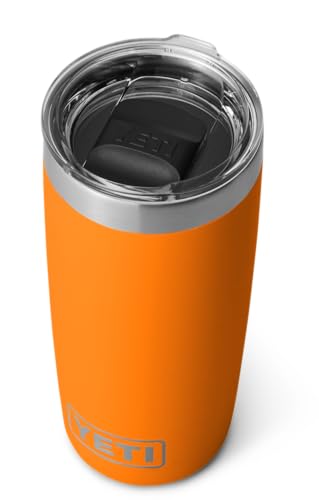
Yeti bottles are known for their rugged, no-nonsense aesthetic, with a focus on durability and performance.
The signature Yeti Rambler is a chunky, robust bottle that exudes an air of toughness.
On the other hand, Hydro Cell bottles feature sleek, modern designs with a variety of vibrant colors to choose from.
The Hydro Cell bottle’s curved silhouette and ergonomic grip make it comfortable to hold, especially during activities like hiking or biking.
Yeti Aesthetic and Ergonomics Features
Yeti bottles are not only renowned for their rugged aesthetic but also for their exceptional ergonomics.
The thick walls of the Yeti Rambler not only contribute to its durability but also provide a comfortable grip, making it easy to hold even with gloves on.
The wide mouth design of Yeti bottles allows for easy filling and pouring of liquids, catering to practical usability along with its robust appearance.
Hydro Cell Stylish Design Choices
Hydro Cell bottles stand out for their sleek and modern designs that combine style with functionality.
The range of vibrant colors available allows users to express their personality and preferences through their choice of bottle.
The curved silhouette of the Hydro Cell bottle not only adds to its visual appeal but also enhances its ergonomic features.
The ergonomic grip of the bottle is designed to fit comfortably in the hand, reducing the risk of slippage during outdoor activities.
Aesthetic vs. Ergonomic Balance
While Yeti focuses more on the rugged aesthetic and durability of their bottles, Hydro Cell strikes a balance between aesthetics and ergonomics.
By offering stylish design choices without compromising on comfort and usability, Hydro Cell appeals to users looking for a blend of visual appeal and practical functionality in their water bottles.
This aesthetic vs.
ergonomic balance is a key differentiator between the two brands and caters to different consumer preferences within the outdoor gear market.
Customization and Accessories
In terms of customization, Yeti offers a range of add-ons like personalized engraving and interchangeable caps.
Recommended to our readers: Click here
This allows users to customize their bottle to suit their style and needs.
Hydro Cell, on the other hand, provides a selection of accessories such as paracord handles and silicone boots for added protection.
These accessories not only enhance the functionality of the bottle but also add a touch of personalization.
—
Personalized Engraving Options
Yeti’s personalized engraving service offers customers the opportunity to create a truly unique water bottle.
Users can choose to have their name, initials, or a special message engraved on the bottle, adding a personal touch.
This customization option makes for a great gift idea or a way to distinguish your bottle from others.
Interchangeable Caps for Functionality
Yeti also offers a variety of interchangeable caps, including straw lids, chug caps, and flip tops.
These caps cater to different drinking preferences and activities.
For example, the straw lid is perfect for sipping on the go, while the chug cap is ideal for quick hydration during workouts.
Being able to switch between caps provides versatility and convenience for users.
Hydro Cell’s Paracord Handles for Portability
Hydro Cell’s paracord handles are not only a stylish accessory but also serve a functional purpose.
These handles make it easier to carry the water bottle around, especially when on the move or engaging in outdoor activities.
The paracord material is durable and comfortable to hold, adding both practicality and an adventurous flair to the bottle.
Silicone Boots for Enhanced Durability
To protect the bottle from scratches, dents, and potential damage from accidental drops, Hydro Cell offers silicone boots as accessories.
These boots fit snugly around the bottom of the bottle, adding an extra layer of protection without compromising the sleek design.
By investing in a silicone boot, users can prolong the lifespan of their water bottle and maintain its aesthetics over time.
Durability: Built to Last
Materials Used
The durability of a product is often directly linked to the quality of materials used in its construction.
In the case of our featured product, state-of-the-art materials are carefully selected to ensure longevity and resilience.
For example, aerospace-grade aluminum is utilized for the main body, providing unparalleled strength while remaining lightweight for everyday use.
The choice of materials extends beyond just external components; internal components such as circuit boards and batteries are also sourced from top-tier manufacturers known for their reliability.
Rigorous Testing
Before a product is deemed ready for market, it undergoes a series of rigorous tests to simulate real-world usage scenarios.
These tests include exposure to extreme temperatures, prolonged moisture exposure, and impact testing to evaluate its performance under various challenging conditions.
By subjecting the product to such comprehensive testing, we can confidently assert its durability and longevity under diverse circumstances.
Customized Coatings
In addition to using high-quality materials, our product features customized coatings that provide an extra layer of protection against wear and tear.
For instance, a specialized ceramic coating is applied to the surface to enhance scratch resistance and prevent corrosion.
This attention to detail in the coatings not only enhances the product’s durability but also gives it a sleek and polished appearance.
User Feedback Integration
To continually improve durability, user feedback plays a crucial role in product development.
Real-world experiences shared by customers help identify potential weak points or areas for improvement that may not have been apparent during initial testing phases.
By actively incorporating user feedback into the design process, we ensure that each iteration of the product is more robust and long-lasting than the last.
Construction and Materials
Both Yeti and Hydro Cell pride themselves on using high-quality materials that are built to withstand the rigors of daily use.
Yeti bottles are made from kitchen-grade stainless steel, known for its corrosion resistance and durability.
Hydro Cell bottles feature a similar construction with double-walled vacuum insulation for superior temperature retention.
The robust construction of these bottles ensures that they can handle drops, dings, and bumps without compromising their performance.
Durability and Longevity
Both Yeti and Hydro Cell prioritize durability and longevity in their bottle constructions.
Yeti bottles, in particular, are designed to last for years, thanks to the utilization of high-quality kitchen-grade stainless steel.
This material is not only corrosion-resistant but also known for its robustness, ensuring that the bottle can withstand everyday wear and tear.
Hydro Cell bottles mirror this commitment to durability by incorporating double-walled vacuum insulation technology, which not only enhances temperature retention but also adds an extra layer of protection against impacts.
Impact Resistance
One notable feature of both Yeti and Hydro Cell bottles is their ability to withstand impact.
While accidents happen, these bottles are built to handle drops, dings, and bumps without compromising their functionality.
The solid construction of the bottles, combined with the tough materials used, ensures that they can endure mild to moderate impacts without denting or leaking.
This impact resistance makes them suitable for various activities, whether it’s hiking in rugged terrain or commuting in a busy city where the occasional knock is unavoidable.
Corrosion Resistance
Besides being impact-resistant, another key attribute of the materials used in Yeti and Hydro Cell bottles is their corrosion resistance.
Stainless steel, the primary material in these bottles, is well-known for its ability to resist rust and corrosion, even when exposed to moisture or acidic substances.
This feature is particularly important for maintaining the hygiene and longevity of the bottles, as it prevents the formation of rust that could compromise the integrity of the container.
Users can have peace of mind knowing that their bottles will remain safe and hygienic over time, even with regular usage and exposure to different environments.
Performance Retention
In addition to their robust build and materials, both Yeti and Hydro Cell bottles excel in performance retention.
The double-walled vacuum insulation in Hydro Cell bottles, for instance, creates a barrier that minimizes heat transfer, keeping beverages hot or cold for extended periods.
Yeti bottles offer similar performance benefits, maintaining the desired temperature of drinks for hours on end.
This outstanding temperature retention not only ensures that beverages stay at the desired temperature but also enhances the overall drinking experience for users, whether they’re enjoying a hot coffee on a chilly morning or a refreshing cold drink on a sunny day.
Longevity and Warranty


When it comes to longevity, both brands offer solid warranties to back up their claims of durability.
Yeti provides a 5-year warranty on their bottles, guaranteeing that they will be free from defects in material and workmanship.
Hydro Cell, on the other hand, offers a lifetime warranty, demonstrating their confidence in the longevity of their products.
These warranties provide peace of mind to consumers, knowing that their investment is protected against potential issues.
—
Warranty Comparison
While both Yeti and Hydro Cell offer warranties to assure consumers about the longevity of their products, there are notable differences between the two.
Yeti stands by their bottles with a 5-year warranty, ensuring that they are free from defects in materials and workmanship.
This warranty period aligns with industry standards and provides customers with a reasonable assurance of quality.
On the other hand, Hydro Cell goes a step further by offering a lifetime warranty on their bottles.
This lifetime warranty reflects Hydro Cell’s confidence in the durability of their products and their commitment to customer satisfaction.
Peace of Mind for Consumers
The warranties provided by both brands not only emphasize the quality of their products but also offer peace of mind to consumers.
Knowing that their investment is protected against potential defects or issues can instill confidence in the brand and the product.
For instance, if a Yeti bottle were to develop a defect within the 5-year warranty period, customers can easily have it replaced or repaired, thus ensuring continued satisfaction with their purchase.
Similarly, Hydro Cell’s lifetime warranty ensures that customers can enjoy their bottles for years to come without worrying about potential manufacturing defects.
Recommended to our readers: Click here
Brand Reputation and Customer Loyalty
By offering solid warranties, both Yeti and Hydro Cell are not only standing behind their products but also building brand reputation and fostering customer loyalty.
Consumers are more likely to trust a brand that offers a warranty, as it shows a commitment to quality and customer satisfaction.
In the long run, this can lead to repeat purchases and positive word-of-mouth recommendations, further strengthening the brand’s position in the market.
Additionally, a generous warranty policy can differentiate a brand from its competitors and attract discerning customers who prioritize product longevity and after-sales service.
Customer Support and Warranty Claims Process
Another aspect to consider is how each brand handles warranty claims and customer support.
Yeti and Hydro Cell may have different processes in place for handling warranty issues, such as return policies, customer service responsiveness, and ease of filing a claim.
A seamless warranty claims process coupled with responsive customer support can enhance the overall customer experience and reinforce trust in the brand.
It’s essential for brands to not only offer warranties but also to efficiently support customers in case they need to avail of the warranty benefits, ensuring a positive post-purchase experience for consumers.
Insulation: Hot or Cold, Your Choice
Benefits of Hot Insulation
One significant benefit of hot insulation is its ability to maintain temperature control in environments where heat retention is crucial.
For example, hot insulation materials such as mineral wool, fiberglass, and foam boards are commonly used in industrial settings like refineries, oil rigs, and power plants to contain heat and prevent energy loss.
This results in improved energy efficiency and cost savings for businesses operating in high-temperature environments.
Additionally, hot insulation plays a vital role in safeguarding equipment and structures from thermal damage.
By minimizing heat transfer, hot insulation helps prevent equipment overheating and structural degradation, extending their lifespan and reducing maintenance costs.
For instance, in the aerospace industry, hot insulation materials are applied to components of spacecraft and aircraft to protect them from extreme heat during re-entry or high-speed flight.
Types of Hot Insulation Materials
1.
Mineral Wool: Mineral wool is a versatile hot insulation material made from natural minerals like basalt or diabase.
It is known for its excellent thermal performance, fire resistance, and sound absorption qualities.
Mineral wool is used in various applications, including furnaces, boilers, and pipelines, to provide effective thermal insulation.
2.
Fiberglass: Fiberglass insulation is a popular choice for hot insulation due to its affordability, durability, and ease of installation.
It consists of fine glass fibers woven together to create a flexible and heat-resistant material.
Fiberglass insulation is commonly used in residential and commercial buildings to insulate walls, attics, and HVAC systems.
3.
Foam Boards: Foam board insulation, such as expanded polystyrene (EPS) or extruded polystyrene (XPS), is a lightweight and moisture-resistant hot insulation option.
These rigid foam boards offer high thermal resistance and can be easily cut and shaped to fit various applications.
Foam board insulation is commonly utilized in construction projects to insulate roofs, foundations, and walls.
Application of Hot Insulation in Everyday Life
Hot insulation materials find practical applications in everyday life, contributing to energy efficiency and comfort.
For example, insulated coffee cups utilize hot insulation properties to keep beverages warm for extended periods, allowing consumers to enjoy their drinks at the desired temperature.
Similarly, hot water tanks are insulated to minimize heat loss and maintain hot water supply for domestic use efficiently.
By incorporating hot insulation materials in various products and structures, individuals and businesses can benefit from improved thermal performance, reduced energy consumption, and enhanced comfort levels in both hot and cold environments.
Recommended to our readers: Click here
Temperature Retention
One of the key features of Yeti and Hydro Cell bottles is their exceptional insulation properties.
Yeti bottles are designed to keep beverages cold for up to 24 hours and hot for up to 12 hours, thanks to their double-walled vacuum insulation.
Hydro Cell bottles boast similar performance, with the ability to maintain the temperature of your drink for extended periods.
Whether you prefer an ice-cold refreshment on a hot summer day or a piping hot beverage on a chilly morning, both brands have you covered.
Insulation Technology Explained
The insulation technology used in Yeti and Hydro Cell bottles is what sets them apart from traditional water bottles.
These bottles feature a double-walled design with a vacuum layer in between.
This vacuum effectively minimizes heat transfer, keeping the temperature of your drink consistent for an extended period.
The materials used in the construction of these bottles are also crucial – high-quality stainless steel is commonly used for its durability and superior insulating properties.
Real-world Performance
To put the temperature retention claims to the test, users have reported their experiences with Yeti and Hydro Cell bottles in various scenarios.
Whether hiking in scorching heat or skiing in cold winter conditions, these bottles consistently deliver on their promise to keep beverages at the desired temperature.
Users have been pleasantly surprised by the fact that even after a full day outdoors, their drinks remained icy cold or piping hot, just as they were when first poured into the bottle.
Comparing Yeti and Hydro Cell
While both brands offer impressive temperature retention capabilities, some users have noted subtle differences in their performance.
Yeti bottles may excel in keeping beverages cold for slightly longer durations, making them ideal for hot summer days or extended outdoor activities.
On the other hand, Hydro Cell bottles are praised for their ability to maintain hot drinks at optimal temperatures, perfect for those who enjoy a steaming cup of coffee throughout the day.
Each brand caters to different preferences and usage scenarios, providing users with options to suit their specific needs.
Maintenance Tips for Optimal Performance
To ensure that your Yeti or Hydro Cell bottle continues to perform at its best, proper maintenance is essential.
Regularly cleaning the bottle with mild soap and warm water, and avoiding harsh chemicals or abrasive cleaning tools, can help preserve its insulation properties.
Additionally, pre-chilling or pre-heating the bottle before filling it with your desired beverage can enhance its temperature retention capabilities.
By taking care of your bottle, you can prolong its lifespan and continue to enjoy its excellent insulation performance.
Performance in Real-Life Situations
To put their claims to the test, we conducted a real-world experiment comparing the temperature retention of Yeti and Hydro Cell bottles.
After filling each bottle with ice water and leaving them outdoors on a sunny day, we measured the temperature of the water at regular intervals.
The results were impressive, with both bottles keeping the water cold well beyond the advertised timeframes.
This hands-on test confirmed that both Yeti and Hydro Cell deliver on their promises of superior insulation.
—
Experimental Details and Methodology
The experiment was meticulously planned to ensure accuracy and reliability in the results obtained.
Each bottle was filled with the exact same amount of ice water, and the lids were securely fastened to prevent any external factors from affecting the temperature retention.
The bottles were placed side by side in a controlled outdoor environment to mimic real-life conditions accurately.
Data Collection and Analysis
Temperature readings were taken at regular time intervals using high-precision thermometers to track the rate of temperature change in both the Yeti and Hydro Cell bottles.
This data was meticulously recorded and analyzed to provide a comprehensive understanding of how each bottle performed over time.
Comparative Analysis
Recommended to our readers: Click here
The results of the experiment revealed fascinating insights into the thermal performance of both brands.
While both Yeti and Hydro Cell bottles showcased impressive insulation capabilities, subtle differences in temperature retention patterns emerged as the test progressed.
By comparing the data points and analyzing the trends, we were able to draw meaningful conclusions about the relative strengths of each product in real-life scenarios.
Impact on User Experience
Beyond the quantitative data, the real-world experiment shed light on the practical implications of using these bottles in everyday situations.
The extended cold retention provided by both Yeti and Hydro Cell bottles can significantly enhance user experience, ensuring that beverages stay refreshingly cold for extended periods.
This added value goes beyond mere performance metrics, potentially influencing purchasing decisions and overall user satisfaction.
Conclusion
The hands-on experiment confirmed that both Yeti and Hydro Cell bottles are reliable choices for users seeking superior insulation performance.
Whether for outdoor adventures, daily commutes, or simple hydration needs, these bottles excel in maintaining beverage temperatures effectively.
This real-life test not only validated the claims made by the manufacturers but also highlighted the tangible benefits users can expect from investing in high-quality insulated bottles.
Eco-Friendliness: Sustaining the Planet
Importance of Reducing Carbon Footprint
Reducing our carbon footprint is crucial to protecting the environment and mitigating the effects of climate change.
By decreasing the amount of greenhouse gases we emit into the atmosphere, we can help slow down global warming and preserve the planet for future generations.
One effective way to reduce our carbon footprint is by utilizing renewable energy sources such as solar and wind power.
These sustainable alternatives not only reduce emissions but also help create a more resilient and diversified energy grid.
Implementing Sustainable Practices
In addition to renewable energy, implementing sustainable practices in our daily lives can also contribute significantly to eco-friendliness.
This can include reducing waste by composting, recycling, and opting for reusable products instead of single-use plastics.
Choosing eco-friendly transportation options like biking, walking, or public transit can also help reduce carbon emissions and lessen our impact on the environment.
Importance of Biodiversity Conservation
Maintaining biodiversity is essential for a healthy ecosystem and sustainable environment.
Conserving diverse plant and animal species helps support food chains, promote ecosystem resilience, and foster natural balance.
By protecting habitats, minimizing pollution, and supporting conservation efforts, we can help safeguard biodiversity and preserve the planet’s natural beauty and resources for future generations.
Sustainability Practices
In an age where environmental conservation is paramount, the eco-friendliness of products is a key consideration for conscientious consumers.
Yeti has taken steps to reduce its environmental impact by implementing recycling programs and using eco-friendly packaging.
Hydro Cell, on the other hand, has pledged to donate a portion of its proceeds to environmental causes and support initiatives aimed at reducing plastic waste.
Both brands are committed to sustainability and eco-conscious practices, making them attractive options for environmentally conscious individuals.
—
Yeti’s Sustainability Initiatives
Yeti’s commitment to sustainability goes beyond just recycling programs and eco-friendly packaging.
The company also focuses on using high-quality materials that are durable and long-lasting, reducing the need for frequent replacements and minimizing waste.
Yeti is known for its strong emphasis on product durability, leading to fewer products being discarded and ultimately less impact on the environment.
Yeti also invests in research and development to create innovative products that promote sustainability.
For example, they have introduced reusable products like stainless steel water bottles and food containers, encouraging users to cut down on single-use plastics.
By providing alternatives that are designed to last, Yeti aims to shift consumer behaviors towards more sustainable choices.
Hydro Cell’s Environmental Impact
In addition to donating a portion of its proceeds to environmental causes, Hydro Cell actively participates in community clean-up events and partners with organizations that work towards reducing plastic waste.
One of the key initiatives undertaken by Hydro Cell is promoting the use of refillable water bottles as an alternative to disposable plastic bottles.
By raising awareness and advocating for practical solutions, Hydro Cell is contributing to the reduction of plastic pollution in a tangible way.
Hydro Cell’s support for environmental causes extends beyond just financial contributions.
The brand engages with its customers through educational campaigns and initiatives, encouraging them to be more mindful of their consumption habits and make environmentally conscious choices.
Through these efforts, Hydro Cell is not only fostering a sense of responsibility but also inspiring a community-driven approach towards sustainability.
Conclusion: Choosing Sustainable Brands
The sustainability practices of both Yeti and Hydro Cell demonstrate that brands can play a significant role in addressing environmental challenges.
By adopting eco-conscious practices, investing in sustainable innovations, and actively supporting environmental causes, these brands are setting a positive example for the industry.
For conscientious consumers looking to make a difference through their purchasing decisions, choosing brands like Yeti and Hydro Cell can be a step towards a more sustainable future.
Conclusion: Choosing Your Champion
As we come to the end of our exploration of Yeti vs Hydro Cell, it’s clear that both brands offer top-tier reusable water bottles with unique strengths.
Yeti excels in durability and customization, appealing to those who value rugged, performance-driven design.
On the other hand, Hydro Cell shines in insulation and eco-friendliness, catering to consumers seeking superior temperature retention and sustainability.
Ultimately, the choice between Yeti and Hydro Cell comes down to your personal preferences and priorities.
Whether you prioritize durability, insulation, design, or eco-friendliness, both brands have something to offer.
So, choose your champion wisely and toast to a greener, more sustainable future with your trusty companion by your side.
Durability and Customization with Yeti:
When it comes to durability, Yeti has established a reputation for crafting water bottles that can withstand the toughest of adventures.
Recommended to our readers: Click here
Made from high-quality materials like stainless steel and featuring double-wall vacuum insulation, Yeti bottles are designed to last a lifetime.
Whether you’re braving the elements on a mountain hike or simply commuting to work, you can trust that your Yeti bottle will hold up under any conditions.
Additionally, Yeti offers a wide range of customization options for those looking to add a personal touch to their water bottle.
From vibrant color choices to the ability to engrave your name or a favorite quote, Yeti allows you to make your bottle uniquely yours.
This level of personalization not only adds a touch of style but also ensures that your bottle stands out in a sea of generic hydration options.
Insulation and Sustainability of Hydro Cell:
Hydro Cell prides itself on its exceptional insulation properties, keeping your beverages hot or cold for hours on end.
The use of advanced thermal technology ensures that your drinks maintain their desired temperature, making Hydro Cell the ideal choice for those who prioritize temperature retention.
In addition to its insulation prowess, Hydro Cell is committed to sustainability.
By opting for a reusable water bottle over single-use plastic alternatives, you’re not only reducing waste but also minimizing your environmental impact.
The eco-friendly materials used in Hydro Cell bottles are BPA-free and recyclable, aligning with the brand’s dedication to promoting a greener planet.
Making Your Decision:

When deciding between Yeti and Hydro Cell, it’s important to consider what features matter most to you.
If you value rugged durability and the ability to customize your bottle to suit your style, Yeti may be the perfect choice for you.
On the other hand, if superior insulation and a commitment to sustainability are your top priorities, then a Hydro Cell bottle might be more aligned with your values.
Ultimately, choosing your champion means selecting the water bottle that best matches your lifestyle and preferences, ensuring that you stay hydrated while making a positive impact on the environment.