Whey Protein vs Plant-Based Protein: Unveiling the Protein Powerhouses
In the realm of fitness and nutrition, the debate between whey protein and plant-based protein has been an ongoing discussion among health enthusiasts and athletes.
While both types of protein offer various benefits, they also come with their own set of unique characteristics and considerations.
Let’s delve into the world of protein supplements and uncover the differences, benefits, and potential drawbacks of whey protein versus plant-based protein.
Whey Protein: The Gold Standard of Protein Supplementation
Whey protein is a complete protein that contains all nine essential amino acids required for muscle growth and repair.
Recommended to our readers: Click here
It is derived from dairy products during the cheese-making process.
One of the key advantages of whey protein is its high bioavailability, which means it is quickly and easily absorbed by the body.
This makes it an ideal choice for post-workout supplementation to support muscle recovery and growth.
Additionally, whey protein is rich in branched-chain amino acids (BCAAs) like leucine, which play a crucial role in promoting muscle protein synthesis.
Plant-Based Protein: The Sustainable Muscle Fuel
Plant-based protein sources like pea protein, soy protein, and brown rice protein have gained popularity among individuals looking for cruelty-free and environmentally sustainable options.
While some plant proteins may not be as high in certain amino acids as whey protein, combining different plant protein sources can help create a complete amino acid profile.
Plant-based protein supplements are also often free from common allergens like dairy and soy, making them suitable for individuals with dietary restrictions or sensitivities.
Factors to Consider When Choosing Between Whey and Plant-Based Proteins
When deciding between whey and plant-based protein supplements, several factors should be taken into consideration.
These include individual dietary preferences, any existing food allergies or intolerances, fitness goals, and overall health and wellness objectives.
It’s essential to assess the quality, taste, texture, digestibility, and macronutrient profile of each protein source to determine which option aligns best with your needs and preferences.
Experimenting with different protein sources and listening to your body’s response can help you find the most suitable protein supplement for your lifestyle.
The Rise of Protein Supplementation in Modern Wellness
In today’s health-conscious society, protein supplementation has become a ubiquitous part of many individuals’ daily routines.
Whether you are looking to build muscle, recover from intense workouts, or simply meet your daily protein requirements, protein supplements offer a convenient and efficient way to boost your protein intake.
Among the myriad of protein options available, whey protein and plant-based protein stand out as two popular choices that cater to different dietary preferences and lifestyle choices.
The Benefits of Whey Protein and Plant-Based Protein
Whey protein, derived from dairy sources, is a complete protein containing all essential amino acids necessary for muscle growth and repair.
It is quickly absorbed by the body, making it an ideal post-workout supplement for muscle recovery.
Whey protein also contains high levels of leucine, an amino acid that plays a crucial role in muscle protein synthesis.
Plant-based proteins, on the other hand, are derived from sources such as peas, rice, hemp, soy, or quinoa.
These proteins are suitable for individuals following vegetarian, vegan, or dairy-free diets.
Plant-based proteins are rich in fiber, antioxidants, and phytonutrients, making them a more holistic choice for overall health and wellness.
They are also considered more sustainable and environmentally friendly compared to animal-based protein sources.
Choosing the Right Protein Supplement for Your Goals
When selecting a protein supplement, it is essential to consider your specific health and fitness goals.
If you are aiming to increase muscle mass and strength, whey protein may be more suitable due to its rapid absorption and high amino acid content.
On the other hand, if you are focused on maintaining or improving overall health while following a plant-based diet, plant-based protein powders could be the better option.
It is also important to pay attention to additional ingredients in protein supplements, such as added sugars, artificial flavors, and preservatives.
Opt for products with minimal additives and natural ingredients to support your overall wellness goals.
Additionally, consider factors like taste, texture, and mixability when choosing a protein supplement that aligns with your preferences and lifestyle.
The Role of Protein Supplementation in Performance and Recovery
Protein supplementation plays a vital role in supporting athletic performance and enhancing recovery.
Consuming an adequate amount of protein post-exercise helps to repair and build muscle tissue, aiding in recovery and reducing muscle soreness.
Including protein supplements in your diet can also help you meet your daily protein requirements, especially if you have increased protein needs due to intense physical activity or specific health conditions.
Whether you opt for whey protein or plant-based protein, incorporating a protein supplement into your daily routine can be a convenient way to ensure you are meeting your body’s protein needs to support your fitness and wellness goals.
Understanding Whey Protein: A Dairy-Derived Dynamo
Recommended to our readers: Click here
Benefits of Whey Protein for Muscle Growth
Whey protein contains a high amount of essential amino acids, particularly leucine, which plays a crucial role in stimulating muscle protein synthesis.
This makes whey protein an ideal supplement for individuals looking to build and maintain muscle mass, such as athletes and fitness enthusiasts.
Additionally, whey protein is quickly absorbed by the body, making it an efficient source of protein for post-workout recovery.
Moreover, whey protein is rich in branched-chain amino acids (BCAAs), including leucine, isoleucine, and valine, which are vital for muscle repair and growth.
These BCAAs are especially helpful in minimizing muscle soreness and speeding up recovery after intense exercise sessions.
By incorporating whey protein into their diet, individuals can provide their muscles with the necessary building blocks for growth and repair, aiding in overall strength and muscle development.
Origins and Composition:
Whey protein, a byproduct of cheese production, is a complete protein source derived from cow’s milk.
It contains all essential amino acids, making it a high-quality protein option for individuals seeking to support muscle growth and recovery.
Whey protein is available in various forms, including whey protein concentrate, whey protein isolate, and whey protein hydrolysate, each offering different protein concentrations and processing methods.
Whey Protein Concentrate:
Whey protein concentrate is one of the most common forms of whey protein available on the market.
It typically contains around 70-80% protein, with the remaining composition including some carbohydrates and fats.
This form of whey protein undergoes minimal processing, retaining more nutrients and bioactive compounds compared to other forms.
It is often favored for its affordability and relatively good taste compared to isolate and hydrolysate.
Recommended to our readers: Click here
Whey Protein Isolate:
Whey protein isolate is a more refined form of whey protein that undergoes additional processing to remove most of the carbohydrates and fats, resulting in a product that is more than 90% protein.
This makes whey protein isolate ideal for individuals who are lactose intolerant or looking for a protein source with minimal calories and fats.
While it may lack some of the beneficial nutrients found in concentrate, isolate is often preferred by those aiming to increase protein intake without additional macronutrients.
Whey Protein Hydrolysate:
Whey protein hydrolysate is a pre-digested form of whey protein that undergoes enzymatic hydrolysis to break down proteins into smaller peptides.
This process enhances the rate of digestion and absorption, making whey protein hydrolysate an excellent option for individuals with digestive issues or those seeking rapid delivery of amino acids to the muscles post-workout.
However, it tends to be more expensive than concentrate and isolate due to the additional processing involved.
Benefits and Performance:
Whey protein is renowned for its rapid absorption rate, making it an ideal post-workout supplement to kickstart muscle protein synthesis and enhance recovery.
Studies have shown that whey protein supplementation can improve muscle protein accretion, enhance strength gains, and promote overall muscle health.
Athletes and fitness enthusiasts often opt for whey protein for its efficient amino acid profile and fast-acting properties.
Whey Protein and Muscle Protein Synthesis
Whey protein contains a high concentration of essential amino acids, particularly leucine, which is crucial for stimulating muscle protein synthesis.
When consumed after a workout, whey protein provides a rapid influx of amino acids to the muscles, creating an optimal environment for muscle repair and growth.
This ability to quickly boost muscle protein synthesis makes whey protein a favorite supplement among athletes and bodybuilders looking to maximize their gains.
Enhanced Recovery and Performance
In addition to its role in muscle protein synthesis, whey protein has been shown to accelerate post-exercise recovery.
By replenishing the muscles with essential building blocks, whey protein helps reduce muscle soreness and fatigue, allowing individuals to bounce back more quickly from intense training sessions.
This enhanced recovery can lead to improved performance over time, as athletes are able to train harder and more frequently without experiencing as much muscle damage.
Strength and Muscle Gains
Numerous studies have demonstrated the positive impact of whey protein supplementation on strength gains and muscle development.
By providing a readily available source of high-quality protein, whey protein can support muscle growth and repair, leading to increases in lean muscle mass and overall strength.
This makes whey protein a valuable tool for individuals looking to enhance their athletic performance or achieve specific fitness goals.
Additional Health Benefits
Beyond its effects on muscle protein accretion and performance, whew protein offers a range of other health benefits.
Whey protein has been linked to improved immune function, weight management, and satiety due to its high protein content and amino acid profile.
Incorporating whey protein into a balanced diet can contribute to overall muscle health, fitness, and well-being.
Exploring Plant-Based Protein: Harnessing the Power of Plants
Benefits of Plant-Based Proteins
Plant-based proteins offer a wide range of benefits beyond just their protein content.
They are often lower in saturated fats and cholesterol compared to animal products, making them heart-healthy choices.
Plants also contain various essential nutrients like fiber, vitamins, minerals, and antioxidants that contribute to overall health and well-being.
For example, legumes such as lentils and chickpeas not only provide protein but also offer a good source of fiber, iron, and folate.
Sustainability of Plant-Based Proteins
In addition to being nutritious, plant-based proteins are more sustainable and environmentally friendly than animal-based proteins.
Producing plant proteins generally requires less water, land, and resources compared to raising livestock.
For instance, soybeans have a lower environmental impact in terms of water and land use when compared to cattle farming.
By choosing plant-based proteins, individuals can reduce their carbon footprint and help promote a more sustainable food system.
Diverse Sources of Plant-Based Proteins
Plant-based proteins come from a diverse range of sources, allowing individuals to mix and match to create balanced and varied diets.

Some common sources of plant proteins include legumes (e.g., beans, lentils), nuts and seeds (e.g., almonds, chia seeds), whole grains (e.g., quinoa, brown rice), and plant-based alternatives such as tofu and tempeh.
Incorporating a variety of plant proteins into meals can provide essential amino acids and nutrients necessary for optimal health and performance.
Diversity and Sources:
Plant-based protein, derived from sources such as peas, soy, rice, hemp, and quinoa, offers a vegan-friendly and sustainable alternative to animal-based proteins.
Plant proteins are rich in fiber, vitamins, minerals, and phytonutrients, providing a holistic approach to meeting protein needs while supporting overall health and well-being.
The rise of plant-based diets and environmental awareness has contributed to the increasing popularity of plant-based protein supplements.
Health Benefits of Plant Proteins:
Plant-based proteins not only offer an ethical and sustainable alternative to animal-based options but also come with a host of health benefits.
These proteins are often lower in saturated fats and cholesterol, making them heart-friendly.
Additionally, they can help lower the risk of chronic diseases such as diabetes, obesity, and some types of cancers due to their high fiber and antioxidant content.
For example, soy protein has been linked to reducing cholesterol levels, while quinoa is a complete protein source containing all nine essential amino acids necessary for human health.
Environmental Impact:
In addition to the health benefits, choosing plant-based proteins can have a positive impact on the environment.
Livestock farming has been associated with high greenhouse gas emissions, deforestation, and water pollution.
By opting for plant-based protein sources, individuals can significantly reduce their carbon footprint and contribute to environmental sustainability.
For instance, producing one kilogram of plant-based protein typically requires much less water and land compared to animal-based protein production, making it a more eco-friendly choice.
Variety and Versatility:
One of the key advantages of plant-based proteins is the diversity of sources available, offering a wide range of flavors and textures to suit different preferences and culinary styles.
From creamy pea protein shakes to savory lentil burgers and crispy chickpea snacks, plant-based proteins can be incorporated into various dishes to add nutritional value and depth of flavor.

This variety not only makes plant-based eating more enjoyable but also ensures individuals can meet their protein needs without getting bored or feeling restricted in their food choices.
Emerging Trends and Innovations:
As the demand for plant-based protein supplements continues to rise, researchers and food manufacturers are constantly exploring new sources and technologies to improve the taste, texture, and nutritional profile of these products.
Innovations such as pea protein isolate, rice protein blends, and plant-based meat alternatives that mimic the texture and taste of traditional animal-based products are gaining popularity in the market.
Consumers can now enjoy plant-based protein options that closely resemble their favorite meat and dairy products, making the transition to a plant-based diet more seamless and appealing.
Nutritional Profile and Benefits:
Plant-based proteins often contain a diverse array of amino acids, although some plant sources may lack specific essential amino acids found in animal proteins.
However, by combining various plant protein sources, individuals can create a complete amino acid profile that rivals animal protein sources.
Plant-based protein supplements are well-tolerated by individuals with lactose intolerance or dairy allergies and offer a sustainable protein option with minimal environmental impact.
Complementary Plant Protein Sources for Complete Amino Acid Profile:
To ensure a well-rounded amino acid profile, individuals can combine different plant protein sources in their diet.
For example, legumes like beans and lentils are rich in certain amino acids such as lysine but may be lower in methionine.
Grains like rice and quinoa, on the other hand, are higher in methionine but may lack lysine.
By pairing legumes with grains or nuts and seeds, individuals can create a more balanced amino acid profile.
This concept of complementary proteins is especially beneficial for vegans and vegetarians to ensure they are meeting their protein needs.
Benefits for Individuals with Lactose Intolerance or Dairy Allergies:
Plant-based protein supplements are an excellent alternative for individuals who are unable to consume dairy-based proteins due to lactose intolerance or dairy allergies.
These supplements provide a source of high-quality protein without causing digestive discomfort or allergic reactions.
Additionally, plant-based proteins are free from common allergens like lactose and casein, making them a safe and suitable option for those with sensitivities to dairy products.
Environmental Sustainability of Plant-based Proteins:
In addition to being beneficial for personal health, plant-based protein sources offer a sustainable alternative to animal proteins.
The production of plant-based proteins generally requires fewer resources such as water and land compared to animal agriculture.
By choosing plant-based protein options, individuals can contribute to reducing environmental impact, promoting biodiversity, and mitigating greenhouse gas emissions associated with animal farming.
This eco-friendly aspect of plant-based proteins aligns well with the growing trend of sustainability-conscious consumer choices.
Pros and Cons
| Pros of Whey Protein | Cons of Whey Protein |
|---|---|
| High-quality complete protein | Potential digestive issues for some individuals |
| Rapid absorption rate | Dairy-derived (not suitable for vegans or lactose intolerant) |
| Supports muscle growth and recovery | May contain artificial additives or sweeteners |
| Pros of Plant-Based Protein | Cons of Plant-Based Protein |
|---|---|
| Vegan-friendly and sustainable | May require combining different plant sources for complete amino acid profile |
| Rich in fiber, vitamins, and minerals | Some plant sources may be allergenic for certain individuals |
| Environmentally conscious choice | Can be more expensive compared to whey protein |

Whey Protein:
– High-quality complete protein: Whey protein is known for its excellent amino acid profile, making it a top choice for athletes and individuals looking to support muscle growth and repair.
It contains all essential amino acids required by the body, which are crucial for various physiological functions.
– Rapid absorption rate: One notable advantage of whey protein is its quick digestion and absorption by the body.
This makes it an ideal post-workout supplement as it can rapidly deliver amino acids to muscles, aiding in recovery and promoting muscle protein synthesis.
– Supports muscle growth and recovery: Whey protein is particularly effective in promoting muscle protein synthesis, which is essential for muscle repair and growth.
This benefit makes it a favored supplement among bodybuilders and athletes looking to enhance their performance and recovery.
Plant-Based Protein:
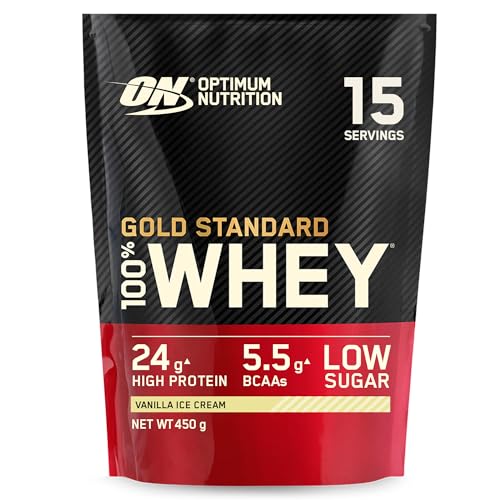
– Vegan-friendly and sustainable: Plant-based proteins offer a cruelty-free option for individuals following vegetarian or vegan lifestyles.
Recommended to our readers: Click here
They are sourced from plants like peas, soy, hemp, and brown rice, making them a sustainable choice that aligns with eco-conscious values.
– Rich in fiber, vitamins, and minerals: Beyond providing protein, plant-based sources offer a wide range of nutrients.
They are typically rich in fiber, vitamins, and minerals, contributing to overall health and well-being.
For example, legumes like lentils and chickpeas are not only protein-rich but also excellent sources of fiber and essential micronutrients.
– Environmentally conscious choice: Opting for plant-based protein supports sustainable agricultural practices and reduces the environmental footprint associated with animal agriculture.
By choosing plant proteins over animal-based ones, individuals can contribute to lower greenhouse gas emissions, water usage, and land degradation.
Conclusion: Embracing Protein Diversity for Optimal Health
In the dynamic landscape of protein supplementation, the choice between whey protein and plant-based protein ultimately boils down to individual preferences, dietary restrictions, and fitness goals.
While whey protein offers a potent source of complete protein with rapid absorption properties, plant-based protein presents a sustainable and environmentally friendly alternative that aligns with vegan lifestyles and ethical considerations.
By understanding the unique characteristics and benefits of each protein choice, individuals can make informed decisions to support their nutritional needs and overall wellness journey.
Whether you are a devoted gym-goer, a weekend warrior, or someone simply looking to enhance your protein intake, the world of protein supplements offers a diverse array of options to suit your lifestyle and preferences.
Recommended to our readers: Click here
By incorporating whey protein or plant-based protein into your daily routine, you can harness the power of protein to fuel your fitness endeavors, support muscle recovery, and promote overall health and vitality.
Remember, the key to optimal nutrition lies in embracing variety, balance, and informed choices that resonate with your individual beliefs and goals.
Choose wisely, nourish your body, and let the protein powerhouses pave the way to a stronger, healthier you.
Whey Protein: The Complete Protein Powerhouse
Whey protein, derived from dairy sources, stands out as a complete protein, containing all essential amino acids required by the body for muscle growth and repair.
This high biological value makes whey protein an excellent choice for individuals looking to boost their protein intake efficiently.
Additionally, whey protein is particularly popular among athletes and fitness enthusiasts due to its quick digestion and absorption rates, allowing for rapid delivery of amino acids to the muscles post-workout for enhanced recovery and muscle synthesis.
For example, whey protein isolate is a concentrated form of whey protein that contains minimal carbohydrates and fats, making it an ideal option for those focusing on lean muscle development.
Plant-Based Protein: Nourishing the Body and the Planet
On the other hand, plant-based protein sources offer a wealth of benefits for both personal health and environmental sustainability.
Plant-based protein options such as pea protein, hemp protein, and brown rice protein provide a diverse amino acid profile that can support muscle building and repair.
Moreover, choosing plant-based proteins aligns with ethical considerations, as these sources are often cruelty-free and have a lower environmental impact compared to animal-derived proteins.
For instance, pea protein is rich in lysine, a crucial amino acid for collagen production and muscle recovery, making it an excellent choice for individuals following a vegan or vegetarian lifestyle.
Tailoring Protein Choices to Fit Your Lifestyle
When selecting between whey protein and plant-based protein, it’s essential to consider your dietary preferences, fitness goals, and any specific health needs you may have.
For individuals with lactose intolerance or dairy allergies, plant-based proteins offer a hypoallergenic alternative that can support their protein requirements without causing digestive discomfort.
Similarly, those following a vegan or vegetarian diet can benefit from incorporating plant-based proteins to ensure they meet their daily protein needs while staying true to their ethical beliefs.

The Power of Variety and Informed Choices
In the realm of protein supplementation, diversity is key to unlocking the full spectrum of nutritional benefits.
By exploring a range of protein sources and supplement options, you can discover the ideal combination that suits your taste preferences, lifestyle demands, and health objectives.
Whether you opt for whey protein, plant-based protein, or a blend of both, embracing variety in your protein choices can enhance the nutritional quality of your diet and support your overall well-being.
Remember, informed decisions empower you to fuel your body effectively and embark on a journey towards optimal health and vitality.