Steel-Cut Oats vs Rolled Oats: The Ultimate Showdown of Breakfast Basics
Breakfast, they say, is the most important meal of the day.
And at the heart of many breakfast tables sit two timeless contenders vying for the spotlight: Steel-Cut Oats and Rolled Oats.
While both grains promise a hearty start to the day, they come with distinct textures, flavors, and cooking times.
Let’s dive into the world of oats and unravel the mystery behind these breakfast staples.
Nutritional Benefits of Steel-Cut Oats and Rolled Oats
Steel-cut oats and rolled oats are both excellent sources of essential nutrients such as fiber, protein, and various vitamins and minerals.
However, they do have some differences in their nutritional profiles.

Steel-cut oats, also known as Irish oatmeal, are minimally processed and retain more of their natural fiber and nutrients compared to rolled oats.
They are particularly rich in soluble fiber, which helps in managing blood sugar levels and reducing cholesterol levels.
This type of oats also offers a chewier texture and a nuttier flavor, making them a popular choice for those who enjoy a heartier breakfast experience.
On the other hand, rolled oats, also referred to as old-fashioned oats, undergo a steaming and flattening process that results in a quicker cooking time.
While they may have slightly lower fiber content compared to steel-cut oats, rolled oats are still a nutritious choice for a wholesome breakfast.
They also offer a softer texture that many find appealing, especially when cooked into creamy oatmeal or used in baking recipes.
Cooking Methods: Slow Simmer vs Quick Prep
One of the notable differences between steel-cut oats and rolled oats lies in their cooking methods.
Steel-cut oats require a longer cooking time due to their minimally processed nature.
To achieve their ideal creamy consistency, steel-cut oats are typically simmered on the stovetop for around 20-30 minutes, requiring occasional stirring to prevent sticking.
In contrast, rolled oats cook much faster, usually within 5-10 minutes on the stovetop or in the microwave.
This makes rolled oats a convenient option for busy mornings when you need a quick and satisfying breakfast.
Additionally, rolled oats can be easily incorporated into overnight oats recipes, requiring no cooking at all, simply by soaking them in a liquid of your choice and allowing them to soften overnight in the refrigerator.
Texture and Flavor Profiles
When it comes to texture and flavor, steel-cut oats and rolled oats offer distinct experiences.
Steel-cut oats maintain a chewy texture even after cooking, providing a hearty bite that some find more satisfying.
Their nutty flavor adds a depth of taste that pairs well with various toppings such as nuts, fruits, and honey.
In contrast, rolled oats have a softer and creamier texture once cooked, making them versatile for different recipes and preferences.
Their mild flavor makes them a blank canvas for sweet or savory additions, allowing you to customize your oatmeal according to your taste preferences
Unveiling the Basics
Recommended to our readers: Click here
Picture this: a warm bowl of oatmeal, steaming and inviting.
But what sets steel-cut oats apart from their rolled counterparts?
The key lies in the processing.
Steel-cut oats, also known as Irish or Scottish oats, are made by chopping the oat groats into small, coarse pieces.
This minimal processing retains their nutty flavor and chewy texture, offering a robust oatmeal experience.
On the flip side, rolled oats are steamed, flattened, and dried, resulting in their familiar, flaky appearance.
Recommended to our readers: Click here
While rolled oats cook faster than steel-cut oats, they may lack some of the nuttiness and chew of the latter.
Benefits of Steel-Cut Oats
In addition to their distinctive nutty flavor and chewy texture, steel-cut oats offer several health benefits.
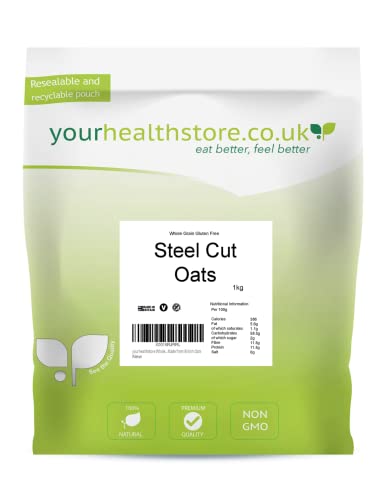
These oats are less processed than rolled oats, making them a more wholesome option.
The minimal processing helps retain the oat’s natural fiber content, which is beneficial for digestive health and providing a feeling of fullness.
Moreover, steel-cut oats have a lower glycemic index compared to rolled oats, meaning they are digested more slowly and can help maintain stable blood sugar levels.
Cooking Methods and Variations
When it comes to cooking steel-cut oats, there are various methods to explore depending on personal preference.
Some may prefer the traditional stovetop approach, simmering the oats in water or milk until they achieve the desired consistency.
Others may opt for overnight soaking or using a slow cooker for a convenient, hands-off cooking experience.
Additionally, enhancing steel-cut oats with toppings and mix-ins such as fresh fruit, nuts, seeds, or a drizzle of honey can elevate their taste and nutritional profile.
Sustainability and Origin
Steel-cut oats have a rich history, particularly in Ireland and Scotland where they are commonly enjoyed.
These oats are known for their sustainable production, as they require minimal processing and energy compared to rolled oats.
By supporting local farmers who cultivate and process steel-cut oats, consumers can contribute to sustainable agriculture practices and promote food diversity.
Furthermore, understanding the origin of steel-cut oats adds a cultural dimension to enjoying this wholesome breakfast staple.
Nutritional Showdown
When it comes to nutritional value, both steel-cut and rolled oats pack a punch.
Oats, in general, are a nutrient-dense food, rich in fiber, vitamins, and minerals.
However, the extent to which these nutrients are preserved can vary between the two varieties.
Steel-cut oats, being less processed, may retain more of their original nutrients compared to rolled oats.
This means that steel-cut oats could offer a slight edge in terms of nutritional content, making them a solid choice for those looking to boost their morning meal’s health profile.
Nutrient Retention in Steel-Cut vs. Rolled Oats
When comparing the two oat varieties in terms of nutrient retention, it’s essential to understand the processing differences between steel-cut and rolled oats.
Steel-cut oats are minimally processed, with only the outer husk removed and the groat chopped into small pieces.
This minimal processing helps retain more of the original nutrients present in the whole oat kernel, such as fiber, protein, and essential vitamins like B vitamins.
On the other hand, rolled oats undergo a more intensive processing method where the groats are steamed, rolled, and flattened to create the familiar flat shape.
While this process makes rolled oats quicker to cook, it can lead to some loss of nutrients due to the exposure to heat and mechanical processing.
For instance, the soluble fiber beta-glucan, known for its cholesterol-lowering effects, may be slightly reduced in rolled oats compared to steel-cut oats.
Comparing Fiber Content
One key nutrient where steel-cut oats may have an advantage over rolled oats is in fiber content.
Fiber is crucial for digestive health, promoting satiety, and regulating blood sugar levels.
Steel-cut oats, with their intact oat grain structure, typically contain more fiber per serving compared to rolled oats.
This higher fiber content not only aids in digestion but also helps you feel fuller for longer, making steel-cut oats a preferred choice for those focusing on weight management and overall gut health.
Impact on Blood Sugar Levels
The difference in processing between steel-cut and rolled oats can also impact how quickly carbohydrates are broken down and absorbed in the body, thus influencing blood sugar levels.
Steel-cut oats, with their dense and chewy texture, have a lower glycemic index compared to rolled oats.
This means that steel-cut oats cause a slower and steadier rise in blood sugar levels after consumption, providing sustained energy levels and preventing blood sugar spikes and crashes.
Texture and Taste Test
Ah, the moment of truth: texture and taste.
Steel-cut oats, with their heartier bite and nutty flavor, appeal to those who enjoy a more rustic breakfast experience.
Recommended to our readers: Click here
The chewiness of steel-cut oats adds a satisfying element to each spoonful, engaging the taste buds in a delightful dance of flavors and textures.
On the other hand, rolled oats, with their softer, creamier consistency, cater to those seeking a smoother mouthfeel.
The preference for texture and taste may ultimately come down to personal palate and breakfast preferences.
Exploring Steel-Cut Oats:
Steel-cut oats, also known as Irish oats, are made by chopping oat groats into small pieces, resulting in a more robust and chewy texture compared to other types of oats.
Recommended to our readers: Click here
The process of steel-cutting helps retain more of the oat’s natural flavor and nutrients, making them a popular choice among health-conscious consumers.
When cooked, steel-cut oats maintain their distinct individual grains, creating a delightful texture that many find satisfying and comforting.
Their hearty bite provides a substantial feeling of fullness and sustained energy, making them an ideal choice for a hearty breakfast that will keep you fueled throughout the morning.
Embracing the Rustic Appeal:
The slightly gritty texture of steel-cut oats adds a unique dimension to each spoonful, making them a favorite for those who appreciate a more rustic and authentic breakfast experience.
The nutty flavor profile of steel-cut oats pairs well with a variety of toppings and mix-ins, allowing for endless customization options.
From fresh berries and nuts to honey or cinnamon, these oats provide a versatile base for creating your perfect bowl of morning goodness.
The chewiness of steel-cut oats encourages slower eating, allowing you to savor each bite and fully appreciate the wholesome goodness of this ancient grain.
Unveiling the Creamy Delight of Rolled Oats:
Rolled oats, also referred to as old-fashioned oats, undergo a different processing method where the oat groats are steamed, rolled, and flattened to create the familiar thin flakes.
This process gives rolled oats a softer, creamier texture that appeals to those who prefer a smoother mouthfeel in their oatmeal.
The creamy consistency of rolled oats makes them a popular choice for classic oatmeal recipes like overnight oats or oatmeal cookies, where a uniform texture is desired.
When cooked, rolled oats have a comforting melt-in-your-mouth quality that feels indulgent and satisfying, perfect for those cozy mornings when you crave a warm and nurturing start to your day.
Cooking Considerations
In the realm of morning rush hours, cooking time can be a deciding factor in the Steel-Cut Oats vs Rolled Oats debate.
Steel-cut oats, due to their coarse nature, require a longer cooking time to soften and achieve that desired creamy texture.
This means that while steel-cut oats offer a robust breakfast option, they may not be the ideal choice for those in a time crunch.
Rolled oats, with their quick cooking time, provide a convenient solution for busy mornings, allowing breakfast enthusiasts to whip up a nutritious meal in minutes.
Cooking Time Comparison
When it comes to the cooking process, steel-cut oats typically take around 20 to 30 minutes to cook on the stovetop.
This longer cooking time is necessary to soften the oats and release their nutty flavor.
On the other hand, rolled oats can be cooked in just 5 to 10 minutes, making them a great option for those who need a quick and easy breakfast solution.
Meal Prep Tip
To save time in the morning, you can prepare a batch of steel-cut oats ahead of time and store them in the refrigerator.
This way, all you need to do is reheat the oats in the microwave or on the stovetop for a speedy breakfast option.
Overnight Oats
Another time-saving option is to make overnight oats using rolled oats.
Simply mix rolled oats with your choice of liquid (such as milk or yogurt), add in some toppings like fruits or nuts, and let the mixture sit in the refrigerator overnight.
In the morning, you’ll have a ready-to-eat, no-cook breakfast that is both nutritious and delicious.
Texture Matters
While steel-cut oats have a chewier texture compared to rolled oats, some people prefer the creamier consistency that comes with cooking rolled oats.
If you enjoy a smoother texture in your oatmeal, rolled oats might be the better choice for you.
Customization Options
Both steel-cut and rolled oats can be customized with various toppings and mix-ins to suit your preferences.
Whether you like your oatmeal sweetened with honey and fruits or prefer a savory option with eggs and vegetables, the versatility of oats allows you to get creative with your breakfast choices.
Pros and Cons
| Feature | Steel-Cut Oats | Rolled Oats |
|———————-|———————————————-|———————————————|
| Nutritional Content | High in fiber and nutrients; less processed | Slightly lower nutritional retention |
| Texture and Taste | Chewy, nutty flavor; hearty | Soft, creamy; smoother consistency |
| Cooking Time | Longer cooking time; less convenient | Quick cooking time; ideal for busy mornings |
Nutritional Comparison
When it comes to nutritional content, steel-cut oats are considered the gold standard.
They undergo minimal processing, which helps retain more fiber and nutrients compared to rolled oats.
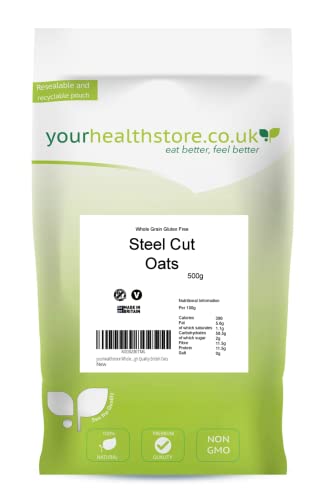
Steel-cut oats are particularly high in beta-glucan, a type of soluble fiber known for its cholesterol-lowering effects.
On the other hand, rolled oats are slightly more processed, leading to a slight decrease in their nutritional value compared to steel-cut oats.
However, both types of oats offer essential nutrients and can be a healthy addition to your diet.
Texture and Taste
Steel-cut oats are known for their chewy texture and nutty flavor, providing a hearty and satisfying breakfast option.
The texture of steel-cut oats remains firmer even after cooking, adding a pleasant bite to each spoonful.
In contrast, rolled oats offer a softer, creamier texture with a smoother consistency.
This difference in texture can appeal to different preferences – those who enjoy a heartier, more substantial bowl of oatmeal may prefer steel-cut oats, while others may favor the creamier mouthfeel of rolled oats.
Cooking Methods and Convenience
When it comes to cooking time, steel-cut oats require a longer simmering period to soften and achieve the desired consistency.
This longer cooking time may be less convenient for individuals with busy mornings or limited time to prepare breakfast.
On the other hand, rolled oats have a quick cooking time, making them an ideal choice for those looking for a speedy and effortless breakfast option.
Rolled oats can be easily prepared on the stovetop or in the microwave, providing a convenient solution for hectic mornings or on-the-go meals.
Conclusion
In the battle of Steel-Cut Oats vs Rolled Oats, both contenders bring something unique to the breakfast table.
Steel-cut oats shine with their robust texture and nutty taste, offering a more rustic breakfast experience.

Rolled oats, on the other hand, provide a convenient option with their quick cooking time and softer consistency.
Whether you lean towards the hearty chew of steel-cut oats or the creamy ease of rolled oats, both grains promise a wholesome start to your day.
So, the next time you’re debating between the two, remember that the best oatmeal choice ultimately boils down to your personal preferences and morning routine.
Health Benefits
When it comes to health benefits, both steel-cut oats and rolled oats have a lot to offer.
Steel-cut oats are known for their lower glycemic index, which means they provide a sustained release of energy and help keep blood sugar levels stable.
They are also a great source of fiber, which aids in digestion and contributes to a feeling of fullness.
On the other hand, rolled oats are often fortified with additional nutrients like iron and B vitamins, making them a nutritionally dense choice.
Versatility in Cooking
While steel-cut oats and rolled oats can both be enjoyed as a warm breakfast cereal, they each have their own culinary uses.
Steel-cut oats are fantastic in savory dishes like oat risotto or as a base for grain bowls, adding a heartiness and depth of flavor.
Rolled oats, however, are more commonly used in baking recipes such as cookies, granola bars, and even savory dishes like oat-crusted chicken tenders.
Recommended to our readers: Click here
Their softer texture makes them versatile for both sweet and savory applications.
Environmental Impact
Considering the environmental impact of your food choices is becoming increasingly important.
Steel-cut oats are less processed and retain more of their nutrients, which can be viewed as a more sustainable option.
However, they require a longer cooking time and more water to prepare.
Rolled oats, being more processed, have a shorter cooking time and may use less water during production.
It’s worth considering how your oatmeal choice aligns with your environmental values.
Recommended to our readers: Click here
Taste and Texture
The taste and texture of steel-cut oats and rolled oats are distinct and appeal to different preferences.
Steel-cut oats have a chewier texture and a more pronounced nutty flavor, providing a hearty and satisfying breakfast experience.
Rolled oats, on the other hand, are smoother and creamier, making them a popular choice for those who prefer a softer consistency.
Experimenting with different toppings and mix-ins can further enhance the flavor profiles of both types of oats.