Organic Chicken vs Conventional Chicken: A Comparative Analysis
From family dinners to restaurant menus, the choice between organic and conventional chicken has become a topic of interest for health-conscious consumers and foodies alike.
As the demand for organic products continues to rise, many are left wondering: Are the higher price and label claims of organic chicken truly worth it?
In this feature article, we delve into the differences between organic and conventional chicken, exploring various aspects such as farming practices, nutritional value, environmental impact, and taste, to help you make an informed decision when selecting poultry for your next meal.
Importance of Understanding the Differences

Understanding the distinctions between organic and conventional chicken is crucial for consumers looking to make informed choices about their food.
The methods used in raising and producing these two types of chickens can have significant implications for factors such as health, taste, and sustainability.
Recommended to our readers: Click here
By delving into the nuances of organic versus conventional chicken, individuals can better appreciate the value that each option offers.
Nutritional Value Comparison
When comparing organic and conventional chicken from a nutritional standpoint, it’s important to consider factors such as the presence of antibiotics, hormones, and potential differences in nutrient content.
Organic chicken is typically raised without the use of antibiotics or hormones, which can lead to a cleaner product that is free from unwanted additives.
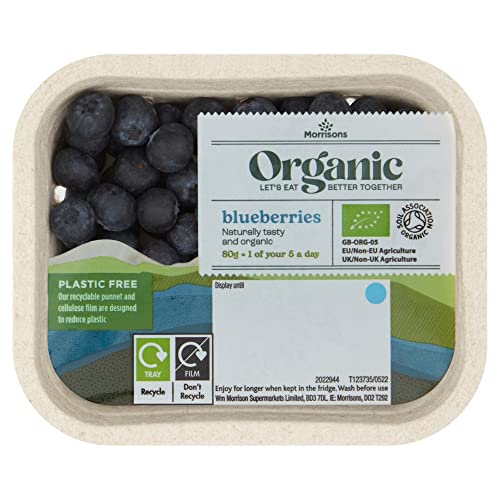
Additionally, organic chicken may contain higher levels of certain beneficial nutrients due to the chickens’ natural diet and living conditions.
Environmental Impact Considerations
One key aspect to consider when choosing between organic and conventional chicken is the environmental impact of the production methods.
Organic farming practices often prioritize sustainability and animal welfare, utilizing techniques that promote soil health and biodiversity.
In contrast, conventional chicken farming may involve the use of synthetic pesticides and fertilizers that can contribute to environmental degradation.
By opting for organic chicken, consumers can support farming practices that are more eco-friendly and environmentally sustainable.
Taste and Food Safety
The taste of organic chicken is often lauded for its more robust flavor profile compared to conventional chicken.
This can be attributed to factors such as the chickens’ varied diet, outdoor access, and overall living conditions in organic farming systems.
Furthermore, organic chicken is less likely to contain residues of synthetic chemicals or antibiotics, contributing to a cleaner and safer eating experience.
By prioritizing taste and food safety, consumers can enjoy high-quality poultry that aligns with their health and environmental values.
Bottom Line: Making an Informed Choice
In the organic versus conventional chicken debate, there is no one-size-fits-all answer.
Factors such as personal preferences, dietary considerations, and budget constraints all play a role in determining which option may be the best fit for individual consumers.
By weighing the differences in farming practices, nutritional value, environmental impact, taste, and food safety, consumers can make choices that align with their values and priorities when it comes to selecting poultry for their meals.
Farming Practices: The Root of the Debate
When it comes to organic chicken, the focus is on the farming practices used to raise the birds.
Organic chicken is raised without the use of antibiotics, hormones, or genetically modified feed.
Instead, organic chickens are given access to the outdoors and are fed a diet of organic grains and grass.
This emphasis on natural and sustainable practices aims to ensure that the chickens are raised in a stress-free environment, promoting their overall well-being.
On the other hand, conventional chicken farming often involves the use of antibiotics to promote growth and prevent diseases in crowded indoor facilities.
While this may lead to more efficient production, concerns have been raised about the overuse of antibiotics contributing to antibiotic resistance in both animals and humans.
Additionally, conventional chickens are typically fed a diet that may include genetically modified organisms (GMOs), which can be a point of contention for those seeking a more natural approach to food consumption.
Benefits of Organic Chicken Farming Practices
Organic chicken farming practices not only promote the health and well-being of the birds but also offer environmental benefits.
By giving chickens access to the outdoors, they can engage in natural behaviors like pecking, scratching, and foraging for insects, which enhances their overall quality of life.
This outdoor access also helps in reducing stress levels among the birds, resulting in better meat quality.
Recommended to our readers: Click here
Environmental Impact of Conventional Chicken Farming
Conventional chicken farming methods have been criticized for their environmental impact.
The crowded indoor facilities used to raise conventional chickens can lead to issues such as water pollution from the excess waste generated.
Furthermore, the use of genetically modified feed in conventional farming systems contributes to the depletion of natural resources and may have long-term effects on ecosystems.
Health Concerns Associated with Conventional Chicken Farming
One of the primary concerns with conventional chicken farming is the potential health risks associated with the use of antibiotics.
Overuse of antibiotics in livestock can lead to the development of antibiotic-resistant bacteria, posing a significant threat to public health.
Consumers are becoming increasingly aware of these risks and are seeking alternatives like organic chicken raised without the reliance on antibiotics.
Regulatory Framework for Organic vs. Conventional Chicken Farming
The regulations governing organic chicken farming are stringent and focus on ensuring that farmers adhere to strict guidelines regarding animal welfare, feed quality, and environmental sustainability.
In contrast, conventional chicken farming regulations may vary, leading to inconsistencies in practices across different farms.
This lack of standardization raises concerns about the quality and safety of conventionally produced chicken products.
Nutritional Value: What’s on Your Plate?
When it comes to nutritional value, both organic and conventional chicken provide essential nutrients such as protein, vitamins, and minerals.
However, studies have shown that organic chicken may have higher levels of certain beneficial nutrients, including omega-3 fatty acids and antioxidants.
This difference is thought to be a result of organic chickens having a diet that includes more natural and varied ingredients, compared to the more uniform feed given to conventional chickens.
In terms of potential health risks, organic chicken is free from residues of synthetic pesticides and antibiotics, which may be present in conventionally raised chicken.
This distinction is important for consumers who are conscious of minimizing their exposure to potentially harmful chemicals in their food.
Omega-3 Fatty Acids and Antioxidants in Organic Chicken
Organic chickens are typically raised in environments that prioritize their well-being and allow them access to outdoor spaces where they can forage for insects, seeds, and plants.
This natural diet leads to higher levels of omega-3 fatty acids in their meat, as well as an increased presence of antioxidants.
Omega-3 fatty acids are known for their anti-inflammatory properties and heart health benefits, while antioxidants play a key role in neutralizing harmful free radicals in the body, potentially reducing the risk of chronic diseases.
Natural vs. Synthetic Feed
One of the main factors contributing to the nutritional differences between organic and conventional chicken is their feed.
Organic chickens are fed organic feed that is free from synthetic pesticides, herbicides, and genetically modified organisms (GMOs).

This natural, chemical-free diet contributes to the higher nutrient content found in organic chicken compared to conventional chicken, which is typically fed a diet consisting largely of genetically modified grains and soybeans.
Reduced Risk of Antibiotic Resistance
Another significant benefit of choosing organic chicken is the decreased risk of antibiotic resistance.
Conventional chicken farming often involves the routine use of antibiotics to promote growth and prevent diseases in crowded and unsanitary conditions.
Over time, this practice can lead to the development of antibiotic-resistant bacteria that pose a serious threat to human health.
By opting for organic chicken raised without the use of antibiotics, consumers can support sustainable farming practices and reduce their contribution to the global issue of antibiotic resistance.
Environmental Impact
In addition to the potential health benefits, opting for organic chicken can also have positive environmental implications.
Organic farming practices prioritize sustainability, biodiversity, and soil health, promoting a more ecologically balanced system.
By choosing organic chicken, consumers are supporting agricultural methods that aim to minimize environmental harm, such as soil degradation, water pollution, and habitat destruction.
Environmental Impact: Beyond the Plate
The environmental impact of chicken farming is another crucial factor to consider when weighing the choice between organic and conventional chicken.
Organic farming practices prioritize sustainability and animal welfare, often emphasizing practices that benefit the soil and surrounding ecosystem.
By avoiding synthetic pesticides and fertilizers, organic chicken farming can help reduce pollution and promote biodiversity.
Conventional chicken farming, on the other hand, may have a higher environmental footprint due to the intensive use of resources such as water and energy, as well as the potential pollution associated with chemical inputs.
The sustainability of farming practices is a key consideration for those looking to make environmentally conscious choices in their food purchases.
Impact on Soil Health and Ecosystem
Recommended to our readers: Click here
Organic chicken farming goes beyond just producing chicken meat; it focuses on maintaining the health of the soil and ecosystem.
Organic farms often implement crop rotation and cover cropping to improve soil fertility naturally.
These practices help to enhance biodiversity in the surrounding ecosystem by supporting a variety of plant and animal species.
Additionally, organic farms tend to use compost and natural fertilizers, which enrich the soil without harmful chemical residues.
Conventional chicken farming, on the other hand, can lead to soil degradation and loss of biodiversity.
The heavy use of synthetic pesticides and fertilizers in conventional farming practices can disrupt the natural balance of the soil ecosystem, harming beneficial microorganisms and reducing soil fertility over time.
This degradation can ultimately impact the health and productivity of the entire ecosystem surrounding the farm.
Water and Energy Consumption
In terms of resource usage, conventional chicken farming typically requires higher amounts of water and energy compared to organic farming methods.
Conventional farms often rely on large-scale operations that consume significant quantities of water for poultry production and processing.
Additionally, the energy-intensive process of maintaining controlled indoor environments for poultry growth contributes to a higher carbon footprint in conventional chicken farming.
Organic chicken farming, on the other hand, tends to use resources more efficiently by adopting practices like water conservation techniques and renewable energy sources.
Sustainable farming practices such as rainwater harvesting and solar energy utilization can help reduce the overall environmental impact of organic chicken farming operations.
Pollution Control and Chemical Inputs
One of the critical differences between organic and conventional chicken farming lies in the approach to pollution control and chemical inputs.
Organic chicken farms prohibit the use of synthetic pesticides and genetically modified organisms, minimizing the risk of harmful chemical residues entering the environment.
By prioritizing natural pest control methods and crop diversity, organic farming practices contribute to soil and water conservation efforts.
In contrast, conventional chicken farming relies heavily on chemical inputs to manage pests and enhance crop yields.
The excessive use of synthetic pesticides and fertilizers in conventional farming can lead to water contamination and soil pollution, posing risks to wildlife and human health.
Addressing pollution concerns in conventional farming requires stricter regulations and sustainable practices to mitigate the environmental impact.

Taste Test: The Ultimate Decider
While farming practices, nutritional value, and environmental impact are important factors to consider, the ultimate test often comes down to taste.
The flavor and texture of chicken can vary based on factors such as breed, diet, and cooking method.
Some argue that organic chicken, raised in a more natural environment, has a richer flavor and firmer texture compared to conventionally raised chicken.
Ultimately, the decision between organic and conventional chicken may come down to personal preference and values.
Whether you prioritize supporting sustainable farming practices, maximizing nutritional benefits, or simply savoring a delicious meal, understanding the differences between organic and conventional chicken can help you make a choice that aligns with your priorities.
Factors Affecting Chicken Flavor and Texture
The flavor and texture of chicken are influenced by various factors beyond farming practices.
For instance, the breed of the chicken plays a significant role in determining the taste profile.
Certain breeds, such as heritage breeds like the Rhode Island Red or Plymouth Rock, are known for their robust flavor and firm texture compared to commercial breeds bred for rapid growth.
Diet is another crucial factor in shaping the taste of chicken.
Chickens that are pasture-raised and allowed to forage on a natural diet of insects, grass, and seeds often develop a more complex and nuanced flavor profile.
In contrast, conventionally raised chickens may be fed a diet high in commercial feed and antibiotics, which can impact the taste and quality of the meat.
Cooking method also plays a key role in how chicken tastes and feels in the mouth.
Whether you choose to roast, grill, or fry the chicken can greatly influence its texture and overall flavor.
For example, slow-roasting organic chicken with fresh herbs and garlic can result in a tender, moist dish bursting with savory notes, while deep-frying conventional chicken may yield a crispy yet greasier outcome.
Real-World Examples of Taste Variations
To truly appreciate the differences in taste between organic and conventional chicken, conducting a taste test can be enlightening.
Invite a group of friends or family members to sample various chicken dishes made from different sources.
Prepare a simple roasted chicken seasoned with salt and pepper using organic and conventional cuts and observe the reactions.
Many food enthusiasts and chefs conduct blind taste tests to discern subtle nuances in flavor and texture.
Blindfold participants and serve them small samples of organic and conventional chicken dishes without disclosing which is which.
Encourage them to pay attention to the aroma, tenderness, juiciness, and overall taste to form unbiased opinions on the chicken variations.
Personal Values and Culinary Preferences
When choosing between organic and conventional chicken, it’s essential to consider how your personal values and culinary preferences shape your decision.
If you prioritize supporting local farmers and sustainable agriculture, opting for organic chicken can align with your ethical stance.
Recommended to our readers: Click here
On the other hand, if you value convenience and affordability, conventional chicken may be a more practical choice for your everyday meals.
Ultimately, whether you lean towards organic or conventional chicken, understanding the diverse factors that impact taste and texture can empower you to make an informed decision that resonates with your taste buds and values.
By exploring the nuances of chicken production and preparation, you can elevate your
Pros and Cons
Organic Chicken | Conventional Chicken
— | —
Pros: | Pros:
– Raised without antibiotics or hormones | – Lower cost
– Higher levels of omega-3 fatty acids and antioxidants | – Widely available
– Environmentally sustainable practices | – Consistent quality and taste
Cons: | Cons:
– Higher price point | – Use of antibiotics and hormones
– Limited availability in some areas | – Potential environmental impact
—
Environmental Impact:
When it comes to comparing the environmental impact of organic and conventional chicken production, it is crucial to consider factors such as land use, water usage, and waste management.
Organic chicken farms typically follow sustainable practices like rotational grazing, which can help improve soil quality and minimize environmental degradation.
In contrast, conventional chicken farms often rely heavily on chemical fertilizers and pesticides that can contribute to water pollution and soil depletion.
Recommended to our readers: Click here
Health Benefits:
Organic chicken is prized for its higher levels of omega-3 fatty acids and antioxidants.
These nutrients are beneficial for heart health, reducing inflammation, and boosting the immune system.
Additionally, organic chickens are raised without antibiotics, which can help combat the growing issue of antibiotic resistance in humans.
In contrast, conventional chicken may have lower nutritional value due to the feed and living conditions provided to the birds.
Taste and Quality:
Many consumers prefer the taste of organic chicken, citing that it is more flavorful and juicy compared to conventional chicken.
This difference in taste can be attributed to factors such as the bird’s diet, living conditions, and overall stress levels during their life cycle.
While conventional chicken may offer consistent quality and taste due to standardized farming practices, some argue that organic chicken provides a more authentic and natural flavor profile.
Cost Considerations:
The debate between organic and conventional chicken often boils down to the price point.
Organic chicken typically comes with a higher price tag due to the increased costs associated with organic certification, organic feed, and sustainable farming practices.
On the other hand, conventional chicken is more affordable and widely available, making it a preferred choice for budget-conscious consumers.
However, it is essential to weigh the cost savings against the potential long-term health benefits and environmental impacts when making a purchasing decision.
Key Features Comparison
| Key Features | Organic Chicken | Conventional Chicken |
|---|---|---|
| Nutritional Value | Higher levels of omega-3 fatty acids and antioxidants | Standard nutritional profile |
| Environmental Impact | Uses sustainable farming practices | Intensive resource use |
| Taste | Richer flavor and firmer texture | Consistent quality and taste |

In conclusion, the choice between organic and conventional chicken involves weighing various factors, from farming practices to taste preferences.
While organic chicken offers benefits such as higher nutritional value and sustainable farming practices, conventional chicken remains a popular choice for its affordability and widespread availability.
By understanding the differences between these poultry options, consumers can make informed decisions that align with their values and priorities when it comes to food consumption.
Whether you opt for the organic label or stick to conventionally raised chicken, both options can be enjoyed as part of a balanced and flavorful diet.
Nutritional Value
In addition to higher levels of omega-3 fatty acids and antioxidants, organic chicken is often found to have lower levels of harmful antibiotics and chemicals.
This is due to the strict regulations that organic farms must adhere to, which prohibit the routine use of antibiotics and synthetic pesticides in poultry production.
These restrictions contribute to a cleaner and more nutrient-dense product for consumers seeking a healthier protein option.
Moreover, organic chicken is typically raised on diets that are free from genetically modified organisms (GMOs).
This ensures that the feed given to the chickens is of high quality and free from potentially harmful additives, providing a purer source of nutrients for those looking to prioritize organic and non-GMO foods in their diets.
Environmental Impact
The sustainable farming practices used in organic chicken production extend beyond the nutritional benefits and directly impact the environment in positive ways.
Organic farms often implement practices such as rotational grazing, which helps maintain soil health and reduces the carbon footprint associated with poultry farming.
This method also promotes biodiversity and minimizes the use of synthetic fertilizers, contributing to overall ecosystem preservation and sustainability.
Additionally, organic chicken farms prioritize animal welfare, providing more humane living conditions for the birds.
This focus on ethical treatment aligns with the principles of organic farming, emphasizing respect for the environment and the creatures that inhabit it.
By supporting organic chicken production, consumers can contribute to a more environmentally friendly food system that values both people and planet.
Taste
The richer flavor and firmer texture characteristic of organic chicken can be attributed to various factors, including the birds’ diet and environment.
Organic chickens are often raised in smaller flocks, allowing them more space to move around and exhibit natural behaviors.
This freedom of movement and access to outdoor areas can result in leaner, healthier birds with more developed muscle tone, ultimately influencing the taste and texture of the meat.
Furthermore, organic chicken farmers prioritize slower-growing breeds that are raised to maturity at a more natural pace.
This slower growth process enhances the development of flavor in the meat and contributes to the firmness and overall quality of the product.
These considerations in organic poultry production result in a product that is not only nutritionally superior but also offers a more satisfying culinary experience for those who appreciate the complexities of flavor and texture in their meals.