Ghee vs Butter: A Delicious Debate
When it comes to cooking fats, ghee and butter are two of the most popular choices with rich flavors that can elevate any dish.
Each has its own unique characteristics, culinary uses, and nutritional properties, prompting a longstanding debate among food enthusiasts.
Let’s delve into the world of ghee and butter to uncover the distinctions between these dairy-based fats.
Culinary Uses
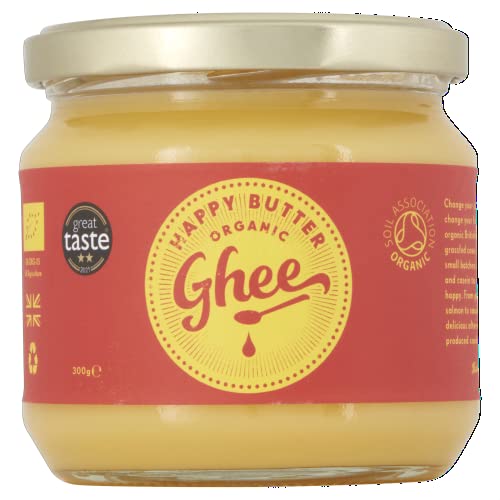
Ghee, a type of clarified butter, is highly prized in Indian cuisine for its nutty flavor and high smoking point, making it ideal for sautéing, frying, and even deep-frying.
Its rich taste adds depth to dishes like curries, rice preparations, and traditional sweets.
On the other hand, butter is a versatile cooking fat commonly used in Western cuisine for baking, searing meats, and spreading on toast.
Its creamy texture and distinct flavor profile make it a popular choice for sauces, pastries, and breakfast staples.
Nutritional Properties
In terms of nutritional content, ghee is known for its high levels of fat-soluble vitamins A, E, and K, as well as conjugated linoleic acid (CLA), which has been linked to potential health benefits like weight management and heart health.
Despite its saturated fat content, ghee is also lactose and casein-free, making it a suitable option for individuals with dairy sensitivities.
Butter, on the other hand, contains essential vitamins like A and D, along with a good amount of healthy fats and cholesterol.
Moderation is key when incorporating butter into your diet due to its saturated fat content.
Flavor Profiles
The flavor profiles of ghee and butter are distinctly different, with ghee having a rich, nutty aroma that intensifies dishes with a hint of sweetness.
Butter, on the other hand, offers a creamy, slightly tangy taste that can vary depending on the type of butter and its processing method.
Both fats contribute unique flavors to culinary creations, enhancing the overall taste experience.
Storage and Shelf Life
Ghee has a longer shelf life compared to butter due to its lack of milk solids, which can cause butter to spoil more quickly.
Ghee can be stored at room temperature in an airtight container for several months, while butter should be refrigerated to maintain freshness.
Proper storage methods are essential for preserving the quality and flavor of these fats in your kitchen.
Origins and Production
Ghee, a staple in Indian cuisine, has a history dating back thousands of years.
Recommended to our readers: Click here
It is clarified butter that has been heated to separate the milk solids, leaving behind the golden liquid with a nutty aroma.
In contrast, butter is made by churning cream or milk, resulting in a solid dairy product with a creamy texture.
Historical Significance
Ghee holds significant historical and cultural importance in India.
It has been used in Ayurvedic medicine for centuries due to its healing properties.
In the ancient texts of Ayurveda, ghee is referred to as “ghrita,” believed to promote good health and longevity.
Its use in religious rituals and ceremonies also highlights its symbolic value in Indian culture.
Varieties and Regional Differences
Different regions in India have their unique ways of preparing ghee, resulting in slight variations in flavor and consistency.
For instance, in South India, ghee made from cow’s milk is famous for its rich aroma and deep yellow color, while ghee from buffalo milk in North India is known for its robust flavor.
In parts of Gujarat and Rajasthan, traditionally prepared ghee is commonly used in cooking savory dishes, enhancing their taste.
Production Process
The process of making ghee involves simmering butter slowly until the milk solids caramelize and settle at the bottom of the pot.
The clarified butter is then carefully strained to remove the solids, resulting in a clear, golden liquid.
This heating process not only imparts a distinct nutty flavor to ghee but also enhances its shelf life, making it a practical choice for long-term storage.
Culinary Uses
Ghee is a versatile ingredient in Indian cuisine, revered for its rich, buttery taste and high smoke point.
It is used for sautéing vegetables, frying spices for curries, and even drizzling over rice or lentil dishes.
Its unique flavor profile adds depth to both sweet and savory recipes, making it a popular choice in traditional Indian sweets like halwa or ladoo.
Flavor Profile and Culinary Uses
Ghee boasts a rich, caramelized flavor with a hint of sweetness, making it ideal for sautéing, frying, or even drizzling over dishes for a finishing touch.
Its high smoke point makes it suitable for high-heat cooking without burning.
Recommended to our readers: Click here
On the other hand, butter has a creamier taste with a subtle tanginess that enhances baked goods, sauces, and spreads.

Flavor Profiles of Ghee and Butter
Ghee, also known as clarified butter, offers a distinctive flavor profile due to the process of simmering butter until the milk solids caramelize, imparting a nutty richness to the final product.
This caramelization gives ghee a depth of flavor that can enhance both savory and sweet dishes.
The sweetness in ghee comes from the removal of the milk solids, leaving behind a pure, golden fat that adds a luxurious touch to any meal.
In contrast, butter has a more pronounced creamy taste with a slight tanginess that stems from the presence of milk solids.
This creaminess lends itself well to baking, where the moisture and richness of butter contribute to the texture and flavor of baked goods.
The tangy notes in butter can brighten up sauces and spreads, adding a zesty undertone to dishes.
Culinary Uses of Ghee and Butter
Recommended to our readers: Click here
Ghee:
– Sauteing: Ghee’s high smoke point and rich flavor make it ideal for sautéing vegetables, meats, and grains.
The nutty aroma that ghee imparts can elevate the taste of stir-fries and curries.
– Frying: Its ability to withstand high temperatures without burning makes ghee a preferred choice for frying foods like pakoras, samosas, or even doughnuts.
– Finishing Touch: Drizzling a spoonful of melted ghee over roasted vegetables, grilled meats, or warm bread can add a decadent and flavorful finishing touch to dishes.
Butter:
– Baking: Butter’s creaminess and moisture content create tender baked goods like flaky pie crusts, buttery cookies, and rich cakes.
Its flavor enhances pastry doughs, giving them a luxurious mouthfeel.
– Sauces: The emulsifying properties of butter can thicken and enrich sauces, from classic béchamel to lemon butter sauce for seafood, adding a velvety texture and flavor complexity.
– Spreads: Butter’s tangy notes are perfect for spreading on toast, muffins, or scones, where it can be enjoyed simply with a sprinkle of sea salt or blended with honey and cinnamon for a sweet treat.
By understanding the distinct flavor profiles and culinary uses of ghee and butter, chefs and home cooks can leverage the unique characteristics of these fats to create a wide array of delicious dishes.

Recommended to our readers: Click here
Nutritional Value and Health Benefits
Nutritionally, ghee is a concentrated source of fat-soluble vitamins like A, E, and K, as well as butyric acid known for its anti-inflammatory properties.
While ghee is predominantly composed of saturated fats, it also contains medium-chain triglycerides that are easily metabolized by the body.
Butter, on the other hand, provides essential fatty acids, fat-soluble vitamins, and cholesterol that play crucial roles in hormone production and brain function.
Fat-soluble Vitamins in Ghee and Butter
In addition to vitamins A, E, and K found in ghee, butter also contains significant amounts of these fat-soluble vitamins.
Vitamin A is crucial for maintaining good vision and a healthy immune system.
Vitamin E is a powerful antioxidant that helps protect cells from damage and supports skin health.
Vitamin K plays a key role in blood clotting and bone health.
Butyric Acid and its Benefits
Butyric acid, a short-chain fatty acid found in ghee, is produced by beneficial gut bacteria when they ferment dietary fiber.
This compound has anti-inflammatory properties that can support gut health and potentially reduce the risk of inflammatory conditions in the body.
Incorporating ghee into your diet can help promote a healthy balance of gut bacteria and support overall digestive wellness.
Medium-chain Triglycerides (MCTs) in Ghee
Ghee contains medium-chain triglycerides (MCTs), which are fatty acids that are rapidly metabolized by the liver and converted into ketones, a quick source of energy for the body.
MCTs have been associated with various health benefits, such as improved cognitive function, weight management, and increased energy levels.
Adding ghee to your diet can provide a boost of MCTs that may support overall health and vitality.
Essential Fatty Acids and Cholesterol in Butter
While butter is rich in saturated fats, it also contains essential fatty acids that the body cannot produce on its own.
These omega-3 and omega-6 fatty acids are important for maintaining healthy cell membranes, supporting brain function, and reducing inflammation in the body.
Additionally, butter is a source of dietary cholesterol, which is necessary for hormone synthesis and vitamin D production.
Consuming moderate amounts of butter can contribute to a well-rounded diet that supports optimal health and well-being.
Pros and Cons
| Feature | Ghee | Butter |
|---|---|---|
| Rich Flavor | Distinct nutty taste | Creamy with a hint of tanginess |
| Health Benefits | Rich in fat-soluble vitamins and butyric acid | Good source of essential fatty acids and vitamins |
| Culinary Uses | Ideal for high-heat cooking and traditional Indian dishes | Great for baking, sauces, and spreads |
Nutritional Comparison
When comparing the nutritional aspects of ghee and butter, it’s important to note that ghee is clarified butter, meaning it has been simmered to remove all water content and milk solids.
This process gives ghee a higher smoke point compared to butter, making it a better choice for high-heat cooking methods like stir-frying or sautéing.
Ghee is also lactose-free, which is beneficial for individuals with lactose intolerance.
On the other hand, butter contains dairy proteins and sugars, which some people may need to avoid due to allergies or dietary preferences.
Cooking Versatility
While ghee is widely used in traditional Indian cuisine for its rich flavor and high smoke point, butter shines in a variety of culinary applications.
Butter adds a creamy richness to baked goods, enhances the flavors of sauces, and acts as a classic spread for bread and toast.
On the other hand, ghee’s nutty aroma and golden color make it a favorite for preparing flavorful curries, sautéed vegetables, and rice dishes.
Its ability to withstand high temperatures without burning makes it an excellent choice for searing meats and frying foods.
Flavor Profile
The distinct nutty taste of ghee sets it apart from butter’s creamy and slightly tangy flavor profile.
Ghee’s rich, caramel-like notes add depth to dishes, making it a popular choice for adding a unique dimension to both sweet and savory recipes.
In contrast, butter’s subtle tanginess can complement the sweetness of desserts or balance the savory elements in a dish.
The choice between ghee and butter often comes down to the desired flavor impact in a particular recipe.
Sustainability and Environmental Impact
When considering sustainability, butter production requires substantial dairy resources and land use, contributing to carbon emissions and water consumption.
In comparison, ghee can be made from butter with a longer shelf life, reducing food waste and environmental impact.
Environmental Impact of Butter Production
Butter production not only requires a significant amount of dairy resources and land but also involves various processes that contribute to environmental degradation.
The dairy industry, from cow rearing to milk processing, emits a substantial amount of carbon dioxide and methane, which are known as greenhouse gases.
Additionally, the land needed for dairy farming often leads to deforestation and habitat loss, further exacerbating the impact on the environment.
Water Consumption in Dairy Farming
Recommended to our readers: Click here
Dairy farming is a water-intensive industry, with vast quantities of water being used for cow hydration, cleaning facilities, and processing milk into butter.
This high water consumption can strain local water sources, especially in areas where water scarcity is already a concern.

Furthermore, the runoff from dairy farms can contain pollutants and chemicals that can contaminate waterways, posing risks to aquatic ecosystems and human health.
The Benefits of Ghee Production for Sustainability
Ghee production offers several advantages in terms of sustainability and environmental impact.
By using butter to make ghee, producers can extend the shelf life of the dairy product, reducing the likelihood of food spoilage and wastage.
This is particularly beneficial in reducing food waste, which is a significant contributor to greenhouse gas emissions in landfills.
Additionally, ghee has a higher smoke point than butter, meaning it can be heated to higher temperatures without burning.
This can lead to energy savings during cooking processes, further contributing to a more sustainable food production cycle.
Cultural Significance and Culinary Traditions
Both ghee and butter hold cultural significance in various culinary traditions worldwide.
Recommended to our readers: Click here
While ghee is revered in Indian, Middle Eastern, and Southeast Asian cuisines for its aromatic qualities, butter plays a central role in European and American cooking, adding richness to dishes like pastries and sauces.
Ghee in Indian Cuisine:
In Indian cuisine, ghee holds a prominent place both in cooking and in traditional medicine practices such as Ayurveda.
It is considered not just a cooking fat but also a symbol of purity and auspiciousness.
Ghee is often used in religious rituals, particularly during festivals and ceremonies.
The process of making ghee involves simmering butter until the milk solids separate, resulting in a golden liquid with a nutty flavor that enhances the taste of various dishes such as dal, curries, and sweets.
Butter in European Cuisine:
In European culinary traditions, butter is a versatile ingredient used in a wide range of dishes, from savory to sweet.
In French cuisine, butter is a fundamental component of sauces like beurre blanc and béarnaise, adding a velvety richness and flavor.
In baking, butter is essential for creating flaky pastries, tender cakes, and creamy frostings.
European butter, known for its high fat content and distinct flavor profiles based on regions, is cherished by chefs for its superior taste and texture.
Ghee in Ayurveda and Healing:
Apart from its culinary uses, ghee holds a special place in Ayurvedic medicine for its medicinal properties.
According to Ayurvedic principles, ghee is considered a sattvic food that promotes balance and harmony in the body.
It is believed to lubricate the tissues, aid digestion, and support overall well-being.
Ghee is often used in Ayurvedic preparations called ‘ghritas’ for its ability to deliver herbs and spices directly to the cells, enhancing their therapeutic effects.
Butter Varieties in American Cooking:
In American cooking, butter comes in various forms, from unsalted to cultured butter, each contributing distinct flavors and textures to dishes.
Cultured butter, made by adding live bacterial cultures to cream before churning, has a tangy taste and is favored in baking and spreading on bread.
Clarified butter, similar to ghee, is used in American cuisine for sautéing, roasting, and making sauces without the risk of burning due to its high smoke point.
The versatility of butter in American cooking is evident in classics like grilled cheese sandwiches, creamy mashed potatoes, and decadent lobster bisque.
Conclusion
In the timeless debate between ghee and butter, each ingredient brings its own set of flavors, nutrition, and culinary versatility to the table.
Whether you prefer the nutty richness of ghee or the creamy tang of butter, both fats have a place in the kitchen for creating delicious meals that cater to diverse tastes and preferences.
Ultimately, the choice between ghee and butter depends on personal preferences, dietary needs, and the desired culinary outcome.
As you explore the realms of ghee and butter in your cooking endeavors, savor the distinct characteristics of these dairy-based fats that have stood the test of time, enriching cuisines across the globe.
Nutritional Comparison:
When it comes to comparing the nutritional profiles of ghee and butter, there are some key differences to consider.

Ghee, clarified butter that has had milk solids removed, is prized for being lactose-free and having a higher smoke point than butter.
This makes ghee a better option for high-heat cooking methods like frying or sautéing.
On the other hand, butter contains milk solids and water, which gives it a lower smoke point but provides a rich creaminess that works well in baking and finishing dishes.
Culinary Versatility and Usage:
Both ghee and butter bring their own unique qualities to the culinary world.
Ghee is commonly used in Indian cuisine for its rich, nutty flavor and ability to enhance the taste of spices and aromatics.
It is also a staple in Ayurvedic cooking due to its perceived health benefits.
Butter, on the other hand, is a versatile ingredient used in a wide range of dishes, from baking pastries and bread to sautéing vegetables and creating rich sauces.
Understanding the specific roles that ghee and butter play in different culinary traditions can open up a world of possibilities in your kitchen.
Global Influence and Cultural Significance:
The significance of ghee and butter goes far beyond their culinary uses.
In many cultures, ghee and butter hold symbolic importance and are deeply intertwined with traditions and rituals.
For example, in Indian weddings, ghee plays a central role in ceremonies, signifying purity, abundance, and good fortune.
In European cultures, butter has been a symbol of prosperity and hospitality for centuries, often being offered as a gesture of warmth and welcome to guests.
Exploring the cultural heritage and traditions associated with ghee and butter can provide a deeper appreciation for these ingredients and their role in shaping culinary practices worldwide.