Tahini vs Peanut Butter: A Nutty Showdown
Recommended to our readers: Click here
In the culinary world, two creamy spreads have captured the hearts and taste buds of many: tahini and peanut butter.
Both hailing from humble beginnings, these versatile ingredients have made their way into kitchens worldwide, adding depth and flavor to a variety of dishes.
But when it comes to choosing between the two, which spread reigns supreme?
Let’s dive into the delectable world of tahini and peanut butter to uncover their unique qualities and explore their differences.
Origins and History of Tahini and Peanut Butter
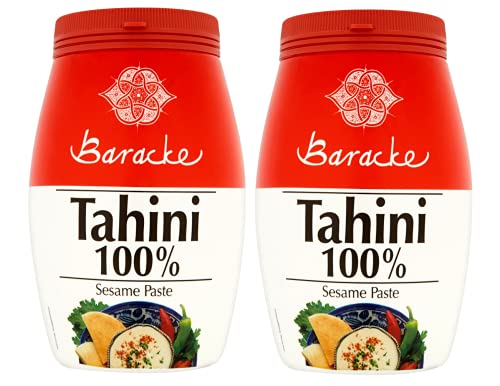
Tahini, a creamy paste made from sesame seeds, has a rich history dating back thousands of years to the Middle East and Mediterranean regions.
Its roots can be traced to ancient civilizations like the Babylonians and Assyrians, who cherished sesame seeds for their culinary and medicinal properties.
In contrast, peanut butter is a relatively modern creation, originating in the United States in the late 19th century.
Recommended to our readers: Click here
The credit for inventing this beloved spread goes to Marcellus Gilmore Edson, a Canadian chemist, who patented a process for making peanut paste that eventually evolved into the creamy peanut butter we know today.
Understanding the origins of these spreads adds a fascinating layer to their culinary significance and cultural impact.
Flavor Profiles and Culinary Uses
Tahini is celebrated for its distinct nutty flavor with a hint of bitterness, making it a versatile ingredient in both savory and sweet dishes.
Its earthy notes complement a wide range of flavors, making it a staple in Middle Eastern cuisine, where it stars in classics like hummus, baba ghanoush, and halva.
On the other hand, peanut butter boasts a robust, roasted peanut flavor that is slightly sweet.

Its creamy consistency and sweet undertones make it a popular choice for spreads, dips, and desserts in Western cuisines.
From classic peanut butter and jelly sandwiches to decadent peanut butter cookies, the versatility of this spread knows no bounds.
Exploring the diverse flavor profiles and culinary uses of tahini and peanut butter reveals the depth of creativity and innovation they bring to recipes around the world.
Nutritional Benefits and Health Considerations
When it comes to nutritional benefits, tahini and peanut butter offer unique advantages that cater to different dietary needs.
Tahini is a powerhouse of nutrients, packed with healthy fats, protein, vitamins, and minerals like calcium and iron.
Its rich nutrient profile makes it a great source of plant-based protein for vegetarians and vegans.
Peanut butter, on the other hand, is renowned for its high protein content and energy-boosting properties.
While it is calorically dense, peanut butter provides a satisfying dose of healthy fats and essential nutrients like vitamin E and magnesium.
Recommended to our readers: Click here
However, it is important to note that some commercial peanut butter brands may contain added sugars and preservatives, so opting for natural or homemade versions is recommended for those looking to prioritize health and wellness.
Considering the nutritional benefits and potential health considerations of tahini and peanut butter
Origins and Production Process
Brewing Process
The brewing process begins with malting, where barley grains are soaked in water to germinate and then dried in a kiln.
This process helps to activate enzymes that will convert the starches in the barley into fermentable sugars during mashing.
The malted barley is then ground into grist before being mixed with hot water in a vessel called a mash tun.
Here, the enzymes breakdown the starches into sugars, creating a sweet liquid known as wort.
Hops and Boiling
Once the wort is separated from the solid barley husks, it is transferred to a brew kettle where it is boiled and hops are added.
Hops not only contribute bitterness to balance the sweetness of the malt but also impart flavors and aromas to the beer.
Different hop varieties can provide a range of characteristics from citrusy and floral to piney and earthy.

Fermentation
After boiling, the wort is cooled and transferred to a fermentation tank where yeast is added.
Yeast plays a crucial role in the brewing process by consuming the sugars in the wort and producing alcohol and carbon dioxide as by-products.
The fermentation process can last anywhere from a few days to several weeks, depending on the desired beer style.
Conditioning and Packaging
Once fermentation is complete, the beer is conditioned to allow flavors to mature and settle.
Recommended to our readers: Click here
This can involve additional aging in tanks or barrels, as well as carbonation adjustments.
Finally, the beer is filtered, carbonated to the appropriate level, and packaged for distribution, whether in bottles, cans, or kegs.
Quality Control
Throughout the production process, breweries implement strict quality control measures to ensure consistency and excellence in their products.
This includes regular testing for factors such as alcohol content, pH levels, and sensory characteristics.
Additionally, many breweries have dedicated tasting panels to evaluate each batch of beer before it is released to the market, ensuring that only the highest-quality products reach consumers.
Taste and Texture
Exploring Flavor Combinations
When considering taste and texture in cooking, chefs often experiment with a variety of flavor combinations to create depth and complexity in their dishes.
For example, pairing sweet and savory flavors can result in a dynamic taste experience that pleases multiple taste senses at once.
Combining contrasting textures, like crunchy nuts with creamy sauces, can also enhance the overall dining experience.
Importance of Balance
Achieving a balance of taste and texture is key to creating a harmonious dish.
Too much of one flavor or texture can overpower the palate and diminish the overall enjoyment of a meal.
Balancing contrasting elements, such as incorporating a hint of acidity to cut through richness, can elevate a dish to a new level of culinary excellence.
Appealing to Different Preferences
Considering taste and texture in cooking is not only about creating delicious food but also about catering to individual preferences.
Some diners may gravitate towards bold, spicy flavors with a crispy texture, while others prefer subtle, creamy dishes.
By offering a diverse range of taste and texture profiles, chefs can ensure that their menu appeals to a wide array of palates.
The Role of Presentation
In addition to taste and texture, the presentation of a dish plays a crucial role in enhancing the overall dining experience.
A well-plated dish not only looks appealing but can also influence how the flavors and textures are perceived.
For example, arranging ingredients thoughtfully on a plate can guide diners on how to experience different elements together, further enriching their culinary journey.
Nutrition and Health Benefits
Vitamins and Minerals
In addition to providing a good source of fiber, fruits and vegetables are also packed with essential vitamins and minerals that are vital for optimal health.
For example, oranges are known for being rich in vitamin C, which is important for supporting the immune system and promoting healthy skin.
Spinach is a great source of iron, which is necessary for the production of red blood cells and energy metabolism.
Antioxidants

Fruits and vegetables are rich in antioxidants, which are compounds that help protect the body from damage by free radicals.
Blueberries, for instance, are loaded with antioxidants like anthocyanins, which have been linked to reducing the risk of chronic diseases such as heart disease and cancer.
Eating a variety of colorful fruits and vegetables ensures that you are getting a wide range of antioxidants to support overall health.
Phytochemicals
Many fruits and vegetables contain phytochemicals, natural compounds that have been shown to have beneficial effects on health.
For example, garlic contains allicin, a compound that has been associated with lowering blood pressure and reducing the risk of cardiovascular disease.
Including a diverse array of fruits and vegetables in your diet can help provide a range of phytochemicals that offer protective benefits to the body.
Culinary Versatility
Exploring Different Cuisines
One of the most exciting aspects of culinary versatility is the opportunity to explore a wide range of cuisines from around the world.
By experimenting with different cooking techniques, spices, and ingredients, home cooks can recreate traditional dishes from countries like Italy, Japan, Mexico, and India right in their own kitchens.
For example, a simple stir-fry can be transformed into a flavorful Thai Pad Krapow by adding basil, fish sauce, and Thai chilies.
This exploration not only broadens one’s palate but also cultivates an appreciation for diverse cultures and traditions.
Fusion Cuisine Creations
Another way to showcase culinary versatility is through the creation of fusion cuisine.
Combining elements from different culinary traditions can result in unique and delicious dishes that push the boundaries of traditional cooking.
For instance, a sushi burrito blends Japanese sushi with Mexican flavors, offering a fresh and innovative take on two beloved cuisines.
The possibilities are endless when it comes to fusion cuisine, allowing chefs to experiment and create exciting new flavor combinations.
Adapting to Dietary Restrictions
Culinary versatility also plays a crucial role in accommodating various dietary restrictions and preferences.
With an array of cooking techniques and ingredient substitutions at their disposal, chefs can easily modify recipes to cater to vegan, gluten-free, or dairy-free diets.
For instance, using plant-based alternatives like tofu or tempeh in place of meat can transform a classic dish into a vegan-friendly option without compromising on taste or texture.
This adaptability ensures that everyone can enjoy delicious meals regardless of their dietary needs.
Elevating Home Cooking Skills
Moreover, exploring culinary versatility can significantly enhance one’s home cooking skills.
Trying out new recipes, learning unfamiliar techniques, and experimenting with diverse flavors can help individuals become more confident and proficient in the kitchen.
Building a versatile culinary repertoire not only allows for more creativity and variety in everyday meals but also sets the stage for impressive culinary achievements in the future.
Environmental Impact and Sustainability
Importance of Sustainability in Reducing Environmental Impact
Sustainability is crucial in mitigating the environmental impact of various industries.
It ensures that natural resources are utilized judiciously, reducing waste and pollution.
By implementing sustainable practices, businesses can minimize their carbon footprint, conserve energy, and protect ecosystems.
Recommended to our readers: Click here
For instance, the adoption of renewable energy sources like solar or wind power can significantly decrease greenhouse gas emissions.
Recycling and proper waste management also play a key role in preserving the environment by reducing landfill waste and preventing harmful substances from contaminating the soil and water sources.
Sustainable Practices in Different Industries
Various industries have recognized the importance of adopting sustainable measures to reduce their environmental impact.
In the fashion industry, many brands are now focusing on using eco-friendly materials such as organic cotton, recycled fabrics, and biodegradable alternatives to traditional synthetic fibers.
By embracing sustainable fashion practices, companies can significantly reduce water usage, chemical pollution, and waste generation.
In the food and beverage sector, sustainable farming practices like organic agriculture and regenerative farming are gaining popularity.
These methods aim to minimize the use of synthetic chemicals, promote biodiversity, and enhance soil health.
By supporting sustainable agriculture, businesses can contribute to preserving farmlands, protecting wildlife habitats, and ensuring the long-term availability of fresh produce without compromising future generations’ food security.
Regulatory Frameworks Promoting Environmental Sustainability
Recommended to our readers: Click here
Governments and regulatory bodies worldwide are enacting policies and regulations that promote environmental sustainability.
These frameworks often include emission reduction targets, waste management guidelines, and incentives for adopting green technologies.
By enforcing strict environmental standards, authorities encourage industries to prioritize sustainability in their operations and invest in eco-friendly solutions.
In doing so, businesses not only comply with legal requirements but also contribute to a cleaner, healthier planet for current and future generations.
Pros and Cons
| Spread | Pros | Cons |
|---|---|---|
| Tahini | Rich in minerals Smooth texture Gluten-free |
Strong taste Higher fat content Less common in Western cuisine |
| Peanut Butter | High protein content Familiar taste Affordability |
Potential allergen Added sugars in some brands Environmental concerns |

Tahini
Tahini, a paste made from ground sesame seeds, is not only a versatile spread but also a nutritious one.
Its richness in essential minerals such as calcium, iron, and magnesium makes it a favorable choice for those looking to boost their mineral intake naturally.
Moreover, the smooth texture of tahini lends itself well to both sweet and savory dishes, making it a popular ingredient in Middle Eastern and Mediterranean cuisine.
However, it is important to note that tahini has a strong, distinct taste that might not appeal to all palates.
Additionally, compared to other spreads, tahini generally has a higher fat content, which can be a consideration for those monitoring their fat consumption.
Furthermore, due to its origin in Middle Eastern cuisine, tahini may not be as readily available or commonly used in Western cooking, potentially limiting its usage in certain recipes.
Peanut Butter
Peanut butter, a beloved pantry staple for many, offers more than just a nostalgic taste.
With its high protein content, peanut butter serves as a convenient way to incorporate protein into one’s diet, especially for individuals following a vegetarian or vegan lifestyle.
Its familiar taste and widespread availability also make it a go-to choice for sandwiches, baking, and snacking options.
On the downside, peanut butter poses a risk for individuals with peanut allergies, which can be severe in some cases.
Moreover, certain commercial brands of peanut butter may contain added sugars or unhealthy additives, so it’s essential to read labels carefully when selecting a brand.
In addition, the environmental impact of peanut butter production, particularly in terms of water usage and carbon emissions, has raised concerns about sustainability within the food industry.
Conclusion
In conclusion, the battle between tahini and peanut butter is a nuanced one, with each spread bringing its own unique characteristics to the table.
Whether you’re a fan of tahini’s nutty richness or peanut butter’s familiar taste, there’s no denying that both spreads have their place in the culinary world.
So, the next time you find yourself pondering which spread to slather on your toast or incorporate into a recipe, consider the flavors, textures, and health benefits each one offers.
In the end, both tahini and peanut butter have earned their spots as pantry staples, ready to add a touch of nutty goodness to your culinary creations.
Health Benefits Comparison
When it comes to health benefits, the battle between tahini and peanut butter becomes even more intriguing.
While both spreads offer a good amount of protein, healthy fats, and essential nutrients, they have their distinct advantages.
Tahini, made from sesame seeds, is a great source of calcium, which is beneficial for bone health.
On the other hand, peanut butter is rich in antioxidants like vitamin E, promoting overall immune function and skin health.
Considering these differences can help you choose the spread that aligns best with your nutritional needs.
Culinary Versatility
Beyond just being toast toppers, both tahini and peanut butter have wide-ranging culinary applications.
Tahini shines in Middle Eastern and Mediterranean dishes like hummus, baba ghanoush, and tahini cookies, adding a creamy texture and a distinct nutty flavor.
Peanut butter, with its sweet and savory profile, is a versatile ingredient in both savory and sweet dishes.
Think of peanut butter in Thai peanut sauces, peanut butter cookies, or even as a dipping sauce for satay skewers.
The culinary possibilities with these spreads are endless, making them essential pantry staples for any creative cook.
Environmental Impact
When considering sustainability, tahini and peanut butter also differ in their environmental impact.
Sesame plants require less water to grow compared to peanuts, making tahini a more water-efficient choice.
Additionally, sesame crops are known for improving soil health and biodiversity, contributing positively to the ecosystem.
On the other hand, peanut farming can have environmental challenges like soil erosion and pesticide use.
If environmental sustainability is a priority for you, opting for tahini over peanut butter may align better with your values.
Global Influence
Both tahini and peanut butter have a global presence, each deeply rooted in culinary traditions around the world.
Tahini has been a staple in Middle Eastern and Mediterranean cuisines for centuries, adding richness and depth to various dishes.
Peanut butter, on the other hand, has gained popularity globally, especially in Western cultures where it is a beloved childhood favorite.
Acknowledging the cultural significance of these spreads can enhance your appreciation for their unique flavors and textures, inviting you to explore diverse cuisines and recipes that celebrate their distinctiveness.