Coconut Sugar vs Stevia: A Close Look at Two Popular Sweeteners
In the world of natural sweeteners, coconut sugar and stevia have been making waves as healthier alternatives to traditional sugar.
Both have gained popularity for their distinct taste profiles and potential health benefits.
Recommended to our readers: Click here
But which one is the better choice for you?
Let’s delve into the sweet showdown between coconut sugar and stevia to uncover the truth behind these trendy sweeteners.
What is Coconut Sugar?
Coconut sugar, also known as coconut palm sugar, is a natural sweetener derived from the sap of coconut palm tree blossoms.
The sap is collected, boiled, and dehydrated to create granules that resemble brown sugar.
Coconut sugar has a rich caramel-like flavor with a subtle hint of coconut, making it a popular choice for baking and cooking.
Coconut sugar contains small amounts of vitamins, minerals, and phytonutrients, such as iron, zinc, and antioxidants.
It also has a lower glycemic index compared to regular sugar, which means it causes a slower rise in blood glucose levels.
This makes it a preferred option for individuals looking to manage their blood sugar levels or reduce their overall sugar intake.
The Rise of Stevia as a Natural Sweetener
Stevia is a natural sweetener extracted from the leaves of the Stevia rebaudiana plant, native to South America.
It has been used for centuries by indigenous populations for its sweetening properties.
Stevia contains compounds called steviol glycosides, which are responsible for its intense sweetness without the calories or carbohydrates found in sugar.
One of the key advantages of stevia is its zero-calorie nature, making it an attractive option for individuals following a low-calorie or sugar-free diet.
Stevia is significantly sweeter than sugar, so only a small amount is needed to achieve the desired level of sweetness in recipes or beverages.
In addition to its sweetening properties, stevia is believed to have potential health benefits, including blood sugar regulation, improved insulin sensitivity, and possible anti-inflammatory effects.
Choosing Between Coconut Sugar and Stevia
When deciding between coconut sugar and stevia, it ultimately comes down to personal preference and dietary needs.
Coconut sugar may be favored for its rich flavor and versatility in baking, while stevia is a potent sweetener suitable for those monitoring their calorie and sugar intake.
For baking and cooking, coconut sugar can be used as a 1:1 replacement for white or brown sugar in most recipes.
Its caramel-like flavor adds depth to baked goods and savory dishes, making it a popular choice for those seeking a natural sweetener with a distinct taste profile.
On the other hand, stevia is available in various forms, including liquid extracts and powdered versions.
Its intense sweetness means that only a small amount is required, making it a cost-effective option in the long run.
Stevia can be used in drinks, desserts, and even savory
Introduction: The Sweet Duel Begins
As the quest for healthier living gains momentum, people are turning to natural sweeteners to satisfy their sweet tooth without compromising their well-being.
Coconut sugar and stevia have emerged as front-runners in this pursuit, offering sweetness without the guilt of refined sugars.
The Rise of Coconut Sugar:
Coconut sugar, also known as coconut palm sugar, is derived from the sap of the coconut palm tree.
This natural sweetener has gained popularity due to its lower glycemic index compared to refined sugars, making it a suitable alternative for those watching their blood sugar levels.
Coconut sugar contains vital nutrients such as iron, zinc, calcium, and antioxidants, providing some nutritional value along with its sweet taste.
Its caramel-like flavor adds a unique depth to recipes, making it a versatile ingredient in both sweet and savory dishes.
With its sustainable production methods and natural sourcing, coconut sugar appeals to consumers looking for ethical and environmentally friendly sweetening options.
The Versatility of Stevia:
Stevia, a plant native to South America and used for centuries by indigenous populations, is renowned for its intense sweetness without the calories.
The stevia plant’s leaves contain compounds called steviol glycosides, which are responsible for its sweet taste.
Stevia is significantly sweeter than sugar, so only a small amount is needed to sweeten beverages, desserts, and baked goods.
This natural sweetener has gained popularity among those following low-carb or calorie-conscious diets, as it does not impact blood sugar levels or contribute to tooth decay.
Stevia is available in various forms, including liquid extracts, powders, and granules, offering consumers flexibility in how they incorporate this sweetener into their cooking and baking.
Embracing the Sweet Duel:
The competition between coconut sugar and stevia reflects a broader shift towards healthier sweetening options in response to growing health concerns related to sugar consumption.
Both natural sweeteners offer benefits in terms of flavor, nutritional content, and impact on blood sugar levels.
While coconut sugar provides a subtle sweetness and nutrients, stevia stands out for its intense sweetening power and zero-calorie profile.
The versatility of these sweeteners allows individuals to explore new culinary possibilities while prioritizing their well-being.
It’s a sweet duel that empowers consumers to make informed choices about their dietary habits, ultimately contributing to a more balanced and health-conscious lifestyle.
The Origins and Production Process
Coconut sugar, also known as coconut palm sugar, is derived from the sap of coconut palm blossoms.
The sap is extracted, heated, and dehydrated to produce a granulated sugar alternative with a caramel-like flavor.
On the other hand, stevia is a sweetener extracted from the leaves of the Stevia rebaudiana plant.
It is processed using water extraction and purification methods to isolate the sweet compounds known as steviol glycosides.
Coconut Sugar Production Process:
Recommended to our readers: Click here
The process of extracting coconut sugar begins with skilled farmers climbing up coconut palm trees to collect the sap from the flower blossoms.
This traditional method involves making careful incisions in the flowers to allow the sap to flow into collection containers.
The sap is then transferred to large vats for heating over low temperatures to evaporate the water content and develop the characteristic caramel flavor.
Once the sap reaches a certain consistency, it is poured into molds or trays to cool and solidify, forming blocks or granules of coconut sugar.
The final step involves dehydrating the sugar either through natural sun-drying or using low-temperature ovens to ensure that it retains its nutritional properties and rich flavor profile.
The result is a natural sweetener with a lower glycemic index compared to conventional sugars, making it a popular choice for those seeking healthier alternatives.
Stevia Extraction and Purification:
After the Stevia rebaudiana leaves are harvested, they undergo a meticulous extraction process to isolate the sweet compounds, known as steviol glycosides, that give stevia its intense sweetness.
The leaves are first dried and then steeped in hot water to release the desired compounds.
The liquid extract is then filtered to remove any impurities before undergoing a purification process to further concentrate the steviol glycosides.
One of the common purification methods involves using resins or membranes to selectively capture and retain the sweet compounds while removing any bitter or undesirable components.

This purification step is crucial to ensure that the final stevia extract is free from any off-flavors or lingering plant residues.
The purified extract is then carefully dried to create a highly refined powder or liquid form of stevia that can be used in various food and beverage applications.
Nutritional Value and Health Benefits
When it comes to nutritional content, coconut sugar contains minerals like iron, zinc, calcium, and potassium, along with antioxidants.
However, it is still high in calories and has a similar glycemic index to regular sugar.
Stevia, on the other hand, is virtually calorie-free and does not impact blood sugar levels, making it an attractive option for diabetics and those watching their calorie intake.
Comparative Nutritional Analysis
Coconut sugar, despite being a natural sweetener, is still considered a form of sugar and thus is calorically dense.

Just like regular sugar, it should be consumed in moderation.
Its mineral content, however, sets it apart from refined sugar.
Iron, for example, plays a crucial role in the body’s oxygen transport system and is essential for the production of hemoglobin.
Zinc is another important mineral found in coconut sugar, aiding in immune function and wound healing.
Calcium and potassium contribute to bone health and muscle function, respectively.
These added minerals provide some nutritional value compared to empty calories from refined sugar.
Glycemic Index and Blood Sugar Regulation
Recommended to our readers: Click here
One significant difference between coconut sugar and stevia lies in their impact on blood sugar levels.
Coconut sugar has a glycemic index (GI) that is lower than regular sugar but still relatively high, meaning it can cause blood sugar spikes.
This makes it less suitable for individuals with conditions like diabetes or insulin resistance.
On the other hand, stevia stands out for its minimal effect on blood sugar, making it a preferred choice for those looking to manage their blood glucose levels more effectively.
Recommended to our readers: Click here
This attribute has made stevia a popular sugar substitute in diabetic-friendly recipes and products.
Antioxidant Content
Apart from minerals, coconut sugar contains antioxidants that can help combat oxidative stress in the body.
Antioxidants are essential in reducing inflammation and protecting cells from damage caused by free radicals.
Although the exact amount of antioxidants in coconut sugar may vary based on processing methods, its presence adds a beneficial aspect to this sweetener.
Stevia, while lacking in antioxidants, makes up for it with its calorie-free nature and stable blood sugar impact.
Individuals aiming to reduce their overall sugar intake while still satisfying their sweet tooth often turn to stevia as a suitable alternative.
Flavor Profile and Culinary Applications
Coconut sugar offers a rich, caramel-like taste that can enhance baked goods, sauces, and beverages with a subtle hint of coconut flavor.
It is often used as a one-to-one replacement for white or brown sugar in recipes.
Stevia, on the contrary, is intensely sweet and comes with a slightly bitter aftertaste if not used judiciously.
It is available in various forms, including liquid, powder, and granules, and is popular for sweetening beverages and desserts without adding extra calories.
Coconut Sugar in Baked Goods
When incorporating coconut sugar into baked goods, it not only lends its unique caramel-like flavor but also adds a subtle depth to the overall taste profile.
For example, replacing regular sugar with coconut sugar in cookies can result in a chewier texture and a richer taste.
Sauces and Seasonings
Coconut sugar’s versatility extends to savory applications as well, such as in sauces and seasonings.
Its hint of coconut flavor can complement dishes like teriyaki chicken or a spicy stir-fry sauce, adding a nuanced sweetness that balances out other flavors.
Exotic Beverages
In addition to enhancing traditional baked goods and savory dishes, coconut sugar is also a popular choice for exotic beverages.
For instance, using it to sweeten a tropical fruit smoothie can bring out the natural flavors of the fruits while imparting a subtle hint of coconut that elevates the drink.
Stevia in Everyday Cooking
Stevia’s intense sweetness makes it an ideal sugar substitute for those looking to reduce their sugar intake without sacrificing taste.
In everyday cooking, using stevia in place of sugar can be a game-changer, allowing you to enjoy sweet treats like cakes or muffins with a fraction of the calories.
Balancing Bitterness
To counter stevia’s slight bitter aftertaste, pairing it with ingredients that can balance out the bitterness is key.
For example, combining stevia with natural sweeteners like honey or maple syrup can help mask the bitterness while enhancing the overall flavor profile of a dish.

Pros and Cons
| Feature | Coconut Sugar | Stevia |
|---|---|---|
| Taste | Natural caramel flavor | Intensely sweet with a slight bitterness |
| Nutritional Content | Contains minerals and antioxidants | Virtually calorie-free |
| Glycemic Index | High, similar to regular sugar | Does not impact blood sugar levels |
| Culinary Applications | Versatile in baking and cooking | Great for sweetening beverages |

Taste:
In addition to its natural caramel flavor, coconut sugar also offers a subtle hint of coconut, making it a unique and flavorful sweetener choice for various dishes and beverages.
This depth of flavor can enhance the overall taste profile of recipes, especially when used in baking goods like cookies, cakes, and muffins.
On the other hand, stevia’s intense sweetness with a slight bitterness might not appeal to all palates.
However, when used in moderation, stevia can be a great option for individuals looking to reduce their sugar intake without compromising on sweetness.
It is commonly used to sweeten beverages like tea, coffee, and smoothies, where its strong sweetening power is beneficial.
Nutritional Content:
Aside from providing sweetness, coconut sugar contains essential minerals such as iron, zinc, calcium, and potassium, along with antioxidants like polyphenols and flavonoids.
These nutrients can offer some health benefits, although in small amounts.
However, it’s important to note that coconut sugar is still a form of sugar and should be consumed in moderation to avoid excessive caloric intake.
In contrast, stevia is virtually calorie-free, making it a popular choice for individuals looking to manage their weight or blood sugar levels.
Since it is not metabolized in the body like sugar, stevia can be a suitable option for those following a low-calorie or low-carb diet.
Glycemic Index:
While coconut sugar has a high glycemic index similar to regular sugar, meaning it can cause spikes in blood sugar levels if consumed in large quantities, it is a better alternative to refined sugar due to its slightly lower glycemic index and higher nutrient content.
Stevia, on the other hand, does not impact blood sugar levels or insulin secretion, making it a safe option for individuals with diabetes or those aiming to regulate their blood glucose levels.
Culinary Applications:
Coconut sugar’s versatility in baking and cooking extends beyond just sweetness.
It can add a rich depth of flavor to savory dishes like marinades, sauces, and dressings, balancing out the taste profiles effectively.
Additionally, it can be used in making caramel sauces and toppings due to its natural caramel notes.
Stevia is particularly ideal for sweetening beverages such as lemonades, iced teas, and fruit-infused water, where its concentrated sweetness can be easily dissolved.
It is also commonly used in desserts that do not require bulk or texture, like puddings, jellies, or sorbets
Conclusion: Making Your Sweet Choice
In the realm of natural sweeteners, both coconut sugar and stevia have their unique advantages and limitations.
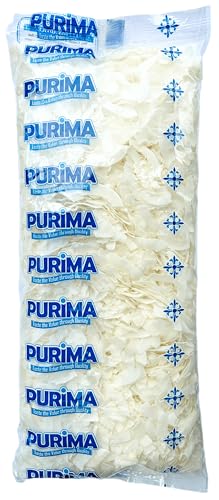
While coconut sugar brings a rich flavor and some nutritional benefits to the table, stevia shines as a calorie-free, blood sugar-friendly sweetener.
Your choice between these two sweet contenders ultimately depends on your taste preferences, health goals, and culinary needs.
In the end, whether you opt for the warm notes of coconut sugar or the intense sweetness of stevia, remember that moderation is key when it comes to sweetening your life.
Experiment with both sweeteners in your favorite recipes to find the perfect balance of flavor and health benefits.
So, go ahead, sweeten your day with nature’s goodies, and let your taste buds be the judge in this delightful debate between coconut sugar and stevia.
Health Benefits of Coconut Sugar
Coconut sugar is not only a sweetener but also packed with nutrients like iron, zinc, calcium, and potassium.
These minerals contribute to promoting overall health and providing essential nutrients that refined sugars lack.
The low glycemic index of coconut sugar makes it a favorable option for individuals with diabetes or those looking to manage their blood sugar levels more effectively.
Recommended to our readers: Click here
Culinary Uses and Flavor Profile
The rich caramel-like flavor of coconut sugar makes it a versatile ingredient in both sweet and savory dishes.
It adds a depth of flavor to baked goods, beverages, and sauces, enhancing the overall taste profile.
Its subtle sweetness pairs well with flavors like chocolate, cinnamon, and nuts, making it a popular choice in a wide range of recipes.
Stevia: Zero Calories, Maximum Sweetness
Stevia, derived from the leaves of the Stevia rebaudiana plant, is a natural sweetener that contains zero calories, making it an ideal option for those looking to reduce their calorie intake or manage their weight.
Despite being intensely sweet, stevia does not affect blood sugar levels, making it a safe choice for individuals monitoring their glucose levels, including diabetics.
Versatility in Sweetening
Stevia’s high sweetness potency means that only a small amount is needed to achieve the desired level of sweetness in recipes.
It can be used in both hot and cold dishes, making it suitable for baking, beverages, and even homemade condiments.
Its versatility extends to being available in various forms like liquid, powder, and granules, catering to different culinary preferences.
Finding the Perfect Balance
When incorporating coconut sugar and stevia into your cooking and baking, it’s essential to experiment and find the right balance for your taste buds.
Combining the two sweeteners can offer a unique flavor profile that balances the rich, caramel notes of coconut sugar with the intense sweetness of stevia.
This blend allows you to enjoy the benefits of both sweeteners while managing their individual limitations effectively.