Nest Learning Thermostat vs Honeywell Home T9: A Comprehensive Comparison
Recommended to our readers: Click here
In the age of smart homes, choosing the right thermostat can make a significant impact on your comfort and energy efficiency.
The Nest Learning Thermostat and the Honeywell Home T9 are two leading contenders in this space, offering advanced features that promise to revolutionize the way we interact with our heating and cooling systems.
But how do these devices stack up against each other?
Let’s delve into a detailed comparison to help you make an informed decision.
Importance of Choosing the Right Thermostat for a Smart Home
In today’s increasingly connected world, the thermostat has evolved beyond just a simple temperature control device.
It now serves as a central hub for managing various aspects of home automation, such as energy efficiency, comfort settings, and remote access.
With the right thermostat, homeowners can optimize their heating and cooling systems to save energy and money while ensuring a comfortable living environment.
Advanced Features of the Nest Learning Thermostat and Honeywell Home T9
The Nest Learning Thermostat and Honeywell Home T9 are equipped with a range of advanced features that set them apart in the competitive smart thermostat market.
These features include learning capabilities, geofencing technology, remote access via smartphone apps, integration with smart home ecosystems like Google Home and Amazon Alexa, and energy usage reports.
By leveraging these innovative technologies, users can enjoy a more personalized and efficient heating and cooling experience tailored to their needs and preferences.

Revolutionizing User Interaction with Heating and Cooling Systems
Both the Nest Learning Thermostat and Honeywell Home T9 aim to revolutionize the way users interact with their heating and cooling systems.
By learning users’ habits and preferences over time, these smart thermostats can automatically adjust temperature settings to optimize comfort and energy savings.
Moreover, with geofencing technology, the thermostats can detect when users are away from home and adjust settings accordingly, further enhancing energy efficiency.
Detailed Comparison to Facilitate Informed Decision-Making
To help consumers choose between the Nest Learning Thermostat and Honeywell Home T9, a detailed comparison is essential.
By analyzing factors such as design, installation process, compatibility with existing HVAC systems, user interface, energy-saving capabilities, and pricing, individuals can make an informed decision based on their specific requirements and preferences.
Conducting a comprehensive comparison ensures that consumers select the smart thermostat that best suits their needs and aligns with their smart home ecosystem.
The Battle of Design and User Interface
When it comes to design and user interface, both the Nest Learning Thermostat and the Honeywell Home T9 have their unique strengths.
The Nest thermostat boasts a sleek, minimalist look that fits seamlessly into modern interiors, with its iconic round shape and vibrant display.
On the other hand, the Honeywell T9 features a more traditional rectangular design with a larger touch screen that provides a clear and intuitive interface.
In terms of user experience, the Nest Learning Thermostat takes the prize for its adaptive learning capabilities.
By tracking your preferences and adjusting the temperature accordingly, it aims to create a personalized comfort schedule without the need for constant manual input.
In contrast, the Honeywell Home T9 offers a more customizable approach, allowing users to set specific temperature profiles for different times of the day.
Design Aesthetics
The design aesthetics of a smart thermostat play a significant role in enhancing the overall ambiance of a room.
The Nest Learning Thermostat’s circular shape not only gives it a unique and futuristic appearance but also makes it a standout piece in any modern home.
Its high-resolution display offers vibrant visuals and sharp graphics, adding a touch of elegance to the device.
On the other hand, the Honeywell Home T9’s rectangular form factor exudes a sense of reliability and functionality.
The larger touch screen provides ample space for displaying detailed information and enables easy navigation through various settings.
User Interface Customization
When it comes to user interface customization, the Honeywell Home T9 offers a wide range of options to cater to individual preferences.
Users can personalize the display themes, choose between different color schemes, and even adjust the layout of information on the screen according to their liking.
This level of customization not only allows for a more tailored user experience but also ensures that the device blends seamlessly with the user’s unique style and preferences.
Adaptive Learning Technology
The Nest Learning Thermostat’s adaptive learning technology goes beyond simple programming by observing your habits and adjusting the temperature settings accordingly.
For example, if it detects that you consistently lower the temperature at night, the thermostat will begin to automatically make these adjustments without any manual input.
This hands-free approach not only saves time but also ensures optimal comfort without the need for constant tweaking of settings.
The device essentially learns your routine and creates a personalized schedule to keep you comfortable throughout the day.
Temperature Profile Management
In contrast, the Honeywell Home T9 empowers users with the ability to create specific temperature profiles for different times of the day.
This feature is particularly beneficial for individuals with varied schedules or those who prefer different temperatures during different parts of the day.
For instance, you can set a higher temperature in the morning for a cozy wake-up experience and then automatically switch to a cooler setting during the day when you’re away.
This level of control allows users to fine-tune their comfort settings based on their daily routines and preferences.
Smart Features and Connectivity
Both the Nest Learning Thermostat and the Honeywell Home T9 come equipped with smart features that give users greater control over their home climate.
The Nest thermostat leverages its integration with Google Assistant and Amazon Alexa to enable voice commands, making it easy to adjust settings hands-free.
Additionally, it uses geofencing technology to detect when you’re away from home and automatically adjust the temperature to save energy.
On the other hand, the Honeywell T9 shines in its room sensor capabilities, allowing you to prioritize certain areas of your home for heating or cooling.
This feature is particularly useful for multi-story homes or residences with uneven temperature distribution.
Moreover, the Honeywell Home T9 supports seamless integration with popular smart home platforms like Apple HomeKit and Samsung SmartThings, expanding its compatibility with other devices.
Voice Control and Smart Integration
The integration of the Nest Learning Thermostat with Google Assistant and Amazon Alexa not only allows for voice commands to adjust temperature settings but also opens up a world of possibilities for home automation.
Users can create custom voice commands to control other smart devices in their home, such as lights, locks, and security systems, creating a seamless and integrated smart home ecosystem.
Energy Saving Features
Beyond geofencing, the Nest Learning Thermostat also utilizes machine learning algorithms to adapt to users’ schedules and preferences over time.
By learning your habits and preferences, the thermostat can optimize energy usage and save on utility bills without sacrificing comfort.
For example, it can suggest energy-efficient temperature settings based on your usage patterns and outside weather conditions.

Enhanced Comfort and Zoning
The room sensor capabilities of the Honeywell Home T9 offer a refined level of comfort control by allowing users to prioritize specific areas of their home for heating or cooling.
For instance, you can set the sensor in the living room to be the main temperature reference during the day and switch to the bedroom sensor at night for personalized comfort while sleeping.
This zoning feature provides tailored climate control based on occupancy and usage patterns, ensuring comfort where it matters most.
Multi-Platform Compatibility
In addition to supporting Apple HomeKit and Samsung SmartThings, the Honeywell T9 is compatible with a range of other smart home platforms, such as IFTTT (If This Then That), allowing for greater customization and integration with a variety of devices and services.
This broad compatibility ensures that the thermostat can fit seamlessly into existing smart home setups or be easily integrated into future smart home upgrades, offering flexibility and convenience to users.
Energy Efficiency and Cost Savings
One of the primary benefits of smart thermostats is their ability to enhance energy efficiency and reduce utility costs.
The Nest Learning Thermostat excels in this aspect, thanks to its Energy History feature that provides insights into your energy usage patterns and suggests ways to optimize consumption.
By learning your behavior and adjusting temperatures accordingly, it aims to minimize wastage and maximize savings over time.
Similarly, the Honeywell Home T9 offers energy-saving features such as flexible scheduling and geofencing to help you manage your heating and cooling efficiently.
It also provides detailed energy reports that break down your usage patterns and identify areas for improvement.
By making informed decisions based on this data, you can strive to achieve a balance between comfort and cost-effectiveness.
Advanced Learning Capabilities
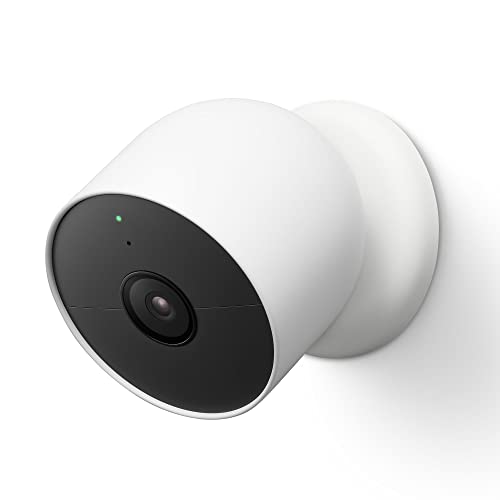
Smart thermostats like the Nest Learning Thermostat and the Honeywell Home T9 boast advanced learning capabilities that set them apart from traditional thermostats.
These devices go beyond basic scheduling and manual adjustments by actively learning your preferences and behaviors.
For example, the Nest Learning Thermostat uses artificial intelligence algorithms to analyze your temperature adjustments and household usage patterns to create a personalized schedule that maximizes energy efficiency without compromising comfort.
This proactive approach not only keeps you comfortable but also helps in reducing energy waste and utility costs in the long run.
Remote Monitoring and Control
Another key feature that contributes to energy efficiency and cost savings is the ability to remotely monitor and control your smart thermostat.
Both the Nest Learning Thermostat and the Honeywell Home T9 offer mobile apps that allow you to adjust settings, view energy usage data, and receive alerts or notifications no matter where you are.
For instance, if you forgot to adjust the temperature before leaving for a trip, you can easily make changes using your smartphone to avoid unnecessary energy consumption.
This remote access not only adds convenience but also empowers you to make real-time adjustments that can lead to significant savings over time.
Integration with Smart Home Ecosystem
Moreover, smart thermostats like the Nest Learning Thermostat and the Honeywell Home T9 often integrate seamlessly with other smart home devices and ecosystems, enhancing their energy-saving capabilities.
By connecting to platforms like Amazon Alexa, Google Assistant, or Apple HomeKit, these thermostats can leverage data from multiple sources to optimize your home’s energy usage.
For example, they can use information from motion sensors or occupancy sensors to adjust temperatures based on room occupancy, further reducing energy waste in unoccupied spaces.
This synergy with other smart devices not only streamlines your home automation experience but also contributes to improved energy efficiency and cost savings.
Installation and Compatibility
When it comes to installation and compatibility, both the Nest Learning Thermostat and the Honeywell Home T9 aim to provide user-friendly experiences.
Recommended to our readers: Click here
The Nest thermostat boasts a reputation for its straightforward setup process, guided by the Nest mobile app that offers step-by-step instructions and troubleshooting tips.
It is compatible with a wide range of HVAC systems, making it suitable for most homes.
On the other hand, the Honeywell T9 offers a professional installation option for users who prefer expert assistance.
While it may require a bit more technical know-how compared to the Nest thermostat, it comes with detailed installation guides and support resources to help you through the process.
Moreover, the Honeywell Home T9 is compatible with a variety of heating and cooling systems, ensuring broader accessibility for consumers.
Installation Process
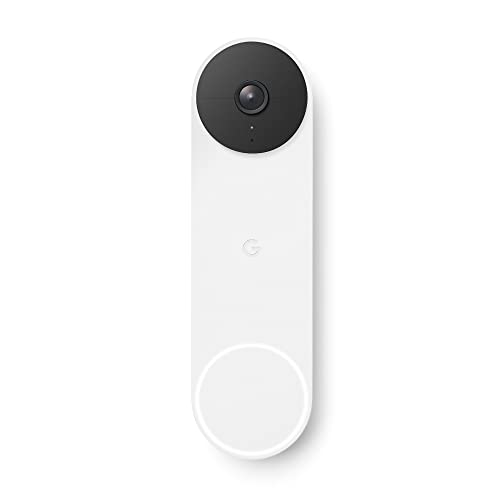
The Nest Learning Thermostat’s installation process is designed to be user-friendly, with clear and simple instructions provided through the Nest mobile app.
Users can follow step-by-step guidance to connect the thermostat to their HVAC system without the need for professional assistance.
The app also offers troubleshooting tips in case any issues arise during the setup process, ensuring a smooth installation experience for users.
In contrast, the Honeywell Home T9 provides users with the option for professional installation, which can be beneficial for those who prefer expert help or have more complex HVAC systems.
While the installation may require a bit more technical know-how compared to the Nest thermostat, Honeywell offers detailed installation guides and support resources to assist users every step of the way.

This additional support can give users peace of mind knowing they have access to expert guidance if needed.
Compatibility with HVAC Systems
Both the Nest Learning Thermostat and the Honeywell Home T9 are compatible with a wide range of heating, ventilation, and air conditioning (HVAC) systems.
The Nest thermostat’s compatibility extends to many different HVAC setups commonly found in homes, making it a versatile option for consumers.
Whether you have a traditional forced-air system, a heat pump, or radiant heating, the Nest thermostat is likely to work with your setup.
Similarly, the Honeywell Home T9 is designed to work with various heating and cooling systems, ensuring broader accessibility for consumers with different HVAC configurations.
Whether you have a dual fuel system, a geothermal heat pump, or a zoned HVAC system, the Honeywell T9 is engineered to be compatible with a variety of setups, making it a versatile choice for homeowners with diverse HVAC needs.
Conclusion: Making the Right Choice
In conclusion, both the Nest Learning Thermostat and the Honeywell Home T9 stand out as top contenders in the smart thermostat market, each offering unique features that cater to different user preferences.
The Nest thermostat excels in adaptive learning and seamless integration with voice assistants, while the Honeywell T9 shines in customizable room sensor capabilities and extensive smart home platform support.
Ultimately, the choice between these devices will depend on your specific needs and priorities when it comes to design, functionality, and energy efficiency.
As you embark on the journey to upgrade your home heating and cooling system, consider how the Nest Learning Thermostat and the Honeywell Home T9 align with your lifestyle and goals.
Whether you prioritize personalized comfort, advanced connectivity, or energy savings, both of these smart thermostats have something valuable to offer.
Choose wisely, and enjoy the convenience and efficiency that comes with embracing smart home technology.
Your comfort and savings await at the touch of a button.
Comparison of Key Features
When comparing the Nest Learning Thermostat and the Honeywell Home T9, it’s essential to delve deeper into their key features to understand which one aligns best with your needs.
The Nest thermostat’s adaptive learning technology is a standout feature that allows it to automatically adjust temperature settings based on your habits and preferences.
By analyzing your behavior over time, it creates a personalized schedule that maximizes comfort and energy efficiency.
On the other hand, the Honeywell T9’s customizable room sensor capabilities provide granular control over temperature regulation in different areas of your home.
Recommended to our readers: Click here
With the ability to prioritize specific rooms or zones for heating or cooling based on occupancy, this feature ensures that you can maintain optimal comfort levels where it matters most.
Additionally, the T9’s compatibility with a wide range of smart home platforms like Apple HomeKit, Amazon Alexa, and Google Assistant enhances its versatility in creating a seamless connected home experience.
Recommended to our readers: Click here
Design and User Interface
Considering the aesthetic appeal and user-friendliness of a smart thermostat is crucial when making your decision.
The Nest Learning Thermostat is renowned for its sleek and modern design, featuring a vibrant display that blends seamlessly into any home decor.
Its intuitive interface allows for effortless control and programming, making it a popular choice for users who appreciate simplicity and style.
In contrast, the Honeywell Home T9 offers a more traditional design with a larger display and physical buttons for manual adjustments.
While it may lack the visual finesse of the Nest thermostat, the T9 makes up for it with a straightforward interface that caters to users who prefer a more tactile approach to thermostat operation.
Energy Efficiency and Cost Savings
Both the Nest Learning Thermostat and the Honeywell Home T9 are designed to help you save energy and reduce utility costs through optimized heating and cooling cycles.
The Nest thermostat’s Energy History feature provides detailed insights into your energy usage patterns, empowering you to make informed decisions on how to further enhance efficiency.
Similarly, the Honeywell T9’s Smart Response technology gauges how long it takes to heat or cool your home, enabling it to pre-condition your space to your desired temperature at the right time.
Recommended to our readers: Click here
By leveraging these energy-saving capabilities, both thermostats offer the potential for significant cost savings over time while minimizing environmental impact through reduced energy consumption.
Recommended to our readers: Click here
In conclusion, whether you value personalized comfort, seamless integration with other smart devices, or maximizing energy efficiency, the Nest Learning Thermostat and the Honeywell Home T9 present compelling options that cater to