Nest Learning Thermostat vs Ecobee4: Redefining Home Climate Control
In the realm of smart home technology, the battle for supremacy in the realm of thermostat innovation has long been contested between two giants: the Nest Learning Thermostat and the Ecobee4.
These sleek, futuristic devices promise not only to regulate your home’s temperature but also to optimize energy usage, learn your preferences, and even integrate with voice assistants.
But which one truly reigns supreme?
Let’s delve into the depths of these two titans to find out.
Evolution of Smart Thermostats
Recommended to our readers: Click here
Both the Nest Learning Thermostat and the Ecobee4 have revolutionized the way we interact with and control the climate in our homes.
Nest, launched by the creators of Google, was among the pioneers in introducing learning capabilities to thermostats.
Its sophisticated algorithms analyze your habits and adjust temperature settings accordingly, aiming to create a personalized and energy-efficient environment.
On the other hand, Ecobee4 stood out by being one of the first to integrate built-in voice control with Amazon Alexa, offering users the convenience of adjusting settings through voice commands.
Design and User Interface

The Nest Learning Thermostat boasts a minimalist and sleek design, featuring a round shape and a vibrant display that blends seamlessly into modern home aesthetics.
Its intuitive interface allows users to easily access settings and monitor energy usage in real-time.
In contrast, the Ecobee4 sports a more traditional square design with a larger screen that displays more information at a glance.
Users appreciate the Ecobee4’s touchscreen interface, which provides a user-friendly experience for adjusting temperature settings and accessing various features.
Energy Efficiency and Cost Savings
Both devices prioritize energy efficiency, helping users reduce their utility bills while maintaining a comfortable living environment.
The Nest Learning Thermostat’s learning capabilities enable it to adapt to your schedule and adjust temperature settings automatically, potentially saving you money on heating and cooling costs.
Similarly, the Ecobee4’s smart features, such as room sensors that detect occupancy and adjust settings accordingly, contribute to optimizing energy consumption.
By leveraging these advanced technologies, users can experience significant cost savings over time.

Integration with Smart Home Ecosystem
One of the key advantages of both the Nest Learning Thermostat and the Ecobee4 is their seamless integration with other smart home devices and platforms.
Nest works effortlessly with Google Assistant, allowing users to control their thermostat through voice commands or integrate it with other Google Home products for a more interconnected smart home experience.
On the other hand, the Ecobee4’s integration with Amazon Alexa provides users with a wide range of voice-controlled functionalities, from adjusting temperatures to setting reminders and accessing information.
Future Innovations and Upgrades
As the landscape of smart home technology continues to evolve, both Nest and Ecobee are constantly enhancing their products with new features and updates.
From regular software upgrades that improve performance and add new functionalities to hardware innovations that enhance user experience, these companies are committed to staying at the forefront of thermostat innovation.

With the potential for
The Backstory: Origins and Evolution
The Nest Learning Thermostat, born out of the inventive minds at Nest Labs, made its debut in 2011, revolutionizing the way homeowners interact with their HVAC systems.
Nest’s focus on intuitive design and adaptive learning algorithms quickly set it apart from traditional thermostats, leading to its acquisition by Google in 2014.
On the other side, there’s Ecobee4, developed by the Canadian company Ecobee.
With a strong emphasis on remote sensors and compatibility with multiple smart home platforms, Ecobee4 has carved out its own niche in the market since its launch in 2017.
Nest Learning Thermostat Innovation:

The Nest Learning Thermostat set a new standard for smart home devices with its sleek design and cutting-edge features.
One key aspect that propelled its success was its adaptive learning algorithms, which analyze user preferences and habits to automatically adjust temperature settings.
For example, if a homeowner consistently turns down the thermostat at night, Nest will learn this pattern and proactively make the adjustment in the future.
This personalized approach to temperature control not only enhances comfort but also promotes energy efficiency by optimizing heating and cooling schedules based on actual usage patterns.
Recommended to our readers: Click here
Google Acquisition and Integration:
Recommended to our readers: Click here
Google’s acquisition of Nest in 2014 signified a major strategic move into the burgeoning smart home market.
By integrating Nest’s technology into its ecosystem, Google aimed to bolster its position in the Internet of Things (IoT) realm.
This union gave Nest access to Google’s vast resources and expertise in data analytics, enabling further innovation in smart home solutions.
Recommended to our readers: Click here
The integration also allowed for cross-compatibility among various Google products, opening up opportunities for seamless connectivity and enhanced user experiences across different devices and platforms.
Ecobee4 and Remote Sensor Technology:
Ecobee4 differentiated itself in the smart thermostat landscape by leveraging remote sensor technology to deliver precise temperature control in multiple zones.
These additional sensors placed in different rooms provide real-time data on occupancy and temperature variations, allowing the thermostat to optimize comfort levels throughout the house.
Recommended to our readers: Click here
For instance, if the living room sensor detects activity during the day, Ecobee4 can adjust the temperature settings accordingly to ensure maximum comfort in that area.
This approach not only enhances user convenience but also promotes energy savings by focusing heating or cooling efforts where they are needed most.
Smart Home Platform Compatibility:
Another notable feature of the Ecobee4 is its broad compatibility with various smart home platforms, making it a versatile choice for homeowners seeking integration with other connected devices.
Whether it’s Amazon Alexa, Apple HomeKit, Samsung SmartThings, or IFTTT (If This, Then That), Ecobee4 offers seamless integration with these popular platforms, allowing users to create customized automation routines and enjoy a cohesive smart home experience.
This flexibility in connectivity enhances the overall functionality of Ecobee4, making it a valuable addition to a comprehensive smart home ecosystem.
Design and User Interface: Form Meets Function
When it comes to design, both the Nest Learning Thermostat and the Ecobee4 exude a modern aesthetic that effortlessly blends into any home decor.
Nest boasts a sleek, minimalist circular shape with a vibrant display that lights up when approached, inviting interaction.
In contrast, Ecobee4 takes a more conventional approach with a square shape and a larger screen that displays more information at a glance.
Nest Learning Thermostat Design:
The design of the Nest Learning Thermostat is not just visually appealing but also smartly functional.
Its circular shape is not just for aesthetics; it represents a continuous loop of learning and intelligent adjustment.
The use of premium materials like stainless steel further enhances its high-end appeal, making it a statement piece in any room.
The vibrant display is not just for show; it provides real-time feedback on temperature changes and energy usage, encouraging users to engage with the device and make informed decisions about their energy consumption.
Ecobee4 Design:
Ecobee4, on the other hand, prioritizes practicality and information accessibility in its design.
The square shape may be more traditional, but it offers a larger screen area for displaying a wide range of data points, including temperature graphs, weather forecasts, and more.
This design choice caters to users who prefer having detailed information readily available without the need to navigate through multiple menus.
The larger screen also allows for touch interactions, enabling users to easily control the thermostat settings directly on the device.
Material Choices and Texture:
Both thermostats pay attention to the tactile experience as well.
The Nest Learning Thermostat’s smooth surface and intuitive dial offer a satisfying physical interaction, enhancing the overall user experience.
In contrast, the Ecobee4’s textured finish and button controls provide a tactile response that some users may find more reassuring, resembling the feel of traditional thermostats while still offering advanced technology.
Color Options and Customization:
Another aspect worth mentioning is the color options and customization features offered by both devices.
While the Nest Learning Thermostat comes in a range of colors to match different interior styles, the Ecobee4 focuses more on customization through its ability to display personalized backgrounds or set themes that complement the user’s preferences.
This level of personalization allows users to further integrate the thermostat seamlessly into their home environment.
Smart Features: Learning vs. Room Sensors
One of the key distinctions between the Nest Learning Thermostat and the Ecobee4 lies in their approach to smart features.
Nest’s flagship feature is its learning capability, which observes your habits and adjusts the temperature accordingly, aiming to anticipate your needs.
This adaptive learning can lead to energy savings over time as the thermostat fine-tunes its schedule.
On the other hand, Ecobee4 shines in its room sensor technology, allowing you to prioritize specific areas of your home for heating or cooling based on occupancy.
This can be especially useful in larger homes with varying temperature needs in different rooms.
Nest Learning Thermostat’s Adaptive Learning:
Nest’s adaptive learning feature goes beyond just observing your habits—it also takes into account factors like weather patterns and home size to provide personalized temperature adjustments.
For instance, if you typically lower the temperature before going to bed, the Nest Learning Thermostat will start doing so automatically once it recognizes this pattern.
Over time, it can create a schedule that aligns perfectly with your lifestyle, making temperature adjustments seamless and intuitive.
Energy Efficiency Benefits of Nest Learning Thermostat:
The learning capability of the Nest thermostat plays a significant role in promoting energy efficiency.
By fine-tuning its schedule based on your habits and preferences, it can optimize energy use and reduce heating and cooling costs.
Imagine coming back home after being away for a few days to find that your thermostat has self-adjusted to save energy while you were gone.
This proactive approach to energy management sets Nest apart in terms of eco-friendliness.
Ecobee4 Room Sensor Technology Advantages:
The Ecobee4’s room sensor technology offers a more localized approach to temperature control, making it ideal for homes with diverse temperature requirements in different areas.
For example, if you have a room that tends to get colder or warmer than the rest of the house, you can place a sensor in that room to ensure it receives the appropriate heating or cooling.
This targeted approach can result in enhanced comfort and energy efficiency, as you’re not heating or cooling empty rooms unnecessarily.
Customization Options with Ecobee4 Room Sensors:
One of the standout features of Ecobee4’s room sensor technology is the ability to create comfort settings based on occupancy.
For instance, you can configure the thermostat to prioritize heating or cooling specific rooms when they are in use, automatically adjusting the temperature to suit the occupants.
This level of customization empowers users to tailor their home’s climate control to their exact preferences and lifestyle, providing a truly personalized experience.
Integration and Compatibility: The Smart Home Ecosystem
In the realm of smart home technology, compatibility and integration are crucial factors.
Google’s acquisition of Nest has ensured seamless integration with Google Assistant, creating a cohesive ecosystem for those already invested in Google Home products.
On the other side, Ecobee4 comes out swinging with its compatibility with a wide range of platforms, including Apple HomeKit, Amazon Alexa, and Samsung SmartThings, offering flexibility to users who may have diverse smart home setups.
The Importance of Compatibility in Smart Home Technology
Compatibility in smart home technology is essential for users to have a seamless and interconnected experience with their devices.
When devices are compatible with each other and various platforms, it allows for effortless integration and control.
This level of compatibility enhances the overall efficiency and convenience of a smart home ecosystem.
Google’s Acquisition of Nest and Integration with Google Assistant
Google’s strategic decision to acquire Nest has had a significant impact on the smart home market.
The integration of Nest products with Google Assistant provides users with a streamlined experience, enabling them to control their smart home devices using voice commands.
This integration not only simplifies the user experience but also demonstrates Google’s commitment to providing a cohesive ecosystem for its consumers.
Example: Google Nest Hub Max
The Google Nest Hub Max is an excellent example of the integration between Google’s ecosystem and smart home technology.
This smart display not only acts as a central hub for controlling various devices but also leverages Google Assistant to perform tasks like managing schedules, playing music, and answering queries—all within a unified platform that enhances user convenience.
Ecobee4’s Comprehensive Compatibility with Multiple Platforms
Ecobee4 stands out in the smart home landscape by offering extensive compatibility with a wide range of platforms, including Apple HomeKit, Amazon Alexa, and Samsung SmartThings.
This versatility allows users with diverse smart home setups to seamlessly integrate Ecobee4 thermostats and benefit from their advanced features across different ecosystems.
Example: Ecobee4 Smart Thermostat Integration with Apple HomeKit
By supporting Apple HomeKit, Ecobee4 users can control their thermostats using Siri voice commands, Apple’s Home app, or automation features.
This level of integration with Apple’s ecosystem enables users not only to adjust temperatures conveniently but also to create personalized scenes and schedules for increased energy efficiency.
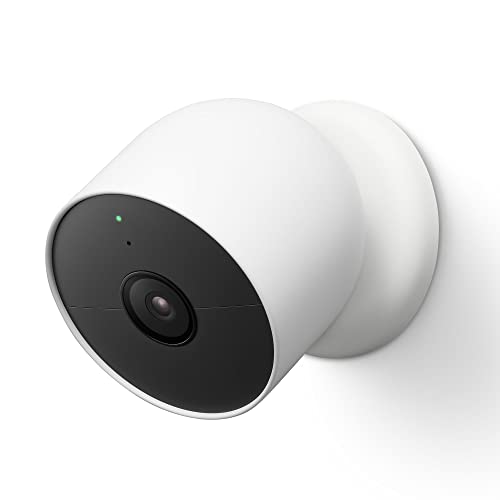
Overall, the compatibility and integration capabilities of smart home devices play a crucial role in shaping the user experience and enhancing the functionality of interconnected systems.
By choosing products that prioritize seamless integration with various platforms, users can create a cohesive smart home ecosystem that caters to their specific needs and preferences.
The Verdict: Which One Reigns Supreme?
As we bring this showdown to a close, the question lingers: which smart thermostat emerges as the victor?
While both the Nest Learning Thermostat and the Ecobee4 offer sophisticated features and elegant design, the choice ultimately boils down to individual preferences and specific needs.
If you value adaptive learning and seamless integration with Google products, the Nest Learning Thermostat may be the ideal choice for you.
Conversely, if you prioritize room sensor technology and compatibility with multiple smart home platforms, the Ecobee4 could be your perfect match.
In the end, whether you opt for the Nest Learning Thermostat or the Ecobee4, one thing is certain: both devices represent the pinnacle of innovation in home climate control.
With their smart features, sleek designs, and commitment to energy efficiency, these thermostats have transcended their traditional counterparts, ushering in a new era of intelligent home comfort.
So, as you contemplate which thermostat to invite into your home, remember that whichever path you choose, you’ll be stepping into a world where technology and comfort converge seamlessly.
Key Features Comparison:
Both the Nest Learning Thermostat and the Ecobee4 offer a plethora of features aimed at enhancing the user experience.
Let’s delve deeper into the specific aspects that set them apart:
Adaptive Learning vs. Room Sensor Technology
The Nest Learning Thermostat’s standout feature is its adaptive learning capability, which allows it to understand your preferences over time and create a personalized schedule.
This means that it can adjust the temperature based on your behavior, ultimately leading to increased energy savings and comfort.
On the other hand, the Ecobee4 shines with its room sensor technology, which enables it to detect occupancy and prioritize specific areas in your home for heating or cooling.
This feature ensures that every part of your home remains at the optimal temperature, catering to individual room preferences.
Integration and Compatibility
When it comes to integration with other smart home devices and platforms, the Nest Learning Thermostat seamlessly syncs with various Google products, such as Google Assistant and Google Home.
Recommended to our readers: Click here
This allows for effortless voice controls and enhanced connectivity within the Google ecosystem.
In contrast, the Ecobee4 boasts compatibility with a wide range of smart home platforms, including Apple HomeKit, Amazon Alexa, Samsung SmartThings, and IFTTT.
This versatility enables users to integrate the Ecobee4 into their existing smart home setup easily.
User Experience and Design
The user experience and design of a smart thermostat play a crucial role in its adoption and functionality.
The Nest Learning Thermostat is renowned for its sleek and minimalist design, featuring a vibrant display that blends seamlessly into any modern home decor.
Its intuitive interface and easy-to-use controls make adjusting settings a breeze for users of all ages.
On the other hand, the Ecobee4 sports a more traditional design with a larger touchscreen display and built-in Alexa voice control.
This hands-free feature enhances user convenience by enabling voice commands for temperature adjustments and smart home control.
Energy Efficiency and Cost Savings
Both the Nest Learning Thermostat and the Ecobee4 are designed with a strong focus on energy efficiency, helping users reduce their carbon footprint and save on utility bills.
The Nest Learning Thermostat achieves this through its learning algorithms that optimize heating and cooling schedules based on your preferences and behavior.
Similarly, the Ecobee4 leverages its room sensor technology to prevent energy wastage by focusing on occupied areas only.
By fine-tuning your home’s climate control, both thermostats contribute to significant energy savings over time.
In conclusion, the decision