Google Nest Thermostat vs Ecobee3: Which Smart Thermostat Reigns Supreme
In the world of smart home technology, thermostats have come a long way from simple temperature controllers to complex systems that learn and adapt to your lifestyle while saving energy.
Google Nest Thermostat and Ecobee3 are two leading contenders in this market, each offering unique features to enhance your comfort and efficiency.
Let’s dive into a detailed comparison to help you determine which of these smart thermostats is the better fit for your home.
Introduction: Revolutionizing Home Climate Control
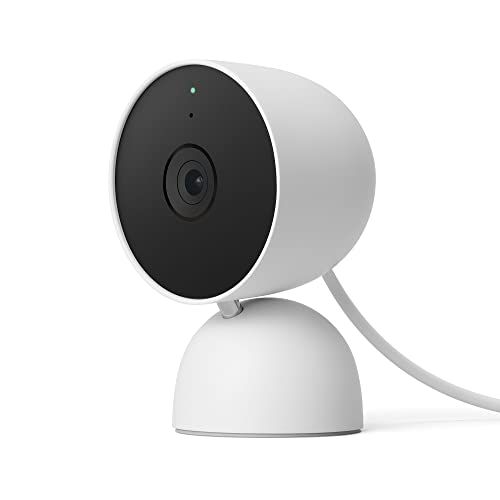
The Google Nest Thermostat and Ecobee3 represent the pinnacle of innovation in the realm of smart thermostats, redefining the way we interact with our home climate systems.
These devices go beyond basic temperature regulation, leveraging advanced technology to optimize energy usage and provide personalized comfort.
As we delve deeper into their functionalities, design, integration capabilities, and user experience, a clear picture will emerge of how each device can elevate your living space.
Advancing Technology in Home Climate Control:
The Google Nest Thermostat and Ecobee3 are equipped with cutting-edge technology that sets them apart in the market of smart thermostats.
For instance, the Google Nest Thermostat utilizes sensors, machine learning algorithms, and connectivity features to adapt to your routines and preferences automatically.
It can learn your schedule, detect when you are away, and adjust the temperature accordingly to help save on energy consumption.
Similarly, the Ecobee3 leverages remote sensors to provide a more holistic view of your home’s climate.
These sensors can detect occupancy in different rooms, allowing for more accurate temperature adjustments based on where people are spending their time.
This level of granularity ensures that comfort is optimized precisely where it matters most.
Personalized Comfort and Energy Efficiency:
Beyond simple temperature control, both devices aim to enhance personal comfort and improve energy efficiency.
The Google Nest Thermostat, for example, offers the ability to create custom schedules and temperature presets for various times of the day.
It also provides energy usage reports and recommendations to help you make informed decisions about how to reduce energy waste.
On the other hand, Ecobee3 excels in its ability to customize comfort settings based on room occupancy and preferences.
Recommended to our readers: Click here
By detecting patterns in user behavior and adjusting settings accordingly, it ensures that every corner of your home remains at the ideal temperature without unnecessary energy expenditure.
Design and Integration Capabilities:
In terms of design, the Google Nest Thermostat boasts a sleek and modern aesthetic, blending seamlessly into any home decor.
Its intuitive interface and compatibility with voice assistants like Google Assistant and Alexa make it easy to control and integrate into your smart home ecosystem.
Meanwhile, Ecobee3 offers a more minimalist design with a focus on simplicity and user-friendliness.
It features a touchscreen display for easy navigation and integrates seamlessly with popular smart home platforms such as Apple HomeKit, Samsung SmartThings, and IFTTT, enhancing its versatility and connectivity.
User Experience and Convenience:
Both the Google Nest Thermostat and Ecobee3 prioritize user experience by offering intuitive mobile apps for remote control and monitoring.
These apps allow users to adjust settings, view energy reports, and receive alerts from anywhere, providing a heightened level of convenience and control over their home climate systems.
Moreover, both devices support geofencing technology, which can automatically adjust settings based on your proximity to home, further enhancing user convenience and ensuring optimal comfort without manual intervention.
The seamless integration of these features underscores the commitment of
Design and User Interface: Where Form Meets Function
Importance of User-Centered Design
User-centered design is a crucial aspect of creating a successful interface that seamlessly integrates form and function.
It involves understanding the needs, behaviors, and preferences of the end users throughout the design process.
By placing the user at the center of the design decisions, designers can ensure that the final product is intuitive, accessible, and engaging.
Achieving Aesthetic Appeal
A visually appealing design not only enhances the user experience but also reflects the brand identity and values.

Elements such as color schemes, typography, imagery, and spacing play a significant role in capturing the attention of users and conveying the intended message effectively.
For example, a minimalist design with clean lines and ample white space can evoke a sense of sophistication and modernity.
Creating Intuitive Navigation
Intuitive navigation is key to facilitating a seamless user experience.
Clear and logical navigation menus, buttons, and calls-to-action guide users through the interface effortlessly, helping them find the information they seek quickly and efficiently.
Interactive elements like hover effects or animation can further enhance navigation by providing visual cues and feedback to users as they interact with the interface.
Incorporating Accessibility Features
An inclusive design approach involves incorporating accessibility features to ensure that people of all abilities can use the interface effectively.
This may include providing alternative text for images, implementing keyboard navigation options, optimizing contrast ratios for readability, and ensuring compatibility with assistive technologies such as screen readers.
By making the interface accessible to a wider range of users, designers can create a more inclusive and user-friendly experience for everyone.
Google Nest Thermostat: The Iconic Design
The Google Nest Thermostat boasts a sleek, minimalist design that seamlessly blends with any decor.
Its circular shape and vibrant display exude modern elegance, making it a focal point of your living space.
The intuitive interface allows for easy navigation and quick adjustments, empowering users to control their home climate with minimal effort.
With built-in sensors and a responsive touch screen, the Nest Thermostat offers a seamless user experience that prioritizes simplicity and style.
Innovative Circular Design
The iconic circular design of the Google Nest Thermostat is not just visually appealing, but also serves a functional purpose.
Its shape allows for easy access to the touch screen display from all angles, providing a user-friendly experience for making temperature adjustments.
The symmetry of the circular form adds a sense of balance to the device, enhancing its aesthetic value while blending seamlessly into any home decor style.
Vibrant Display and Customization Options
The vibrant display of the Google Nest Thermostat is not only visually striking but also highly customizable.
Users can personalize the display settings to match their preferences, whether it’s choosing a color scheme that complements their home’s interior or customizing the layout of information displayed on the screen.
This level of customization adds a personal touch to the device, allowing users to tailor it to their individual needs and tastes.
User-Friendly Interface for Seamless Control
The intuitive interface of the Nest Thermostat simplifies the process of managing home climate control.
Its user-friendly design enables users to navigate through settings effortlessly, whether they are adjusting the temperature, setting schedules, or monitoring energy usage.
By providing a seamless and intuitive experience, the Nest Thermostat empowers users to take control of their home environment with ease, without the need for complicated manuals or technical knowledge.
Enhanced Functionality with Built-in Sensors
In addition to its stylish design, the Nest Thermostat is equipped with advanced sensors that enhance its functionality.
These sensors allow the device to learn and adapt to the user’s preferences over time, automatically adjusting temperature settings based on occupancy and environmental conditions.
By leveraging technology to create a more responsive and intelligent system, the Nest Thermostat not only prioritizes user comfort but also promotes energy efficiency by optimizing heating and cooling operations.
Ecobee3: The Smart and Stylish Choice
In contrast, the Ecobee3 impresses with its square form factor and large, high-resolution display.
The touch screen interface is intuitive and user-friendly, providing detailed information at a glance.
What sets the Ecobee3 apart is its remote sensor capabilities, allowing for precise temperature control in multiple rooms.
This feature is particularly beneficial for larger homes or spaces with varying temperature zones, ensuring optimal comfort throughout your residence.
Design and Display Features
Recommended to our readers: Click here
The Ecobee3 not only stands out for its square form factor but also for its sleek and modern design.
The device is crafted with premium materials and a minimalist aesthetic, adding a touch of elegance to any room it’s placed in.
The large, high-resolution display is not only visually appealing but also highly functional, providing users with crisp and clear information about their home environment.
User-Friendly Interface
Navigating the Ecobee3 is a breeze, thanks to its intuitive touch screen interface.
Users can easily access various settings, schedules, and information with just a few taps on the screen.
The interface is designed to be user-friendly, making it simple for anyone to adjust temperature settings or view energy usage data with ease.
Remote Sensor Capabilities
One of the standout features of the Ecobee3 is its remote sensor capabilities, which set it apart from traditional thermostats.
With the option to add multiple sensors throughout your home, the Ecobee3 can detect temperature disparities in different rooms and adjust accordingly.
For example, if the living room is warmer than the bedroom, the Ecobee3 can prioritize cooling or heating based on where people are present, ensuring comfort wherever you are in the house.
Personalized Comfort Settings
By utilizing the remote sensors and smart technology, the Ecobee3 offers personalized comfort settings for each user.
Through advanced algorithms, the thermostat learns your preferences and adjusts the temperature accordingly.
This ensures that you are always comfortable in your home without the need to constantly fiddle with the thermostat settings manually.
Energy Efficiency
In addition to its comfort-enhancing features, the Ecobee3 is also designed with energy efficiency in mind.
The smart thermostat can learn your schedule and make adjustments to save energy when you’re away from home or asleep.
By optimizing heating and cooling patterns based on your habits, the Ecobee3 can help reduce energy consumption and lower your utility bills over time.
Features and Functionality: Unleashing Smart Technology
Enhanced Connectivity
In addition to enabling seamless integration with other smart devices, smart technology offers advanced connectivity features that enhance user experience.
These devices can communicate with each other and with cloud services, allowing for remote control and monitoring.
For example, a smart thermostat can adjust the temperature in your home based on weather forecasts accessed through an online service.
Enhanced connectivity also means that users can control their devices from anywhere using a mobile app or voice commands, providing convenience and flexibility in managing their smart homes.
Personalized Automation
One of the key features of smart technology is the ability to personalize automation according to individual preferences and routines.
Through machine learning algorithms and user input, smart devices can adapt to user behaviors and preferences over time.
Recommended to our readers: Click here
For instance, a smart lighting system can learn when you typically come home from work and automatically adjust the lighting to your preferred settings.
Personalized automation not only enhances comfort and convenience but also helps in energy conservation by optimizing usage based on individual patterns.
Data Analytics and Insights
Smart technology collects an abundance of data from various sensors and devices in the home.
This data can be analyzed to provide valuable insights and patterns that can help users make informed decisions.
For example, a smart security system can track activity patterns and alert users of any unusual behavior, providing a sense of security and peace of mind.
Furthermore, data analytics can offer energy usage reports, enabling users to identify areas where they can reduce consumption and save on utility bills.
By harnessing the power of data analytics, smart technology empowers users to make smarter choices for a more efficient and connected lifestyle.
Google Nest Thermostat: Intelligent Adaptability
The Google Nest Thermostat leverages machine learning algorithms to analyze your heating and cooling patterns, creating a personalized schedule that maximizes energy efficiency.
Through its Eco Temperature mode and Energy Savings Report, the Nest Thermostat helps you reduce your carbon footprint and lower utility bills without sacrificing comfort.
Additionally, compatibility with Google Assistant and smart home integration further enhances its functionality, enabling voice control and automation for a truly connected home experience.
Personalized Energy-Efficient Schedule
The Google Nest Thermostat goes beyond basic programmable thermostats by continuously learning your temperature preferences and adjusting to your daily routines.
By tracking when you’re home and when you’re away, the Nest Thermostat can automatically set temperatures to energy-saving levels during inactive periods, optimizing your heating and cooling system’s efficiency.
For example, if you usually leave for work at 8 a.m., the Nest Thermostat will start adjusting the temperature a bit before then to save energy while ensuring a comfortable environment upon your return.
Eco Temperature Mode and Energy Savings Report
The Eco Temperature mode is a standout feature of the Nest Thermostat, allowing you to set a targeted temperature that maximizes energy savings.
Recommended to our readers: Click here
This mode is particularly useful when you’re away from home for extended periods, such as during vacations.
By activating the Eco Temperature mode, the Nest Thermostat will maintain a slightly higher or lower temperature range to reduce energy consumption without compromising comfort until you return.
Furthermore, the Energy Savings Report provides valuable insights into your energy usage patterns, offering suggestions on how you can further optimize your heating and cooling settings to save more energy and money over time.
Google Assistant Integration for Enhanced Smart Home Experience
The compatibility of the Nest Thermostat with Google Assistant opens up a range of voice control capabilities, allowing you to adjust your home’s temperature settings simply by speaking commands.
This seamless integration enables convenient hands-free operation, making it easy to fine-tune the temperature or check on your energy usage without having to physically interact with the thermostat.
By incorporating the Nest Thermostat into a broader smart home ecosystem, you can create automated routines and triggers that enhance comfort and energy efficiency throughout your living space.
Ecobee3: Whole-Home Comfort Control
On the other hand, Ecobee3 shines in its expansive feature set, offering not only adaptive scheduling based on occupancy but also room-specific temperature monitoring through remote sensors.
This capability ensures that every corner of your home maintains an ideal climate, addressing temperature differentials and individual preferences.
Furthermore, the Ecobee3’s compatibility with Apple HomeKit and other smart home platforms enhances its versatility, allowing for seamless integration with existing ecosystems.
Enhanced Comfort Control through Room-Specific Monitoring
Ecobee3 takes home comfort control to the next level with its innovative room-specific temperature monitoring feature.
By utilizing remote sensors placed in various rooms, the thermostat can gather data on individual temperatures throughout the house.
This means that not only can you set a preferred temperature for your living room but also ensure that your bedroom and kitchen are at the optimal levels for comfort.
For example, if the sensors detect that a certain room is colder than desired, Ecobee3 can adjust the heating settings accordingly to balance out the temperature distribution within your home.
Adaptive Scheduling for Energy Efficiency
In addition to its room-specific monitoring, Ecobee3 employs adaptive scheduling based on occupancy to maximize energy efficiency.
By detecting when people are present in the house, the thermostat can adjust the heating or cooling settings to ensure comfort only when needed.
Recommended to our readers: Click here
This not only helps in reducing energy consumption but also saves you money on utility bills by avoiding unnecessary heating or cooling when the house is empty.
Integration with Smart Home Platforms

Another standout feature of Ecobee3 is its seamless integration with popular smart home platforms such as Apple HomeKit.
This compatibility allows users to control their thermostat through voice commands or smartphone apps, enabling a truly connected home experience.
For example, you can use Siri voice commands to adjust the temperature or create custom schedules without having to physically interact with the thermostat.
This level of integration enhances convenience and accessibility, making Ecobee3 a valuable addition to any smart home ecosystem.
Energy Efficiency and Savings: Reducing Your Carbon Footprint
Both the Google Nest Thermostat and Ecobee3 are designed to prioritize energy efficiency, helping users lower their environmental impact and utility costs.
By optimizing heating and cooling cycles, these smart thermostats reduce energy waste and promote sustainable living practices.
Through data-driven insights and real-time monitoring, users can track their energy consumption, identify inefficiencies, and make informed adjustments to enhance efficiency further.
This commitment to eco-friendly operation underscores the importance of smart technology in fostering a greener future.
Enhanced Energy Efficiency Features
In addition to optimizing heating and cooling cycles, both the Google Nest Thermostat and Ecobee3 offer advanced energy-saving features that further reduce wasted energy.
For example, these smart thermostats can learn user habits and adjust temperature settings accordingly, ensuring optimal comfort while minimizing energy usage.
Features like geofencing, which uses location tracking to adjust settings when users are away from home, help maximize energy savings without sacrificing comfort.
Detailed Energy Consumption Insights
One key benefit of these smart thermostats is their ability to provide users with in-depth insights into their energy consumption patterns.
Users can access detailed reports on their heating and cooling usage, allowing them to identify peak energy consumption times and areas where efficiency can be improved.
By gaining a better understanding of their energy usage, users can make informed decisions on adjustments to further optimize their home’s energy efficiency.
Remote Monitoring and Control
Another advantage of the Google Nest Thermostat and Ecobee3 is their remote monitoring and control capabilities.
Users can access their thermostats through smartphone apps or web portals, allowing them to adjust settings and monitor energy usage from anywhere.
This convenience not only enhances user experience but also enables users to make real-time adjustments to maximize energy savings and reduce their carbon footprint, even when they are away from home.
Installation and Compatibility: Seamless Integration into Your Home
Wide Range of Compatibility Options
The smart home devices offered by our company are designed to seamlessly integrate with various types of home automation systems, ensuring a wide range of compatibility options for our customers.
Whether you have an existing smart home setup or are starting fresh, our products can easily be integrated into your system.
From popular platforms like Amazon Alexa and Google Home to specialized protocols like Zigbee and Z-Wave, our devices are built to work harmoniously with different technologies.
Customization and Personalization Features
Our installation services go beyond just connecting the devices to your existing setup.
We offer customization and personalization features that allow you to tailor the functionalities of the devices to your specific needs and preferences.
Whether you want to create custom routines, set up voice commands, or automate tasks based on certain triggers, our team can help you achieve a truly personalized smart home experience.
Professional Installation Assistance
For customers who prefer a hassle-free setup process, we also provide professional installation assistance.
Our team of experts can visit your home, assess your automation needs, and handle the installation and integration of the devices from start to finish.
This ensures that everything is set up correctly and optimally, giving you peace of mind that your smart home system is running smoothly.
Ongoing Support and Troubleshooting
In addition to installation assistance, we offer ongoing support and troubleshooting services to address any issues that may arise with your smart home devices.
Our dedicated support team is available to answer your questions, provide guidance on using the devices effectively, and troubleshoot any technical problems you may encounter.
With our comprehensive support services, you can rest assured that help is always just a phone call or email away.
Google Nest Thermostat: Plug-and-Play Convenience
The Google Nest Thermostat’s straightforward installation process and compatibility with a wide range of HVAC systems make it a popular choice for homeowners seeking a hassle-free setup.
With step-by-step guidance and a user-friendly app, installing the Nest Thermostat is a breeze, even for those with limited technical knowledge.
Whether you’re a tech enthusiast or a novice user, the simplicity of integration ensures a smooth transition to smart home climate control.
Easy Installation Process
The Google Nest Thermostat’s easy installation process is a standout feature that sets it apart from traditional thermostats.
The Nest Thermostat comes with clear and concise instructions, ensuring that users can install it themselves without needing to hire a professional.
The system includes a built-in level, so users can easily mount it on the wall straight and even.
Additionally, the Nest app provides interactive step-by-step guidance, complete with videos and animations, to walk users through each stage of the installation process.
This hands-on approach not only simplifies the setup but also helps users understand how their HVAC system works in conjunction with the thermostat.
Compatibility with Various HVAC Systems
One of the key benefits of the Google Nest Thermostat is its compatibility with a wide range of HVAC systems, including conventional forced-air systems, heat pumps, radiant systems, and more.
This versatility makes the Nest Thermostat a versatile choice for homeowners with different heating and cooling setups.
Whether you have a modern energy-efficient system or an older model, the Nest Thermostat is designed to work seamlessly with most systems, providing precise temperature control and energy savings.
User-Friendly App Interface
The Nest Thermostat’s user-friendly app enhances the overall user experience by allowing homeowners to control their HVAC system remotely.
With the app, users can adjust the temperature, create personalized schedules, and receive energy usage reports, all from the convenience of their smartphone or tablet.
The intuitive interface makes it easy to monitor and manage home climate settings, giving users greater control over their comfort and energy consumption.
Additionally, the app offers insights and tips on optimizing energy efficiency, helping users make informed decisions to reduce their utility bills.
Seamless Integration with Smart Home Ecosystem
Another advantage of the Google Nest Thermostat is its seamless integration with other smart home devices and platforms.
Users can connect the Nest Thermostat to popular smart home ecosystems like Google Home, Amazon Alexa, and Apple HomeKit, enabling voice control and automation features.
By integrating the Nest Thermostat with other smart devices such as smart lights or security systems, users can create custom routines and scenarios to enhance their home comfort and convenience.
This interoperability adds an extra layer of functionality to the Nest Thermostat, allowing users to create a connected and cohesive smart home environment.
Ecobee3: Versatile Connectivity Options
In comparison, the Ecobee3 offers versatile connectivity options, supporting a broader spectrum of HVAC configurations and accessories.
Its advanced wiring compatibility and detailed installation guides cater to users with complex heating and cooling setups, providing a comprehensive solution for diverse home environments.
While the initial setup may require more technical proficiency, the Ecobee3’s flexibility and expandability make it a preferred choice for users with specific integration requirements.
Advanced Wiring Compatibility
The Ecobee3 stands out for its advanced wiring compatibility, capable of seamlessly integrating with a wide range of heating, ventilation, and air conditioning (HVAC) systems.
Whether you have a conventional HVAC system, a heat pump, or a dual-fuel system, the Ecobee3 is designed to accommodate various setups.
This versatility ensures that users with diverse HVAC configurations can benefit from the smart features and energy-saving capabilities of the Ecobee3 thermostat.
Detailed Installation Guides
One of the key advantages of the Ecobee3 is its detailed installation guides that walk users through the setup process step by step.
These comprehensive guides make it easier for both DIY enthusiasts and professional installers to configure the thermostat correctly.
Whether you’re replacing an existing thermostat or installing one for the first time, the detailed instructions provided by Ecobee ensure a smooth and hassle-free installation experience.
Comprehensive Solution for Diverse Home Environments
The Ecobee3 is not just a smart thermostat; it’s a comprehensive solution for creating the ideal indoor environment in diverse home settings.
Whether you live in a single-family home, an apartment, or a multi-level residence, the Ecobee3 offers customizable settings and scheduling options to suit your lifestyle and comfort preferences.
Its adaptive technology learns your heating and cooling patterns over time, optimizing energy efficiency without compromising comfort.
Flexibility and Expandability
What sets the Ecobee3 apart is its exceptional flexibility and expandability.
Users can integrate additional sensors, smart vents, and other accessories to further enhance the thermostat’s performance and tailor it to their specific needs.
Whether you want to monitor temperature fluctuations in different rooms or regulate airflow for better comfort, the Ecobee3 provides a level of customization and control that surpasses traditional thermostats.
Recommended to our readers: Click here
Its compatibility with popular smart home platforms also allows for seamless integration with other smart devices, creating a truly connected and efficient home ecosystem.
Conclusion: Making an Informed Choice
In the realm of smart thermostats, the Google Nest Thermostat and Ecobee3 stand out as industry leaders, each offering unique strengths to enhance your home climate control experience.
While the Google Nest Thermostat excels in user-friendly design and seamless integration with Google Assistant, the Ecobee3 shines in its room-specific temperature monitoring and compatibility with Apple HomeKit.
Ultimately, your decision should be guided by your specific needs, preferences, and existing smart home ecosystem.
Whichever option you choose, rest assured that both devices are at the forefront of innovation, transforming the way we interact with our living spaces and promoting a sustainable, efficient future.
With their cutting-edge features, intuitive interfaces, and commitment to energy efficiency, the Google Nest Thermostat and Ecobee3 pave the way for a smarter, more comfortable home environment.
Whether you prioritize stylish design, advanced functionality, or seamless integration, these smart thermostats offer a glimpse into the future of smart home technology, where every detail is tailored to enrich your daily life.
Choose wisely, and embark on a journey to a more connected, efficient, and sustainable home climate control system.
Google Nest Thermostat Features:
The Google Nest Thermostat boasts a sleek and modern design, making it a stylish addition to any home décor.
Its intuitive interface allows for easy navigation and control, with a minimalist display that shows temperature settings and suggestions for energy-saving adjustments.
Additionally, the Nest Thermostat’s ability to learn your habits and preferences over time enables it to automatically adjust temperatures to optimize comfort and efficiency.
Ecobee3 Room-Specific Temperature Monitoring:
One of the standout features of the Ecobee3 is its room-specific temperature monitoring capabilities.
By utilizing additional room sensors, this smart thermostat can detect temperature variations in different areas of your home, ensuring that your entire space remains consistently comfortable.
This level of precision provides personalized heating and cooling solutions based on occupancy and activity, allowing for more efficient energy usage.
Compatibility with Smart Home Ecosystems:

Both the Google Nest Thermostat and Ecobee3 offer compatibility with popular smart home ecosystems, such as Google Assistant, Apple HomeKit, Amazon Alexa, and Samsung SmartThings.
This broad range of integration options allows users to seamlessly connect their thermostats with other smart devices in their homes, creating a unified and interconnected system that enhances convenience and control.
Energy Efficiency and Sustainability:
Beyond convenience and comfort, both smart thermostats prioritize energy efficiency and sustainability.
By providing detailed insights into energy usage and offering suggestions for optimizing heating and cooling schedules, these devices empower users to make informed decisions that reduce energy waste and lower utility bills.
Additionally, features like geofencing and adaptive algorithms further contribute to a greener living environment by minimizing energy consumption when occupants are away.
Future of Smart Home Technology:
The advancements in smart thermostat technology represented by the Google Nest Thermostat and Ecobee3 are indicative of a broader trend in the evolution of smart home systems.
As these devices continue to innovate and incorporate new features like machine learning, voice control, and predictive analytics, they are transforming the way homeowners interact with their living spaces.
The future holds even greater potential for personalized, seamless, and energy-efficient home automation, where smart devices work harmoniously to create optimal environments tailored to individual needs and preferences.