Seitan vs Lentils: Unveiling the Battle of the Plant-Based Proteins
In the realm of plant-based proteins, two contenders stand out for their nutritional prowess and culinary versatility: seitan and lentils.
While both have gained popularity among vegans, vegetarians, and health-conscious individuals, each brings a unique set of characteristics to the table.
In this exploration of ‘Seitan vs Lentils’, we delve into the origins, nutritional profiles, culinary applications, and environmental impacts of these plant-based powerhouses to uncover the secrets behind their rising star status.
Origins of Seitan and Lentils
Seitan, also known as wheat meat or wheat gluten, has been a staple in Asian cultures for centuries, particularly in Buddhist cuisine.
Its origins can be traced back to China, where it was traditionally prepared by washing wheat flour dough to remove the starch, leaving behind a protein-dense gluten.
On the other hand, lentils have a long history of cultivation dating back to ancient times in the Mediterranean region, Central Asia, and the Middle East.
These legumes are known for their high protein content and versatility in various culinary traditions, such as Indian dals and Mediterranean stews.
Nutritional Profiles of Seitan and Lentils
Seitan is renowned for its high protein content, making it a popular meat substitute for those following plant-based diets.
It is also low in fat and carbohydrates, making it a nutrient-dense option for individuals looking to increase their protein intake.
On the other hand, lentils are a nutritional powerhouse that provides a good source of plant-based protein, fiber, iron, and other essential nutrients.
They are a budget-friendly and versatile ingredient that can be used in soups, salads, curries, and more.
Culinary Applications of Seitan and Lentils
Seitan’s chewy texture and ability to absorb flavors make it a favorite ingredient in plant-based recipes that aim to mimic the texture of meat.
It can be seasoned, marinated, grilled, sautéed, or simmered to create a range of dishes, such as vegan barbecue ribs, stir-fries, and kebabs.
Lentils, on the other hand, come in various varieties, each with its unique flavor and cooking properties.

From red lentils that break down into a creamy consistency in soups, to green lentils that hold their shape in salads and stews, lentils offer versatility and nutritional benefits in a wide array of dishes.
Environmental Impacts of Seitan and Lentils
When comparing the environmental impacts of seitan and lentils, both plant-based proteins have a lower ecological footprint compared to animal-derived proteins like beef or poultry.
Recommended to our readers: Click here
Seitan production primarily relies on wheat flour, which requires less water and land compared to livestock farming.
Lentils, as legumes, have the added benefit of nitrogen fixation, which enhances soil fertility and reduces the need for synthetic fertilizers.
Recommended to our readers: Click here
Incorporating seitan and lentils into one’s diet can contribute to more sustainable food choices and reduce the environmental impact associated with animal
The Protein Powerhouses: A Nutritional Face-Off
When it comes to protein content, seitan, also known as wheat meat, takes the lead with an impressive protein concentration of around 75-80% by weight.
This gluten-based meat substitute has been a mainstay in Asian cuisines for centuries, prized for its meat-like texture and ability to absorb flavors.
On the other hand, lentils are a rich source of plant-based protein, offering approximately 18 grams of protein per cooked cup.
These legumes pack a punch with essential nutrients like folate, iron, and fiber, making them a staple in many traditional dishes worldwide.

Seitan: A Versatile Meat Alternative
Seitan, a popular meat substitute, is not only a protein powerhouse but also a versatile ingredient in plant-based cooking.
Originating from East Asia, seitan is made from gluten, the protein in wheat.
It has a chewy texture and a neutral flavor, making it a blank canvas for various seasonings and cooking techniques.
This adaptability allows seitan to be used in a wide range of dishes, from stir-fries to sandwiches to stews.
In vegan and vegetarian cuisines, seitan is often used in place of meat due to its high protein content and meat-like consistency.
Lentils: A Nutrient-Dense Superfood
Lentils are not just a protein source; they are also a powerhouse of essential nutrients.
Aside from their protein content, lentils are rich in fiber, which supports digestive health and helps regulate blood sugar levels.
They are also an excellent source of folate, a B vitamin important for cell growth and repair, and iron, which is essential for transporting oxygen in the blood.

Recommended to our readers: Click here
Lentils come in various colors and sizes, such as green, red, and black, each offering a slightly different taste and texture.
From Indian dal to Moroccan stews to Italian soups, lentils are a versatile ingredient in global cuisine, adding depth, flavor, and nutrients to a variety of dishes.
Recommended to our readers: Click here
Taste and Texture: Culinary Considerations
In the realm of taste and texture, seitan shines as a versatile ingredient that can be flavored and shaped to mimic various meat-based dishes.
Its chewy texture and ability to absorb marinades and seasonings make it a favorite among plant-based chefs looking to recreate meat-centric recipes.
Lentils, on the other hand, come in a range of varieties, from delicate red lentils to hearty green or brown lentils.
Their earthy flavor and soft texture lend themselves well to soups, stews, and salads, adding a hearty and nutritious element to any dish.
Seitan: A Meat-Lover’s Delight
Seitan, also known as wheat meat or wheat gluten, is a popular meat substitute in vegan and vegetarian cooking.
Its unique chewy consistency and neutral taste provide a blank canvas for culinary experimentation.
This versatile protein source can be shaped into various forms like sausages, strips, or cutlets, making it an excellent option for dishes traditionally made with meat.
By marinating or seasoning seitan with flavors such as soy sauce, garlic, and herbs, chefs can achieve a savory umami-rich profile that rivals its animal-based counterparts.
Lentils: A Nutrient-Dense Powerhouse
Lentils, rich in protein, fiber, and essential nutrients, are a staple in plant-based diets for their health benefits and culinary adaptability.
Red lentils, known for their quick cooking time and creamy texture when cooked, are ideal for thickening soups or creating spreads like dal.
The firmer green and brown lentils hold their shape well when simmered, making them perfect additions to salads, grain bowls, and hearty stews.
Lentils also offer a satisfying earthy flavor that pairs beautifully with aromatic spices like cumin, coriander, and smoked paprika, enhancing the depth of any dish they are added to.
Environmental Impact: A Sustainable Showdown

When it comes to environmental impact, both seitan and lentils offer eco-friendly alternatives to animal agriculture.
Seitan production requires fewer resources like water and land compared to traditional livestock farming, making it a more sustainable choice for those looking to reduce their carbon footprint.
Lentils, as nitrogen-fixing plants, enrich the soil they grow in, promoting biodiversity and reducing the need for synthetic fertilizers.
Their ability to thrive in diverse climates also makes them a resilient crop choice in sustainable agriculture practices.
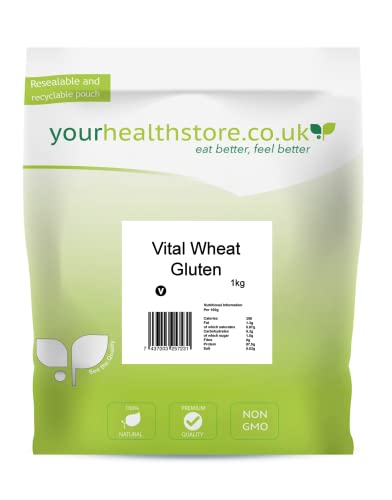
Seitan Sustainability in Action
While seitan is primarily made from wheat gluten, the production process can vary and be tailored for sustainability.
For example, using locally sourced and organically grown wheat for seitan production can further reduce its environmental impact by supporting local farmers and avoiding the carbon emissions associated with long-distance transportation.
Additionally, innovative methods like upcycling byproducts from wheat processing to create seitan can help minimize waste and increase overall efficiency in the food production chain.
By highlighting these sustainable practices in seitan production, consumers can make more informed choices that align with their environmental values.
Lentils as Soil Superstars
Lentils play a crucial role in soil health due to their ability to fix atmospheric nitrogen, a key nutrient essential for plant growth.
When lentils are grown, they form a symbiotic relationship with nitrogen-fixing bacteria, which convert atmospheric nitrogen into a form that plants can utilize.
This natural process reduces the need for synthetic fertilizers that can contribute to water pollution and greenhouse gas emissions.
By enriching the soil with nitrogen, lentils not only support their own growth but also benefit neighboring crops in a crop rotation system.
This sustainable farming practice enhances soil fertility, promotes biological diversity, and helps maintain ecosystem balance.
Climate Resilience of Lentils
The adaptability of lentils to various climatic conditions makes them a valuable crop in sustainable agriculture strategies.
Lentils are known for their tolerance to drought conditions, making them a reliable option for regions facing water scarcity or irregular rainfall patterns.
Their ability to thrive in diverse environments reduces the pressure on water resources and helps farmers mitigate risks associated with climate change.
Additionally, lentils require minimal input of chemical pesticides and fertilizers, further contributing to a reduced environmental footprint in agriculture.
By cultivating lentils as part of a climate-resilient agricultural system, farmers can enhance their resilience to unpredictable weather events and contribute to long-term sustainability.
The Pros and Cons
| Features | Seitan | Lentils |
|—————————|—————————————————————-|—————————————————————|
| Protein Content | High (75-80% by weight) | Moderate (18g per cooked cup) |
| Nutritional Profile | Low in fat, high in protein | Rich in protein, fiber, folate, and iron |
| Culinary Versatility | Mimics meat texture and flavor | Versatile in soups, stews, and salads |
| Environmental Sustainability | Requires fewer resources than animal agriculture | Nitrogen-fixing properties benefit soil health |
Seitan:
Seitan, also known as wheat meat or wheat gluten, is a high-protein meat substitute commonly used in vegetarian and vegan diets.
It is made by washing wheat flour dough with water to remove the starch, leaving behind the gluten.
This gluten is then cooked and flavored to create a versatile meat-like texture that can be used in a variety of dishes.
Health Benefits:
In addition to being a rich source of protein, seitan is low in fat and contains essential nutrients such as selenium and iron.
It is also free of cholesterol and has no saturated fats, making it a heart-healthy alternative to animal protein.
Culinary Uses:
Seitan’s meaty texture and ability to absorb flavors make it a popular choice for dishes that traditionally use meat, such as stir-fries, curries, and sandwiches.
It can be grilled, fried, baked, or simmered in sauces, providing a satisfying and hearty addition to vegetarian meals.
Lentils:
Lentils are legumes that come in a variety of colors, including green, brown, red, and black.
They are a staple food in many cuisines worldwide and are a nutritious source of plant-based protein, fiber, and essential vitamins and minerals.
Nutritional Benefits:
Lentils are not only high in protein but also rich in fiber, folate, iron, and other micronutrients.
They are a great addition to a balanced diet, supporting digestive health, heart health, and overall well-being.
Culinary Versatility:
Lentils are incredibly versatile in the kitchen and can be used in a wide range of dishes, from soups and stews to salads and curries.
They absorb flavors well and can be seasoned with various herbs and spices to create delicious and nutritious meals.
Sustainability:
Lentils are an environmentally friendly food choice due to their nitrogen-fixing properties, which help improve soil fertility and reduce the need for synthetic fertilizers.
Their low water footprint and carbon emissions make them a sustainable protein source compared to animal agriculture.
Conclusion: The Plant-Based Plateau
In the clash of ‘Seitan vs Lentils’, we witness the collision of texture, taste, and nutrition in the realm of plant-based proteins.
While seitan excels in its high protein content and meat-like versatility, lentils offer a nutrient-dense and environmentally sustainable option.
Whether you’re seeking a meat substitute with a hearty bite or a legume powerhouse packed with essential nutrients, both seitan and lentils present compelling choices for a plant-based lifestyle.
As the demand for sustainable, plant-based options continues to rise, these protein powerhouses stand at the forefront of a culinary revolution, inviting us to explore new horizons in the world of plant-based cuisine.
[Image: Seitan vs Lentils Infographic]
[Image: An Image Showing Seitan and Lentils Dishes]
As we navigate the ever-expanding landscape of plant-based proteins, the battle of ‘Seitan vs Lentils’ serves as a reminder of the diverse options available to conscientious consumers.
Whether you find yourself drawn to the savory allure of seitan or the wholesome comfort of lentils, remember that the journey towards a more sustainable and nutritious diet is as much a culinary adventure as it is a mindful choice for the planet and future generations.
Recommended to our readers: Click here
Bon appétit, and may your plates be filled with the vibrant colors and flavors of a plant-powered feast.
The Rise of Plant-Based Protein Consumption
In recent years, there has been a notable surge in the consumption of plant-based proteins, driven by a multitude of factors ranging from health and environmental concerns to ethical considerations.
As the awareness surrounding the benefits of a plant-based diet continues to grow, individuals are increasingly looking towards innovative and sustainable protein sources such as seitan and lentils to meet their nutritional needs.
Seitan: The Meat Substitute of Choice
Seitan, also known as wheat meat or wheat gluten, has gained popularity among vegans and vegetarians for its high protein content and meat-like texture.
Its versatility in mimicking the chewy texture of meat makes it a favorite ingredient in a variety of dishes, from stir-fries to sandwiches.
Additionally, seitan is low in fat and cholesterol, making it a heart-healthy protein alternative for those looking to reduce their intake of animal products.
Lentils: The Nutrient-Dense Legume Powerhouse
Lentils, on the other hand, are prized for their nutritional density and sustainability.
Packed with essential nutrients such as folate, iron, and fiber, lentils offer a wide array of health benefits, including improved digestion, reduced risk of heart disease, and enhanced energy levels.
Their eco-friendly cultivation process further contributes to their appeal as a sustainable protein source that leaves a minimal environmental footprint.
Diverse Culinary Applications
Beyond their nutritional profiles, both seitan and lentils offer a wide range of culinary possibilities.
Seitan can be seasoned and cooked in various ways to create dishes that closely resemble traditional meat-based recipes, making it an ideal choice for those transitioning to a plant-based diet.
On the other hand, lentils can be used in soups, salads, stews, and curries to add a hearty and wholesome element to meals, showcasing their versatility and adaptability in diverse cuisines.
Recommended to our readers: Click here
Embracing a Plant-Powered Lifestyle
The ‘Seitan vs Lentils’ debate exemplifies the rich tapestry of plant-based protein options available to individuals seeking to embrace a more sustainable and ethical dietary approach.
By incorporating these protein powerhouses into their meals, consumers not only nourish their bodies with essential nutrients but also contribute to the preservation of our planet’s resources for future generations.
As the culinary landscape continues to evolve, exploring the vibrant flavors and textures of seitan and lentils opens up a world of possibilities for creating delicious and nutritious plant-powered dishes.