Keeping an Eye on Security: Ring Doorbell vs. Google Nest
As the rise of technology continues to transform our lives, it’s no surprise that it has snuck its way onto our front porches too.
Homes across the globe are becoming “smart”, and a significant part of this transition involves security.
Today, we’re focusing on two leading players in the smart home security industry: Ring doorbell and Google Nest.
We’ll delve into their features, strengths and weaknesses, and help you decide which one might be the best fit for your home.
Understanding the Smart Home Concept
The smart home technology landscape is one that many are still getting accustomed to.
The concept revolves around using modern technology, often in the shape of Internet of Things (IoT) devices, to automate and provide control over the household’s functions.
This could range from setting the thermostat remotely to being able to turn the lights on before you get home.
Why Smart Home Security is Essential
The essence of a smart home extends to enhancing the security features of a house.
Having an effective security system could mean the difference between deterring would-be burglars and unfortunate break-ins.
Both Ring doorbell and Google Nest have realized the potential of this technology revolution, responding by providing state-of-the-art home security products designed to offer peace of mind.
Diving Into Ring Doorbell
Ring doorbell first made major waves in the smart home security industry due to its innovative design and practical features.
One of the major attractions to the Ring doorbell is its integrated video camera that allows homeowners to view and record activity outside their front door via their smartphone or smart device.
Additionally, Ring doorbell stands out with its two-way audio feature, letting you not only see but also converse with the person outside, without the need to open the door.
Exploring Google Nest
On the other hand, Google’s Nest leans more towards a comprehensive security system rather than focusing on a single element (doorbell).
It provides a holistic and integrated approach to home security to meet an assortment of residential security needs.
Some noteworthy features include facial recognition technology to differentiate family members from strangers and the capability to integrate with other Google smart home devices for enhanced operability.
Google Nest gives consumers the option to not just secure their front door, but their entire home, making it a heavy contender in the smart home security industry.
Making an Informed Decision
Ring Doorbell and Google Nest both have their own unique selling points.
If your main concerns are being able to monitor who’s at your front door and have a recorded account of their visit, then Ring may be the best fit for you.
Conversely, if you’re looking for an all-inclusive security solution that integrates seamlessly with your smart home setup, Google Nest could be the way to go.
Your ultimate decision will depend on your specific needs, preferences and the level of investment you’re willing to make in smart home technology.
The Bigger Picture
While we’ve zoomed in on Ring Doorbell and Google Nest, it’s important
The Digital Doormen: An Overview
The Ring doorbell and Google Nest offer more than just a door chime – they provide a digital layer of security for your home.
These doorbells capture video footage of whoever steps up to your door, notify you on your smartphone, and allow you to communicate with the visitor, regardless of whether you’re inside the house or miles away.
Ring, now owned by Amazon, arrived in the marketplace in 2013 and has since evolved to become a compelling option in the smart camera sector.
Google Nest, a product of Google’s smart home division, is another competitive option that has captured consumer interest with its sleek design and high-quality video.
The Key Features of the Digital Doormen
Ring and Google Nest doorbells have transformed simple door security into a sophisticated home surveillance mechanism.
Unlike traditional doorbells, these devices are packed with an array of high-tech features such as motion detection, infrared night vision, and two-way audio communication that allow you to interact with your visitors.
By connecting these devices to your smartphone via Wi-Fi, you can monitor your home from anywhere and respond to any activity without physically being there.
For instance, if a package gets delivered while you’re out, you can ask the delivery person to leave it at a designated spot.
In potential security threats, like someone suspicious lurking around your door, you can deter trespassers by sounding an alarm or calling the police directly from your smartphone.
The Evolution of Ring Doorbell
Since its inception in 2013, Ring has been on a consistent rise, making significant additions to its feature set.
Owned by Amazon since 2018, it has evolved from solely being a smart doorbell to a reliable smart camera that can work in coordination with other Amazon devices like Alexa.
Ring now offers doorbells with varying frames, adaptable to diverse house exteriors, and enhanced video quality with 1080p HD video capturing capability.
Apart from this, its new advanced features include a Pre-Roll function that can show you what triggered a motion alert, giving homeowners an extra level of information and safety.
The company has made its doorbells more accessible by launching battery-operated models for homes without doorbell wiring.
The Cutting-Edge Design of Google Nest
Competing head-on with Ring is Google Nest.
Launched as part of Google’s smart home division, Google Nest has built its reputation around its sleek, minimalist design and superior video quality.
Its aesthetic appeal and slim design blend seamlessly into the modern home.
Despite its size, Google Nest packs a punch with a video resolution of up to 1600 x 1200, higher than many of the other brands on the market.
It also boasts face recognition software and personal alerts, so it can tell you when it’s simply the mailman or if an unrecognized face is at your door.
Moreover, with HDR and a Supersight feature that can zoom in on subjects while keeping them in full view, you get a clear picture of everything happening at your doorstep.
As the world moves more towards web interconnectivity, the possibilities for these “digital doormen” will only
Recommended to our readers: Click here
Ring vs. Google Nest: Key Features
Ring Doorbell has made quite a name for itself with its signature motion-detection feature.
It enables the camera to start recording as soon as it detects movement in its view, whether or not the visitor presses the button.
And when it comes to video quality, Ring Doorbell offers crisp 1080p HD video, giving you clear images of your visitors.
On the other side, Google Nest shines when it comes to continuous recording, thanks to its subscription-based Google Nest Aware service.
Unlike Ring, Google Nest records and stores all the video footage 24/7, which you can review anytime, not just action-triggered clips.
Its resolution of 1600 x 1200 pixels, overriding Ring’s 1080p, also provides a wider, 4:3 aspect ratio view, which allows users to see visitors from head to toe and packages left on the doorstep.
| Ring Doorbell | Google Nest | |
|---|---|---|
| Video Quality | 1080p | 1600 x 1200p |
| Motion Detection | Yes | No |
| Continuous Recording | No | Yes (with Google Nest Aware) |

Ring Doorbell’s Motion Detection
Ring Doorbell’s motion detection feature is one of its critical selling points, setting it apart in the sea of video doorbells.

Its advanced motion detection can be programmed to monitor specific zones of your property, helping to reduce false alarms from passing cars or swaying trees and focus on areas that matter most to you, like gate entrances or garage doors.
Its video recording is triggered by motion and not just by someone pressing the doorbell button, capturing anyone who approaches your home even if they don’t announce their presence by ringing the doorbell.
Recommended to our readers: Click here
This feature can provide an extra layer of security by capturing potential threats like intruders or porch pirates lurking around your property.
Ring Doorbell’s Video Quality
Ring Doorbell’s video quality is an impressive 1080p HD resolution.
This robust video clarity provides crisp and detailed images of anyone at your door, ensuring a clear view of faces or packages.
Day or night, the video clarity remains consistently good with its infrared night vision, allowing you to reassure overnight security.
Google Nest’s Continuous Recording
Google Nest takes video recording a step further by providing constant video recording with the Google Nest Aware service.
This subscription-based feature means that everything that occurs within the camera’s field of view will be recorded and stored in the cloud 24/7.
This continuous recording feature is highly beneficial if you need to review an entire day’s events or find a specific incident that occurred hours ago.
Detailed timelines and video history allow users to scroll through their entire video history, not just event-triggered clips.
This can be invaluable for piecing together a sequence of events or identifying minute activities that might otherwise be missed.
Google Nest’s Video Quality
Google Nest goes beyond the standard 1080p resolution offered by many video doorbells.
With a video quality of 1600 x 1200 pixels, Google Nest delivers even more detailed imagery.
Recommended to our readers: Click here
Coupled with a wider, 4:3 aspect ratio, Google Nest allows for a more extensive vertical view.
This innovative feature helps ensure you see the people at your door more fully – from head to toe – so no important details are cropped out.
For instance, package deliveries left on the doorstep will be within frame, even if the courier does not press the doorbell.
Overall, it’s clear that both Ring Doorbell and Google Nest bring unique strengths to the table with their key features, providing a wealth of options to

Pros and Cons
The Beauty of Pros and Cons
The essence of analyzing the pros and cons of any subject lies in the necessity for informed decision-making.
It enables us to evaluate the advantages and disadvantages of our choices, whether they relate to our personal lives, our careers, or our society.
This systematic weighing of options kindles our critical thinking skills and brings us closer to understanding the complexities of life.
Pros: In Favor of Balance
In favor of the pros, each presented advantage adds a favorable balance to the decision-making process.
For instance, when considering career changes or promotions, factors such as increased salary, better work-life balance, and increased exposure to opportunities are pros that tip the scale towards accepting the change.
Pros play a vital role in professionally and personally rewarding situations; these are the benefits we look forward to reaping from our choices.
Usually, the pros are the first things we consider when faced with a decision.
They are exciting and enhancement-focused.
By proactively looking into the positive outcomes of our choices, we promote optimism and pave the way for potential success.
Cons: Bitter Pill of Truth
On the flip side, the cons, while not as enticing, are equally essential.
They represent the potential drawbacks, risks, or negative consequences of our decisions.
For example, in our career scenario, cons might include increased workload and stress, reduced personal time, or a potentially toxic workplace environment.
The cons often pose difficult realities to accept, let alone navigate.
However, it is necessary that they are vetted and reviewed with the same level of scrutiny as the pros.
This allows us to prepare for potential challenges.
Avoiding or downplaying the cons might lead to unpleasant surprises down the line.
The Interplay of Pros and Cons
Looking at both pros and cons is not just about tallying positives against negatives; it’s about appreciating the intricate interplay between them.
Certain aspects may weigh more heavily based on individual circumstances and personal priorities.
In some instances, the benefits may far outweigh the need to consider cons, and vice versa.
Recognizing this is key to maintaining balance and making meaningful decisions.
Finally, the process of outlining pros and cons fuels an analytical mindset, enhancing our capacity to perceive, understand, and respond effectively to life’s vast array of choices and challenges.
This skill enriches our critical thinking aptitude, molding us to be competent decision-makers in an increasingly complex world.
Ring Doorbell
Pros: Ring Doorbell’s built-in motion detection offers a proactive security feature.
The wide range of models with varying price points and features makes it accessible for consumers with different needs.
Cons: The Ring Doorbell requires a subscription to access recorded videos.
The video records in a fisheye perspective, which can sometimes distort the image.
Enhanced Security with Motion Detection
The security benefits of a Ring Doorbell are amplified by its in-built motion detection function.
This allows it to detect unusual activity and directly send real-time alerts to the homeowner’s smartphone.
Not only does this alerting system provide an extra layer of home security, but it also adds a daily convenience by letting homeowners know when there are visitors at their door, mail deliveries, or even roaming pets.
For instance, if you’re expecting important mail but aren’t home to receive it, Ring Doorbell’s motion detection feature will notify you the moment the postman arrives at your doorstep.
Versatility in Product Range
Ring Doorbell differentiates itself from competitors by offering a wide array of models with varying features, all with their unique price points.
This broad selection allows consumers to choose a device that best fits their security needs and budget.
For example, the more affordable entry-level Ring doorbell comes with essential features like motion detection and live video streaming, while pricier models like the Ring Doorbell Elite offer advanced features such as power over ethernet and customizable motion zones.
Pay-to-Play for Video Recording Access
On the downside, it’s important that potential customers are aware of the subscription cost associated with accessing the device’s recorded videos.
While real-time viewing and alerts are included in the original purchase price, retrieving past footage requires a Ring Protect plan, which starts from $3 per month.
This could unexpectedly increase the overall cost for some users and is something worth considering in the decision-making process.
Fisheye Video Distortion
Lastly, the Ring Doorbell records videos in a fisheye perspective.
Provided by the device’s wide-angle lens, this feature helps capture a full view of your doorstep.
Recommended to our readers: Click here
However, it can also lead to a subtle distortion around the edges of the recorded video.
This may make some details in the footage appear slightly skewed or stretched.
Although this won’t be a significant issue for most users, it could be a drawback for others who require precise video recording, such as those needing to accurately identify faces, license plates, or other specific elements within the camera’s field of view.
Google Nest
Pros: Google Nest provides continuous recording via Google Nest Aware subscription, catches everything that goes on in front of your house.
It offers high-resolution video quality and a more extensive field of view than the Ring Doorbell.
Cons: Google Nest is typically more expensive than the Ring Doorbell, and it also requires a paid subscription for additional features.
Detailed Pros
One of the features that sets Google Nest apart from its competitors is its continuous recording capability available through the Google Nest Aware subscription.
Unlike other doorbell cameras which record only when triggered by motion or a ring, the Google Nest camera is always watching, ensuring no potentially significant occurrences are missed.
If you’re worried about what happens in front of your house while you’re away, Google Nest provides a comprehensive solution to catch everything that’s happening 24/7.
Moreover, Google Nest takes things a step further with its high-resolution video quality.
With up to 1080p HD video, the clarity of the images produced by the Google Nest is superior to many doorbell cameras on the market.
Every essential detail, such as faces or license plates, is captured with incredible detail.
This means you can trust the footage from Nest to provide clear evidence when needed.
Additionally, the extensive field of view offered by Google Nest is worth mentioning.
While the Ring Doorbell offers a 160-degree horizontal field of view, Google Nest provides a wider 180-degree field of view.
This extra stretch can make all the difference in capturing activity happening at the peripheries of your front door.
It means more areas are covered, and less possibility of blind spots where unsighted activities could occur.
Detailed Cons
While there is plenty to praise about Google Nest, it does come with some drawbacks.
The most apparent one is the price of the unit.
Compared to its closest rival, Ring Doorbell, Google Nest is significantly pricier.
This could be a barrier for potential buyers who are on a budget or looking for a more cost-effective smart security solution.
A key factor dividing Google Nest and Ring Doorbell is the cost of their respective subscriptions.
Although Ring Doorbell also charges for its additional features through Ring Protect, this fee is often lower than the Google Nest Aware subscription.
There’s also the fact that some features, such as familiar face detection and continuous video recording, which could be free on other systems, are only available through Nest’s paid subscription.
Recommended to our readers: Click here
Therefore, the level of investment necessary to maximize the use and benefits of Google Nest is considerably higher.
In conclusion, while Google Nest does offer superior continuous recording, high-resolution video quality, and an extensive field of view, these features come at a higher cost, both for the unit itself and the necessary Google Nest Aware subscription to access certain functionalities.
Therefore, potential buyers must weigh these pros against the cons and decide what is most important
So, Which Doorbell Rings True?
Both the Ring Doorbell and Google Nest offer significant leaps from traditional doorbells, ensuring that household security is a button press away.
The choice between the two will ultimately depend on what you prioritize.
If you’re after constant surveillance and higher resolution, Google Nest may be the doorbell for you.
If intelligent motion detection and budget-friendliness top your list, then Ring Doorbell could be your ideal fit.
In this smarter world we live in, it’s now easier than ever to keep an eye on your home.
Whether you end up choosing Ring or Nest, one thing is certain: you’re investing in a safer and more secure household – and you can’t put a price tag on peace of mind.
Exploring the Features of Ring Doorbell and Google Nest
Ring Doorbell and Google Nest have taken the market by storm with their advanced capabilities over traditional doorbells.
This emergence of digital doorbells has transformed the way homeowners perceive household security.
These well-conceived devices encompass a blend of cutting-edge technology and intuitive design elements that have dramatically surpassed the rudimentary functionality of their analogue counterparts.
The beauty of these doorbells lies in their user-friendly compatibility with smartphone apps.
This inbuilt feature allows homeowners to stay connected to their homes, even from remote locations.
The ability to interact with visitors without having to open the door is a feature that has quickly gained widespread acclaim.
What Google Nest Offers
Google Nest, in particular, has earned accolades for its uncompromised, high-definition surveillance feature.
The doorbell’s camera operates at a resolution of 1600 x 1200 pixels.
This is a sharp contrast to common doorbell camera resolutions, enabling users to see visitors more clearly.
Moreover, the video feed can be accessed anytime, ensuring constant surveillance and making Google Nest an excellent choice for those who prioritize uninterrupted security monitoring.
Furthermore, Google Nest supports facial recognition technology.
This feature enhances security by alerting homeowners when familiar faces arrive or if unfamiliar ones are detected, adding an extra layer of protection to your home’s entrance.
The Benefits of Choosing Ring Doorbell
On the other hand, Ring Doorbell has carved out a niche for itself with its intelligent motion detection feature.
This technology allows the doorbell to differentiate between a person approaching the door and irrelevant motion caused by wind-tossed tree branches or pets.
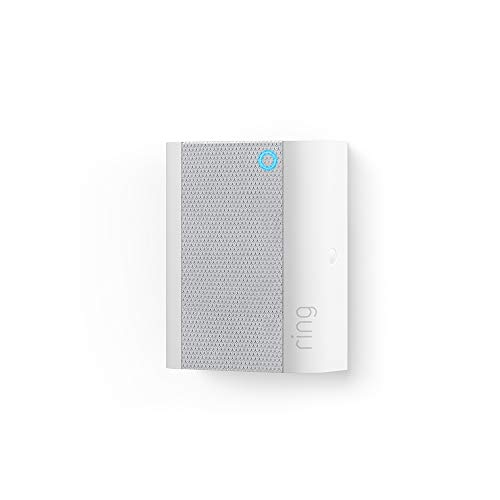
This minimizes false alerts and ensures that homeowners are only notified of significant movements.
Ring also shines when it comes to cost.
Known for its budget-friendly options, Ring offers a range of products that suit different financial capabilities.
Recommended to our readers: Click here
Long-term benefits, such as lower subscription costs for storing video feeds, further add to the attractiveness of the Ring Doorbell.

Decision-Making: Ring or Nest
When considering whether to choose Ring Doorbell or Google Nest, it’s essential to assess your specific needs and preferences.
Both doorbells offer undeniable value, but your final decision should consider whether high-resolution constant surveillance or intelligent motion detection and cost-efficiency is more important to you.
As we navigate through this increasingly digital era, the role smart doorbells play in enhancing home security is undeniable.
Whichever doorbell you choose, it will ultimately be a