Nutritional Yeast vs Parmesan Cheese: Unveiling the Battle of Flavors and Nutrition
Introduction:
In the culinary world, the debate between nutritional yeast and Parmesan cheese is a longstanding one.
Both ingredients add unique flavors and textures to dishes, but they cater to different dietary needs and taste preferences.
Let’s delve into the nuances of these two pantry staples to unravel their distinct characteristics and explore when to reach for a sprinkle of umami-rich Parmesan or a dash of savory nutritional yeast.
Nutritional Yeast: The Vegan Staple
Nutritional yeast, often dubbed as a vegan’s best friend, has gained popularity for its unique umami flavor profile and nutritional benefits.
Recommended to our readers: Click here
Derived from a species of yeast known as Saccharomyces cerevisiae, this inactive yeast is a favorite among plant-based eaters for its cheesy, nutty taste that can mimic the richness of Parmesan without the dairy component.
It is a complete protein source, providing all nine essential amino acids, making it a valuable addition to vegan and vegetarian diets.
Nutritional yeast is also an excellent source of B vitamins, particularly vitamin B12, which is typically lacking in plant-based diets.
With its powdery texture and vibrant yellow hue, nutritional yeast is a versatile ingredient that can be sprinkled over popcorn, roasted vegetables, salads, pasta dishes, or used to create dairy-free cheese sauces and dressings.
Its savory undertones enhance the overall flavor profile of dishes, making it a go-to option for those seeking a dairy-free alternative with a nutritional boost.
Parmesan Cheese: The King of Umami
Parmesan cheese, known as the king of Italian cheeses, has a distinct salty and nutty flavor that adds depth and richness to a wide range of dishes.
Made from cow’s milk and aged for months or even years, Parmesan boasts a granular texture and sharp taste that pairs well with pasta, salads, soups, and risottos.
Its umami characteristics elevate the flavor profile of dishes, making it a coveted ingredient in Italian cuisine and beyond.
Recommended to our readers: Click here
While Parmesan cheese may not be suitable for individuals following a vegan or dairy-free diet, its rich calcium content and protein make it a valuable source of nutrients for those who consume dairy products.
The complex notes of Parmesan lend a robust and savory element to dishes, enhancing everything from simple salads to gourmet pasta creations.
Whether grated finely over a bowl of spaghetti or shaved elegantly onto a salad, Parmesan cheese remains a versatile and beloved pantry staple in many kitchens worldwide.
The Battle of Flavors
When comparing nutritional yeast and Parmesan cheese in the realm of flavor, it ultimately comes down to personal preference and dietary considerations.
Nutritional yeast offers a cheesy, nutty taste with a hint of umami, perfect for vegan or lactose-intolerant individuals looking to elevate their dishes with a dairy-free alternative.
On the other hand, Parmesan cheese provides a bold, salty, and savory profile that
A Flavorful Showdown:
When it comes to enhancing the taste profile of a dish, nutritional yeast and Parmesan cheese each bring their own distinct flavor profiles to the table.
Parmesan, a classic Italian cheese, boasts a salty, nutty taste that can elevate everything from pasta to risotto.
On the other hand, nutritional yeast, a versatile plant-based seasoning, offers a cheesy, nutty, and slightly tangy flavor that appeals to vegans and those seeking a dairy-free alternative.
Nutritional Yeast: A Dairy-Free Delight
Nutritional yeast, also known as “nooch,” is a deactivated yeast that is a rich source of essential vitamins, minerals, and protein.
It is commonly used as a vegan substitute for cheese due to its savory and umami flavors that closely resemble Parmesan.
In addition to its cheesy profile, nutritional yeast also packs a punch of nutrients, including B vitamins like B12, which are essential for a plant-based diet.
Recommended to our readers: Click here
One popular way to enjoy the cheesy goodness of nutritional yeast is by sprinkling it on popcorn for a savory twist.
It can also be used to make dairy-free “cheese” sauces, dressings, and even vegan parmesan alternatives for pasta dishes.
The versatility of nutritional yeast makes it a staple in plant-based cooking and a go-to ingredient for adding depth and complexity to dishes without the need for dairy products.
Parmesan Cheese: A Timeless Flavor Staple
Parmesan cheese, often referred to as the “king of cheeses,” has a rich history of being used in Italian cuisine for centuries.
Its sharp and salty taste adds a depth of flavor to various dishes, making it a popular choice for sprinkling over pastas, salads, soups, and risottos.
The aging process of Parmesan contributes to its complex flavor profile, with hints of nuttiness and a distinct umami richness.
For an indulgent treat, try pairing Parmesan cheese with fresh fruits like pears or figs to balance out its salty notes.
Shaving Parmesan over a simple tomato and basil salad can also elevate the dish with its savory elements.
Recommended to our readers: Click here
From grating over a piping hot bowl of pasta to being a key ingredient in traditional pesto recipes, Parmesan cheese brings a touch of sophistication and depth to any culinary creation.
The Nutritional Face-Off:
Moving beyond taste, the nutritional content of these two ingredients sets them apart in significant ways.
While Parmesan cheese is renowned for its rich calcium and protein content, it also comes with a hefty dose of saturated fat and cholesterol.
In contrast, nutritional yeast is a vegan-friendly powerhouse, packed with B vitamins, plant-based protein, and often fortified with vitamin B12—a critical nutrient for vegans and vegetarians.
Calcium and Protein Content of Parmesan Cheese
Parmesan cheese is a notable source of calcium, with just one ounce providing around 340 mg of this essential mineral.
Calcium plays a crucial role in bone health, muscle function, and nerve transmission.
Additionally, Parmesan cheese is a rich source of high-quality protein, offering around 10 grams per ounce.
Protein is key for muscle repair, growth, and overall body function.
Considerations on Saturated Fat and Cholesterol
While Parmesan cheese’s calcium and protein content can provide notable health benefits, it is important to consider its high saturated fat and cholesterol levels.
Just one ounce of Parmesan cheese can contain around 5 grams of saturated fat and 20-30 mg of cholesterol.
Excessive intake of saturated fats can lead to cardiovascular issues, while high cholesterol levels can raise the risk of heart disease.
The Versatility of Nutritional Yeast
Nutritional yeast is not only a vegan-friendly option but is also highly versatile in various dishes.
It can be used as a flavor enhancer in recipes, thanks to its savory, cheesy flavor profile.
Recommended to our readers: Click here
Nutritional yeast is also commonly used as a topping for popcorn, salads, and pasta dishes, providing a pleasant umami taste.
The Importance of Vitamin B12 Fortification
One key advantage of nutritional yeast, particularly for vegans and vegetarians, is its often fortified vitamin B12 content.
Vitamin B12 is essential for nerve function, DNA synthesis, and red blood cell production.
Since B12 is primarily found in animal products, nutritional yeast fortified with this vitamin can be a valuable addition to plant-based diets to prevent deficiencies and support overall health.
Culinary Versatility:
One key aspect to consider is the versatility of these ingredients in various culinary applications.
Parmesan cheese shines when grated over pasta dishes, salads, or soups, imparting a savory depth of flavor.
Meanwhile, nutritional yeast can be sprinkled on popcorn, roasted vegetables, or incorporated into sauces and dressings to add a cheesy kick without the dairy.
Versatile Ways to Use Parmesan Cheese:
In addition to the classic use of grating Parmesan cheese over pasta dishes, salads, and soups, this versatile ingredient can also be incorporated into various savory recipes.
Sprinkle it over roasted vegetables for an added burst of umami flavor or use it as a crust for chicken or fish for a crispy, flavorful coating.
You can even mix grated Parmesan into bread or biscuit dough for a cheesy twist on your favorite baked goods.
The possibilities are endless when it comes to utilizing Parmesan cheese in your cooking.
Creative Applications for Nutritional Yeast:
Beyond being a dairy-free alternative for adding a cheesy flavor to dishes, nutritional yeast can be utilized in a myriad of creative ways in the kitchen.
Try mixing it into homemade vegan cheese sauces for a creamy, tangy finish or sprinkle it over popcorn along with some melted vegan butter for a savory movie night snack.
Nutritional yeast can also be used to make a flavorful vegan parmesan cheese by blending it with nuts and seasonings.
Experiment with adding nutritional yeast to soups, stews, or even as a seasoning for roasted nuts to elevate the taste profile of your dishes.
Fusion Flavors with Parmesan and Nutritional Yeast:
For a unique culinary experience, consider combining the rich, nutty flavor of Parmesan cheese with the cheesy, nutty notes of nutritional yeast in your recipes.

Create a fusion pesto by blending basil, pine nuts, garlic, olive oil, Parmesan cheese, and nutritional yeast for a flavorful twist on the classic Italian sauce.
Alternatively, mix nutritional yeast into a Parmesan breadcrumb topping for casseroles or use it as a seasoning in homemade croutons.
This fusion of flavors adds depth and complexity to your dishes while catering to varying dietary preferences.
Pros and Cons:
| Feature | Pros | Cons |
|---|---|---|
| Flavor | Parmesan: Rich, nutty taste | Nutritional Yeast: Tangy, cheesy flavor |
| Nutrition | Nutritional Yeast: High in B vitamins, protein | Parmesan: High in saturated fat, cholesterol |
| Use | Parmesan: Traditional Italian dishes | Nutritional Yeast: Vegan-friendly alternative |

Recommended to our readers: Click here
Flavor Profiles
When it comes to flavor, Parmesan cheese offers a rich and nutty taste that complements a variety of dishes.
Its aged, sharp flavor adds depth to pasta, risotto, and salads.
On the other hand, nutritional yeast provides a tangy and cheesy flavor that is often used as a dairy-free substitute for Parmesan.
Its umami-rich taste makes it a popular choice for sprinkling on popcorn, soups, or even as a seasoning for roasted vegetables.
Nutritional Benefits
Nutritional yeast stands out for its impressive nutritional profile, being a rich source of B vitamins such as B12, which is essential for vegetarians and vegans who may struggle to get an adequate intake from plant-based sources.
Additionally, it is a good source of protein, making it a valuable addition to a balanced diet.
Parmesan, while delicious, contains higher levels of saturated fat and cholesterol, so it is best enjoyed in moderation as part of a well-rounded eating plan.
Versatility in Cooking
Parmesan cheese is a staple in traditional Italian cuisine, where its salty, savory notes elevate classics like pasta carbonara, Caesar salad, or minestrone soup.
Meanwhile, nutritional yeast has gained popularity among vegans and those seeking dairy alternatives.
It can be used in vegan mac ‘n’ cheese, sprinkled on pasta dishes, or incorporated into homemade dressings and dips.
Its versatility extends to being a seasoning for popcorn or a topping for baked potatoes, adding a savory kick to various dishes.
The Verdict:
In the battle of nutritional yeast vs Parmesan cheese, there is no one-size-fits-all answer.
The choice between these two ingredients ultimately comes down to individual dietary preferences, health considerations, and culinary objectives.
For those seeking a dairy-free, plant-based option with a boost of nutrients, nutritional yeast emerges as a clear winner.
However, if you crave the authentic taste of Italian cuisine and are not concerned about saturated fats, Parmesan cheese may be your go-to choice.
Health Considerations:
When considering health aspects, it’s important to note that nutritional yeast is a superb option for individuals following a plant-based or vegan diet, as it is a complete protein source and contains essential vitamins like B12.
On the other hand, Parmesan cheese, while rich in calcium and protein, is also high in saturated fats and sodium.
Those with concerns about cholesterol levels or heart health may find that nutritional yeast is the more beneficial choice.
Culinary Objectives:
In terms of culinary use, nutritional yeast offers a unique umami flavor that can enhance a variety of dishes, making it a versatile ingredient for those looking to add depth of flavor without the use of dairy.
Parmesan cheese, known for its sharp and salty taste, is a classic addition to pasta, salads, and soups, providing an unmistakable savory profile.
The choice between the two ingredients may depend on the specific dish being prepared and the desired flavor profile.
Environmental Impact:
Another factor to consider is the environmental impact of your choice.
Nutritional yeast production typically has a lower carbon footprint compared to dairy production, making it a more sustainable option for eco-conscious consumers.
By opting for nutritional yeast over Parmesan cheese, individuals can make a small but meaningful contribution to reducing their environmental footprint.
By weighing these factors and considering your personal preferences and dietary needs, you can make an informed decision on whether to incorporate nutritional yeast or Parmesan cheese into your cooking repertoire.
Whether you choose the dairy-free alternative of nutritional yeast for its health benefits and versatility, or opt for the traditional taste of Parmesan cheese for its culinary appeal, both ingredients have their own unique strengths that cater to different tastes and dietary requirements.
Conclusion:
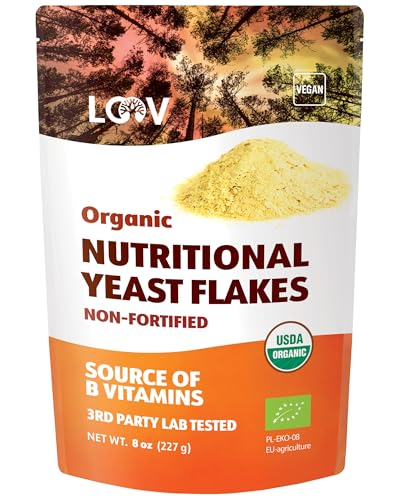
As we navigate the realms of flavor, nutrition, and culinary innovation, the contrasting yet complementary qualities of nutritional yeast and Parmesan cheese continue to captivate food enthusiasts worldwide.
Whether you opt for the umami richness of Parmesan or the savory tang of nutritional yeast, both ingredients have a well-deserved place in the diverse tapestry of gastronomy, demonstrating that a sprinkle of flavor can truly transform a dish into a culinary masterpiece.
Nutritional Yeast: A Vegan Pantry Staple
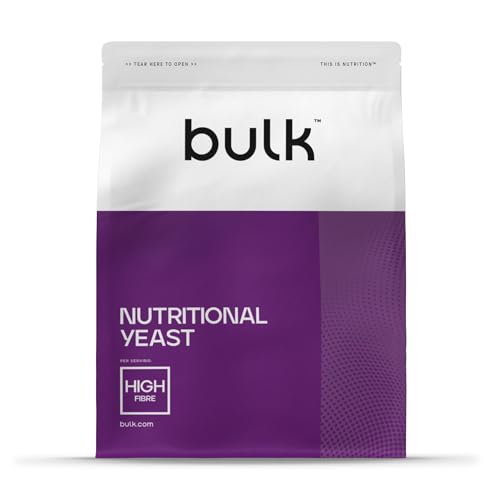
Nutritional yeast, often referred to as “nooch” in vegan circles, has gained popularity for its unique cheesy flavor profile and nutritional benefits.

This inactive yeast is a key ingredient in many plant-based dishes, serving as a flavorful substitute for cheese.
Rich in B vitamins, protein, and minerals, nutritional yeast adds a boost of nutrients to meals, making it a staple in vegan and vegetarian cooking.
Its versatility extends beyond savory dishes to include popcorn seasoning, vegan cheese sauces, and even as a topping for salads and pasta.
Parmesan Cheese: The King of Italian Cheese
Parmesan cheese, also known as Parmigiano-Reggiano, is hailed as the king of Italian cheeses for its deep, nutty flavor and granular texture.
Aged for up to 36 months, Parmesan has a rich umami taste that enhances a variety of dishes, from pasta and risotto to soups and salads.
Its versatility lies in its ability to be used as a finishing touch for dishes or as a key ingredient in recipes, bringing a depth of flavor that elevates simple dishes to gourmet status.
Parmesan’s robust flavor profile pairs well with meats, vegetables, and grains, making it a versatile ingredient in both traditional and modern cuisine.
The Harmony of Contrasting Flavors
While nutritional yeast and Parmesan cheese may differ in origin and composition, they both contribute to creating flavorful and satisfying dishes.
The nutty, cheesy notes of Parmesan complement rich pastas and creamy risottos, while the tangy, umami flavor of nutritional yeast adds depth to plant-based dishes and sauces.
By understanding the unique characteristics of each ingredient, chefs and home cooks can harness the power of umami and savory flavors to enhance their culinary creations.
Whether you’re looking to add a vegan twist to classic recipes or elevate your cooking with traditional Italian flair, the combination of nutritional yeast and Parmesan offers a myriad of creative possibilities in the kitchen.