Feature Article: Lentils vs Chickpeas
Introduction
Legumes are a staple in many diets around the world, offering a rich source of plant-based protein, fiber, and essential nutrients.
Among the diverse array of legumes, lentils and chickpeas stand out as versatile and nutrient-dense options that have gained popularity in both traditional and modern cuisine.
In this article, we will delve into the differences between lentils and chickpeas, exploring their nutritional profiles, culinary uses, health benefits, and environmental impact.
Nutritional Profiles
Both lentils and chickpeas are nutritional powerhouses packed with essential nutrients.
Lentils are an excellent source of plant-based protein, with about 18 grams of protein per cooked cup.
They are also rich in fiber, providing approximately 15 grams of dietary fiber per cup, aiding in digestion and promoting a feeling of fullness.
Chickpeas, on the other hand, contain slightly more protein than lentils – around 15 grams per cooked cup – and are also high in fiber, offering about 12.5 grams per cup.
In addition to protein and fiber, lentils are notably rich in folate, iron, and potassium, making them a valuable addition to a balanced diet.
Chickpeas, on the other hand, boast high levels of manganese, copper, and phosphorus, contributing to overall health and well-being.
Both legumes are low in fat and cholesterol-free, making them heart-healthy options.
Culinary Uses
Lentils and chickpeas are incredibly versatile ingredients that can be incorporated into a wide range of dishes.
Lentils come in various colors and sizes, with red, green, and brown being the most common varieties.
They can be used in soups, stews, salads, and even veggie burgers, adding a hearty texture and nutty flavor to the dish.
Chickpeas, also known as garbanzo beans, are popular in Mediterranean and Middle Eastern cuisine.
They are the main ingredient in hummus, a creamy dip, and can also be roasted for a crunchy snack, blended into falafel, or tossed into salads for added protein and a satisfying crunch.
Health Benefits
Including lentils and chickpeas in your diet offers numerous health benefits.
The high fiber content in both legumes helps regulate blood sugar levels, improves digestive health, and reduces the risk of chronic conditions such as heart disease and diabetes.
The protein in lentils and chickpeas supports muscle growth and repair, making them excellent choices for vegetarians and vegans.
Additionally, the iron found in lentils helps prevent iron deficiency anemia, while the manganese in chickpeas plays a role in supporting bone health and metabolism.
Environmental Impact

From an environmental perspective, both lentils and chickpeas are sustainable food choices.
Legumes have the ability to fix nitrogen in the soil, reducing the need for synthetic fertilizers that can harm the environment.
Their cultivation requires less water compared to other protein sources
Nutritional Comparison
Benefits of a Plant-Based Diet
In addition to being lower in calories and saturated fats, plant-based diets offer a myriad of health benefits.
Recommended to our readers: Click here
These diets are naturally rich in fiber, vitamins, minerals, and antioxidants, all of which are essential for optimal health.
Fiber, for example, aids in digestion, helps maintain healthy cholesterol levels, and promotes satiety, making it a valuable nutrient for weight management.
Additionally, plant foods are often packed with phytochemicals, bioactive compounds that have been shown to have protective effects against chronic diseases such as heart disease, cancer, and diabetes.
By incorporating a variety of plant foods in one’s diet, individuals can reap the benefits of these powerful nutrients and support their overall well-being.
Key Nutrients
Lentils and chickpeas are nutritional powerhouses, packed with protein, fiber, vitamins, and minerals essential for overall health.
Lentils are known for their high protein content and are a particularly good source of folate, iron, and potassium.
Chickpeas, on the other hand, boast a similar protein content but offer higher levels of fiber, manganese, and calcium.
These nutrient profiles make both legumes valuable components of a balanced diet, especially for vegetarians and vegans looking to meet their protein needs.
Benefits of Protein-rich Legumes
Incorporating lentils and chickpeas into your diet not only ensures a good intake of protein but also provides a myriad of other health benefits.
Protein is essential for building and repairing tissues, supporting muscle growth, and maintaining a healthy metabolism.
Both lentils and chickpeas are considered complete proteins, containing all the essential amino acids necessary for optimal bodily functions.
Fiber for Digestive Health
Apart from protein, lentils and chickpeas are rich sources of dietary fiber, crucial for digestive health.
Fiber helps promote regular bowel movements, prevents constipation, and supports a healthy gut microbiome.
Lentils contain soluble fiber, which helps lower cholesterol levels, while chickpeas are high in insoluble fiber, beneficial for gut motility and preventing digestive issues.
Vitamins and Minerals Galore
In addition to protein and fiber, lentils and chickpeas are packed with a variety of vitamins and minerals that support overall well-being.
Lentils are an excellent source of folate, a B-vitamin essential for DNA synthesis and cell division.
They also provide a good amount of iron, crucial for oxygen transport in the body, and potassium, necessary for regulating blood pressure and fluid balance.
On the other hand, chickpeas are rich in manganese, a mineral involved in bone health and metabolism, and calcium, vital for strong bones and teeth.
Dietary Essential for Vegetarians and Vegans
For individuals following a vegetarian or vegan diet, lentils and chickpeas are valuable staples that help meet their protein requirements without relying on animal-based sources.
These legumes not only offer a plant-based protein alternative but also deliver a nutrient-dense package of vitamins and minerals that are often lacking in a meat-free diet.
Incorporating lentils and chickpeas into meals can enhance the nutritional quality of vegetarian and vegan diets and contribute to overall health and well-being.
Antioxidant Content
In the realm of antioxidants, chickpeas take the spotlight with their rich levels of phytochemicals such as flavonoids and polyphenols.
These antioxidants play a crucial role in fighting free radicals and reducing inflammation in the body, contributing to overall well-being and potentially lowering the risk of chronic diseases.
Lentils also contain antioxidants but in slightly lower quantities compared to chickpeas, making them a valuable addition to an antioxidant-rich diet.
Benefits of Flavonoids and Polyphenols
Flavonoids and polyphenols are two categories of antioxidants found abundantly in chickpeas.
These compounds are known for their powerful anti-inflammatory and antioxidant properties.
Flavonoids, such as quercetin and kaempferol, have been associated with reducing the risk of heart disease and improving blood flow.
Polyphenols, particularly tannins and catechins, have been linked to enhanced immune function and protection against certain types of cancer.
Antioxidant Role in Fighting Free Radicals
Free radicals are unstable molecules that can damage cells and contribute to aging and various diseases.
The antioxidants present in chickpeas, including flavonoids and polyphenols, help neutralize these harmful free radicals, thereby protecting the body from oxidative stress.
By preventing oxidative damage, antioxidants promote cellular health and overall longevity.

Importance of Antioxidants in Reducing Inflammation
Inflammation is a natural response by the body to injury or infection, but chronic inflammation is linked to several health issues like heart disease, arthritis, and diabetes.
The antioxidants in chickpeas work to combat inflammation by reducing the production of pro-inflammatory molecules.
By lowering inflammation levels, these antioxidants support a healthier immune system and may help prevent the onset of chronic inflammatory conditions.
Contribution to Lowering Chronic Disease Risk
Consuming a diet rich in antioxidants, like those found in chickpeas, can significantly reduce the risk of developing chronic diseases.
Studies have shown that a high intake of flavonoids and polyphenols is associated with a lowered risk of conditions such as cancer, diabetes, and neurodegenerative disorders.
Including chickpeas in your regular meals can be a proactive way to boost your antioxidant intake and protect yourself against chronic health issues.
Culinary Uses
Varieties of Onions for Culinary Uses
Recommended to our readers: Click here
When it comes to cooking, different types of onions can be used to enhance the flavor of various dishes.
For example, red onions are great for adding a pop of color and mild sweetness to salads and sandwiches.
They are often used raw in dishes where their vibrant hue can shine.
Yellow onions, on the other hand, are versatile and widely used in cooking due to their strong flavor.
They are perfect for caramelizing, adding depth to soups, stews, and sauces.
Yellow onions work well in dishes where their robust taste can stand out.
White onions have a milder flavor compared to yellow onions and are commonly used in Mexican cuisine.
They are ideal for adding a subtle onion flavor without overpowering other ingredients.
White onions are often diced and added raw to salsas, guacamole, and other dishes.
Shallots are another popular variety that have a delicate flavor and a hint of garlic.
They are popular in French cooking and are excellent for making vinaigrettes, dressings, and sauces.
Shallots can also be caramelized to add a sweet and savory note to dishes like quiches and tarts.
Versatility in Cooking
Both lentils and chickpeas are celebrated for their versatility in the kitchen, lending themselves to a wide range of culinary creations.
Lentils, with their quick cooking time and earthy flavor, are commonly used in soups, stews, salads, and dips.
Red lentils, in particular, break down easily when cooked, making them ideal for thickening curries and sauces.
Chickpeas, on the other hand, bring a nutty taste and firm texture to dishes, making them popular in salads, curries, hummus, and crunchy snacks like roasted chickpeas.
Nutritional Benefits:
Lentils and chickpeas are not only versatile in the kitchen but also pack a nutritional punch.
Both legumes are rich sources of plant-based protein, fiber, and essential vitamins and minerals.
Lentils, for example, are high in iron, which is crucial for transporting oxygen throughout the body and energy production.
Chickpeas are known for their high levels of folate, which is important for cell growth and metabolism.
Culinary Creativity:
When it comes to using lentils and chickpeas in cooking, the possibilities are endless.
Lentils can be transformed into veggie burgers, patties, or meatballs for a plant-based protein option.
They can also be sprouted and added to salads for an extra crunch.
Chickpeas, on the other hand, can be mashed into a creamy spread for sandwiches or wraps, or roasted with spices for a crunchy snack.
International Flavors:
Both lentils and chickpeas feature prominently in various world cuisines.
Lentils are a staple in Indian dal dishes, French lentil salads, and Middle Eastern mujadara.
Chickpeas take center stage in Mediterranean recipes like falafel, Spanish dishes like cocido, and Italian pasta e ceci.
Embracing these legumes in your cooking can introduce you to a world of delicious global flavors.
Flavor Profiles
When it comes to flavor, lentils and chickpeas offer distinct tastes that can elevate various dishes.
Lentils have a mild, slightly peppery flavor that pairs well with a variety of seasonings and ingredients.
In contrast, chickpeas have a nuttier taste and a firmer texture that adds depth to curries and salads.
The versatility of both legumes allows them to adapt to different cuisines and cooking styles, bringing a satisfying and nutritious element to meals.
Lentils:
Lentils come in various colors, including green, brown, red, and black, each offering a slightly different flavor profile.
Green lentils tend to hold their shape well when cooked, making them ideal for salads and stews, while red lentils break down easily, imparting a creamy texture to soups and dahls.
Additionally, lentils are rich in umami flavors, making them a great meat substitute in vegetarian dishes like lentil meatballs or lentil burgers.
Their earthy taste enhances Mediterranean dishes like lentil soups and stews, lentil salads with feta cheese, or lentil-based pasta sauces.
Chickpeas:
Chickpeas, also known as garbanzo beans, are commonly used in Middle Eastern, Mediterranean, and Indian cuisines.
They offer a slightly nutty and buttery flavor, which pairs well with robust spices like cumin, coriander, and turmeric.
Chickpeas can be roasted and seasoned with various herbs and spices for a crunchy snack or pureed into creamy hummus for a delicious dip.
In curries and tagines, chickpeas absorb the flavors of the aromatic spices and create a hearty, filling dish.
They can also be tossed in salads for added protein and texture, or mashed and formed into patties for vegetarian burgers or falafel.
Culinary Combinations:
When combining lentils and chickpeas in dishes, their unique flavors and textures complement each other well.
For example, a Moroccan-inspired stew could feature a blend of green lentils for their firmness and chickpeas for their creaminess, creating a harmonious balance of textures.
In a protein-packed salad, the earthy undertones of lentils can harmonize with the nuttiness of roasted chickpeas, offering a satisfying crunch.
Experimenting with different spice blends, fresh herbs, and citrus dressings can further enhance the interplay of flavors between lentils and chickpeas in a variety of dishes.
Health Benefits
Mental Health Benefits
In addition to physical health, regular exercise has been proven to have numerous mental health benefits as well.
When we engage in physical activity, our brain releases chemicals like endorphins and dopamine, which are commonly referred to as “feel-good” chemicals.
These chemicals can help reduce feelings of stress, anxiety, and depression.
Exercise has also been linked to improvements in cognitive function and memory, making it a valuable tool for maintaining mental sharpness and reducing the risk of cognitive decline with age.
Moreover, physical activity can serve as a form of stress relief and a way to clear the mind.
Many people find that a workout session, whether it’s a jog in the park, a yoga class, or a weightlifting session, can help them release pent-up tension and feel more relaxed and focused afterward.
In fact, some studies have shown that exercise can be as effective as medication in treating mild to moderate depression.
Overall, the mental health benefits of regular exercise are significant and should not be overlooked.
By incorporating physical activity into your routine, you can not only improve your physical well-being but also boost your mood, reduce stress levels, and enhance your cognitive function.
Heart Health
Both lentils and chickpeas contribute to heart health due to their high fiber content, which can help lower cholesterol levels and reduce the risk of heart disease.
The soluble fiber in these legumes binds to cholesterol in the digestive tract, aiding in its excretion from the body.
Additionally, the potassium and magnesium found in lentils and chickpeas support healthy blood pressure regulation, further promoting cardiovascular well-being.
Benefits of Soluble Fiber
Soluble fiber, found abundantly in lentils and chickpeas, plays a crucial role in maintaining heart health.
This type of fiber forms a gel-like consistency in the digestive tract, which helps to trap cholesterol and prevent its absorption into the bloodstream.
By reducing the levels of LDL (bad) cholesterol, soluble fiber lowers the risk of developing atherosclerosis and heart disease.
Potassium and Magnesium Support
In addition to fiber, lentils and chickpeas are rich sources of essential minerals like potassium and magnesium.
Potassium helps to regulate blood pressure by counteracting the effects of sodium and relaxing the blood vessel walls.
This mineral also plays a role in maintaining proper heart rhythm and function.
Magnesium, on the other hand, supports overall cardiovascular health by helping to dilate blood vessels and improve blood flow.
Together, these minerals contribute to reducing the risk of hypertension and stroke, enhancing the overall health of the heart.
Other Heart-Healthy Nutrients
Apart from fiber, potassium, and magnesium, lentils and chickpeas provide a spectrum of heart-healthy nutrients.
These legumes are packed with antioxidants such as flavonoids and polyphenols, which help reduce inflammation and oxidative stress in the body.
Consuming a diet rich in antioxidants can protect the heart from damage caused by free radicals and lower the risk of developing heart conditions.
Role of Plant-Based Proteins
Lentils and chickpeas are not only beneficial for heart health due to their fiber and nutrient content but also because they are excellent sources of plant-based proteins.
By incorporating these legumes into a balanced diet, individuals can reduce their intake of saturated fats from animal proteins, which are known to contribute to cardiovascular issues.
Plant-based proteins promote heart health by lowering cholesterol levels and supporting overall cardiovascular function, making lentils and chickpeas an integral part of a heart-healthy diet.
Blood Sugar Management
For individuals concerned about blood sugar control, both lentils and chickpeas offer substantial benefits.
The slow-digesting carbohydrates and fiber in these legumes help stabilize blood sugar levels, preventing sudden spikes and crashes.
This makes lentils and chickpeas valuable additions to meals for individuals with diabetes or those looking to maintain steady energy throughout the day.
Nutritional Value of Lentils and Chickpeas
Both lentils and chickpeas are rich in essential nutrients such as fiber, protein, and complex carbohydrates.
These nutrients play a crucial role in maintaining stable blood sugar levels by promoting slow digestion and preventing the rapid spikes in blood sugar that can occur with high-glycemic foods.
Fiber Content and Blood Sugar Control
The high fiber content in lentils and chickpeas is particularly beneficial for blood sugar management.
Fiber acts as a bulking agent in the digestive system, slowing down the absorption of sugars and carbohydrates.
This slow digestion process helps to prevent sudden spikes in blood glucose levels, providing a steady and sustained release of energy.
Glycemic Index and Legumes
Both lentils and chickpeas have a low glycemic index (GI), which is a measure of how quickly a food raises blood sugar levels.
Foods with a low GI are digested and absorbed more slowly, leading to a gradual increase in blood glucose levels.
This makes them ideal choices for individuals looking to control their blood sugar levels effectively.
Versatility in Meal Planning
Lentils and chickpeas are incredibly versatile ingredients that can be incorporated into a variety of dishes.
From soups and salads to curries and stews, these legumes offer endless possibilities for creating blood sugar-friendly meals.
Adding lentils or chickpeas to your meals can help balance out the overall glycemic load of the meal and contribute to better blood sugar regulation.
Evidence-Based Benefits for Diabetes Management
Numerous studies have highlighted the benefits of including lentils and chickpeas in the diet of individuals with diabetes.
Research has shown that regular consumption of these legumes can improve glycemic control, insulin sensitivity, and overall blood sugar management in diabetic individuals.
This evidence underscores the importance of incorporating lentils and chickpeas into a diabetes-friendly diet for long-term health benefits.
Environmental Impact
Effects of Deforestation on Biodiversity
Deforestation has a direct and devastating impact on biodiversity.
When forests are cleared, the habitats of countless plant and animal species are destroyed, leading to a loss of biodiversity.
This loss can disrupt entire ecosystems, as many species rely on specific habitats for their survival.
For example, in the Amazon rainforest, deforestation has caused the decline of species such as the jaguar, tapir, and harpy eagle, which are all highly dependent on the forest for food and shelter.
Additionally, many rare and endemic species are at risk of extinction when their habitats are destroyed due to deforestation.
Impact on Climate Change
The clearing of forests also has significant implications for climate change.
Recommended to our readers: Click here
Trees play a crucial role in absorbing carbon dioxide from the atmosphere, acting as a natural carbon sink.
When trees are cut down and burned or left to decompose, the stored carbon is released back into the atmosphere as carbon dioxide, contributing to the greenhouse effect and global warming.
Deforestation is a major contributor to greenhouse gas emissions, making it a significant driver of climate change.
This not only exacerbates global warming but also leads to more frequent and severe natural disasters such as droughts, floods, and wildfires.
Effects on Local Communities
Deforestation not only harms the environment but also has serious consequences for local communities that depend on forests for their livelihoods.
Indigenous peoples, in particular, often have deep cultural and spiritual connections to the land and forests.
When their traditional lands are cleared for logging, agriculture, or mining, their way of life is threatened, and they lose access to vital resources such as food, medicine, and clean water.
Moreover, deforestation can lead to conflicts over land rights and displacement of communities, further exacerbating social inequalities and injustices.
Solutions and Conservation Efforts
To address the environmental impact of deforestation, various solutions and conservation efforts have been implemented globally.
These include reforestation and afforestation initiatives to restore degraded forests and establish new tree cover, as well as sustainable land management practices that promote biodiversity conservation and carbon sequestration.
Organizations and governments are also working to enforce stricter regulations against illegal logging and land clearance, and to support sustainable development projects that empower local communities while preserving forest ecosystems.
By promoting sustainable land use practices and protecting forests, we can mitigate the adverse effects of deforestation on the environment and work towards a more sustainable future for all.
Sustainability
In an era where sustainability is a pressing concern, the environmental impact of food choices cannot be overlooked.
Lentils and chickpeas shine as eco-friendly options, requiring significantly less water and land compared to animal-based protein sources.
The nitrogen-fixing properties of these legumes also enrich the soil, reducing the need for synthetic fertilizers and contributing to soil health and biodiversity.
Environmental Impact of Different Protein Sources
When comparing the environmental impact of various protein sources, it becomes evident that plant-based options like lentils and chickpeas stand out for their sustainability.
The production of animal-based proteins, such as beef or lamb, is known to be resource-intensive, with substantial water usage, land requirements, and greenhouse gas emissions.
In contrast, legumes like lentils and chickpeas have a significantly lower carbon footprint, making them a more eco-friendly choice for those concerned about environmental conservation.
Water and Land Efficiency of Legumes
Lentils and chickpeas are especially notable for their efficiency in water and land usage compared to animal-based protein sources.
To produce a single pound of lentils, significantly less water is required than for a pound of beef.
Similarly, the land needed to cultivate these legumes is minimal in comparison to pasture land for livestock.
By opting for lentils and chickpeas as protein sources, individuals can contribute to water conservation efforts and reduce land degradation associated with intensive agriculture practices.
Nitrogen-Fixing Properties and Soil Health
In addition to being water and land-efficient, lentils and chickpeas offer the added benefit of nitrogen-fixing properties.
These legumes have specialized nodules on their roots that house bacteria capable of converting atmospheric nitrogen into a form that plants can use for growth.
This process not only improves the fertility of the soil where legumes are grown but also reduces the need for synthetic fertilizers that contribute to water pollution and other environmental concerns.
By incorporating lentils and chickpeas into crop rotations, farmers can enhance soil health, promote biodiversity, and mitigate the harmful effects of conventional agriculture practices.
Carbon Footprint
When it comes to carbon emissions, lentils and chickpeas have a substantially lower footprint compared to animal protein sources.
The cultivation of legumes produces fewer greenhouse gases, making them a more climate-friendly choice for individuals looking to reduce their environmental impact.
By incorporating lentils and chickpeas into diet plans, consumers can make a positive contribution to sustainability efforts without compromising on nutrition or taste.
Benefits of Choosing Lentils and Chickpeas
In addition to their lower carbon footprint, lentils and chickpeas offer a multitude of health benefits that make them an excellent choice for sustainable eating.
These plant-based protein sources are rich in fiber, vitamins, and minerals, making them a nutritious addition to any diet.
Lentils, for example, are packed with folate, iron, and potassium, while chickpeas provide a good dose of protein, carbohydrates, and antioxidants.
By opting for these legumes, individuals can not only reduce their environmental impact but also improve their overall health and well-being.
Culinary Versatility and Delicious Recipes
Furthermore, lentils and chickpeas are incredibly versatile ingredients that can be used in a wide range of culinary creations.
From hearty soups and stews to flavorful salads and dips, the possibilities are endless when it comes to incorporating these legumes into your meals.
For example, lentils can be the star ingredient in a flavor-packed dal or a protein-rich addition to a veggie burger, while chickpeas can be transformed into creamy hummus, crunchy roasted snacks, or a satisfying curry.
With such diversity in recipe options, choosing lentils and chickpeas can elevate the taste and texture of your dishes while supporting sustainable food choices.
Global Impact and Food Security
Moreover, the cultivation of lentils and chickpeas plays a significant role in global food security and agricultural sustainability.
These legumes are often grown in diverse climates and require less water and land compared to livestock farming, making them a more resilient and resource-efficient crop.

By promoting the production and consumption of lentils and chickpeas, individuals can support local farmers, reduce food waste, and contribute to the stability of the food supply chain on a global scale.
Making mindful choices at the grocery store by selecting legumes over animal products can have a ripple effect on promoting a more sustainable and secure food system for future generations.
Pros and Cons
| Legume | Pros | Cons |
|---|---|---|
| Lentils | High in protein Quick cooking time Variety of culinary uses |
Lower in some nutrients Slightly lower antioxidant content |
| Chickpeas | Rich in fiber Antioxidant-rich Versatile in cooking |
Longer cooking time for dried chickpeas Higher in calories compared to lentils |
Nutritional Benefits
Lentils are not only high in protein but also a great source of fiber, folate, iron, and potassium.
These nutrients are essential for various bodily functions, such as maintaining a healthy heart and boosting energy levels.
Lentils can be a convenient option for vegetarians and vegans looking to increase their protein intake.
Chickpeas, on the other hand, are packed with fiber, which aids digestion and promotes a feeling of fullness.
They are also rich in antioxidants like phytonutrients and vitamins, helping to combat inflammation and oxidative stress in the body.
Including chickpeas in your diet can contribute to overall well-being and may reduce the risk of chronic diseases.
Cooking Considerations
While lentils have a quick cooking time compared to other legumes, it’s essential to note that overcooking can cause them to become mushy.
To avoid this, it’s recommended to monitor the cooking process closely and test for doneness frequently.
Lentils are versatile and can be cooked in various ways, such as soups, salads, and stews.
On the other hand, dried chickpeas require soaking before cooking to reduce their cooking time.
This extra step may require some planning ahead, but it helps to soften the chickpeas for a more palatable texture.
Additionally, canned chickpeas provide a convenient and ready-to-eat option for quick meal preparation.
Culinary Applications
Lentils are widely used in different cuisines worldwide, adding a rich nutty flavor and hearty texture to dishes.
From lentil soups and curries to salads and patties, the versatility of lentils makes them a staple in vegetarian and meat-based recipes.
Experimenting with different types of lentils, such as green, brown, or red lentils, can introduce unique flavors and textures to your meals.
Chickpeas are equally versatile in the kitchen, commonly used in dishes like hummus, falafel, and curries.
Their slightly nutty taste pairs well with various spices and ingredients, making them a favorite in Mediterranean and Middle Eastern cuisine.
Roasted chickpeas also make a crunchy and nutritious snack option for those looking to satisfy their cravings with a healthier alternative.
Conclusion
In the realm of legumes, lentils and chickpeas stand out as nutritional powerhouses that offer a host of health benefits and culinary delights.
While lentils excel in protein content and quick cooking time, chickpeas shine with their rich fiber and antioxidant profiles.
Both legumes provide a sustainable and environmentally conscious alternative to animal protein sources, making them valuable additions to a balanced diet.
Whether you prefer a hearty lentil soup or a zesty chickpea salad, incorporating these legumes into your meals can elevate not just your taste buds but also your well-being and the planet’s health.
Let lentils and chickpeas be your flavorful companions on the journey to a healthier, more sustainable lifestyle.
Health Benefits of Lentils and Chickpeas:
Both lentils and chickpeas offer a wide range of health benefits beyond their nutritional content.
Lentils are a great source of folate, iron, and potassium, which are essential for maintaining overall health.
They are also low in calories and fat, making them an ideal choice for weight management.
Chickpeas, on the other hand, are rich in plant-based protein, which is important for muscle growth and repair.
Additionally, chickpeas contain magnesium, which plays a crucial role in regulating blood sugar levels and promoting heart health.
Culinary Versatility:
One of the reasons lentils and chickpeas have gained popularity in recent years is their versatility in cooking.
Lentils can be used in a variety of dishes, from soups and stews to salads and casseroles.
They absorb flavors well and can be seasoned with different spices to create unique taste profiles.
Chickpeas, commonly used in Mediterranean and Middle Eastern cuisines, can be roasted for a crunchy snack, blended into creamy hummus, or added to curries and wraps.
The culinary possibilities with lentils and chickpeas are endless, making them a staple in diverse cuisines around the world.
Sustainability and Environmental Impact:
In addition to their health benefits and culinary appeal, lentils and chickpeas play a crucial role in promoting sustainability and reducing the environmental impact of food production.
Unlike animal proteins, legumes require less water and land to cultivate, making them more environmentally friendly.
By incorporating lentils and chickpeas into your diet, you are contributing to a more sustainable food system and reducing greenhouse gas emissions associated with animal agriculture.
Choosing plant-based protein sources like lentils and chickpeas is not only beneficial for your health but also for the planet’s well-being.
References
Images
– Lentils: 
– Chickpeas: 
Graphs
– Nutritional Comparison Chart:  How to Incorporate Lentils and Chickpeas into Your Diet
Incorporating lentils and chickpeas into your diet is not only easy but also a flavorful way to boost your nutritional intake.
Here are some tips on how to make the most of these legumes in your everyday meals:
Health Benefits of Lentils and Chickpeas
Lentils and chickpeas are not only delicious additions to your meals but also pack a powerful nutritional punch.
Both legumes are excellent sources of plant-based protein, fiber, and various essential vitamins and minerals.
Lentils, for example, are rich in folate, iron, and potassium, while chickpeas provide a good amount of magnesium, zinc, and B vitamins.
Cooking Ideas and Recipes
There are countless ways to incorporate lentils and chickpeas into your diet, whether you enjoy them in soups, salads, stews, or even as a standalone dish.
For a quick and satisfying meal, try making a hearty lentil soup with vegetables and spices.
You can also whip up a flavorful chickpea curry with fragrant spices like cumin, turmeric, and coriander.
Experiment with different recipes to find your favorite way to enjoy these legumes.
Meal Planning Tips
To make it easier to include lentils and chickpeas in your meals, consider meal prepping batches of cooked legumes ahead of time.
Cooked lentils and chickpeas can be stored in the refrigerator for several days or frozen for longer preservation.
This way, you can easily add them to salads, wraps, or grain bowls for a quick and nutritious boost.
Pairing Ideas with Lentils and Chickpeas
Lentils and chickpeas can be paired with a variety of ingredients to create balanced and satisfying meals.
For a complete protein source, consider combining lentils or chickpeas with whole grains like quinoa or brown rice.
Adding fresh vegetables, herbs, and a splash of citrus can further enhance the flavors and nutritional profile of your dishes.
Experiment with different flavor combinations to keep your meals exciting and diverse.
1. Soups and Stews
Lentils and chickpeas are excellent additions to hearty soups and stews.
Try adding cooked lentils to a vegetable soup for extra protein and texture, or throw chickpeas into a Moroccan-style stew for a satisfying meal.
Benefits of Using Lentils and Chickpeas in Soups and Stews
Lentils and chickpeas are not only delicious additions to soups and stews but also bring a wealth of health benefits to your meals.
Lentils are packed with protein, fiber, and essential nutrients like iron and folate.
They are a great source of plant-based protein, making them an excellent option for vegetarians and vegans.
On the other hand, chickpeas are rich in fiber and have a low glycemic index, which can help regulate blood sugar levels and promote a feeling of fullness.
Versatility in Cooking
One of the best things about incorporating lentils and chickpeas into soups and stews is their versatility.
Lentils come in various colors and sizes, such as brown, green, red, and black, each imparting a unique flavor and texture to your dish.
Chickpeas, also known as garbanzo beans, can be used in both savory and sweet recipes, adding a nutty taste and a satisfying bite to your creations.
Flavor Pairings and Seasonings
When using lentils and chickpeas in soups and stews, consider complementary flavors and seasonings to enhance the overall taste profile of your dish.
For lentils, spices like cumin, turmeric, and smoked paprika work well to add depth and warmth to the soup or stew.
Chickpeas pair beautifully with flavors like lemon, garlic, and herbs such as parsley and cilantro, bringing brightness and freshness to the dish.
Recipe Inspiration
Looking for inspiration on how to incorporate lentils and chickpeas into your soups and stews?
Consider trying a hearty lentil and vegetable soup with a squeeze of lemon juice for a tangy kick.
For a comforting stew, combine chickpeas with tomatoes, onions, and a blend of North African spices like cumin and coriander to create a flavorful Moroccan-inspired dish.
Experiment with different combinations and spices to discover your favorite lentil and chickpea recipes for soups and stews.
2. Salads
For a refreshing and nutrient-packed salad, toss cooked chickpeas or lentils with fresh greens, cherry tomatoes, cucumbers, and a tangy vinaigrette.
The combination of textures and flavors will make your salad a standout dish.
Nutrient Benefits:
Chickpeas and lentils are excellent sources of plant-based protein and fiber, making this salad not only delicious but also a satisfying and nutritious meal.
These legumes are packed with essential nutrients such as folate, iron, and potassium, providing a healthy boost to your diet.
Flavor Variations:
You can customize this salad by adding different ingredients to suit your taste preferences.
Consider incorporating roasted red peppers, olives, feta cheese, or avocado for added flavor and complexity.
Experimenting with herbs like fresh basil or cilantro can also elevate the taste profile of the salad.
Vinaigrette Options:
The vinaigrette dressing plays a crucial role in enhancing the overall taste of the salad.
You can choose from a variety of vinaigrette options such as balsamic, lemon herb, or tahini dressing.
Each dressing brings its own unique flavor profile and can significantly impact the final taste of the dish.
Meal Prep Tips:
To streamline meal preparation, consider cooking a large batch of chickpeas or lentils in advance and storing them in the refrigerator.
This way, you can easily assemble a fresh salad by simply tossing the ingredients together with the pre-cooked legumes.
Additionally, you can make a larger quantity of vinaigrette and keep it handy for quick salad dressings throughout the week.
3. Indian Curries
Both lentils and chickpeas are commonly used in Indian cuisine to create flavorful curries.
Experiment with lentil dal or chickpea masala recipes for a delicious and aromatic meal that is sure to impress your taste buds.
Types of Lentil Dal Recipes:
When it comes to lentil dals in Indian cuisine, there is a wide variety to choose from.
Some popular options include:
– Masoor Dal: Made from red lentils, this dal cooks quickly and has a slightly sweet and nutty flavor.
– Tadka Dal: This is a classic Indian dal where cooked lentils are tempered with spices like cumin, mustard seeds, and dried red chilies.
Recommended to our readers: Click here
– Mung Dal: Mung lentils are known for their easy digestibility and are often used in delicate and light dals.
Experimenting with these different types of lentil dals can introduce a range of flavors and textures to your culinary repertoire.
Chickpea Masala Varieties:
Chickpeas, or garbanzo beans, are another staple ingredient in Indian cooking.
Here are a few variations of chickpea masala recipes you can try:
– Chana Masala: A popular North Indian dish where chickpeas are simmered in a spicy and tangy tomato-based gravy.
– Kadala Curry: A South Indian chickpea curry seasoned with coconut, curry leaves, and mustard seeds for a flavorful twist.
– Pindi Chole: Originating from Punjab, this dish features spicy and tangy chickpeas cooked with a blend of aromatic spices.
Each chickpea masala variety offers a unique combination of spices and ingredients that can cater to different taste preferences.
4. Snacks
Roasted chickpeas make a crunchy and satisfying snack that is perfect for curbing mid-day hunger pangs.
Simply season cooked chickpeas with spices of your choice and roast them until crispy for a healthy and delicious treat.
Benefits of Snacking on Roasted Chickpeas
Roasted chickpeas are not only a tasty snack option, but they also offer several health benefits.
Chickpeas are a good source of plant-based protein, fiber, and various essential vitamins and minerals such as iron and folate.
By roasting chickpeas, you enhance their crunchiness and flavor while retaining most of their nutritional value, making them an ideal snack for those looking to boost their protein intake or increase their daily fiber consumption.
Flavor Variations and Seasoning Ideas
There are endless possibilities when it comes to seasoning roasted chickpeas.
You can experiment with different flavor combinations to suit your taste preferences.
For a savory option, try coating your chickpeas in a mix of cumin, paprika, garlic powder, and a pinch of cayenne for a spicy kick.
If you prefer a sweeter snack, toss the chickpeas with cinnamon, nutmeg, and a drizzle of honey before roasting.
Don’t be afraid to get creative with seasonings like curry powder, taco seasoning, or even a touch of truffle salt to elevate the flavors of your roasted chickpeas.
Serving Suggestions
Roasted chickpeas are versatile and can be enjoyed in various ways beyond just snacking.
Sprinkle them over salads or soups for an added crunch, or use them as a topping for your favorite grain bowls or Buddha bowls.
You can also incorporate roasted chickpeas into homemade trail mix with nuts, seeds, and dried fruits for a nutrient-packed snack on the go.
Additionally, roasted chickpeas can be a flavorful addition to charcuterie boards or party platters, offering a healthier alternative to traditional snack options.
5. Hummus and Dips
Chickpeas are the star ingredient in traditional hummus, a creamy and versatile dip that pairs well with fresh veggies, pita bread, or as a sandwich spread.
You can also blend cooked lentils with garlic, tahini, and lemon juice for a unique and nutritious dip option.
Variations of Hummus and Dips
There are numerous variations of hummus and other dips that can be created by incorporating different ingredients and flavors.
For example, roasted red pepper hummus adds a smoky sweetness to the traditional recipe, while spinach and feta hummus provides a fresh and tangy twist.
Experimenting with ingredients like avocado, sun-dried tomatoes, or even herbs like basil or cilantro can result in unique and delicious dip options that cater to different preferences.
Nutritional Benefits
Chickpeas, the main component of hummus, are a nutrient-dense legume rich in protein, fiber, and various vitamins and minerals.
They offer a great source of plant-based protein, making hummus a satisfying and healthy snack or meal component.
Additionally, tahini, which is made from sesame seeds, provides a dose of healthy fats and minerals like copper and manganese.
By combining these ingredients with garlic and lemon juice, hummus becomes not only delicious but also a nutritious option to incorporate into a balanced diet.
Serving Suggestions
While hummus is commonly enjoyed as a dip with vegetables or pita bread, there are plenty of creative ways to incorporate it into meals.
It can be spread on sandwiches or wraps for added flavor and creaminess, or used as a topping for salads and grain bowls.
Hummus can even be thinned out with a bit of water or additional lemon juice to create a creamy dressing for roasted vegetables or grilled meats.
Its versatility and mild flavor make it a versatile condiment that can elevate a variety of dishes.
Recipe Ideas
Vegan Options
For those looking for plant-based options, consider trying a quinoa salad with roasted vegetables and a tangy lemon vinaigrette.
This dish is not only flavorful but also packed with protein and nutrients.
Another great vegan idea is a creamy coconut curry with tofu and mixed vegetables.
The richness of the coconut milk combined with the bold flavors of curry create a delicious and satisfying meal.
Gluten-Free Choices
If you have dietary restrictions, a gluten-free alternative could be a zucchini noodle stir-fry with a sweet and savory peanut sauce.
Using zucchini noodles instead of traditional pasta makes this dish light and refreshing.
Another gluten-free option is a quinoa bowl with black beans, avocado, and a zesty lime dressing.
Quinoa is a nutrient-dense grain that is naturally gluten-free and provides a healthy base for this colorful and filling dish.
Low-Carb Selections
For those watching their carb intake, consider making a cauliflower crust pizza topped with fresh vegetables and herbs.
Cauliflower crust is a delicious and healthier alternative to traditional pizza dough, perfect for anyone looking to cut back on carbs.
Another low-carb option is a grilled chicken salad with mixed greens, berries, nuts, and a balsamic vinaigrette.
This light and satisfying salad is packed with protein and nutrients while being low in carbohydrates.
1. Lentil and Vegetable Curry
– Ingredients: Red lentils, mixed vegetables, curry paste, coconut milk, vegetable broth, spices.
– Method: Cook lentils and vegetables in a curry sauce made from coconut milk, spices, and broth.
Serve over rice for a comforting and flavorful meal.
Choosing the Right Vegetables
When selecting vegetables for this lentil and vegetable curry, aim for a variety of vibrant colors and textures.
Some great options include bell peppers, carrots, zucchini, cauliflower, and peas.
These vegetables not only add visual interest to the dish but also contribute different nutrients, flavors, and textures.
Enhancing the Flavor with Spices
To elevate the taste profile of this curry, consider adding a blend of aromatic spices such as cumin, coriander, turmeric, and garam masala.
Experiment with the spice quantities to suit your personal preference for heat and flavor intensity.
Toasting the spices briefly in a dry pan before incorporating them into the curry can further enhance their depth and complexity.
Achieving the Ideal Consistency
The key to a successful lentil and vegetable curry lies in striking the right balance between the thickness of the curry sauce and the tenderness of the lentils and vegetables.
If the curry appears too thick, consider adding a splash of vegetable broth or coconut milk to achieve your desired consistency.
Conversely, if the curry is too thin, allow it to simmer uncovered for a few more minutes to reduce and thicken naturally.
Serving Suggestions and Garnishes
When serving this comforting dish, consider pairing it with fluffy basmati rice or fragrant jasmine rice to soak up the rich flavors of the curry.
For added freshness and texture, garnish the dish with a sprinkle of fresh cilantro leaves, a squeeze of lime juice, or a dollop of cooling yogurt.
You can also serve it alongside warm naan bread or crispy papadums for a well-rounded and satisfying meal.
2. Chickpea and Spinach Salad
– Ingredients: Chickpeas, baby spinach, cherry tomatoes, red onion, feta cheese, balsamic vinaigrette.
– Method: Toss chickpeas and vegetables together with crumbled feta cheese and a balsamic vinaigrette dressing for a fresh and nutritious salad.
Health Benefits of Chickpeas and Spinach
Chickpeas are packed with protein, fiber, and various vitamins and minerals, making them a nutritious addition to any salad.
They also have a low glycemic index, which can help with blood sugar regulation.
Spinach is rich in antioxidants, iron, and vitamins A and C, promoting overall health and immune function.
Flavor Combinations
The sweetness of cherry tomatoes complements the earthiness of the chickpeas, while the sharpness of red onion adds a tangy bite to the salad.
The creamy and salty feta cheese balances out the flavors perfectly, creating a satisfying and delicious dish.
Enhancing the Presentation
To make this salad visually appealing, consider arranging the ingredients in a colorful and vibrant manner.
You can layer the baby spinach as a base, then sprinkle the chickpeas, cherry tomatoes, red onions, and feta cheese on top for a beautiful presentation.
Customizing the Dressing
While balsamic vinaigrette is a classic choice for this salad, feel free to experiment with different dressings to suit your taste preferences.
Try a lemon herb vinaigrette, honey mustard dressing, or a tahini-based sauce for a unique flavor twist.
Adding Texture and Crunch
For an added textural element, consider tossing in some toasted almonds or walnuts for crunch.
You can also sprinkle some roasted chickpeas on top for a crispy texture contrast to the salad’s overall softness.
Serving Suggestions
This chickpea and spinach salad can be enjoyed as a standalone meal for a light lunch or dinner option.
For a heartier dish, pair it with grilled chicken, shrimp, or tofu.
You can also serve it alongside some crusty bread or quinoa for a complete and satisfying meal.
3. Lentil Shepherd’s Pie
– Ingredients: Brown Continuation:
How to Make Lentil Shepherd’s Pie:
To start making this delicious lentil shepherd’s pie, you first need to preheat your oven to 375°F (190°C).
Then, you can begin by preparing the lentil filling.
Start by heating some olive oil in a large skillet over medium heat.
Add diced onions, carrots, and celery to the skillet and sauté them until they are soft and fragrant.
This will create a flavorful base for your lentil filling.
Next, add crushed garlic, thyme, rosemary, and tomato paste to the skillet.
These aromatic ingredients will enhance the richness of the filling and add depth of flavor to the dish.
Stir the mixture well to combine all the ingredients and allow the flavors to meld together.
Once the vegetables are tender and the seasonings are well incorporated, it’s time to add the cooked lentils to the skillet.
Stir the lentils into the vegetable mixture until everything is evenly combined.
The lentils will add a hearty texture to the filling and make this dish a satisfying meal.
Assembling the Shepherd’s Pie:
After you’ve prepared the lentil filling, it’s time to assemble the shepherd’s pie.
Transfer the lentil filling to a baking dish and spread it out evenly.
The filling should create a thick, hearty layer at the bottom of the dish.
Next, prepare the mashed potato topping.
You can use traditional mashed potatoes or a creamy cauliflower mash for a healthier twist.
Spread the mashed potatoes over the lentil filling, covering it completely.
For a decorative touch, you can use a fork to create a pattern on the surface of the mashed potatoes before baking.
This will give your shepherd’s pie a classic look and add texture to the dish.
Baking and Serving:
Place the assembled lentil shepherd’s pie in the preheated oven and bake for about 25-30 minutes, or until the mashed potato topping is golden brown and slightly crispy.
The savory aromas wafting from the oven will signal that your shepherd’s pie is ready to be enjoyed.
Once baked, let the shepherd’s pie cool for a few minutes before serving.
This will allow the flavors to settle and the filling to set slightly, making it easier to portion out.
Serve the lentil shepherd’s pie hot, garnished with fresh herbs like chopped parsley or chives for a pop of color and freshness.
Enjoy this wholesome and comforting meal with your family and friends!
3. Lentil Shepherd’s Pie
– Ingredients: Brown lentils, mixed vegetables, mashed potatoes, vegetable broth, herbs.
– Method: Cook lentils with mixed vegetables in vegetable broth, season with herbs, and top with creamy mashed potatoes for a hearty and comforting shepherd’s pie.
Tips for Cooking Lentils and Vegetables:
For the lentils, make sure to rinse them thoroughly before cooking to remove any dirt or debris.
Cooking them in vegetable broth adds depth of flavor and richness to the dish.
When choosing mixed vegetables, opt for a colorful blend such as carrots, peas, corn, and green beans to add both flavor and visual appeal to the shepherd’s pie.
Seasoning with Herbs:
When it comes to seasoning the lentil and vegetable mixture, consider using a combination of dried herbs such as thyme, rosemary, and oregano for a traditional shepherd’s pie flavor profile.
Fresh herbs like parsley or chives can also be added at the end of cooking for a burst of freshness and color.
Creamy Mashed Potato Topping:
To make the mashed potatoes extra creamy, add a generous amount of butter or dairy-free spread along with a splash of plant-based milk.
For a richer flavor, incorporate garlic or nutritional yeast into the mashed potatoes.
You can also experiment with different potato varieties such as Yukon Gold or Russet for varying textures.
Baking and Serving:
Once the lentil and vegetable mixture is seasoned and topped with the creamy mashed potatoes, bake the shepherd’s pie in the oven until the top is golden brown and the filling is bubbly.
Allow the dish to rest for a few minutes before serving to ensure the flavors meld together.
Pair the lentil shepherd’s pie with a side salad or steamed greens for a complete and satisfying meal.
4. Chickpea Tacos
– Ingredients: Chickpeas, taco seasoning, lettuce, tomatoes, avocado, salsa, tortillas.
– Method: Season chickpeas with taco seasoning, then assemble tacos with lettuce, tomatoes, avocado, salsa, and the seasoned chickpeas for a flavorful and plant-based twist on traditional tacos.
Health Benefits of Chickpea Tacos
Chickpeas, also known as garbanzo beans, are not only delicious but also offer several health benefits.
They are a great source of plant-based protein, fiber, vitamins, and minerals.
Incorporating chickpeas into your tacos adds a nutritional boost to your meal, making it a satisfying and wholesome option for vegans, vegetarians, and meat-eaters alike.
Variations and Customizations
One of the great things about chickpea tacos is their versatility.
You can customize them to suit your taste preferences and dietary restrictions.
For example, you can add other toppings like diced onions, cilantro, jalapenos, or a squeeze of lime for extra flavor.
To switch things up, you can also experiment with different types of salsa or drizzle some vegan sour cream or hot sauce on top.
Serving Suggestions
Chickpea tacos can be served as a complete meal on their own or paired with side dishes for a more satisfying feast.
Consider serving them with a side of Mexican rice, black beans, or a refreshing cucumber salad to create a well-rounded and balanced meal.
You can also set up a taco bar for gatherings, allowing guests to customize their tacos with various toppings and create their own flavor combinations.
Tips for Perfectly Seasoned Chickpeas
To ensure your chickpea tacos are bursting with flavor, it’s essential to season the chickpeas just right.
You can use store-bought taco seasoning or make your own blend using a combination of spices like cumin, paprika, chili powder, garlic powder, and onion powder.
Make sure to evenly coat the chickpeas in the seasoning mix and sauté or bake them until they are crispy on the outside for added texture and flavor.
Sustainability and Budget-Friendly Option
Using chickpeas as the main protein in your tacos is not only a healthy choice but also an environmentally friendly one.
Chickpeas have a lower carbon footprint compared to animal proteins, making them a sustainable option for eco-conscious consumers.
Additionally, chickpeas are budget-friendly, making them an affordable alternative to meat-based fillings for tacos, saving you money without compromising on taste or nutrition.
Benefits of Lentils and Chickpeas in Recipes
Nutritional Benefits
Lentils and chickpeas are both nutrient powerhouses, packed with essential vitamins, minerals, and antioxidants that are beneficial for overall health.
They are rich in fiber, which aids in digestion, promotes satiety, and helps regulate blood sugar levels.
Lentils and chickpeas are also excellent sources of plant-based protein, making them an essential component of vegetarian and vegan diets.
Additionally, they are low in fat and calories, making them a healthy option for those looking to maintain or lose weight.
Versatility in Recipes
One of the greatest advantages of incorporating lentils and chickpeas into recipes is their versatility.
They can be used in a wide variety of dishes, from soups and stews to salads, curries, and even desserts.
Lentils and chickpeas can be cooked and seasoned in numerous ways, allowing for endless culinary creativity.
For example, lentils can be used to make a hearty lentil soup, a flavorful lentil curry, or a refreshing lentil salad.
Chickpeas can be mashed to make hummus, roasted for a crunchy snack, or added to a savory stew for added protein and texture.
The possibilities are truly endless, making these legumes a staple in diverse cuisines around the world.
Recipe Examples
Here are some delicious recipe examples that showcase the versatility of lentils and chickpeas in cooking:
1.
Lentil and Vegetable Soup: A comforting and nutritious soup made with lentils, assorted vegetables, and aromatic herbs and spices.
This hearty soup is perfect for a cozy night in or as a healthy lunch option.
2.
Chickpea Salad with Lemon Tahini Dressing: A refreshing salad featuring chickpeas, fresh vegetables, and a tangy lemon tahini dressing.
This salad is light, flavorful, and packed with protein and fiber.
3.
Spicy Chickpea Stew: A flavorful and warming stew made with chickpeas, tomatoes, and a blend of spices like cumin, paprika, and chili powder.
This stew is perfect for a satisfying weeknight meal with a kick of heat.
By incorporating these nutrient-dense legumes into your cooking repertoire, you can not only enhance the flavor and texture of your dishes but also reap the numerous health benefits they offer.
Texture and Flavor
Lentils and chickpeas not only provide a hearty texture to dishes but also absorb flavors well, making them versatile ingredients in a variety of recipes.
From soups to salads to curries, these legumes add depth and richness while offering a satisfying chewiness that enhances the overall eating experience.
Nutritional Benefits of Lentils and Chickpeas
In addition to their texture and flavor-enhancing qualities, lentils and chickpeas are also nutritional powerhouses.
Both legumes are excellent sources of plant-based protein, fiber, and various vitamins and minerals.
Lentils are particularly rich in folate, iron, and potassium, while chickpeas are known for their high levels of manganese, copper, and folate.
Including these ingredients in your meals not only enhances taste but also boosts the nutritional value of the dish.
Culinary Versatility
Beyond their traditional uses in soups and stews, lentils and chickpeas can be utilized in a wide range of culinary applications.
Try incorporating cooked lentils into veggie burgers or mixing them into pasta dishes for added protein and texture.
Chickpeas can be mashed and seasoned to create delicious hummus or roasted with spices for a crunchy snack.
Their adaptability makes them essential pantry staples for creating diverse, satisfying meals.
Pairing Suggestions
When pairing lentils and chickpeas with other ingredients, consider combining them with complementary flavors and textures to create well-rounded dishes.
Lentils can be paired with earthy ingredients like mushrooms and root vegetables for a robust flavor profile, while chickpeas work well with vibrant herbs, citrus, and spicy seasonings.
Experimenting with different pairings will help you discover new and exciting flavor combinations that elevate your cooking to the next level.
Nutritional Boost
Adding lentils and chickpeas to your meals not only increases the protein and fiber content but also introduces a host of vitamins and minerals essential for optimal health.
Whether you’re looking to fortify a salad with chickpeas or thicken a curry with lentils, these legumes offer a nutritional punch that elevates the overall nutrient profile of your dishes.
Benefits of Lentils and Chickpeas
Lentils and chickpeas are not only versatile in their culinary uses but also pack a powerful nutritional punch.
Protein and Fiber Content
Lentils and chickpeas are excellent sources of plant-based protein, making them great alternatives for those looking to reduce their consumption of animal products.
Incorporating these legumes into your meals can help increase your daily protein intake, which is essential for muscle maintenance and repair.
Additionally, both lentils and chickpeas are rich in dietary fiber, promoting satiety and aiding in digestion.
Vitamins and Minerals
These legumes are loaded with essential vitamins and minerals crucial for overall health.
Lentils, for example, are a good source of folate, iron, and potassium, while chickpeas provide significant amounts of vitamin K, zinc, and magnesium.
Including lentils and chickpeas in your diet can help you meet your daily requirements for these vital nutrients, contributing to improved energy levels and immune function.
Culinary Inspiration
From hearty lentil soups to zesty chickpea salads, there are endless ways to incorporate these nutritious legumes into your meals.
Consider trying a Moroccan chickpea tagine or a spicy lentil dal to explore the diverse flavors and textures that lentils and chickpeas can add to your cooking repertoire.
Don’t be afraid to experiment with different spices and seasonings to create unique dishes that showcase the nutritional benefits of these ingredients.
Final Thoughts
By embracing the nutritional benefits of lentils and chickpeas, you can enhance the health profile of your meals without compromising on taste.
Whether you’re a seasoned cook or just starting out in the kitchen, incorporating these legumes into your culinary creations is a simple yet effective way to boost your overall well-being.
Final Thoughts
Incorporating lentils and chickpeas into your diet can transform the way you approach plant-based eating, offering a wealth of culinary possibilities and health benefits.
Whether you’re a seasoned cook looking to experiment with new ingredients or someone embarking on a journey to improve their well-being and reduce environmental impact, lentils and chickpeas are powerful allies in achieving your goals.
With their nutritional richness, culinary versatility, and sustainability credentials, these legumes have rightfully earned their place on the plates of individuals seeking a healthier, more conscious way of eating.
Embrace the flavors and benefits of lentils and chickpeas in your meals, and let these legumes take you on a delicious and nourishing culinary adventure.
Nutritional Benefits of Lentils and Chickpeas
Lentils and chickpeas are nutritional powerhouses packed with essential nutrients that can boost your overall health.
They are excellent sources of plant-based protein, fiber, vitamins, and minerals.
For instance, lentils are known for their high protein content, making them a great meat alternative for vegetarians and vegans.
Chickpeas, on the other hand, offer a good dose of fiber, which can aid digestion and promote gut health.
By including these legumes in your diet, you are providing your body with a range of nutrients that contribute to a well-rounded and balanced eating plan.
Culinary Versatility in Cooking
One of the greatest appeals of lentils and chickpeas is their culinary versatility.
From soups and stews to salads and curries, these legumes can be incorporated into a wide variety of dishes, adding texture, flavor, and nutritional value.
Lentils, for example, come in different colors and varieties such as brown, green, and red, each lending a unique taste and texture to dishes.
Chickpeas can be roasted for a crunchy snack, mashed into hummus, or added to salads for a protein boost.
When it comes to cooking, the possibilities with lentils and chickpeas are endless, providing endless creative opportunities in the kitchen.
Sustainability and Environmental Impact
In addition to their nutritional benefits and culinary versatility, lentils and chickpeas are also champions of sustainability.
These legumes have a relatively low environmental footprint compared to animal protein sources, requiring less water and land to cultivate.
By choosing lentils and chickpeas over meat products, individuals can make a positive impact on the environment by reducing greenhouse gas emissions and preserving natural resources.
Embracing these plant-based protein sources is not only beneficial for personal health but also contributes to a more sustainable and eco-friendly food system.
References
Images
– Lentils:
– Chickpeas:
Graphs
– Nutritional Comparison Chart: Additional Information on Images and Graphs
When selecting images for an article, it’s crucial to choose visuals that not only enhance the content but also provide valuable insights to the readers.
For instance, including pictures of lentils and chickpeas as referenced in this article not only makes the text visually appealing but also helps readers visualize the discussed topics.
By incorporating relevant images, such as the ones showing lentils and chickpeas, readers can better connect with the content and retain information more effectively.
In addition to images, graphs are excellent tools for presenting data in a clear and concise manner.
The inclusion of a nutritional comparison chart, for example, can allow readers to quickly grasp the differences in nutritional content between lentils and chickpeas.
Graphs, charts, and tables help break down complex information into easily digestible visuals, making it easier for readers to understand and compare data at a glance.
By incorporating visual aids such as graphs, you can enhance the overall readability and comprehension of the article.
When using images and graphs in an article, it’s essential to ensure that they are properly sourced and cited.
Providing accurate references for images and graphs not only adds credibility to the content but also demonstrates respect for intellectual property rights.
By attributing the sources of images and graphs used in the article, you are acknowledging the work of others and upholding ethical standards in journalism and content creation.
Additionally, citing sources can help readers verify the information presented and delve deeper into the topic if they wish to explore further.
In conclusion, the strategic use of images and graphs in articles enhances engagement, aids in information retention, and facilitates better understanding of complex data.
By incorporating visually appealing elements such as images of lentils and chickpeas alongside informative graphs like the nutritional comparison chart, writers can elevate the quality of their content and provide readers with a more enriching and immersive reading experience.
Comparison of Cooking Methods
Benefits of Grilling
Recommended to our readers: Click here
Grilling is a popular cooking method that offers numerous benefits beyond just flavor.
One major advantage is that it is a relatively healthy way to cook food, as excess fats drip off during the grilling process.
Grilling also helps retain more nutrients in the food compared to methods like boiling or frying, making it a great choice for those looking to maintain a nutritious diet.

In addition, grilling imparts a unique, smoky flavor to food that is difficult to achieve with other cooking methods.
This flavor profile can enhance the taste of various ingredients, from meats to vegetables.
Furthermore, grilling is a versatile technique that can be used for a wide range of foods, including seafood, poultry, and even fruits.
Overall, grilling is a convenient and quick cooking method that is perfect for outdoor gatherings, weeknight dinners, or special occasions.
By mastering the art of grilling, home cooks can add depth and complexity to their dishes and impress guests with perfectly cooked meals infused with delicious smoky flavors.
Cooking Time
When it comes to convenience, lentils have the upper hand with their quick cooking time compared to dried chickpeas, which require soaking and a longer cooking period.
Red lentils, in particular, can be ready to eat in less than 30 minutes, making them an ideal choice for busy weeknights or last-minute meal prep.
On the other hand, canned chickpeas offer a time-saving alternative for when you need a speedy solution.
Benefits of Quick Cooking Lentils
The quick cooking time of lentils is not only a matter of convenience but also offers several benefits in terms of health and practicality.
Lentils are known for being a powerhouse of nutrition, packed with protein, fiber, vitamins, and minerals.
The fact that they can be ready in less than 30 minutes means you can easily incorporate them into your meals without much hassle.
This is especially advantageous for those who are looking to whip up a nutritious dish in a short amount of time.
Versatility in Quick Meals
Red lentils, in particular, are a versatile ingredient that can be used in a wide variety of dishes.
From soups and stews to curries and salads, the quick-cooking nature of red lentils allows you to experiment with different flavor profiles and culinary techniques.
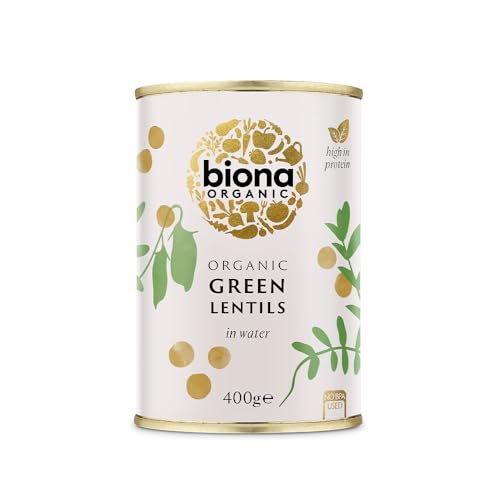
Their ability to absorb seasonings and spices makes them a great choice for adding depth and richness to your dishes in a short amount of time.
Time-Saving Tips for Meal Prep
For busy individuals or those with hectic schedules, having a stash of pre-cooked lentils in the fridge can be a game-changer.
You can cook a batch of lentils ahead of time and store them in the refrigerator for quick and easy meal prep throughout the week.
This not only saves you time during busy evenings but also ensures that you have a nutritious and satisfying component ready to go for your meals.
Convenience of Canned Chickpeas
While dried chickpeas require soaking and an extended cooking time, canned chickpeas offer a convenient alternative for when you need a quick solution.
Having a few cans of chickpeas in your pantry can come in handy for spontaneous cooking sessions or when you’re short on time.
They are precooked and ready to use, allowing you to add them to salads, soups, or curries without the need for any preparation.
Balancing Convenience and Nutritional Value
When choosing between lentils and chickpeas based on cooking time, it’s essential to consider both convenience and nutritional value.
While lentils offer quick cooking times and versatility in dishes, chickpeas provide a convenient option when time is of the essence.
By incorporating both options into your meal planning, you can strike a balance between convenience and nutritional benefits, ensuring that your meals are not only quick but also nourishing.
Preparation Techniques
Both lentils and chickpeas offer diverse preparation methods that cater to different culinary preferences.
Lentils can be cooked on the stovetop, in a pressure cooker, or even in a slow cooker, allowing for flexibility in meal planning and cooking styles.
Chickpeas, whether canned or dried, can be roasted for a crispy snack, blended into dips like hummus, or simmered in savory dishes for added texture and flavor.
Cooking Lentils
When cooking lentils on the stovetop, it’s important to rinse them thoroughly and soak them for a few hours to reduce cooking time.
You can flavor lentils with aromatics like garlic, onions, and herbs to enhance their natural taste.
Lentils are a versatile ingredient that can be paired with various vegetables, grains, and proteins to create hearty and nutritious dishes.
Pressure Cooking Lentils
Using a pressure cooker to prepare lentils can significantly reduce cooking time while retaining their nutrients.
Pressure cooking is an efficient way to soften lentils quickly, making them ideal for busy individuals or those who want a quicker meal preparation process.
Slow Cooking Lentils
Preparing lentils in a slow cooker allows for a hands-off approach, as you can simply combine all the ingredients and let them simmer for hours until the lentils are tender and flavorful.
Slow cooking enhances the depth of flavors and textures in lentil-based dishes, making them comforting and satisfying meals, especially during colder months.
Chickpea Snacks
Roasting chickpeas in the oven with seasonings like cumin, paprika, or garlic powder creates a delicious crispy snack that’s perfect for munching on the go or as a healthy alternative to chips.
You can experiment with different flavor combinations to customize your roasted chickpeas to suit your taste preferences.
Chickpea Dips
Chickpeas are the perfect base for creamy dips like hummus.
By blending chickpeas with tahini, lemon juice, garlic, and olive oil, you can create a versatile dip that pairs well with fresh vegetables, pita bread, or as a spread on sandwiches and wraps.
Chickpea dips are not only delicious but also packed with protein and fiber, making them a nutritious snack option.
Simmering Chickpeas in Savory Dishes
Incorporating chickpeas into savory dishes like curries, stews, and salads adds a hearty texture and nutty flavor to the meal.
Chickpeas can be simmered in a rich tomato-based sauce, coconut milk, or broth to absorb the flavors and create a satisfying dish that can be enjoyed on its own or served over rice or quinoa.
By combining chickpeas with spices, vegetables, and other ingredients, you can create a variety of flavorful and fulfilling meals that cater to different tastes and preferences.
Incorporating Lentils and Chickpeas into Everyday Meals
Health Benefits of Lentils and Chickpeas
Lentils and chickpeas are not only versatile and flavorful additions to meals, but they also offer a wide range of health benefits.
High in protein, fiber, and various vitamins and minerals, including iron and folate, these legumes can help support overall health and well-being.
Incorporating lentils and chickpeas into your daily meals can aid in weight management, improve digestion, and regulate blood sugar levels.
Their high fiber content promotes satiety, making them a great option for those looking to maintain a healthy weight or even lose some pounds.
Additionally, the iron found in lentils and chickpeas is essential for producing red blood cells and preventing fatigue.
Flavorful Pairings and Combinations
When incorporating lentils and chickpeas into everyday meals, consider experimenting with different flavor profiles and culinary pairings.
Lentils can add a rich, earthy taste to soups, stews, and salads, while chickpeas offer a creamy texture and nutty flavor that complements a variety of dishes.
Try combining lentils with aromatic spices like cumin, turmeric, and coriander for a flavorful twist, or roast chickpeas with olive oil and herbs for a crunchy snack.
Incorporating these legumes into dishes with complementary ingredients such as tomatoes, onions, garlic, and fresh herbs can enhance their taste and elevate the overall dining experience.
Meal Planning
To maximize the benefits of lentils and chickpeas in your diet, consider incorporating them into your meal planning routine.
By preparing larger batches of lentils or chickpeas in advance, you can streamline your cooking process and have these versatile legumes ready to go for a variety of recipes throughout the week.
From salads to soups to main dishes, the possibilities are endless when lentils and chickpeas are at the heart of your meal planning strategy.
Benefits of Batch Cooking
Batch cooking lentils and chickpeas not only saves time but also enhances the nutritional value of your meals.
When you cook these legumes in bulk, you have the option to freeze them for later use, ensuring that you always have a nutritious ingredient on hand.
Additionally, by preparing larger quantities, you can experiment with different seasonings and flavor profiles, making your meals more exciting and varied throughout the week.
Meal Prep Tips
When preparing lentils and chickpeas in advance, ensure that you properly store them to maintain freshness and quality.
Consider storing them in airtight containers in the refrigerator for up to 4-5 days or in the freezer for longer-term storage.
Labeling and dating your containers can help you keep track of when they were prepared, ensuring that you use them before they lose their optimal taste and texture.
Recipe Ideas
1.
Lentil and Chickpea Salad: Combine cooked lentils and chickpeas with fresh veggies, herbs, and a zesty vinaigrette for a refreshing and satisfying salad option.
2.
Chickpea Curry: Utilize pre-cooked chickpeas to whip up a flavorful and aromatic chickpea curry, perfect for a quick and delicious weeknight meal.
3.
Lentil Soup: Batch-cooked lentils are ideal for preparing a hearty and nutritious lentil soup.
Simply add some broth, vegetables, and spices for a comforting dish that’s easy to reheat for lunch or dinner.
4.
Chickpea Wraps: Stuff your favorite wraps or pitas with seasoned chickpeas, crunchy veggies, and a dollop of creamy sauce for a simple yet satisfying meal on the go.
By incorporating these meal prep tips and recipe ideas into your routine, you’ll find that integrating lentils and chickpeas into your meal planning not only saves time but also opens up a world of culinary possibilities for delicious and wholesome dishes.
Recipe Adaptations
Experimenting with different flavor combinations and cooking techniques can take your lentil and chickpea dishes to the next level.
Try incorporating spices like cumin, coriander, and turmeric into lentil soups or curries for a fragrant twist, or add fresh herbs like parsley or mint to chickpea salads for a burst of freshness.
Don’t be afraid to get creative in the kitchen and tailor recipes to suit your taste preferences and dietary needs.
Enhancing Flavor Profiles with Spices and Herbs
Spices and herbs play a crucial role in elevating the taste profile of lentil and chickpea dishes.
For lentil-based soups, consider using ground cumin for a warm, earthy flavor, coriander for a citrusy note, and turmeric for its vibrant color and subtle bitterness.
These spices not only enhance the taste but also provide a complexity that makes the dish more interesting.
Similarly, fresh herbs like parsley or mint can add a pop of brightness to chickpea salads, cutting through the richness of the legumes and providing a refreshing contrast.
Exploring Fusion Flavors
To take your lentil and chickpea recipes to the next level, consider experimenting with fusion flavors from different cuisines.
For instance, you could infuse your lentil curry with Middle Eastern influences by adding za’atar or sumac, giving it a unique and exotic twist.
Combining chickpeas with Mediterranean flavors like lemon, garlic, and olive oil can result in a vibrant salad that is both satisfying and refreshing.
Don’t be afraid to blend diverse culinary traditions to create innovative and delicious dishes.
Incorporating Textural Contrasts
In addition to flavors, consider incorporating textural contrasts to enhance the overall eating experience.
For example, adding toasted nuts or seeds as a garnish to your lentil dish can provide a crunchy element that complements the creamy consistency of the legumes.
Crispy roasted chickpeas can add a delightful crunch to salads or soups, transforming a simple dish into a texturally dynamic creation.
Experimenting with different textures can stimulate the palate and make your lentil and chickpea recipes more enjoyable.
Catering to Dietary Needs
When adapting recipes, it’s essential to consider any dietary restrictions or preferences.
For those following a vegan or vegetarian diet, lentils and chickpeas are excellent sources of plant-based protein and can easily be incorporated into a variety of dishes.
To boost the protein content even further, consider adding tofu, tempeh, or quinoa to your recipes.
Additionally, if you have gluten sensitivities, lentils and chickpeas are naturally gluten-free alternatives that can be used as the base for delicious and wholesome meals.
Adjusting recipes to accommodate dietary needs ensures that everyone can enjoy the flavors and benefits of these legumes.
Exploring Global Cuisine with Lentils and Chickpeas
Health Benefits of Lentils and Chickpeas
Lentils and chickpeas are not only delicious but also packed with numerous health benefits.
Both are excellent sources of plant-based protein, making them perfect alternatives for those following a vegetarian or vegan diet.
Additionally, lentils and chickpeas are rich in fiber, promoting gut health and aiding digestion.
They also contain essential vitamins and minerals such as iron, folate, and potassium, which are crucial for overall well-being.
Moreover, these legumes are low in fat and cholesterol, making them heart-friendly options that can help maintain healthy cholesterol levels.
The combination of protein, fiber, and nutrients in lentils and chickpeas also helps in managing blood sugar levels, making them ideal choices for individuals with diabetes or those looking to regulate their blood glucose levels.
Versatility in Global Cuisine
One of the reasons lentils and chickpeas are so popular worldwide is their incredible versatility in various cuisines.
In Indian cuisine, lentils are commonly used in dishes like dal tadka, a flavorful lentil stew, or masoor ki daal, a spiced red lentil curry.
Chickpeas are a staple in Middle Eastern cuisine, where they are used to make dishes like hummus, falafel, and chickpea salads.
In Mediterranean cuisine, chickpeas are featured in dishes like Spanish chickpea stew, Greek chickpea salad, and Italian pasta e ceci (pasta with chickpeas).
These legumes are also widely used in Mexican cuisine, where lentils are added to soups and stews, and chickpeas are included in dishes like chana masala.
The adaptability of lentils and chickpeas allows them to be incorporated into a wide range of dishes, from soups and stews to salads, curries, and even desserts.
This versatility makes them indispensable ingredients in global culinary traditions, showcasing their ability to bring unique flavors and textures to diverse dishes around the world.
International Influence
Lentils and chickpeas are staple ingredients in many global cuisines, offering a window into diverse culinary traditions and flavor profiles.
From Indian dal to Middle Eastern falafel, these legumes play a central role in creating iconic dishes that have stood the test of time.
By exploring recipes from around the world, you can expand
Importance of Lentils and Chickpeas in Global Cuisines
Lentils and chickpeas are not just valued for their versatility and nutritional benefits, but also for their ability to adapt to various cooking techniques and flavor profiles.
In Indian cuisine, lentils are used in popular dishes like dal (lentil stew) and sambar (lentil-based vegetable stew), which are often seasoned with aromatic spices such as cumin, turmeric, and garam masala.
These hearty lentil dishes are enjoyed with rice or bread and are a staple in many households across India.
Global Culinary Traditions
In the Middle East, chickpeas take center stage in dishes like falafel – a deep-fried ball or patty made from ground chickpeas and spices.
Falafel is commonly served in pita bread with tahini sauce, pickles, and fresh vegetables, making it a beloved street food and a go-to option for vegetarians and vegans.
The Mediterranean region also boasts popular chickpea-based dishes such as hummus (a creamy dip made from chickpeas, tahini, lemon, and garlic) and chickpea stew, demonstrating the widespread use of this legume in the region’s culinary repertoire.
Flavor Profiles and Culinary Innovation
Across continents, lentils and chickpeas have inspired chefs to experiment with new flavor combinations and cooking techniques.
In Ethiopian cuisine, for example, lentils are used in a spicy stew called misir wot, which incorporates berbere spice blend for a fiery kick.
On the other hand, in Mexican cuisine, chickpeas are transformed into a comforting soup known as sopa de garbanzos, flavored with tomatoes, onion, cilantro, and smoky chipotle peppers, showcasing the adaptability of this legume in diverse culinary contexts.
Bridging Cultures Through Food
By exploring recipes featuring lentils and chickpeas from various regions, individuals can not only savor different flavors but also appreciate how these humble legumes have the power to bridge cultures and foster culinary connections.
Whether enjoying a steaming bowl of lentil curry in India or relishing a plate of crispy falafel in the Middle East, these global dishes offer a taste of tradition and a glimpse into the rich tapestry of world cuisines.