Nikon Z6 II vs Fujifilm X-T4: Which mirrorless camera is better for hybrid shooters?
In the ever-evolving world of photography, the debate around mirrorless cameras continues to gain momentum.
Two heavyweights in the mirrorless camera arena, the Nikon Z6 II and the Fujifilm X-T4, stand out as top contenders for hybrid shooters looking to excel in both photography and videography.
As these two cameras cater to the needs of diverse creatives, it becomes imperative to delve deeper into their features, functionalities, and overall performance to determine which one emerges as the ultimate choice for hybrid shooting enthusiasts.
Nikon Z6 II Features:
The Nikon Z6 II boasts a 24.5MP full-frame sensor that delivers stunning image quality with impressive dynamic range and excellent low-light performance.
This camera offers a wide ISO range of 100-51,200, expandable to ISO 50-204,800, making it versatile for different lighting conditions.
The Z6 II features in-body image stabilization (IBIS) which is beneficial for handheld shooting, reducing camera shake and producing sharper images.
Fujifilm X-T4 Features:
On the other hand, the Fujifilm X-T4 sports a 26.1MP APS-C sensor that provides excellent image quality with Fujifilm’s signature film simulations.
This camera incorporates a 5-axis in-body image stabilization system that compensates for camera shake up to 6.5 stops, enabling smoother footage and sharper images.
The X-T4’s articulating touchscreen LCD makes it easy to compose shots from various angles, especially useful for vlogging or capturing content in challenging shooting positions.
Video Capabilities:
Both cameras offer impressive video capabilities suitable for hybrid shooters.
The Nikon Z6 II records 4K UHD video at up to 60p with full pixel readout and no crop, ensuring high-quality footage suitable for professional videography.
Recommended to our readers: Click here
It also supports N-Log and HLG HDR for capturing a wide dynamic range.
In comparison, the Fujifilm X-T4 can shoot 4K video at up to 60p, also with no crop, and provides a variety of film simulations and F-Log for color grading flexibility.
Autofocus Performance:
In terms of autofocus performance, the Nikon Z6 II utilizes a hybrid AF system with 273 phase-detection points covering approximately 90% of the frame, offering fast and accurate focusing, especially in low light.
The Fujifilm X-T4 features a sophisticated AF system with 425 phase-detection points that cover nearly the entire sensor area, ensuring precise subject tracking and eye detection for both photo and video shooting scenarios.
Ergonomics and Usability:
When it comes to ergonomics, the Nikon Z6 II features a robust weather-sealed magnesium alloy body with a comfortable grip, intuitive button layout, and a high-resolution electronic viewfinder (EVF) for easy framing.
The Fujifilm X-T4 sports a classic design with analog dials for quick settings adjustments, a tilting touchscreen, and a substantial grip for comfortable handling during
Introduction
In today’s digital age, the demand for mirrorless cameras is surging due to their compact size, advanced technology, and versatile capabilities.
The Nikon Z6 II and Fujifilm X-T4 represent the pinnacle of innovation in the mirrorless camera market, offering a plethora of features tailored to cater to the needs of hybrid shooters who seek excellence in both still photography and videography.
While Nikon is renowned for its exceptional image quality and robust build, Fujifilm is celebrated for its unique film simulations and retro design.
This article aims to dissect the strengths and weaknesses of the Nikon Z6 II and Fujifilm X-T4 to help hybrid shooters make an informed decision based on their specific requirements and preferences.
The Rise of Mirrorless Cameras
Recommended to our readers: Click here
Mirrorless cameras have revolutionized the photography industry by offering a blend of portability and high performance that traditional DSLRs struggle to match.
With the elimination of the bulky mirror mechanism, mirrorless cameras like the Nikon Z6 II and Fujifilm X-T4 are able to pack advanced features into compact bodies, making them a popular choice for photographers on the go.
This shift towards mirrorless technology has been driven by photographers seeking a balanced tool that excels in both photography and videography, leading to the rise in demand for cameras like the Nikon Z6 II and Fujifilm X-T4.
Nikon Z6 II: The Powerhouse of Precision
The Nikon Z6 II is designed to meet the demanding requirements of hybrid shooters who value image quality and reliability.
Boasting a 24.5-megapixel full-frame sensor, the Z6 II captures stunning detail and color accuracy in both photos and videos.
With its 273-point hybrid AF system, the camera ensures fast and accurate focus tracking, ideal for capturing moving subjects or maintaining sharpness in low-light conditions.
Nikon’s renowned image processing algorithms deliver high dynamic range and low noise performance, making the Z6 II a top choice for professional photographers and videographers alike.
Fujifilm X-T4: Embracing Creativity Through Design
The Fujifilm X-T4 stands out for its commitment to creativity and user experience.
Featuring Fujifilm’s signature film simulations, such as Classic Chrome and Acros, the X-T4 allows photographers to emulate the distinctive look of classic film stocks with a simple dial twist.
Beyond its imaging capabilities, the X-T4’s retro-inspired design resonates with photographers who appreciate a blend of nostalgia and modern functionality.
The camera’s intuitive controls and tactile dials make adjusting settings a tactile and enjoyable experience, enhancing the connection between the photographer and their craft.
Choosing the Right Fit: Matching Camera Features to Shooting Styles
When deciding between the Nikon Z6 II and Fujifilm X-T4, it’s crucial to align the camera’s features with your specific shooting style and preferences.
If you prioritize technical precision and robust performance, the Nikon Z6 II may be the ideal choice.
However, if you value creativity, unique aesthetics, and an engaging shooting experience, the Fujifilm X-T4 could be the perfect match for your needs.
Ultimately, understanding your priorities as a hybrid shooter will guide you towards selecting the camera that best complements
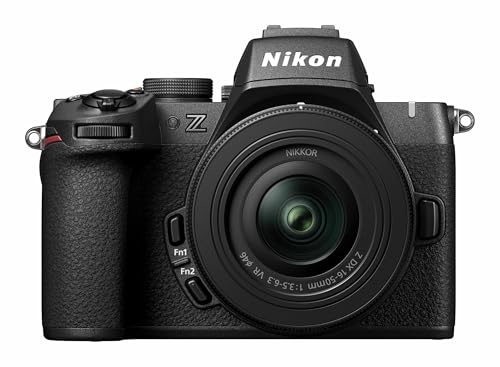
Performance and Image Quality

When it comes to performance and image quality, both the Nikon Z6 II and Fujifilm X-T4 shine in their own right.
The Nikon Z6 II boasts a 24.5-megapixel full-frame sensor coupled with dual EXPEED 6 image processors, delivering exceptional image clarity and low-light performance.
On the other hand, the Fujifilm X-T4 features a 26.1-megapixel APS-C sensor with the X-Processor 4, known for producing vibrant colors and impressive dynamic range.
Whether shooting portraits, landscapes, or action sequences, both cameras excel in capturing stunning images with remarkable detail and color accuracy.
Performance Specifications:
The Nikon Z6 II’s dual EXPEED 6 image processors contribute to its impressive performance, allowing for quick and responsive handling of image processing tasks.
This translates to faster continuous shooting speeds, reduced lag time in between shots, and seamless performance when shooting in challenging lighting conditions.
The camera’s autofocus system is also noteworthy, featuring 273 phase-detection points that cover approximately 90% of the frame, ensuring accurate subject tracking even in fast-paced shooting scenarios.
In comparison, the Fujifilm X-T4’s X-Processor 4 is lauded for its ability to handle complex image processing tasks efficiently, resulting in swift camera operation and minimal processing delays.
The camera’s autofocus system is equally impressive, boasting 425 phase-detection points across the sensor for precise and reliable subject tracking.
Recommended to our readers: Click here
Additionally, the X-T4’s in-body image stabilization system helps in achieving sharper images, especially when shooting handheld or in low-light conditions.
Image Quality Performance:
When it comes to image quality, the Nikon Z6 II’s 24.5-megapixel full-frame sensor delivers exceptional detail and sharpness in images.
The camera’s low-light performance is particularly impressive, thanks to its wide dynamic range and excellent noise control even at higher ISO settings.
Photographers can confidently capture images with rich colors, natural skin tones, and minimal distortion, making the Z6 II well-suited for various shooting scenarios.
On the other hand, the Fujifilm X-T4’s 26.1-megapixel APS-C sensor is known for its ability to produce vibrant and true-to-life colors, characteristic of Fujifilm’s renowned film simulations.
The camera’s sensor, combined with the X-Processor 4, ensures that images exhibit excellent dynamic range, allowing for detailed highlights and shadows in high-contrast scenes.
Additionally, the X-T4’s color science is highly praised for its ability to reproduce subtle nuances and textures accurately, making it popular among photographers who value color accuracy in their work.
Autofocus System and Video Capabilities

One of the critical factors for hybrid shooters is the autofocus system and video capabilities of a camera.
The Nikon Z6 II comes equipped with a 273-point hybrid AF system, providing swift and accurate autofocus performance for both stills and videos.
Additionally, it offers 4K video recording at up to 60fps, catering to videographers who demand high-quality footage.
Conversely, the Fujifilm X-T4 boasts an advanced 425-point hybrid AF system and can shoot 4K video at up to 60fps with no crop, making it an ideal choice for content creators looking to produce professional-grade videos with ease.
Autofocus Performance in Different Shooting Scenarios
The autofocus performance of a camera is crucial for capturing sharp and well-focused images and videos in various shooting scenarios.
The Nikon Z6 II’s 273-point hybrid AF system excels in both stills and video recording, ensuring quick and precise focusing even in challenging lighting conditions or fast-moving subjects.
This makes it ideal for hybrid shooters who need reliable autofocus performance across different shooting situations.

On the other hand, the Fujifilm X-T4’s advanced 425-point hybrid AF system offers enhanced speed and accuracy, allowing users to effortlessly track subjects during video recording or capture fleeting moments in still photography.
This robust AF system makes the X-T4 a versatile tool for content creators, enabling them to achieve sharp focus in a wide range of shooting scenarios.
Video Quality and Flexibility
In the realm of video recording, both the Nikon Z6 II and Fujifilm X-T4 excel in delivering high-quality footage with their 4K video recording capabilities at up to 60fps.
The Z6 II provides videographers with the flexibility to shoot cinematic videos with smooth motion and crisp details, making it a reliable choice for professionals seeking top-notch video performance.
Similarly, the Fujifilm X-T4’s 4K video recording at up to 60fps without crop ensures that content creators can produce professional-grade videos with exceptional clarity and color accuracy.
This feature is particularly valuable for videographers who require seamless transitions and high-quality output for their projects.
Overall, the autofocus system and video capabilities of the Nikon Z6 II and Fujifilm X-T4 cater to the needs of hybrid shooters and content creators who prioritize swift and accurate focusing, along with high-quality video recording for their multimedia projects.
Ergonomics and Handling
Importance of Ergonomics in Handling Equipment
Having an ergonomic approach to handling equipment is crucial for promoting safety and efficiency in the workplace.
Ergonomics refers to designing equipment and processes to fit the capabilities and limitations of workers, ensuring their well-being and productivity.
By prioritizing ergonomics, companies can reduce the risk of work-related injuries, such as musculoskeletal disorders, which are commonly associated with improper handling techniques.
Design Features to Enhance Ergonomics
Manufacturers are incorporating various design features in handling equipment to enhance ergonomics.
For example, adjustable handles and controls allow workers to customize the equipment to their comfort level, reducing strain on their bodies during operation.
Ergonomically designed grips and padding also help minimize vibration and impact while providing a secure hold for improved control and reduced hand fatigue.
Training and Education on Proper Handling Techniques
In addition to ergonomic equipment design, providing training and education on proper handling techniques is essential.
Employees should be educated on the correct posture, lifting techniques, and overall body mechanics to prevent injuries and maximize efficiency.
Regular training sessions and refresher courses can reinforce these practices and instill a culture of safety and ergonomics in the workplace.
Case Study: Implementation of Ergonomic Handling Practices
One notable case study illustrating the benefits of ergonomic handling practices is a manufacturing plant that invested in ergonomic lifting aids for their workers.
By introducing devices such as lift assists and conveyors, the plant significantly reduced the incidence of back injuries and strain among their employees.
This led to improved productivity, reduced absenteeism, and overall greater job satisfaction among the workforce.
Recommended to our readers: Click here
Emerging Technologies in Ergonomic Handling
With advancements in technology, new tools and systems are being developed to further enhance ergonomic handling practices.
For example, wearable exoskeletons can provide support to workers during lifting and repetitive tasks, reducing strain on their bodies.
Automated handling systems with sensor technology can also improve efficiency and safety by minimizing manual handling requirements and streamlining processes.
One of the often-overlooked aspects of a camera is its ergonomics and handling, which play a significant role in the overall shooting experience. The Nikon Z6 II features a robust weather-sealed magnesium alloy body with a comfortable grip, allowing users to shoot for extended periods without fatigue. In comparison, the Fujifilm X-T4 boasts a compact and lightweight design inspired by classic film cameras, making it a favorite among street photographers and travel enthusiasts. Both cameras offer customizable buttons and intuitive menu systems, enhancing user experience and workflow efficiency.
Ergonomics and Handling: A Key Factor in Camera Design
Recommended to our readers: Click here
Ergonomics and handling are pivotal aspects of a camera’s design that can greatly influence the shooting experience for photographers of all levels.
A well-thought-out ergonomic design not only ensures comfort during extended shooting sessions but also contributes to better handling and control over the device.
When we talk about the Nikon Z6 II, one of its standout features is its robust weather-sealed magnesium alloy body.
This durable construction not only provides protection against environmental elements but also gives the camera a premium feel.
The comfortable grip of the Z6 II further adds to its user-friendly design, allowing photographers to hold the camera securely and steadily even in challenging shooting conditions.
In contrast, the Fujifilm X-T4 takes a different approach with its compact and lightweight design, drawing inspiration from classic film cameras.
This form factor makes the X-T4 a popular choice among street photographers and travel enthusiasts who value portability without compromising on performance.
The retro styling of the X-T4 adds a touch of nostalgia while offering modern features and functionalities.
Customization and User-Friendly Features
Both the Nikon Z6 II and Fujifilm X-T4 excel in providing customization options and user-friendly features that enhance the overall shooting experience.
Customizable buttons on these cameras allow photographers to tailor the controls to their preferences, making it easier to access frequently used functions quickly.
Moreover, the intuitive menu systems of the Z6 II and X-T4 streamline the user interface, enabling photographers to navigate settings and options with ease.
Whether you are a seasoned professional or a novice enthusiast, these cameras offer a user-friendly layout that promotes efficiency and creativity during shooting sessions.
In conclusion, while the Nikon Z6 II and Fujifilm X-T4 cater to different preferences in terms of design and handling, both cameras prioritize ergonomics and user experience to deliver seamless performance for photographers across various genres.
Battery Life and Connectivity
Battery life and connectivity are crucial considerations for hybrid shooters who require a camera that can keep up with their demanding shooting schedules.
The Nikon Z6 II is powered by an EN-EL15c battery that offers an impressive CIPA-rated 420 shots per charge.
In contrast, the Fujifilm X-T4 utilizes a NP-W235 battery that delivers approximately 500 shots per charge, allowing photographers and videographers to stay productive for more extended periods.
Furthermore, both cameras feature built-in Wi-Fi and Bluetooth connectivity for seamless file transfer and remote shooting capabilities.
Battery Performance Comparison
Although the Nikon Z6 II and Fujifilm X-T4 both offer respectable battery life, it’s essential to note the differences in their actual performance in real-world shooting scenarios.
The EN-EL15c battery in the Z6 II may offer 420 shots per charge according to CIPA standards, but factors like shooting conditions, the use of video recording, and image playback can significantly affect how long the battery lasts in practical use.
On the other hand, the NP-W235 battery in the X-T4 is known for its efficiency in delivering approximately 500 shots per charge.
This discrepancy in battery performance becomes more apparent when considering intensive shooting sessions or shooting in extreme weather conditions where battery drain might be accelerated.
Charging Options and Accessories
Another aspect to consider in terms of battery life is the availability of charging options and accessories for each camera model.
The Nikon Z6 II can be charged via USB-C, which offers convenient charging on the go using power banks or laptop chargers.
Additionally, Nikon provides optional battery grips for the Z6 II, allowing users to extend shooting time by accommodating extra batteries.
Fujifilm, on the other hand, offers dual battery chargers for the X-T4, enabling users to charge multiple batteries simultaneously for continuous shooting without interruptions.
Connectivity Features for Enhanced Workflow
In addition to battery performance, the connectivity features of the cameras play a significant role in ensuring a seamless workflow for hybrid shooters.
Both the Nikon Z6 II and Fujifilm X-T4 come equipped with built-in Wi-Fi and Bluetooth capabilities, enabling users to transfer images and videos wirelessly to their smart devices for immediate editing or sharing.
The remote shooting functionality provided by these cameras’ connectivity options allows photographers to control camera settings and trigger the shutter remotely, making them ideal choices for self-portraits, group shots, or shooting in challenging locations.
Battery Management Tips and Best Practices

To optimize battery life and ensure extended shooting sessions, photographers can adopt certain battery management tips and best practices.
Techniques such as disabling unnecessary camera features, using power-saving modes when not in active shooting, and carrying spare batteries can help mitigate the risk of running out of power during critical moments.
Additionally, investing in external power banks or battery grips can provide backup power solutions for photographers who frequently engage in long shoots or travel to remote locations where charging facilities may be limited.
Pros and Cons
| Camera | Pros | Cons |
|---|---|---|
| Nikon Z6 II | Excellent low-light performance Robust build quality Impressive image quality |
Limited lens selection Single card slot |
| Fujifilm X-T4 | Outstanding color reproduction Advanced video features Compact and lightweight design |
Smaller sensor size compared to full-frame Less battery life than competitors |
Nikon Z6 II:
The Nikon Z6 II is a popular choice among photographers for its excellent low-light performance, making it a reliable option for capturing stunning images even in challenging lighting conditions.
Its robust build quality ensures durability and longevity, making it suitable for regular use in various environments without worrying about wear and tear.
Additionally, the Nikon Z6 II’s impressive image quality produces sharp and vibrant photos that meet professional standards.
In terms of drawbacks, one notable limitation of the Nikon Z6 II is its limited lens selection compared to other camera models in the same category.
While Nikon continues to expand its Z-mount lens lineup, photographers may find themselves restricted in choosing specialized or niche lenses for specific shooting requirements.
Another downside of the Nikon Z6 II is the presence of a single card slot, which can be a concern for photographers who require backup storage or shooting redundancy in case of card failure.
Fujifilm X-T4:
The Fujifilm X-T4 stands out for its outstanding color reproduction, a hallmark of Fujifilm’s renowned film simulations that mimic traditional film colors.
This feature gives photographers the ability to achieve visually appealing and accurate color tones straight out of the camera, reducing the need for extensive post-processing.
The X-T4 also excels in offering advanced video features, making it a versatile tool for content creators looking to capture high-quality videos with professional-grade controls.
Despite its strengths, the Fujifilm X-T4’s smaller sensor size compared to full-frame cameras may result in slightly lower image quality, especially in terms of dynamic range and low-light performance.
While Fujifilm’s APS-C sensors are capable of delivering impressive results, they may not match the image quality of larger full-frame sensors in certain shooting conditions.
Additionally, the X-T4’s battery life is decent but falls short compared to some of its competitors, requiring users to carry spare batteries for extended shooting sessions.
Conclusion
In conclusion, the Nikon Z6 II and Fujifilm X-T4 cater to the diverse needs of hybrid shooters with their unique strengths and capabilities.
While the Nikon Z6 II excels in image quality and low-light performance, the Fujifilm X-T4 stands out for its color reproduction and advanced video features.
Ultimately, the choice between these two cameras boils down to individual preferences and shooting requirements.
Whether you prioritize full-frame image quality or compact design and film simulations, both the Nikon Z6 II and Fujifilm X-T4 are excellent choices for hybrid shooters looking to elevate their photography and videography skills to new heights.
Performance Comparison
When it comes to performance, the Nikon Z6 II and Fujifilm X-T4 offer distinct advantages based on the shooting scenarios.
The Nikon Z6 II boasts a powerful full-frame sensor that delivers exceptional image quality, especially in challenging lighting conditions.
Its 24.5-megapixel BSI CMOS sensor combined with the Expeed 6 image-processing engine ensures sharp and detailed images with excellent dynamic range.
On the other hand, the Fujifilm X-T4 features Fujifilm’s renowned color science, which produces beautifully rendered colors straight out of the camera.
With its 26.1-megapixel X-Trans CMOS 4 sensor and X-Processor 4, the X-T4 excels in reproducing vibrant hues and subtle tonal variations.
Recommended to our readers: Click here
This makes it an ideal choice for photographers who prioritize accurate and pleasing color rendition in their work.
Videography Capabilities
In the realm of videography, both cameras offer impressive features but cater to different needs.
The Nikon Z6 II shines with its ability to record 4K videos at up to 60p with full pixel readout and N-Log gamma support, making it well-suited for professional videographers seeking high-quality footage.
Additionally, the Z6 II’s in-body image stabilization (IBIS) ensures smooth and steady handheld shots, enhancing its versatility for video recording.
Conversely, the Fujifilm X-T4 is a favorite among content creators for its extensive video capabilities and filmmaker-friendly features.
It can shoot 4K videos at up to 60p with no crop, and its Film Simulation modes offer a distinct cinematic look straight out of the camera.
Furthermore, the X-T4’s articulating touchscreen and Eterna Bleach Bypass simulation cater to filmmakers looking to achieve a specific visual style without extensive post-processing.
Ergonomics and Handling
In terms of ergonomics and handling, the Nikon Z6 II and Fujifilm X-T4 cater to different preferences.
The Nikon Z6 II features a robust weather-sealed magnesium alloy body that offers a comfortable grip and intuitive button layout, making it suitable for photographers who prefer a traditional DSLR-like design.
Its deep ergonomic grip ensures a secure hold, especially when using longer lenses.
On the other hand, the Fujifilm X-T4 boasts a compact and lightweight body with a classic rangefinder-style design, making it a preferred choice for photographers who value portability and aesthetics.