Kimchi vs Sauerkraut: Exploring the Fermented Delicacies
In a world where healthy eating has become a top priority for many, fermented foods have taken the spotlight for their numerous health benefits.
Among these fermented delights, kimchi and sauerkraut stand out as popular choices.
But what sets these two apart?
Let’s delve into the world of tangy, probiotic-rich delights and unravel the unique characteristics of kimchi and sauerkraut.
Health Benefits of Fermented Foods
Fermented foods have gained popularity due to their potential health benefits, which include improved digestion, boosted immune system, and better nutrient absorption.
The fermentation process breaks down food components, making them easier for the body to digest.
Additionally, the beneficial bacteria produced during fermentation promote a healthy gut microbiome, which is linked to overall well-being.
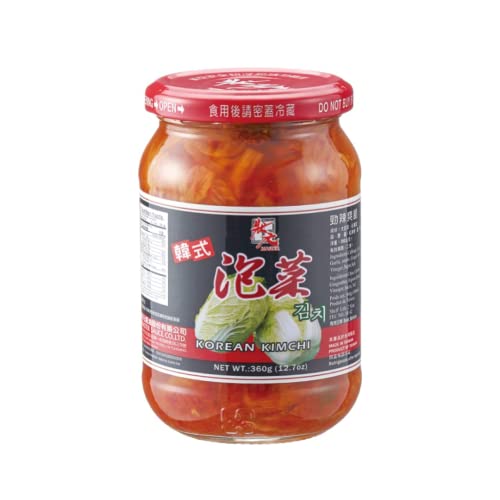
Kimchi and sauerkraut are both examples of probiotic-rich foods, meaning they are teeming with good bacteria that support gut health and may help in combating inflammation and other health issues.
Recommended to our readers: Click here
Cultural Significance
Kimchi and sauerkraut are not only cherished for their health benefits but also for their cultural significance.
Kimchi is a staple in Korean cuisine, deeply rooted in Korean tradition and history.
It is often enjoyed alongside meals and plays a symbolic role in Korean culture, being present in various ceremonies and events.
On the other hand, sauerkraut has strong ties to European cuisines, particularly German and Eastern European dishes.
It has been a traditional part of meals in these regions for centuries and is commonly associated with hearty, comforting foods like sausages and stews.
The cultural significance of these fermented delicacies adds an extra layer of appreciation for their unique flavors and textures.
Flavor Profiles and Ingredient Differences
One key distinction between kimchi and sauerkraut lies in their flavor profiles and ingredients.
Kimchi typically boasts a spicy, tangy flavor profile due to the inclusion of ingredients like Korean chili pepper flakes, garlic, ginger, and often fish sauce or shrimp paste.
This results in a complex and vibrant taste that pairs well with various dishes or can be enjoyed on its own.
Sauerkraut, on the other hand, is characterized by its sour, slightly tangy flavor derived from fermented cabbage.
It is usually seasoned with salt and sometimes caraway seeds, giving it a more subdued yet distinct taste.
The choice of ingredients used in kimchi and sauerkraut contributes to their unique flavor profiles, offering consumers a diverse range of taste experiences to enjoy.
Expanding on these aspects provides readers with a deeper understanding of the multifaceted nature of kimchi and sauerkraut, making their exploration of fermented delicacies all the more enriching.
The Origins and Cultural Significance
Fermented foods hold a special place in various cultures worldwide, often revered for their longevity and health-promoting properties.
Kimchi, a staple in Korean cuisine, dates back thousands of years and holds a significant place in Korean culture.
Made from fermented vegetables, typically cabbage and radish, blended with a spicy mix of garlic, ginger, and chili pepper, kimchi offers a flavorful punch.
On the other hand, sauerkraut, a traditional German dish, features fermented finely cut cabbage.
Its simplicity and versatility have made it a common accompaniment to various dishes in European cuisine.
While both kimchi and sauerkraut undergo a similar fermentation process, their distinct ingredients and flavor profiles set them apart.
Health Benefits of Fermented Foods
Fermented foods like kimchi and sauerkraut are not only prized for their rich flavors but also for their numerous health benefits.
The fermentation process enhances the bioavailability of nutrients and introduces probiotics that promote gut health.
These probiotics contribute to a healthy digestive system and may even bolster the immune system.
Additionally, fermented foods are known to aid in digestion and can improve nutrient absorption.
Kimchi: A Symbol of Korean Tradition
In South Korea, kimchi holds a cultural significance that goes beyond its culinary uses.
It is deeply ingrained in Korean tradition and often symbolizes Korean identity and resilience.
Families in Korea have been passing down their own kimchi recipes for generations, each with slight variations reflecting regional tastes and preferences.
Kimjang, the traditional practice of making kimchi in large batches during the winter season, is a communal activity that fosters a sense of togetherness and preserves cultural heritage.
Sauerkraut in European Cuisine
Sauerkraut, a staple in German cuisine, has also made its mark in various European countries.
Beyond Germany, sauerkraut is incorporated into dishes in countries like Poland, Austria, and the Czech Republic.
Its tangy flavor profile complements hearty meals like sausages and roast meats, adding a zesty contrast to rich dishes.
Moreover, sauerkraut’s long shelf life made it a valuable food source in centuries past, especially during harsh winters when fresh produce was scarce.
Its role as a staple food illustrates how fermented foods have been essential in traditional European diets.
Health Benefits and Nutritional Value
Fermented foods like kimchi and sauerkraut are known for their probiotic content, which promotes gut health and aids digestion.
The fermentation process not only enhances the flavor of these foods but also increases their nutritional value.
Kimchi, enriched with vitamins A and C from the vegetables and beneficial bacteria from the fermentation process, offers a powerhouse of nutrients.
Sauerkraut, high in fiber and vitamins C and K, provides similar gut-boosting benefits.
The lactobacillus bacteria present in both kimchi and sauerkraut are credited with boosting the immune system and improving overall gut health.
Incorporating these fermented foods into your diet can have a positive impact on your well-being.
How Fermented Foods Support Gut Health
Fermented foods play a crucial role in supporting gut health by introducing beneficial bacteria, known as probiotics, into the digestive system.
These probiotics help in maintaining a healthy balance of gut flora, which is essential for proper digestion and overall well-being.
The live cultures present in kimchi and sauerkraut can aid in the breakdown of food, improve nutrient absorption, and prevent gastrointestinal issues like bloating and constipation.
By nourishing the gut microbiome, fermented foods contribute to a stronger immune system and better overall health.
Enhanced Nutritional Content through Fermentation
The fermentation process not only adds complexity to the flavors of foods like kimchi and sauerkraut but also enhances their nutritional profiles.
Beyond vitamins A and C found in vegetables, the fermentation of these foods increases the bioavailability of nutrients, making them easier for the body to absorb.
In addition, the fermentation process may lead to the formation of new beneficial compounds, such as antioxidants and bioactive peptides, which offer further health benefits.
By consuming fermented foods regularly, individuals can supplement their diets with a wide range of essential nutrients that contribute to optimal health.
Diversity of Beneficial Bacteria
Kimchi and sauerkraut are rich sources of a variety of beneficial bacteria, particularly lactobacillus strains, that have been associated with numerous health benefits.
These probiotic strains not only support gut health but also play a role in boosting the immune system, reducing inflammation, and even enhancing mental well-being.
Recommended to our readers: Click here
Incorporating a diverse range of beneficial bacteria through fermented foods can help establish a robust and resilient microbiome, which is crucial for overall health and disease prevention.
Flavor Profiles and Culinary Versatility
One of the key distinctions between kimchi and sauerkraut lies in their flavor profiles.
Kimchi packs a spicy and tangy punch, thanks to its mix of chili peppers and garlic, while sauerkraut offers a milder, slightly sour taste.
The depth of flavors in kimchi adds a unique umami richness to dishes, making it a versatile ingredient in Korean cuisine.
Sauerkraut, with its simpler flavor profile, complements a wide range of dishes, from hot dogs to salads.
Its tangy crunch adds a refreshing element to various culinary creations.
While kimchi shines in bold, spicy dishes, sauerkraut’s subtler taste makes it a versatile addition to both traditional and contemporary recipes.
Health Benefits of Kimchi and Sauerkraut
Beyond their distinct flavor profiles, both kimchi and sauerkraut offer a range of health benefits.
Kimchi is known for its probiotic properties, which contribute to gut health and overall immunity.
Recommended to our readers: Click here
The fermentation process also increases the bioavailability of nutrients in kimchi, making it a nutritious addition to meals.
Sauerkraut, on the other hand, is rich in vitamins C and K, as well as various antioxidants that support a healthy immune system and promote good digestion.
Culinary Versatility in Fusion Cuisine
Recommended to our readers: Click here
The adaptability of kimchi and sauerkraut extends beyond their traditional uses.
Incorporating kimchi into dishes like tacos, grilled cheese sandwiches, or even pizza adds a spicy kick and complex depth of flavor.
Sauerkraut can be used in fusion recipes such as sauerkraut pierogies, sauerkraut hash, or sauerkraut-stuffed peppers, blending its tangy essence with diverse culinary traditions.
Fermentation Techniques and Flavor Evolution
Both kimchi and sauerkraut undergo a fermentation process that not only preserves the ingredients but also enhances their flavors over time.
Kimchi’s bold spiciness intensifies as it ferments, developing a more complex taste profile.
Sauerkraut’s tanginess evolves as well, becoming more pronounced and nuanced with each passing day.
Experimenting with different fermentation periods can lead to unique flavor outcomes, offering a chance to customize the taste to suit individual preferences.
Pairing Suggestions and Culinary Inspirations
Kimchi pairs exceptionally well with grilled meats, rice dishes, or as a topping for bibimbap.
Its bold flavors can also elevate soups, stews, and noodle dishes.
Sauerkraut serves as a perfect accompaniment to hearty German sausages, sandwiches, and potato dishes.
Additionally, sauerkraut can be used creatively in recipes like sauerkraut coleslaw, sauerkraut pancakes, or sauerkraut pasta dishes, showcasing its adaptability across a wide culinary spectrum.

By exploring the unique attributes, health benefits, and culinary possibilities of kimchi and sauerkraut, one can truly appreciate the versatility and enriching qualities these fermented delights bring to the table.
Fermentation Process and Culinary Practices
The process of fermenting vegetables to create kimchi and sauerkraut involves salting the vegetables to draw out their natural juices, creating a brine that kickstarts the fermentation process.
The addition of probiotic-rich bacteria cultures further transforms the vegetables, enhancing their flavor and nutritional value.
Kimchi traditionally undergoes a longer fermentation period, which results in its complex, pungent flavors.
Recommended to our readers: Click here
On the other hand, sauerkraut typically ferments for a shorter duration, retaining a crisp texture and a milder taste.
The variations in fermentation techniques contribute to the distinct characteristics of each fermented delight.
Importance of Salting in Fermentation
Salting the vegetables serves multiple purposes in the fermentation process.
Not only does it draw out the natural juices of the vegetables to create a brine, but it also helps to inhibit the growth of harmful bacteria while allowing beneficial lactic acid bacteria to thrive.
This initial step sets the stage for successful fermentation by creating the right environment for the good bacteria to proliferate.
Recommended to our readers: Click here
Role of Lactic Acid Bacteria
Lactic acid bacteria are key players in the fermentation process for both kimchi and sauerkraut.
These beneficial bacteria consume the sugars present in the vegetables and produce lactic acid as a byproduct.
The increase in acidity from the lactic acid not only preserves the vegetables by creating an inhospitable environment for pathogens but also contributes to the tangy flavor profile characteristic of fermented foods.
Flavor Development in Kimchi and Sauerkraut
The extended fermentation period of kimchi allows for a more pronounced development of flavors compared to sauerkraut.
Kimchi’s bold, tangy, and often spicy profile is a result of this longer fermentation, which gives the ingredients more time to meld and develop complexity.
On the other hand, sauerkraut’s shorter fermentation period yields a milder taste with a pleasant tanginess, making it a versatile addition to various dishes.
Nutritional Benefits of Fermented Vegetables
Beyond the flavor enhancements brought about by fermentation, both kimchi and sauerkraut boast a range of health benefits.
Fermentation increases the bioavailability of nutrients in vegetables, making them easier for the body to absorb.
Additionally, the presence of probiotics in fermented foods promotes gut health by replenishing beneficial bacteria in the digestive system.
Consuming these fermented delights can support digestion, immunity, and overall well-being.
Pros and Cons
| Features | Kimchi | Sauerkraut |
|---|---|---|
| Flavor | Spicy, tangy | Mild, slightly sour |
| Nutritional Value | High in vitamins A and C, probiotics | Rich in fiber, vitamins C and K, probiotics |
| Culinary Versatility | Pairs well with bold, spicy dishes | Complements a wide range of dishes |


Both kimchi and sauerkraut have their unique appeal, offering a tangy burst of flavors and a host of health benefits.
While kimchi entices with its spicy kick and robust flavors, sauerkraut delights with its simplicity and versatility.
Whether you prefer the fiery notes of kimchi or the subtle tang of sauerkraut, incorporating these fermented foods into your diet can elevate your culinary experience and support your well-being.
As you navigate the world of fermented delicacies, remember to savor the cultural traditions and health benefits encapsulated in each bite of kimchi and sauerkraut.
Whether you’re indulging in a spicy Korean feast or adding a dollop of sauerkraut to your favorite dish, these fermented wonders offer a delightful journey for your taste buds and your health alike.
Health Benefits

Both kimchi and sauerkraut are rich sources of probiotics, which are beneficial bacteria that promote gut health and enhance digestion.
Probiotics have been linked to improved immune function and may even have a positive impact on mental health.
The fermentation process also increases the bioavailability of nutrients in these foods, making it easier for our bodies to absorb essential vitamins and minerals.
Cultural Significance
Kimchi holds a special place in Korean culture, where it is considered a staple food that symbolizes tradition and heritage.
It is often served at every meal and is a key component in many traditional Korean recipes.
Sauerkraut, on the other hand, has deep roots in Eastern European cuisine, particularly in Germany, where it is a popular accompaniment to sausages and other hearty dishes.
Both kimchi and sauerkraut showcase the art of fermentation that has been passed down through generations, each embodying unique cultural practices and flavors.
Recipe Inspiration
While kimchi is commonly enjoyed as a side dish or condiment, it can also be incorporated into various dishes to add a punch of flavor.
Consider using kimchi in fried rice, tacos, or even as a topping for burgers.
Sauerkraut lends itself well to classic dishes like Reuben sandwiches, hot dogs, or salads.
Experimenting with different recipes allows you to explore the diverse culinary applications of these fermented delights and discover new ways to enjoy their distinct tastes.
Sustainability Aspects
Both kimchi and sauerkraut offer environmentally friendly food options due to their fermentation process, which naturally preserves the ingredients without the need for artificial additives.
Fermentation also helps reduce food waste by extending the shelf life of vegetables.
By incorporating kimchi and sauerkraut into your diet, you are not only benefiting your health but also supporting sustainable food practices that promote resource conservation.