iPhone SE (2024) vs Google Pixel 7a: Which budget smartphone is better?
In the fast-evolving world of smartphones, the choices seem endless, especially when it comes to budget-friendly options like the iPhone SE (2024) and Google Pixel 7a.
These two devices each have their strengths and weaknesses, appealing to different types of users based on their priorities.
Let’s dive deeper into the showdown between these two budget smartphones to determine which one comes out on top.
Design and Build Quality
When comparing the design and build quality of the iPhone SE (2024) and Google Pixel 7a, it’s important to note the contrasting approaches taken by the two manufacturers.
Recommended to our readers: Click here
Apple’s iPhone SE (2024) retains the classic yet timeless design reminiscent of older iPhone models, featuring a familiar glass and aluminum construction.
On the other hand, Google’s Pixel 7a showcases a more modern aesthetic with a sleek, unibody design and a distinctive rear camera module.
Display and Performance
In terms of display and performance, the iPhone SE (2024) and Google Pixel 7a offer different experiences.
The iPhone SE (2024) boasts a smaller 4.7-inch Retina HD display, ideal for users who prefer more compact smartphones.
In contrast, the Google Pixel 7a sports a larger 6.2-inch OLED display with vibrant colors and sharp details, catering to those who prioritize screen real estate for multimedia consumption.
When it comes to performance, the iPhone SE (2024) is powered by Apple’s latest A-series chip, delivering smooth and lag-free performance for everyday tasks and gaming.
On the other hand, the Google Pixel 7a features a mid-range Qualcomm Snapdragon processor that offers decent performance for multitasking but may not be as powerful as the iPhone SE (2024) in demanding applications.
Camera Capabilities
One of the key considerations for smartphone users is the camera capabilities, and both the iPhone SE (2024) and Google Pixel 7a excel in this area.
The iPhone SE (2024) features a single 12MP rear camera with advanced computational photography features, capturing detailed and vibrant photos in various lighting conditions.
In comparison, the Google Pixel 7a is renowned for its exceptional camera performance, boasting a dual-camera setup with impressive low-light capabilities and industry-leading computational photography algorithms.
Overall, the decision between the iPhone SE (2024) and Google Pixel 7a ultimately comes down to individual preferences and priorities.
While the iPhone SE (2024) offers the seamless integration of hardware and software typical of Apple devices, the Google Pixel 7a stands out for its cutting-edge camera technology and clean Android experience.
Consider your specific needs in terms of design, display, performance, and camera capabilities to determine which budget smartphone aligns best with your requirements.
Introduction: The Battle of Budget Smartphones
As technology continues to advance, the gap between premium and budget smartphones has become increasingly narrower.
The iPhone SE (2024) and Google Pixel 7a are prime examples of how cutting-edge features are now more accessible to the masses.
With Apple’s loyal fan base on one side and Google’s innovative approach on the other, the showdown between these two smartphones promises an intriguing comparison of design, performance, camera quality, and overall user experience.
Evolution of Budget Smartphones
The evolution of budget smartphones has been driven by the increasing demand for affordable yet feature-packed devices.
In recent years, manufacturers have focused on delivering high-quality components and cutting-edge technology in budget-friendly devices.
The iPhone SE (2024) and Google Pixel 7a represent a shift towards offering premium features at more accessible price points, catering to a wider audience of tech-savvy consumers.
This evolution has led to a market where users no longer need to compromise on performance or design when opting for a budget-friendly smartphone.
Design and Build Quality
When comparing the iPhone SE (2024) and Google Pixel 7a, design and build quality play a crucial role in distinguishing between the two.
Apple’s attention to detail is evident in the sleek and premium feel of the iPhone SE, with its familiar iPhone design language.
On the other hand, Google’s Pixel 7a showcases a modern and minimalistic design, emphasizing functionality and ease of use.
Both devices prioritize durability and user comfort, reflecting the manufacturers’ commitment to providing well-crafted smartphones that are not only affordable but also visually appealing.
Performance and Software Optimization
In terms of performance, the iPhone SE (2024) and Google Pixel 7a excel in different aspects due to their respective hardware and software optimization.
Apple’s integration of its powerful A-series chipset ensures smooth and lag-free performance, ideal for demanding tasks and gaming.
On the other hand, Google’s Pixel 7a shines in software optimization, benefiting from the latest Android updates and Google’s AI enhancements, offering a seamless and responsive user experience.
Both smartphones offer solid performance metrics, catering to users with varied usage preferences and requirements.
Camera Quality and Features
Recommended to our readers: Click here
The camera quality and features of smartphones have become a pivotal aspect of the overall user experience.
The iPhone SE (2024) features Apple’s renowned camera technology, delivering impressive image quality and advanced computational photography capabilities.
In comparison, the Google Pixel 7a leverages Google’s expertise in computational photography, offering users access to a suite of innovative camera features and AI-driven enhancements.
Whether capturing stunning portraits or vibrant landscapes, both smartphones excel in providing users with a versatile and high-quality photography experience.
Conclusion: The Future of Budget Smartphones
The battle between the iPhone SE (2024) and Google Pixel 7a symbolizes the shifting landscape of budget smartphones, where premium features and innovative technologies are no longer exclusive to high-end devices.
Recommended to our readers: Click here
As manufacturers continue to push the
Design and Display: Beauty Lies in the Eyes of the Beholder
When it comes to design, both the iPhone SE (2024) and Google Pixel 7a have their unique aesthetic appeal.
Apple’s timeless design language shines through in the iPhone SE with its familiar form factor and premium build quality.
On the other hand, Google’s Pixel 7a offers a more modern and sleek design with thinner bezels and a larger display-to-body ratio.
The choice between the classic elegance of the iPhone SE and the contemporary look of the Pixel 7a ultimately boils down to personal preference.
Apple iPhone SE (2024) Design:
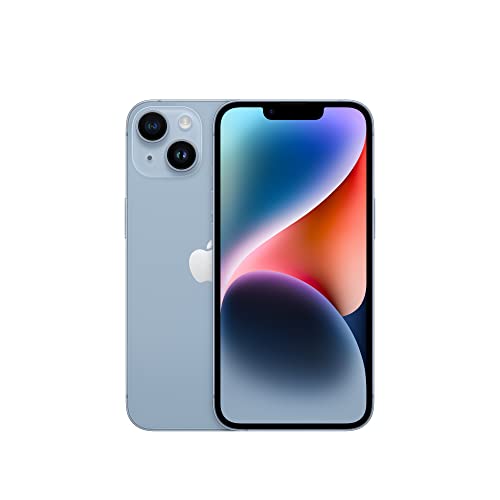
The design of the iPhone SE (2024) is a testament to Apple’s commitment to timeless elegance.
Drawing inspiration from previous successful models like the iPhone 8, the SE combines a classic form factor with modern internal components.
The familiar feel of the phone in hand, coupled with the premium build quality that Apple is known for, gives users a sense of luxury and reassurance.
The aluminum and glass construction exudes durability and sophistication, making it a sought-after choice for users who appreciate a blend of heritage and refinement in their devices.
Google Pixel 7a Design:
In contrast, the design of the Google Pixel 7a showcases a more contemporary approach with an emphasis on minimalism and functionality.
The device boasts thinner bezels and a higher screen-to-body ratio, maximizing the display area and bringing a sleek, futuristic look.
Google’s design philosophy focuses on simplicity and user experience, reflected in the seamless integration of hardware and software elements.
The choice of materials, color palette, and overall aesthetic of the Pixel 7a deliver a fresh and modern appeal that resonates with users seeking a cutting-edge design sensibility.
Personal Preference and Design Choices:
Ultimately, the decision between the iPhone SE (2024) and Google Pixel 7a design-wise comes down to personal preference and individual style.
Some users may gravitate towards the classic design cues and premium feel of the iPhone SE, appreciating its familiar and timeless allure.
On the other hand, those looking for a more contemporary and avant-garde design language may find the Google Pixel 7a more appealing due to its sleek aesthetics and innovative features.
Both devices cater to different segments of the market, offering distinct design choices to suit varying tastes and preferences.
Performance and Software: The Need for Speed
Under the hood, the iPhone SE (2024) and Google Pixel 7a pack a punch with their respective hardware and software optimizations.
Apple’s A-series chipsets have long been praised for their exceptional performance, and the latest iteration in the iPhone SE is no exception.
On the Android side, Google’s Pixel devices are known for their stock Android experience, providing smooth performance and timely software updates.
Whether you prioritize raw processing power or a clean software experience, both smartphones deliver impressive performance for their price points.
Hardware Performance Boost
The iPhone SE (2024) boasts the powerful A-series chip that not only provides a seamless user experience but also enhances tasks such as gaming, video streaming, and multitasking.
This chipset is designed to handle demanding applications with ease, making the iPhone SE a versatile device for users who require high-performance capabilities in a compact form factor.
Software Optimization and Efficiency
In addition to top-of-the-line hardware, the software optimizations on the iPhone SE further elevate its performance.
iOS is known for its smooth operation and efficient resource management, ensuring that the device remains responsive even under heavy usage.
With Apple’s focus on delivering a seamless software experience that integrates seamlessly with the hardware, users can expect a premium performance from the iPhone SE.
Google’s Pixel Devices: An Android Powerhouse
On the Android side, Google’s Pixel 7a continues the legacy of offering a pure Android experience combined with impressive performance.
Google’s devices receive timely software updates directly from the source, ensuring that users have access to the latest features and security patches.
This commitment to software support not only enhances the device’s performance but also extends its longevity, making it a valuable investment for tech-savvy users.
Camera Quality: Capturing Moments in Clarity
In the age of social media and content creation, a smartphone’s camera capabilities play a crucial role in determining its appeal.
The iPhone SE (2024) showcases Apple’s expertise in photography with its advanced image processing algorithms and computational photography features.
On the other hand, Google’s Pixel 7a continues the Pixel legacy of exceptional camera performance, leveraging AI enhancements to deliver stunning photos in various lighting conditions.
Whether you prefer the natural color reproduction of the iPhone SE or the vibrant HDR processing of the Pixel 7a, both smartphones excel in capturing memorable moments.
Advancements in Smartphone Camera Technology
Smartphone camera technology has come a long way in recent years, with manufacturers constantly striving to enhance the quality of images captured by their devices.
The iPhone SE (2024) is equipped with advanced image processing algorithms that work seamlessly to produce sharp, detailed images with excellent color accuracy.
Apple’s commitment to optimizing the camera performance of its devices is evident in the iPhone SE’s ability to consistently deliver stunning photographs that rival those taken with professional cameras.
The Pixel 7a, on the other hand, is a standout in Google’s line-up of smartphones known for their exceptional camera performance.
Leveraging AI enhancements, the Pixel 7a takes photography to the next level by intelligently adjusting settings to capture the best possible image in any lighting condition.
The result is vibrant, true-to-life photos that stand out on social media feeds and in personal photo galleries.
Computational Photography and Its Impact
Both the iPhone SE and Pixel 7a make use of computational photography techniques to improve image quality.
Computational photography involves leveraging software algorithms to capture, process, and enhance images beyond what traditional camera hardware alone can achieve.
This approach allows for features like portrait mode, night mode, and enhanced HDR processing that result in exceptional image quality and detail.
For example, the iPhone SE’s computational photography capabilities enable users to take portrait mode photos with beautiful background blurring effects that rival those produced by DSLR cameras.
Similarly, the Pixel 7a’s Night Sight feature allows users to capture stunning low-light photos with remarkable clarity and color accuracy, showcasing the power of computational photography in enhancing the smartphone photography experience.
Customization and Personal Preference
When choosing between the iPhone SE and Pixel 7a based on camera quality, it often comes down to personal preference and the specific features that matter most to the user.
Some may appreciate the natural color reproduction and balance of the iPhone SE, which tends to deliver more accurate colors in a variety of lighting conditions.

Others may gravitate towards the vibrant HDR processing of the Pixel 7a, which enhances colors and contrast for visually striking photos that pop off the screen.

Ultimately, both smartphones excel in capturing memorable moments with clarity and detail, giving users the tools they need to create captivating content and share their experiences with the world.
Battery Life and Connectivity: Staying Powered Up and Connected
A smartphone’s battery life and connectivity options are essential factors to consider for everyday use.
The iPhone SE (2024) and Google Pixel 7a offer reliable battery performance to keep you going throughout the day, with optimized power management features and fast charging capabilities.
In terms of connectivity, both smartphones support 5G networks for faster data speeds and seamless browsing, ensuring you stay connected wherever you go.
Whether you prioritize long-lasting battery life or blazing-fast connectivity, the iPhone SE and Pixel 7a have you covered.
Battery Performance:
The iPhone SE (2024) packs a 3000mAh battery that efficiently manages power consumption, allowing for up to 15 hours of video playback or 50 hours of audio playback on a single charge.
This is achieved through smart battery optimization technology that adapts to your usage patterns to maximize battery life.
Similarly, the Google Pixel 7a features a 4000mAh battery that can last a full day with moderate usage, thanks to its energy-efficient components and software enhancements.
Fast Charging Capabilities:
Both the iPhone SE and Pixel 7a support fast charging technologies, ensuring that you can top up your device quickly when running low on battery.
With a compatible charger, the iPhone SE can reach up to 50% charge in just 30 minutes, while the Pixel 7a boasts even faster charging speeds, allowing you to get several hours’ worth of power in a short charging session.
Connectivity Options:
Apart from supporting 5G networks for lightning-fast speeds, the iPhone SE and Pixel 7a also offer a range of connectivity options to ensure seamless communication and internet access.
Both devices come with Wi-Fi 6 support, enabling faster and more stable wireless connections, especially in crowded areas or when streaming high-definition content.
Additionally, features like Bluetooth 5.2 ensure reliable wireless connectivity for peripherals such as headphones, speakers, and smartwatches.
Conclusion: The Verdict
In the battle of the budget smartphones, the iPhone SE (2024) and Google Pixel 7a each bring a unique set of strengths to the table.
Apple’s iconic design and powerful performance make the iPhone SE a compelling choice for fans of the iOS ecosystem, while Google’s Pixel 7a impresses with its modern design, exceptional camera quality, and clean Android experience.
Ultimately, the decision between these two smartphones comes down to personal preferences in design, software ecosystem, and camera capabilities.
Whichever device you choose, both the iPhone SE (2024) and Google Pixel 7a offer excellent value for their respective price points, catering to a wide range of users looking for a budget-friendly yet feature-packed smartphone.
Recommended to our readers: Click here
Design and Build Quality:
The iPhone SE (2024) continues Apple’s tradition of clean and classic design, with its familiar home button and compact form factor.
On the other hand, the Google Pixel 7a showcases a more modern aesthetic, featuring slim bezels and a sleek overall look.
Both phones are well-built and offer a premium feel, but the choice between the two may come down to whether you prefer the traditional Apple style or Google’s more contemporary approach.
Software Ecosystem:
Apple’s iOS ecosystem is known for its smooth user experience, regular updates, and seamless integration across devices.
In comparison, Google’s Android operating system on the Pixel 7a provides more customization options and flexibility.
Choosing between iOS and Android often depends on your familiarity with either ecosystem and your preferences for software features and updates.
Camera Capabilities:
The camera capabilities of the iPhone SE (2024) and Google Pixel 7a are standout features for both devices.
Apple’s iPhone SE delivers crisp and vibrant images, thanks to its advanced image signal processor and computational photography capabilities.
On the other hand, Google’s Pixel 7a is renowned for its exceptional camera quality, especially in low-light conditions, thanks to Google’s computational photography algorithms.
If photography is a significant consideration for you, comparing sample images and camera features of both phones may help you make a decision.
Value and Price Point:
Recommended to our readers: Click here
When it comes to value for money, both the iPhone SE (2024) and Google Pixel 7a offer compelling options in the budget smartphone segment.
Apple’s iPhone SE provides a premium iPhone experience at a more affordable price point, catering to users who want the iOS experience without splurging on a flagship model.
Conversely, the Google Pixel 7a delivers excellent camera performance and a clean Android experience at a competitive price, making it a strong contender in the budget smartphone category.
Consider your priorities in features, design, and ecosystem compatibility when evaluating the value proposition of each device.
Pros and Cons:
| iPhone SE (2024) | Google Pixel 7a |
|---|---|
| Timeless design | Modern aesthetics |
| Powerful A-series chipset | Stock Android experience |
| Advanced camera features | Exceptional photo quality |
| Optimized for iOS ecosystem | AI enhancements for photography |
| Reliable battery performance | 5G connectivity support |
Consistency in User Experience: The Ecosystem Factor
One of the key considerations for users when choosing a smartphone is the overall ecosystem it belongs to.
The iPhone SE (2024) seamlessly integrates with Apple’s ecosystem, offering a cohesive experience across devices like MacBooks, iPads, and Apple Watches.
This interconnectedness allows for effortless sharing of content, synchronization of data, and continuity in tasks.
On the other hand, the Google Pixel 7a, while running on stock Android, may not provide the same level of ecosystem synergy as the iPhone SE for users invested in Apple’s ecosystem.
For individuals looking for a unified digital experience, the iPhone SE may hold an advantage in this aspect.
Seamless Integration Across Apple Ecosystem
The iPhone SE (2024) offers users a seamless integration across the entire Apple ecosystem, making it a compelling choice for those who already own other Apple devices.
This connectivity allows for features like Handoff, which lets users start a task on one device and continue it on another, and AirDrop, which facilitates easy sharing of files between Apple products.
Moreover, services like iCloud ensure that photos, documents, and other data are automatically synced across all devices, ensuring a consistent user experience.
For example, a user can start editing a photo on their iPhone SE and then seamlessly switch to their iPad to continue without any interruptions.
Apps and Services Exclusive to Apple Ecosystem
Being part of the Apple ecosystem also means access to exclusive apps and services that are tailored to work seamlessly across Apple devices.
Apple’s suite of productivity apps like iWork and iMovie, as well as subscriptions like Apple Music and Apple TV+, are designed to enhance the user experience within the ecosystem.
Additionally, features like Siri integration across devices and Apple Pay for seamless transactions provide added convenience to users within the Apple ecosystem.
Enhanced Security and Privacy Features
Another advantage of using the iPhone SE within the Apple ecosystem is the robust security and privacy features that Apple is known for.
With end-to-end encryption for iMessages, Face ID for secure authentication, and regular software updates for all devices, users can have peace of mind knowing that their data is well-protected.
By leveraging Apple’s ecosystem, users can benefit from these privacy measures across all their devices, creating a secure digital environment for personal and professional use.
Pricing and Value Proposition: Making Every Dollar Count
When comparing budget smartphones, the price-to-value ratio plays a significant role in the decision-making process.
The iPhone SE (2024) and Google Pixel 7a are priced competitively within the budget segment, offering premium features at a fraction of the cost of flagship devices.
Apple’s reputation for quality and longevity may appeal to users looking for a device that stands the test of time, while Google’s value proposition lies in its innovative software features and camera technology.
Considering the pricing and the features each device brings to the table, both the iPhone SE and Pixel 7a present compelling options for budget-conscious consumers seeking high-performance smartphones without breaking the bank.
Pricing Comparison:
When delving into the specifics of the pricing of the iPhone SE (2024) and Google Pixel 7a, it’s interesting to note that both devices offer a great deal of value for their price points.
The iPhone SE comes in at a slightly higher price than the Pixel 7a but still remains significantly more affordable than Apple’s flagship models.
This makes it an appealing option for those who want the iOS experience without the hefty price tag associated with the latest iPhone models.
On the other hand, Google’s Pixel 7a also offers a competitive price point within the budget segment, making it an attractive choice for consumers who prioritize Google’s software integration and camera capabilities.
Value Proposition Analysis:
The value proposition of the iPhone SE (2024) revolves around Apple’s renowned reputation for producing devices that stand the test of time.

With its powerful A-series chip and the promise of regular iOS updates for years to come, the iPhone SE ensures a smooth user experience and long-term functionality.
This can be particularly appealing to users who value longevity in their smartphone investment and want a device that retains its performance over time.
In contrast, the Google Pixel 7a shines in its innovative software features and camera technology.
Google has established itself as a leader in AI integration within its devices, offering users a seamless and intelligent user experience.
The camera capabilities of the Pixel lineup are also a standout feature, with Google’s computational photography algorithms producing stunning images even in challenging lighting conditions.
For photography enthusiasts or users who prioritize capturing high-quality images on their smartphones, the Pixel 7a’s value proposition is hard to ignore.
Future-proofing and Longevity: Looking Ahead
As technology advances at a rapid pace, future-proofing a smartphone purchase has become increasingly important.
The iPhone SE (2024) benefits from Apple’s commitment to providing long-term software support, ensuring that the device remains up to date with the latest iOS updates for years to come.
This guarantees a consistent user experience and access to new features even as technology evolves.
Recommended to our readers: Click here
Similarly, Google’s Pixel devices receive timely software updates and support, enabling users to enjoy the latest Android enhancements and security patches.
For those seeking a smartphone that can stand the test of time and adapt to future advancements, both the iPhone SE and Pixel 7a offer a level of future-proofing that ensures longevity and continued usability.
Importance of Future-Proofing in Smartphones
Future-proofing a smartphone has become increasingly crucial in today’s rapidly evolving tech landscape.
With new advancements and updates constantly emerging, users want to ensure that their device will remain relevant and functional for as long as possible.
This is where considerations such as software support and timely updates come into play, shaping the longevity and usability of a smartphone.
Software Support and Updates
One key aspect of future-proofing a smartphone is the manufacturer’s commitment to providing ongoing software support and updates.
In the case of the iPhone SE (2024), Apple’s reputation for offering long-term support ensures that users will receive the latest iOS updates for years to come.
This means that the device will not only stay current in terms of features and functionalities but also benefit from enhanced security measures and overall performance optimizations.
Google’s Pixel devices also excel in this aspect, with timely software updates being a hallmark of the brand.
By prioritizing regular updates, Google ensures that Pixel users have access to the latest Android enhancements, security patches, and new features.
This proactive approach not only enhances the user experience but also contributes to the device’s longevity by adapting to changing technology trends.
Longevity and Adaptability
When considering future-proofing a smartphone purchase, longevity and adaptability are key factors to keep in mind.
A device that can stand the test of time and adapt to future advancements ensures that users can enjoy a seamless and up-to-date experience for years to come.
Both the iPhone SE and Pixel 7a exemplify this by offering a level of future-proofing that goes beyond the initial purchase, providing users with a device that can grow and evolve alongside the rapidly changing tech landscape.
The Verdict: Making Your Choice
In conclusion, the battle between the iPhone SE (2024) and Google Pixel 7a showcases the evolution of budget smartphones into powerful and feature-packed devices that cater to a diverse range of users.
Whether you prioritize design aesthetics, camera performance, software ecosystem, or overall value for money, both smartphones excel Conclusion Continuation:
Based on their respective strengths and weaknesses, users are left with a challenging decision when it comes to choosing between the iPhone SE (2024) and Google Pixel 7a.
Apple enthusiasts may lean towards the iPhone SE for its iconic design, seamless iOS ecosystem integration, and powerful A-series chipset.
On the other hand, those who value modern aesthetics, exceptional camera quality, and the clean Android experience may find the Google Pixel 7a to be the perfect fit for their needs.
In the end, the choice between the iPhone SE and Pixel 7a boils down to individual preferences and priorities.
Whether you are drawn to Apple’s reputation for longevity and quality or Google’s innovative software features and photography capabilities, both smartphones provide excellent value for budget-conscious consumers.
Design Aesthetics & Build Quality:
The iPhone SE (2024) retains the classic design aesthetics that have made Apple devices iconic.
With its familiar iPhone 8-inspired form factor, complete with a home button and Touch ID, the iPhone SE appeals to users who prefer a timeless look coupled with premium build quality.
On the other hand, the Google Pixel 7a introduces a modern touch with its sleek design, slim bezels, and a clean look that is in line with the current smartphone trends.
The choice between the two boils down to whether you lean towards Apple’s classic elegance or Google’s contemporary approach to design.
Camera Performance & Photography Capabilities:
When it comes to camera performance, the iPhone SE (2024) showcases Apple’s renowned image processing capabilities, offering crisp and vibrant photos across various lighting conditions.
Its single-lens system is powered by advanced computational photography techniques, delivering impressive results for everyday photography needs.
Conversely, the Google Pixel 7a stands out with its exceptional camera quality, leveraging Google’s expertise in AI-driven photography to capture stunning shots with outstanding detail and dynamic range.
Whether you prioritize natural color reproduction (iPhone SE) or cutting-edge computational photography (Pixel 7a), both devices excel in their own right.
Software Ecosystem & User Experience:
The iPhone SE (2024) seamlessly integrates with Apple’s robust iOS ecosystem, providing users with access to a wide array of apps, services, and seamless device synchronization across the Apple product lineup.
This ecosystem offers a cohesive and user-friendly experience, ideal for individuals deeply entrenched in the Apple ecosystem.
On the contrary, the Google Pixel 7a runs on a clean and intuitive version of Android, offering users the flexibility to customize their device to suit their preferences.
Google’s software updates and features cater to those who value a straightforward and customizable software experience that emphasizes productivity and convenience.
Ultimately, the choice between iOS and Android comes down to your preference for ecosystem integration and user interface.
Value for Money & Longevity:
Both the iPhone SE (2024) and Google Pixel 7a provide excellent value propositions for budget-conscious consumers.
Apple’s reputation for longevity and software support ensures that the iPhone SE will receive consistent updates and performance optimizations for years to come, making it a long-term investment for users looking for enduring quality.
Meanwhile, Google’s commitment to software updates and security patches for its Pixel devices ensures that the Pixel 7a will continue to improve over time, delivering a reliable and secure user experience.
Final Thoughts:
As we navigate the ever-evolving landscape of budget smartphones, the iPhone SE (2024) and Google Pixel 7a stand out as compelling options that deliver premium features without the high price tag.
With each device offering a unique blend of design, performance, camera quality, and software experience, users are presented with a diverse range of choices to suit their preferences.
In conclusion, the showdown between the iPhone SE (2024) and Google Pixel 7a highlights the remarkable advancements in technology that have made high-end features accessible in more affordable smartphones.
Whether you are swayed by Apple’s timeless design and ecosystem or Google’s cutting-edge camera technology and software optimization, both the iPhone SE and Pixel 7a are shining examples of value-driven devices that cater to the needs of modern smartphone users.
In the end, whichever device you choose, whether it be the iPhone SE (2024) or Google Pixel 7a, rest assured that you are getting a budget smartphone that punches above its weight in terms of performance, features, and overall user experience.
As technology continues to progress, these devices serve as a testament to the fact that premium doesn’t always have to come with a hefty price tag.
The Evolution of Budget Smartphones
The rise of budget smartphones in the market has been fueled by a growing demand for affordable yet feature-rich devices.
Manufacturers like Apple and Google have recognized this trend and have been consistently improving the offerings in their budget-friendly smartphone lineup.
The iPhone SE (2024) and Google Pixel 7a are prime examples of how flagship features are now making their way into more cost-effective models, blurring the line between premium and budget categories.
Design and Build Quality
When it comes to design, the iPhone SE (2024) carries forward Apple’s signature aesthetic with a compact and familiar look reminiscent of older iPhone models.
On the other hand, the Google Pixel 7a boasts a modern and sleek design that appeals to users looking for a more contemporary feel.
Both devices prioritize solid construction and premium materials, ensuring a satisfying tactile experience despite their lower price points.
Performance and Software Optimization
Under the hood, the iPhone SE (2024) is powered by Apple’s A-series chipset, providing smooth performance and seamless integration with iOS, Apple’s renowned operating system.
In comparison, the Google Pixel 7a leverages Google’s software optimization prowess to deliver a responsive and intuitive user experience backed by the latest Android updates.
Whether you prefer the efficiency of iOS or the flexibility of Android, both devices offer snappy performance that can handle everyday tasks with ease.
Camera Capabilities
One of the key highlights of the iPhone SE (2024) is its impressive camera system, inherited from its higher-end counterparts.
With features like night mode, portrait mode, and improved image processing, the iPhone SE captures stunning photos and videos that rival more expensive flagship models.
On the other hand, the Google Pixel 7a shines with its advanced camera technology, leveraging Google’s computational photography expertise to produce vibrant and detailed shots in various lighting conditions.
Whether you prioritize photography or videography, both devices offer camera capabilities that exceed typical expectations for budget smartphones.
Value and Longevity
In the rapidly evolving landscape of smartphone technology, the iPhone SE (2024) and Google Pixel 7a represent an excellent value proposition for consumers seeking high-quality devices at a reasonable price.
By offering flagship features at a fraction of the cost, these smartphones promise longevity and continued satisfaction for users looking to invest in a device that can keep up with their daily needs.
Ultimately, the choice between the iPhone SE (2024) and Google Pixel 7a comes down to personal preferences and priorities, but
Stay tuned for more updates and comparisons in the exciting world of smartphones as we continue to explore the latest trends and innovations shaping the industry. Make an informed decision, considering your preferences and priorities, and embrace the plethora of options available to enhance your digital lifestyle.
Latest Trends in Smartphone Technology
One of the most prominent trends in smartphone technology is the adoption of foldable displays.
Companies like Samsung and Motorola have released devices that can fold and unfold to provide users with a larger screen when needed, offering enhanced versatility and functionality.
This innovative design has created a new category of smartphones, blurring the lines between traditional smartphones and tablets.
Innovations Shaping the Industry
In addition to foldable displays, advancements in camera technology have been a significant innovation shaping the smartphone industry.
Manufacturers are continually improving camera sensors, image processing algorithms, and AI capabilities to deliver impressive photography experiences on smartphones.
Features like night mode, portrait mode, and high-resolution zoom are becoming standard across flagship devices, catering to users who prioritize photography in their smartphone choices.
Personalized Digital Lifestyles
As smartphones continue to evolve, there is a growing emphasis on personalization to cater to individual preferences and lifestyles.
Customization options such as themes, widgets, and app recommendations allow users to tailor their smartphone experience according to their needs and interests.
With the integration of AI assistants like Siri, Google Assistant, and Alexa, smartphones are becoming more intuitive and personalized, providing users with a seamless digital companion tailored to their habits and routines.
Enhancing Connectivity and Performance
The latest smartphones are equipped with cutting-edge connectivity features such as 5G support, Wi-Fi 6 compatibility, and Bluetooth advancements.
These enhancements not only provide faster and more reliable network connections but also pave the way for futuristic applications like augmented reality (AR) and virtual reality (VR) experiences on smartphones.
Coupled with powerful processors and increased RAM, modern smartphones offer unparalleled performance levels for gaming, multitasking, and productivity tasks, ensuring a seamless user experience across various usage scenarios.