iPhone 16 Pro vs Google Pixel 8 Pro: Which smartphone has the best camera?
Smartphones have become more than just communication devices; they are now powerful tools for capturing life’s moments.
The competition between tech giants Apple and Google in the realm of smartphone cameras has continuously raised the bar for photo and video quality.
The latest contenders in this arena are the iPhone 16 Pro and the Google Pixel 8 Pro, both boasting top-of-the-line camera features.
In this comparison, we delve into the intricacies of these devices to determine which reigns supreme in the world of smartphone photography.
Evolution of Smartphone Photography
The evolution of smartphone photography has been remarkable, with each new generation raising the standards of image and video quality.
Both Apple and Google have been pivotal in driving this advancement, constantly pushing the boundaries of what is achievable with a phone camera.
The iPhone 16 Pro and Google Pixel 8 Pro represent the culmination of years of research and development focused on refining the art of smartphone photography.
Cutting-Edge Camera Features
One of the key aspects that set the iPhone 16 Pro and Google Pixel 8 Pro apart from their predecessors is the incorporation of cutting-edge camera features.
From advanced image processing algorithms to innovative hardware components, these smartphones are equipped with capabilities that promise to deliver stunning results in various shooting conditions.
Features like enhanced low-light performance, improved image stabilization, and sophisticated AI-powered enhancements underline the commitment of both Apple and Google to providing users with unparalleled photography experiences.
Photography for Every Moment
The competitive landscape between the iPhone 16 Pro and Google Pixel 8 Pro extends beyond technical specifications to encompass the overall user experience.
Both devices are designed to cater to a wide range of photography needs, whether it be capturing vibrant landscapes, detailed close-up shots, or dynamic action sequences.
With a focus on versatility and ease of use, the cameras on these smartphones are engineered to empower users to unleash their creativity and immortalize life’s memorable moments with unparalleled clarity and realism.
Introduction
In a world where snapping a quick photo or shooting a video has become second nature, consumers are demanding more from their smartphone cameras.
The iPhone 16 Pro and Google Pixel 8 Pro have set out to redefine what users can expect from mobile photography.
Both devices offer cutting-edge technology, advanced camera systems, and impressive imaging capabilities.
But which one truly emerges as the champion?
Let’s explore the key factors that set these devices apart and help users make an informed decision.
Evolution of Smartphone Cameras
Over the years, smartphone cameras have undergone a significant evolution, transforming from mere accessories to powerful tools that enable users to capture high-quality images and videos on the go.
The growing importance of visual content in social media and communication has heightened the demand for superior camera capabilities in smartphones.
The iPhone 16 Pro and Google Pixel 8 Pro stand at the forefront of this evolution, offering innovative features that push the boundaries of mobile photography.
Cutting-Edge Technology
The iPhone 16 Pro and Google Pixel 8 Pro showcase the latest advancements in camera technology, incorporating state-of-the-art sensors, processors, and software algorithms to deliver stunning results.
From computational photography to AI-powered enhancements, these devices leverage cutting-edge technology to optimize image quality, color accuracy, and dynamic range.
Users can expect professional-level photography tools in the palm of their hands, allowing them to capture breathtaking moments with ease.
Advanced Camera Systems
Both smartphones boast advanced camera systems that cater to a wide range of photography needs.
The multi-lens setups on the iPhone 16 Pro and Google Pixel 8 Pro provide versatility in capturing various scenes and subjects.
Wide-angle, telephoto, and ultra-wide lenses offer users the flexibility to frame shots creatively and experiment with different perspectives.
Additionally, features like optical image stabilization and night mode ensure sharp, clear images even in challenging lighting conditions.
Impressive Imaging Capabilities
The imaging capabilities of the iPhone 16 Pro and Google Pixel 8 Pro extend beyond just capturing still photos.
These devices excel in video recording as well, offering high-quality footage with smooth stabilization and immersive audio capture.
Users can unleash their creativity through features like slow-motion recording, time-lapse videos, and cinematic video modes.
Whether documenting everyday moments or shooting cinematic masterpieces, these smartphones empower users to express themselves through visual storytelling.
Making an Informed Decision
When choosing between the iPhone 16 Pro and Google Pixel 8 Pro, users should consider their individual preferences and priorities in mobile photography.
Factors such as camera performance, user interface, post-processing capabilities, and ecosystem integration play a crucial role in determining the right device for each user.
By weighing these key factors and assessing their personal photography needs, users can make an informed decision that aligns with their creative vision and enhances their mobile photography experience.
Camera Hardware and Specifications
The iPhone 16 Pro is equipped with a triple-camera system comprising a wide, ultra-wide, and telephoto lens, each offering high-resolution image capture.
Apple has enhanced its Night mode capabilities, enabling users to take stunning low-light photos with minimal noise.
On the other hand, the Google Pixel 8 Pro features a sophisticated camera setup with a main wide lens and two additional sensors for improved zoom and ultra-wide shots.
Google’s renowned computational photography algorithms work seamlessly to deliver exceptional image processing, especially in challenging lighting conditions.
Enhanced Night Mode Capabilities on the iPhone 16 Pro
The iPhone 16 Pro’s Night mode has seen significant improvements, allowing users to capture stunning low-light photos with unparalleled clarity and minimal noise.
The advanced computational photography algorithms used in the Night mode of the iPhone 16 Pro optimize exposure, color balance, and noise reduction to produce images that retain detail and vibrancy even in the darkest settings.
Whether you’re capturing a night cityscape or a cozy candlelit dinner, the iPhone 16 Pro ensures that low-light shots are crisp, detailed, and visually striking.
Google Pixel 8 Pro’s Computational Photography Algorithms
Google has been at the forefront of computational photography, and the Pixel 8 Pro continues to showcase the company’s expertise in this field.
The main wide lens, combined with the additional sensors on the Pixel 8 Pro, allows for a versatile shooting experience, whether you’re zooming in on a subject or capturing sweeping landscape shots.
Google’s computational photography algorithms enhance every aspect of image processing, from color accuracy to dynamic range, resulting in photos that are consistently sharp, detailed, and true-to-life.
In challenging lighting conditions, such as high contrast situations or low-light environments, the Pixel 8 Pro’s camera system excels at delivering exceptional images that rival those taken with professional-grade equipment.
Comparative Analysis of Camera Systems
When comparing the camera systems of the iPhone 16 Pro and the Google Pixel 8 Pro, it’s evident that both smartphones offer a diverse range of shooting options and advanced capabilities.
While the iPhone 16 Pro boasts a triple-camera setup that includes wide, ultra-wide, and telephoto lenses, the Google Pixel 8 Pro focuses on delivering exceptional image quality through its main wide lens and additional sensors.
The choice between the two ultimately depends on personal preference and shooting style.
Whether you prioritize versatility in your camera system or rely on computational photography for impeccable image processing, both the iPhone 16 Pro and the Google Pixel 8 Pro cater to different photography needs with their respective features and specifications.
Software and AI Integration
Apple’s iPhone 16 Pro leverages the power of its A-series chip to deliver swift image processing and support advanced camera features.
Recommended to our readers: Click here
The integration of AI technology enhances scene recognition, enabling the device to adjust settings for optimal results automatically.
Google Pixel 8 Pro, known for its prowess in machine learning, utilizes AI to enhance image quality through features like HDR+ and Night Sight.
Google’s software-driven approach ensures that users consistently get impressive shots with minimal effort.
AI-Powered Features in the iPhone 16 Pro
In addition to utilizing the A-series chip for swift image processing, the iPhone 16 Pro’s AI technology goes beyond traditional scene recognition.
The device leverages machine learning algorithms to understand the context of a photo and intelligently adjust settings for optimal results.
For instance, the camera can distinguish between various types of scenes such as landscapes, portraits, or food shots, and automatically apply the appropriate enhancements to enhance the overall image quality.
Enhancing Photography with Google’s AI Technology
Google Pixel 8 Pro is at the forefront of leveraging AI for photography with its innovative features like HDR+ and Night Sight.
These technologies rely on advanced machine learning algorithms to enhance image quality in challenging lighting conditions.
HDR+ merges multiple exposures to create a single well-balanced photo with improved dynamic range, while Night Sight intelligently brightens and clarifies low-light shots without the need for a flash.
User-Friendly Photography Experience through Google’s Software-Driven Approach
Beyond just hardware capabilities, Google’s emphasis on a software-driven approach ensures that users of the Pixel 8 Pro consistently achieve stunning photos with minimal effort.
The seamless integration of AI into the camera app simplifies the photography process by automatically optimizing settings and suggesting the best shot composition.
As a result, even novice photographers can capture professional-looking images effortlessly, making the user experience truly exceptional.
Photo and Video Quality
When it comes to photo quality, both the iPhone 16 Pro and Google Pixel 8 Pro excel in different ways.
The iPhone produces images with natural colors and balanced exposures, appealing to users looking for true-to-life representation.
Meanwhile, the Pixel impresses with its computational photography prowess, delivering vibrant colors and sharp details that pop off the screen.
In terms of video recording, the iPhone’s stabilization technology provides smooth footage, while the Pixel’s video capabilities excel in dynamic range and sharpness.
Photo Quality Comparison
In terms of photo quality, the iPhone 16 Pro and Google Pixel 8 Pro showcase distinct strengths that cater to different preferences and shooting styles.
The iPhone’s camera system is renowned for its ability to capture images with accurate colors and well-balanced exposures, resulting in photos that are true to the scene as perceived by the human eye.
This makes it an ideal choice for users who value natural and realistic representations in their photos.
Conversely, the Google Pixel 8 Pro stands out for its advanced computational photography capabilities, leveraging AI and machine learning algorithms to enhance images in real-time.
This results in photos that exhibit vibrant colors, enhanced contrast, and an overall boost in visual appeal.
The Pixel’s ability to accurately process and enhance photos on the fly gives users the flexibility to create stunning images with minimal post-processing required.

Video Recording Features
Moving on to video recording capabilities, both the iPhone 16 Pro and Google Pixel 8 Pro offer impressive functionalities that elevate the quality of recorded footage.
The iPhone’s advanced stabilization technology ensures that videos come out smooth and steady, even when shooting in challenging conditions or on the move.
This feature is particularly beneficial for users who prioritize capturing professional-looking videos without the need for additional stabilizing equipment.
On the other hand, the Google Pixel 8 Pro shines in terms of dynamic range and sharpness in video recordings.
The device’s camera system excels at preserving details in both bright and dark areas of the frame, resulting in videos with balanced exposure and rich visual depth.
This makes the Pixel a preferred choice for users who enjoy shooting videos with high levels of detail and definition, especially in scenarios with varying lighting conditions.
User Experience and Additional Features
Beyond camera performance, user experience plays a significant role in determining the overall appeal of a smartphone.
The iPhone 16 Pro offers a streamlined interface, seamless integration with the Apple ecosystem, and regular software updates that optimize camera functionality.
On the other hand, the Google Pixel 8 Pro runs on the latest Android OS, providing users with deep customization options and Google’s suite of innovative apps.
Each device offers unique features, such as Apple’s Live Text and Google’s astrophotography mode, catering to diverse user preferences.
Enhanced User Experience and Accessibility Features
In addition to a streamlined interface, both the iPhone 16 Pro and Google Pixel 8 Pro offer a plethora of accessibility features that cater to a wide range of user needs.
For instance, the iPhone 16 Pro includes features like VoiceOver, Magnifier, and Sound Recognition, making it easier for users with visual or hearing impairments to navigate and interact with the device.
On the other hand, the Google Pixel 8 Pro boasts features such as Live Caption, TalkBack, and Select to Speak, enhancing usability for users with hearing or speech difficulties.
Ecosystem Integration and Seamless Connectivity
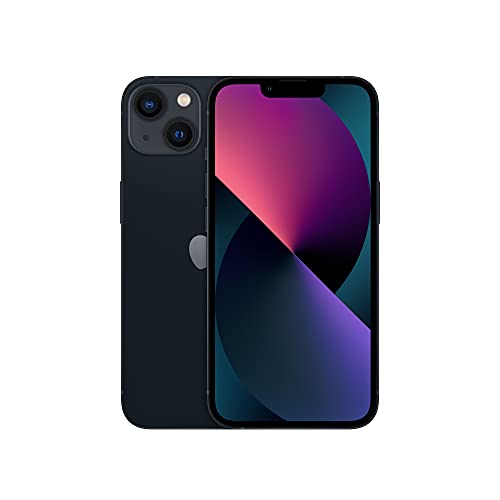
Ecosystem integration is a pivotal aspect of user experience, and the iPhone 16 Pro excels in this regard with its seamless connectivity to other Apple devices such as MacBooks, iPads, and Apple Watches.
This integration allows users to effortlessly share content, respond to messages, and answer calls across multiple devices, enhancing overall productivity and convenience.
Similarly, the Google Pixel 8 Pro offers connectivity to various Google services like Drive, Photos, and Assistant, creating a cohesive ecosystem that simplifies tasks and enhances user engagement.
AI-Powered Enhancements and Smart Features
Both smartphones leverage artificial intelligence to enhance user experience through intelligent features and functionalities.
The iPhone 16 Pro’s A-series chip powers features like Smart HDR, Deep Fusion, and Night Mode, delivering superior image quality and optimized camera performance.
In contrast, the Google Pixel 8 Pro harnesses the power of AI to offer features like Adaptive Battery, Now Playing, and Google Lens, providing users with smart functionalities that adapt to their preferences and behaviors.
Overall, the user experience of these smartphones is not just limited to hardware or software capabilities but extends to accessibility, ecosystem integration, and smart features that cater to the diverse needs and preferences of users.
Conclusion
In the battle of iPhone 16 Pro vs Google Pixel 8 Pro, the choice ultimately depends on individual priorities and preferences.
While the iPhone excels in traditional photography with its sophisticated hardware and intuitive software, the Pixel stands out for its AI-driven computational photography and vibrant image processing.
Both devices offer exceptional camera capabilities that cater to a wide range of users, from casual photographers to enthusiasts.
Whether you prioritize ease of use, image quality, or advanced features, the iPhone and Pixel have something unique to offer in the realm of smartphone photography.
Personalization and Customization:
When it comes to the user experience, iPhone and Google Pixel offer distinct customization options to cater to individual preferences.
iPhone users benefit from a seamless integration with the Apple ecosystem, ensuring a cohesive experience across all devices.
From editing photos on a MacBook to seamlessly transferring images to an iPad, the iPhone provides a seamless workflow for users deeply embedded in the Apple ecosystem.
On the other hand, Google Pixel appeals to users who prefer a more flexible and customizable Android experience.
With features like widgets, custom launchers, and deep integration with Google services, Pixel users can tailor their device to suit their specific needs and workflow.
Software Updates and Longevity:
One crucial aspect that sets iPhone apart from the competition is its commitment to long-term software support.

Apple consistently provides iOS updates for several years, ensuring that even older iPhone models receive the latest features and security enhancements.
This focus on longevity not only extends the lifespan of the device but also helps users stay current with new technologies.
In comparison, Google Pixel devices receive timely Android updates directly from Google, offering a similar level of software support.
However, third-party Android manufacturers may not provide the same level of commitment to updates, making the Pixel a reliable choice for users seeking long-term software support.
Ecosystem Integration and Services:
Beyond the camera capabilities, both iPhone and Google Pixel devices offer an array of ecosystem integrations and services that enhance the overall user experience.
iPhone users benefit from services like iCloud, Apple Music, and Apple Pay, creating a seamless ecosystem that simplifies tasks like file storage, music streaming, and mobile payments.
On the other hand, Google Pixel leverages Google services such as Google Photos, Google Assistant, and Google Drive to provide users with a cohesive experience across various platforms.
Whether it’s leveraging Siri on the iPhone for voice commands or using Google Assistant on the Pixel for AI-driven tasks, both ecosystems offer a range of features that cater to different user preferences and workflows.
Pros and Cons
| Features | iPhone 16 Pro | Google Pixel 8 Pro |
|---|---|---|
| Camera Hardware | Triple-camera system with high-resolution lenses | Sophisticated camera setup with computational photography |
| Software Integration | AI-driven processing and advanced camera features | Google’s machine learning algorithms for image enhancement |
| Photo Quality | Natural colors and balanced exposures | Vibrant colors and sharp details through computational photography |
| Video Capabilities | Stabilization technology for smooth footage | Excellent dynamic range and sharpness in videos |
| User Experience | Seamless integration with Apple ecosystem | Deep customization options and Google app suite |

Pros and Cons (Continued)
While the iPhone 16 Pro and Google Pixel 8 Pro offer impressive features that cater to different user needs, there are also notable drawbacks to consider.
The iPhone’s premium pricing may deter budget-conscious consumers, while some users might find the Pixel’s aesthetic design lacking compared to other flagship devices in the market.
Additionally, the availability of third-party accessories and compatibility with external devices may vary between the two smartphones, influencing users’ overall satisfaction with their choice.
Price and Value
The iPhone 16 Pro undoubtedly boasts cutting-edge technology and premium build quality, but these features come at a steep price point.
For users on a budget or those looking for a more cost-effective option, the iPhone may not offer the best value proposition.
On the other hand, the Google Pixel 8 Pro typically comes in at a more competitive price range, making it an attractive option for users seeking high-quality performance without breaking the bank.
Design and Aesthetics
While Apple is known for its sleek and iconic designs, some users may feel that the iPhone 16 Pro’s aesthetic has become too predictable and lacks significant innovation in terms of appearance.
In contrast, the Google Pixel 8 Pro may not have the same level of visual appeal as its competitors, with a more utilitarian design that focuses on functionality rather than flashy aesthetics.
Ultimately, personal preference plays a significant role in how users perceive the attractiveness of these devices.
Accessory Ecosystem
One aspect that can significantly impact user experience is the availability of third-party accessories and compatibility with external devices.
The iPhone 16 Pro benefits from a vast ecosystem of accessories ranging from cases and chargers to photography gadgets and smart home devices.
This extensive support network can enhance the overall usability and customization options for iPhone users.
On the other hand, the Google Pixel 8 Pro may have a more limited selection of third-party accessories available, potentially restricting users who rely on specific add-ons for their daily use.
Software Updates and Support
Both Apple and Google provide regular software updates to improve device performance, fix bugs, and introduce new features.
However, the approach to software support differs between the iPhone 16 Pro and Google Pixel 8 Pro.
Apple typically offers longer software support for its devices, ensuring that older models receive updates for an extended period.
In comparison, Google’s Pixel smartphones are known for receiving prompt Android updates directly from Google, ensuring users have access to the latest features and security patches.
Users need to consider the longevity of software support when choosing between these two smartphones.
Ecosystem and Support
Apart from camera performance, the overall ecosystem surrounding the iPhone and Pixel can influence users’ preferences.
Apple’s ecosystem offers seamless integration with other Apple products and services, creating a cohesive user experience.
Features like AirDrop, Continuity, and iCloud synchronization make it easy for users to manage their data across devices.
On the other hand, Google’s ecosystem emphasizes cross-platform compatibility, allowing users to leverage Google services on various devices regardless of their operating system.
Google Assistant integration and Google Drive storage options further enhance the Pixel experience.
Apple Ecosystem Integration:
Apple’s ecosystem is known for its seamless integration among its devices, creating a connected experience for users.
For instance, features like Handoff allow users to start an activity on one device and seamlessly continue it on another, such as browsing a webpage on an iPhone and switching to a MacBook without losing progress.
Additionally, Apple’s Continuity features enable users to make or answer calls, respond to texts, and copy-paste content across their iPhone, iPad, and Mac with ease.
Such integration fosters a sense of cohesion and convenience in the Apple ecosystem, making it appealing for users who own multiple Apple devices.
Google Cross-Platform Compatibility:
Google’s approach to its ecosystem emphasizes cross-platform compatibility, catering to users who may use various devices with different operating systems.
For example, Google services like Gmail, Google Docs, and Google Calendar are accessible not only on Pixel devices but also on iPhones, iPads, and computers via web browsers.
This flexibility allows users to access their data and services regardless of the device they are using, promoting a more inclusive and versatile user experience.
This emphasis on accessibility and compatibility across platforms adds value to the Pixel ecosystem for users who may not be exclusively tied to a single brand or operating system.
Enhanced User Experience through Google Assistant:
The integration of Google Assistant within the Pixel ecosystem enhances the overall user experience by providing AI-powered assistance across devices.
Users can utilize Google Assistant to set reminders, ask questions, control smart home devices, and more, creating a seamless interaction between the user and their device.
The convenience and utility offered by Google Assistant contribute to a more intuitive and personalized experience for users within the Pixel ecosystem, distinguishing it as a key feature that adds value and functionality to the overall ecosystem.
Cloud Storage Options with Google Drive:
Google’s ecosystem extends beyond device compatibility to offer users robust cloud storage solutions through Google Drive.
Users can seamlessly store and access their files, photos, and documents on Google Drive, regardless of the device they are using.
This cloud-based approach ensures that users have access to their data from anywhere, promoting flexibility and convenience.
The integration of Google Drive as a core component of the Pixel ecosystem enhances data management and accessibility for users, aligning with Google’s emphasis on providing comprehensive solutions for user needs.
Future Developments and Innovation
As technology continues to evolve, both Apple and Google are constantly pushing the boundaries of smartphone camera capabilities through hardware upgrades and software advancements.
The iPhone 16 Pro and Google Pixel 8 Pro represent the pinnacle of mobile photography in their respective ecosystems, but consumers can expect even more innovation in the years to come.
Features like improved low-light performance, enhanced computational photography algorithms, and augmented reality integration are likely to shape the future of smartphone cameras, offering users new ways to capture and share memorable moments.
Enhanced Low-Light Performance:
One of the key areas of focus for smartphone camera development is enhancing low-light performance.
This involves improvements in sensor technology, image processing algorithms, and software optimization to capture clearer and more detailed photos in challenging lighting conditions.
For example, manufacturers may incorporate larger sensor sizes, wider aperture lenses, and pixel-binning technology to boost light sensitivity and reduce noise levels in low-light settings.
Additionally, the use of computational photography techniques such as multi-frame noise reduction and night mode compositing can further improve image quality in dimly lit environments.
Augmented Reality Integration:
Augmented reality (AR) is poised to revolutionize the way we interact with our smartphone cameras.
By leveraging AR technology, smartphone cameras can overlay digital information and virtual objects onto the real world, providing users with immersive and interactive experiences.
For instance, AR-powered camera apps could enable users to superimpose virtual furniture in their living room to visualize how it would look before making a purchase.
Moreover, AR filters, effects, and games can add a fun and creative dimension to mobile photography, allowing users to personalize their photos and videos with virtual elements in real-time.
Continued Evolution of Computational Photography:
The future of smartphone cameras lies in the continued evolution of computational photography techniques.
Through the use of artificial intelligence (AI) and machine learning algorithms, smartphones can analyze and enhance images in real-time, resulting in improved detail, color accuracy, and dynamic range.
Features such as semantic image segmentation, scene recognition, and depth mapping enable smartphones to intelligently adjust settings and apply digital enhancements to deliver stunning results.
With advancements in neural processing units (NPUs) and dedicated image processing chips, smartphones will be able to handle complex computational tasks more efficiently, leading to faster processing speeds and enhanced image quality.
Making Your Decision
Choosing between the iPhone 16 Pro and Google Pixel 8 Pro ultimately boils down to your unique preferences and priorities as a user.
If you value a seamless, user-friendly experience within the Apple ecosystem and prefer traditional photography aesthetics, the iPhone may be the ideal choice for you.
On the other hand, if you are drawn to Google’s AI-driven computational photography, vibrant image processing, and deep customization options within the Android ecosystem, the Pixel could be the perfect fit.
In the end, whether you opt for the iPhone 16 Pro or Google Pixel 8 Pro, both smartphones offer exceptional camera capabilities that can elevate your photography and videography experiences.
Whichever device you choose, rest assured that you are equipped with cutting-edge technology that empowers you to capture life’s moments with clarity, creativity, and convenience.
Camera Capabilities
Both the iPhone 16 Pro and Google Pixel 8 Pro excel in their camera capabilities, but they do so in distinct ways.
iPhone 16 Pro:
The iPhone 16 Pro offers a seamless integration of hardware and software designed to deliver stunning photos and videos.
With features like Deep Fusion and Smart HDR, Apple focuses on producing images that are true to life with natural colors and impressive detail.
The ProRAW format also provides advanced users with greater control over their photography, allowing for extensive editing possibilities without sacrificing image quality.
Google Pixel 8 Pro:
In contrast, the Google Pixel 8 Pro banks on its AI-driven computational photography to deliver exceptional results.
Features like Night Sight and Astrophotography mode demonstrate Google’s commitment to enhancing low-light and night photography, producing clear and vibrant images even in challenging lighting conditions.
Additionally, Google’s advanced image processing algorithms ensure that every shot captures the essence of the scene with outstanding dynamic range and color accuracy.
Ecosystem and User Experience
Recommended to our readers: Click here
When deciding between the iPhone 16 Pro and Google Pixel 8 Pro, it’s essential to consider the broader ecosystem and user experience each device offers.
iPhone 16 Pro:
Apple’s ecosystem is renowned for its seamless integration across devices, allowing users to effortlessly transition between their iPhone, Mac, iPad, and Apple Watch.
This cohesive ecosystem ensures a consistent user experience, with features like iCloud, iMessage, and AirDrop enhancing productivity and convenience for Apple users.
If you value this interconnectedness and the familiarity of iOS, the iPhone 16 Pro may be the preferred choice for you.
Google Pixel 8 Pro:
Google’s Android ecosystem, on the other hand, offers deep customization options and a more open platform for users to personalize their device to suit their preferences.
With features like Google Assistant, Google Photos, and extensive third-party app support, the Pixel 8 Pro empowers users to tailor their smartphone experience to meet their specific needs.
If you appreciate the flexibility and customization capabilities of the Android ecosystem, the Pixel 8 Pro could be the device that aligns with your preferences.
By considering these nuances in camera capabilities, ecosystem integration, and user experience, you can make a more informed decision when choosing between the iPhone 16 Pro and Google Pixel 8 Pro.
Stay Tuned for Updates
As the landscape of smartphone photography continues to evolve, stay tuned for the latest developments, updates, and comparisons between the iPhone 16 Pro and Google Pixel 8 Pro.
Whether it’s advancements in low-light performance, improvements in video stabilization, or innovative software features, the evolution of these flagship smartphones will shape the future of mobile photography.
Advancements in Low-Light Performance
One of the most anticipated upgrades in the upcoming iPhone 16 Pro and Google Pixel 8 Pro is the enhanced low-light performance.
With the increasing demand for high-quality photos in low-light conditions, manufacturers are focusing on developing camera sensors with larger pixel sizes, improved noise reduction algorithms, and advanced sensor technologies to capture clearer and brighter images even in dimly lit environments.
Recommended to our readers: Click here
Users can expect to see significant improvements in low-light photography, allowing them to capture stunning nightscapes, city lights, or indoor shots with better clarity, detail, and color accuracy than ever before.
Improvements in Video Stabilization
Another key aspect that smartphone users look for in their devices is effective video stabilization.
With the rise of vlogging, social media video content creation, and the need for smooth and steady video footage, both Apple and Google are likely to introduce new and improved video stabilization technologies in their flagship models.
From mechanical stabilization to advanced digital stabilization techniques, the iPhone 16 Pro and Google Pixel 8 Pro are expected to offer users enhanced stability, reduced shakiness, and professional-looking videos even when shooting on the move or in challenging conditions.
Innovative Software Features
Beyond hardware upgrades, software plays a crucial role in shaping the user experience and capabilities of modern smartphones.
With the upcoming releases of the iPhone 16 Pro and Google Pixel 8 Pro, users can anticipate a range of innovative software features that elevate their photography and videography experience.
From AI-driven scene recognition and enhancement algorithms to advanced editing tools built into the native camera apps, these flagship devices are set to offer users a more intuitive, seamless, and customizable photography experience.
With features like real-time HDR processing, smart composition suggestions, and AI-powered image retouching, users can take their mobile photography to new heights with ease and creativity.
Community Feedback and Reviews
User experiences and feedback play a crucial role in determining the overall satisfaction and performance of smartphones.
Online communities, tech forums, and independent reviews provide valuable insights into real-world usage scenarios, camera performance in different environments, and the overall reliability of the iPhone 16 Pro and Google Pixel 8 Pro.
By engaging with fellow users and experts, you can gather additional perspectives to inform your decision and maximize the potential of your chosen device.
Importance of User Feedback in Smartphone Selection
User feedback serves as a critical factor in making informed decisions when choosing a smartphone.
The experiences shared by actual users offer valuable insights into various aspects of the device’s performance, such as battery life, software stability, and overall user satisfaction.
By tapping into online communities and tech forums, prospective buyers can access a wealth of firsthand accounts that go beyond the marketing hype surrounding new smartphone releases.
Real-World Usage Scenarios and Performance Insights
One of the key benefits of user feedback is its ability to shed light on real-world usage scenarios.
For example, users may share their experiences with the iPhone 16 Pro and Google Pixel 8 Pro in terms of multitasking capabilities, gaming performance, or day-to-day productivity.
By reading about how others use these devices in different situations, readers can gain a more nuanced understanding of each smartphone’s strengths and weaknesses.
Camera Performance across Different Environments
Another important aspect highlighted by user feedback is the camera performance of smartphones.
Users often share photos taken with the iPhone 16 Pro and Google Pixel 8 Pro in various lighting conditions and environments.
These real-world samples can provide valuable insights into the devices’ imaging capabilities, low-light performance, color accuracy, and overall image quality, helping potential buyers assess which smartphone aligns with their photography preferences and needs.
Reliability and Long-Term Usage Perspectives
Understanding the long-term reliability of a smartphone is crucial for consumers looking to make a lasting investment.
By delving into user feedback and independent reviews, readers can glean insights into how well the iPhone 16 Pro and Google Pixel 8 Pro hold up over time.
Reports on software updates, build quality, battery degradation, and overall durability can help prospective buyers anticipate any potential issues or concerns with their chosen device.
Expert Opinions and Additional Perspectives
In addition to user feedback, seeking out expert opinions from tech reviewers and industry professionals can further enhance the decision-making process when choosing a smartphone.
Expert reviews often provide in-depth analysis, performance benchmarks, and comparisons against competing devices, offering a comprehensive view of the iPhone 16 Pro and Google Pixel 8 Pro’s strengths and weaknesses.
By combining user feedback with expert insights, consumers can make more informed choices that align with their specific preferences and priorities.
Accessories and Add-Ons
Enhancing your smartphone photography experience often involves investing in accessories and add-ons that complement the capabilities of your device.
Whether it’s external lenses for more creative options, stabilization rigs for professional video recording, or editing software for fine-tuning your shots, the iPhone and Pixel ecosystems offer a wide range of options to customize and elevate your photography game.
Exploring these accessories can unlock new creative possibilities and enhance the versatility of your smartphone camera.
External Lenses for Enhanced Creativity
External lenses are a popular choice among smartphone photographers looking to expand their creative options.
Wide-angle lenses can capture more of the scene, making them ideal for landscapes and group shots.
Recommended to our readers: Click here
On the other hand, macro lenses allow for stunning close-up shots with intricate details.
Telephoto lenses, with their optical zoom capabilities, are great for capturing subjects from a distance.
These external lenses attach easily to your smartphone, giving you the flexibility to experiment with different perspectives and styles.
Stabilization Rigs for Professional Results
Stabilization rigs are essential for capturing smooth, professional-looking videos with your smartphone.
Whether you’re shooting action-packed scenes or vlogging on the go, a quality stabilization rig can make a significant difference in the overall quality of your footage.
Gimbal stabilizers, in particular, offer precise control over camera movements and help eliminate unwanted shakes and jitters.
Investing in a stabilization rig can take your video recordings to the next level, providing a professional touch to your content.
Editing Software for Polished Results
While smartphone cameras have advanced significantly in terms of image quality, editing software plays a crucial role in fine-tuning your shots and adding a personal touch to your photos.
From basic filters to advanced editing tools, there are numerous apps available that cater to varying skill levels and preferences.
Editing software allows you to adjust exposure, color balance, and composition, turning your photographs into polished masterpieces.
Experimenting with different editing techniques can help you develop your unique style and make your images stand out from the crowd.
Software Updates and Support
Regular software updates are crucial for maintaining optimum performance, security, and camera functionality on your smartphone.
Both Apple and Google are committed to providing timely updates that address bugs, introduce new features, and enhance the overall user experience.
By staying informed about software releases, security patches, and feature upgrades, you can ensure that your device remains up-to-date and optimized for capturing stunning photos and videos in any setting.
Importance of Regular Software Updates
Regular software updates not only fix bugs and introduce new features but also play a crucial role in enhancing the overall performance and security of your smartphone’s camera.
For example, camera software updates can improve image processing algorithms, optimize image stabilization, and enhance low-light performance.
By regularly updating your device’s software, you can take advantage of these improvements to ensure that your smartphone camera consistently delivers high-quality images and videos.
Timely Security Patches
In addition to feature upgrades, software updates often include important security patches that protect your device from the latest cybersecurity threats.
For instance, these patches could address vulnerabilities that hackers could exploit to access your camera or compromise your personal data.
By promptly installing security updates, you can safeguard your device against potential security breaches and ensure that your camera remains secure while capturing memorable moments.
User Experience Enhancements
Software updates frequently bring user experience enhancements that can positively impact your photography and videography endeavors.
For example, updates may introduce new camera modes, editing tools, or settings options that enhance your creative flexibility and control.
These enhancements can make capturing and editing photos and videos a more seamless and enjoyable experience, allowing you to unleash your creativity and capture stunning visuals with ease.
Checking for Updates
To ensure that you do not miss out on software updates and support for your smartphone camera, make it a habit to regularly check for updates in the device settings.
Additionally, enable automatic updates if available, so your device can automatically download and install the latest software versions.
By staying proactive in keeping your device up-to-date, you can maximize your smartphone camera’s potential and ensure that it continues to meet your photography needs effectively.
Environmental Considerations
In addition to performance and features, it’s essential to consider the environmental impact of your smartphone choice.
Both Apple and Google have made commitments to sustainability, recyclability, and reducing carbon footprints in their product lifecycle.
Understanding the eco-friendly initiatives of these companies can help you make a more informed decision that aligns with your values and contributes to a greener future for technology and innovation.
Apple’s Environmental Initiatives
Apple has been a leader in the tech industry when it comes to prioritizing environmental sustainability.
One significant example of their commitment is their pledge to achieve carbon neutrality across their entire business, including manufacturing supply chains and product life cycles, by 2030.
They have also set ambitious goals to reduce emissions from their operations and have made strides in using renewable energy to power their facilities.
Google’s Sustainable Practices
Similarly, Google has been actively working towards reducing their environmental impact.
The company aims to operate on carbon-free energy 24/7 by 2030 and has already achieved 100% renewable energy for their global operations.
Google also prioritizes product design for longevity and recyclability, aiming to create devices that are easier to repair, upgrade, and eventually recycle.
E-waste Management
One critical aspect of the environmental impact of smartphones is e-waste management.
Both Apple and Google have implemented programs to encourage the recycling and responsible disposal of electronic devices.
Apple, for instance, has a trade-in program where customers can return old devices for recycling or credit towards a new purchase, helping reduce electronic waste in landfills.
Sustainable Materials
In addition to energy efficiency and recycling programs, both Apple and Google are investing in the use of sustainable materials in their product designs.
This includes utilizing recycled materials in manufacturing their devices, such as recycled aluminum and plastics.
By incorporating sustainable materials, these companies are reducing their reliance on virgin resources and lowering their environmental footprint.
Corporate Transparency
Transparency is key to holding companies accountable for their environmental commitments.
Apple and Google regularly publish sustainability reports detailing their progress towards reducing carbon emissions, increasing energy efficiency, and improving recycling practices.
By providing this information to the public, both companies are fostering a culture of transparency and accountability in the tech industry.
Final Thoughts
The competition between the iPhone 16 Pro and Google Pixel 8 Pro highlights the ongoing quest for excellence in smartphone photography and videography.
With each device offering unique strengths, whether in hardware innovation, software integration, or user experience, users have the opportunity to select a device that best aligns with their preferences and priorities.
As technology advances and consumer demands evolve, the future of smartphone cameras promises exciting developments and groundbreaking features that will redefine how we capture and share Final Thoughts (Continued)
memorable moments.
The competition between the iPhone 16 Pro and Google Pixel 8 Pro signifies not only a battle of technology but also a reflection of users’ diverse needs and preferences in smartphone photography.
By considering factors like camera hardware, software integration, user experience, and ecosystem compatibility, consumers can make an informed choice that suits their individual creative goals and technological aspirations.
Advancements in Smartphone Camera Technology
In recent years, smartphone manufacturers have made significant strides in enhancing the capabilities of their camera systems.
The iPhone 16 Pro, for instance, boasts innovative features such as a quad-camera setup with improved low-light performance and computational photography capabilities.
On the other hand, the Google Pixel 8 Pro excels in its software-driven approach, leveraging advanced AI algorithms to deliver stunning photographic results.
User Experience and Interface Design
When comparing the iPhone 16 Pro and Google Pixel 8 Pro, the user experience plays a crucial role in shaping users’ preferences.
Apple’s iOS ecosystem offers a seamless integration between hardware and software, ensuring a cohesive and intuitive experience for users.
Google’s Android platform, particularly customized for the Pixel lineup, emphasizes simplicity and flexibility, catering to users who prefer a more customizable interface.
Ecosystem Compatibility and Integration
Beyond camera performance, the compatibility of smartphones with other devices and services is a key consideration for many consumers.
Apple’s ecosystem, tightly integrated with products like the Apple Watch, MacBook, and iCloud, allows for seamless connectivity and data sharing.
On the other hand, Google’s ecosystem, including services like Google Photos and Google Assistant, offers a broad spectrum of interconnected tools that enhance user productivity and convenience.
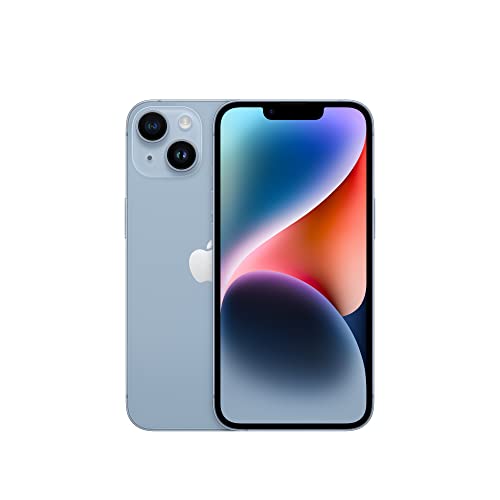
Future Trends in Smartphone Photography
Looking ahead, the future of smartphone photography is poised to witness continued innovation and evolution.
Features such as computational photography, augmented reality (AR) capabilities, and enhanced video recording functionalities are expected to become standard across flagship devices.
Additionally, advancements in sensor technology, image processing algorithms, and AI-driven enhancements will further elevate the quality and versatility of smartphone cameras, empowering users to unleash their creative potential like never before.
The Evolution of Mobile Photography
The evolution of mobile photography transcends mere pixels and lenses—it embodies a journey of innovation, creativity, and self-expression.
With devices like the iPhone 16 Pro and Google Pixel 8 Pro leading the way, users are empowered to capture the world around them with newfound clarity and artistry.
As advancements in computational photography, AI-driven enhancements, and software optimizations continue to shape the landscape of smartphone cameras, the possibilities for visual storytelling are boundless.
The Impact of Computational Photography and AI
Advancements in computational photography have revolutionized the way we capture images on our smartphones.
The integration of AI algorithms has enabled features like Night Mode, Portrait Mode, and enhanced image processing capabilities.
For example, the Night Mode on the iPhone 16 Pro uses computational photography to capture stunning low-light photos by intelligently merging multiple exposures.
This technology has leveled the playing field, allowing even novice photographers to produce professional-looking images.
Software Optimizations Enhancing User Experience
Smartphone manufacturers are constantly refining camera software to provide users with a seamless and intuitive photography experience.
These software optimizations include features like advanced editing tools, real-time adjustments, and a variety of shooting modes.
For instance, the Google Pixel 8 Pro offers a wide range of editing options directly within the camera app, making it easier for users to fine-tune their shots without the need for third-party editing apps.
Such tailored software enhancements cater to both amateur and professional photographers, enhancing the overall mobile photography experience.
Empowering Visual Storytelling
The evolution of mobile photography has not only democratized the art of image capture but also empowered individuals to tell compelling visual stories.
With smartphones like the iPhone 16 Pro and Google Pixel 8 Pro, users can seamlessly document their surroundings, emotions, and experiences with unparalleled clarity and detail.
The accessibility of high-quality camera technology in our pockets has sparked a wave of creativity and self-expression, enabling users to share their perspectives with the world in a visually engaging manner.
From capturing everyday moments to creating elaborate compositions, mobile photography has become a powerful tool for storytelling in the digital age.
Embracing Innovation and Creativity
In a rapidly changing digital age, embracing innovation and creativity through smartphone photography opens doors to new realms of expression and discovery.
The iPhone 16 Pro and Google Pixel 8 Pro serve as catalysts for this creative exploration, offering tools and features that inspire users to push the boundaries of their artistic vision.
Whether capturing everyday moments or embarking on creative projects, these smartphones invite users to see the world through a lens of imagination and possibility.
The Power of Smartphone Photography in the Digital Age
Smartphone photography has revolutionized the way we capture and share moments in our lives.
The portability and ease of use of devices like the iPhone 16 Pro and Google Pixel 8 Pro have democratized photography, making it accessible to anyone with a smartphone in hand.
Now, amateur photographers, professional artists, and everyday users alike can harness the power of these devices to express their creativity in new and exciting ways.
Recommended to our readers: Click here
Pushing the Boundaries of Artistic Vision
The advanced camera technologies integrated into smartphones today are pushing the boundaries of what is possible in photography.
Features like computational photography, night mode, and AI enhancements empower users to create stunning images that were once only achievable with high-end DSLR cameras.
This opens up a world of possibilities for capturing unique perspectives, exploring intricate details, and experimenting with different visual styles.
Unleashing Imagination and Possibility
Smartphone photography goes beyond just capturing moments – it invites users to unleash their imagination and explore the endless possibilities of visual storytelling.
With tools like advanced editing apps, AR filters, and augmented reality experiences, users can transform their photos into works of art, blending reality with digital creativity.
This convergence of technology and artistic expression enables users to see the world in a new light and push the boundaries of traditional photography.
Embracing Creative Projects and Collaborations
The versatility of smartphone photography extends beyond individual creativity and into collaborative projects and community engagement.
Social media platforms and photography communities provide avenues for sharing and connecting with like-minded individuals, fostering a sense of camaraderie and inspiration.
Whether embarking on a themed photo challenge, collaborating on a virtual exhibition, or participating in a global photography movement, smartphone photography serves as a catalyst for collective creativity and mutual growth.
Conclusion
Embracing innovation and creativity through smartphone photography is not just about capturing images – it’s about embracing a new way of engaging with the world around us.
The iPhone 16 Pro and Google Pixel 8 Pro are not simply tools for taking photos; they are gateways to a universe of visual exploration and artistic expression.
By harnessing the power of these devices, users can push the boundaries of their creativity, see the world through a lens of imagination and possibility, and connect with a global community of fellow creatives.
Joining the Mobile Photography Community
The vibrant mobile photography community serves as a hub for inspiration, learning, and collaboration among enthusiasts and professionals alike.
By sharing insights, techniques, and stunning visuals, photographers using the iPhone 16 Pro and Google Pixel 8 Pro can connect with like-minded individuals, expand their skills, and draw inspiration from a global network of creatives.
Engaging with this community not only enhances one’s photography journey but also fosters a spirit of camaraderie and mutual support in the pursuit of photographic excellence.
Benefits of Joining the Mobile Photography Community
Joining the mobile photography community offers numerous benefits for photographers of all skill levels.
One major advantage is the opportunity to gain exposure and recognition for your work.
Many popular social media platforms like Instagram and Flickr have dedicated communities and hashtags where mobile photographers can share their images and potentially reach a wider audience.
Engagement with fellow photographers through likes, comments, and shares can lead to increased visibility and opportunities for collaboration or even professional projects.
Learning and Skill Development
The mobile photography community is a treasure trove of learning resources and opportunities for skill development.
Enthusiasts can benefit from tutorials, workshops, and online courses tailored specifically for mobile photography techniques.
By participating in challenges and critiques within the community, photographers can receive valuable feedback that can help them refine their skills and enhance their creative process.
Learning from others’ experiences and experimenting with new techniques can significantly broaden one’s skill set and artistic vision.
Collaboration and Networking
Collaboration is a fundamental aspect of the mobile photography community, fostering relationships and partnerships among photographers worldwide.
Through collaborations on projects, photo walks, or virtual meetups, individuals can not only expand their creative horizons but also build a strong network of like-minded professionals.
Networking within the community can open doors to new opportunities, such as exhibitions, publications, or even sponsorships.
Establishing meaningful connections within the mobile photography community can lead to long-lasting relationships and support systems that fuel continued growth and success in the field.
Looking Toward the Future
As the boundaries of smartphone photography continue to expand, the horizon is ripe with possibilities for new advancements, features, and experiences.
The iPhone 16 Pro and Google Pixel 8 Pro are a testament to the ongoing innovation in mobile imaging, but the future promises even more exciting developments.
From enhanced AR capabilities to improved computational photography tools, users can anticipate a future where capturing and sharing moments is more immersive, intuitive, and seamless than ever before.
Advancements in AR Technology
One of the key areas of focus for the future of smartphone photography is the integration of enhanced Augmented Reality (AR) capabilities.
Imagine being able to overlay interactive elements onto your photos or videos in real-time, creating truly immersive and dynamic visual experiences.
For example, users could add virtual objects, animations, or effects to their images, blurring the lines between the real and digital worlds.
This opens up a whole new realm of creative possibilities, allowing users to craft innovative and engaging content like never before.
Computational Photography Evolution
Another exciting aspect on the horizon is the evolution of computational photography tools.
These advanced algorithms and technologies already play a crucial role in optimizing image quality and enhancing the overall photography experience.
In the future, we can expect to see even more sophisticated computational techniques that push the boundaries of what is possible with smartphone cameras.
Features such as improved noise reduction, enhanced depth mapping, and intelligent scene recognition will further elevate the quality of smartphone photography, enabling users to capture stunning images with ease and precision.
Seamless Integration of AI
Artificial Intelligence (AI) will continue to play a significant role in shaping the future of smartphone photography.
From automatic image tagging and organization to intelligent editing suggestions, AI-powered features will streamline the photographic process and empower users to unleash their creativity.
For instance, AI algorithms could analyze a user’s shooting habits and preferences to automatically adjust camera settings for optimal results, ensuring that every shot is captured flawlessly.
This seamless integration of AI will not only enhance the user experience but also open up new possibilities for personalization and customization in photography.
Conclusion
In the ever-evolving landscape of smartphone photography, the iPhone 16 Pro and Google Pixel 8 Pro stand out
Cutting-Edge Camera Technology
Both the iPhone 16 Pro and Google Pixel 8 Pro come equipped with cutting-edge camera technology that pushes the boundaries of smartphone photography.
The iPhone 16 Pro boasts a triple-lens camera system, including a wide, ultra-wide, and telephoto lens, providing users with unparalleled versatility in capturing a wide range of scenes.
On the other hand, the Google Pixel 8 Pro is equipped with state-of-the-art computational photography features, leveraging machine learning algorithms to enhance image quality and enable advanced editing capabilities directly on the device.
Impressive Low-Light Performance
One key area where both devices excel is in low-light photography.
Recommended to our readers: Click here
The iPhone 16 Pro utilizes advanced sensor-shift technology to maximize light capture in dimly lit environments, resulting in sharp and detailed images with minimal noise.
Similarly, the Google Pixel 8 Pro leverages its Night Sight mode, which combines multiple exposures to produce stunning low-light photos with exceptional clarity and color accuracy.
AI-Powered Enhancements
What sets these smartphones apart is their AI-powered enhancements that elevate the overall photography experience.
The iPhone 16 Pro leverages Apple’s Deep Fusion and Smart HDR technology to deliver images with improved texture, detail, and dynamic range.
Meanwhile, the Google Pixel 8 Pro harnesses the power of Google’s computational photography algorithms to optimize white balance, exposure, and color rendering, ensuring every shot looks vibrant and true to life.
Innovative Features for Creativity
In addition to their advanced camera capabilities, both the iPhone 16 Pro and Google Pixel 8 Pro offer innovative features that cater to creative photographers.
The iPhone 16 Pro introduces ProRAW format, allowing users to capture images in a professional-grade raw format while retaining the flexibility to make detailed edits post-capture.
On the other hand, the Google Pixel 8 Pro’s Magic Eraser tool facilitates seamless object removal from photos, enhancing the editing workflow and expanding creative possibilities.
The Pinnacle of Smartphone Photography
With their unparalleled camera technologies, exceptional low-light performance, AI-powered enhancements, and innovative features for creativity, the iPhone 16 Pro and Google Pixel 8 Pro undoubtedly represent the pinnacle of smartphone photography in the current market.
Whether you prioritize versatility, image quality, or creative control, these flagship devices offer a compelling choice for photography enthusiasts seeking top-tier capabilities in a portable and user-friendly package.