A Hydration Showdown: Takeya vs Hydro Cell
From intense gym sessions to serene hikes in the great outdoors, staying properly hydrated is crucial for maintaining our well-being.
With an array of water bottles saturating the market, two brands stand out – Takeya and Hydro Cell.
These brands have garnered a loyal following for their durable, stylish, and functional water bottles.
In this feature, we delve into a hydration showdown between Takeya and Hydro Cell, examining their design, performance, environmental impact, and overall value.
So, grab your favorite bottle and let’s dive in!
Importance of Proper Hydration
Proper hydration is not just essential for physical well-being but also plays a significant role in mental and emotional wellness.
Water is the driving force behind numerous bodily functions, from regulating body temperature to aiding digestion and nutrient absorption.
Durable Design Features
Both Takeya and Hydro Cell water bottles are known for their robust construction, which can withstand the rigors of daily use and various activities.
Recommended to our readers: Click here
Takeya bottles, for instance, often feature double-wall insulation, ensuring your drink stays cold for hours, while Hydro Cell bottles are constructed from premium stainless steel, adding an extra layer of durability.
Performance Comparison
When it comes to performance, Takeya bottles typically excel in maintaining the temperature of your beverage, whether you prefer your drink ice-cold or piping hot.

Hydro Cell bottles, on the other hand, are praised for their leak-proof design, making them ideal for carrying in backpacks or gym bags without any worries of spills.
Environmental Impact and Sustainability
In today’s eco-conscious world, the environmental impact of our choices cannot be overlooked.
Both Takeya and Hydro Cell emphasize sustainability by offering reusable alternatives to single-use plastic bottles.
By investing in a durable water bottle, you not only reduce plastic waste but also contribute to a greener planet.
Value for Money
Recommended to our readers: Click here
While both brands offer high-quality water bottles, the value they provide can vary based on individual preferences.
Takeya bottles may be favored for their sleek design and advanced insulation technology, while Hydro Cell bottles could be more appealing for their practical features such as wide-mouth openings for easy cleaning and adding ice cubes.
Recommended to our readers: Click here
Consider which factors are most important to you when determining the value each brand offers.
Design and Durability
When it comes to design and durability, both Takeya and Hydro Cell have distinct features that cater to different user preferences.
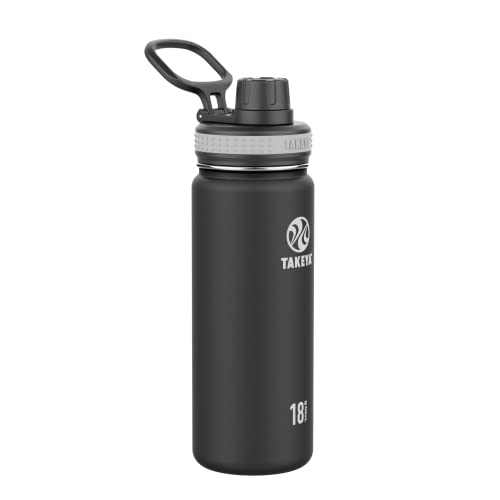
Takeya boasts sleek, minimalist designs with a focus on ergonomics and practicality.
Their bottles come in a variety of sizes, colors, and lid options, appealing to a wide range of consumers.
On the other hand, Hydro Cell leans towards a more rugged, outdoor-inspired aesthetic, often incorporating durable materials like stainless steel and powder coating for added resilience.
The choice between the two boils down to personal taste and intended use.
If you prefer a bottle that seamlessly transitions from the office to the gym, Takeya’s elegant designs might be the way to go.
However, if you’re an avid adventurer seeking a bottle that can withstand rough terrain, Hydro Cell’s robust construction could be your best bet.
Design Features
Takeya’s sleek and minimalist designs are not only visually appealing but also highly functional.
Their bottles often feature ergonomic grips and easy-to-use lids, making them convenient for everyday use.
For example, Takeya offers a spout lid for easy sipping on the go, a flip lid for quick access during workouts, and a straw lid for added versatility.
The brand’s attention to detail in design ensures that their bottles not only look good but also enhance the user experience.
In contrast, Hydro Cell’s outdoor-inspired aesthetic focuses on durability while still maintaining a stylish appearance.
The use of stainless steel and powder coating not only adds a rugged look to the bottles but also provides superior protection against dents, scratches, and corrosion.
Additionally, Hydro Cell offers a wide range of sizes, from compact options for daily use to larger capacities for longer excursions, catering to the needs of outdoor enthusiasts and travelers.
Durability Factors
Takeya’s bottles are crafted from high-quality materials such as BPA-free plastic and glass, which are known for their durability and chemical-free properties.
While they may not be as rugged as stainless steel, Takeya bottles are designed to withstand daily wear and tear, ensuring longevity with proper care.
The brand also offers replacement parts like lids and seals, extending the lifespan of their products and reducing environmental waste.
On the other hand, Hydro Cell’s emphasis on rugged construction sets them apart in terms of durability.
Stainless steel is a robust material that can endure rough handling, extreme temperatures, and harsh conditions without compromising its integrity.
The powder coating adds an extra layer of protection against scratches and impacts, making Hydro Cell bottles ideal for outdoor activities like hiking, camping, and biking.
User Preferences and Versatility
Ultimately, the choice between Takeya and Hydro Cell largely depends on individual preferences and usage scenarios.
Takeya’s versatile designs cater to a broad audience, ranging from urban professionals to fitness enthusiasts, who value aesthetics and functionality in their hydration products.
On the other hand, Hydro Cell targets consumers who prioritize durability and reliability in their water bottles, especially those who lead active lifestyles or frequent outdoor adventures.
Both brands offer a variety of customization options, from different lid styles to color choices, allowing users to personalize their bottles according to their preferences.
Whether you prioritize style, durability, or versatility, Takeya and Hydro Cell provide options that meet diverse consumer needs in the hydration market.
Performance and Insulation
One of the key factors in evaluating a water bottle is its ability to maintain the temperature of its contents.
Recommended to our readers: Click here
Takeya employs double-wall vacuum insulation technology in their bottles, ensuring your cold drinks stay icy for up to 24 hours and hot beverages remain steamy for 12 hours.
Additionally, their leak-proof lids make them ideal for on-the-go hydration without the risk of spills.
On the flip side, Hydro Cell prides itself on its superior thermal performance, claiming to keep liquids cold for an impressive 36 hours and hot for 18 hours.
Paired with their wide mouth opening for easy refills and cleaning, Hydro Cell’s bottles are a favorite among those who demand long-lasting temperature retention.
Insulation Technology Comparison:
When comparing the insulation technologies of Takeya and Hydro Cell, it’s essential to consider the nuances of each brand’s approach.
Takeya’s double-wall vacuum insulation is a tried-and-true method that traps air between layers of stainless steel, creating a barrier that minimizes heat transfer.
This technology excels in maintaining the temperature of beverages for extended periods, providing users with consistent enjoyment of their drink’s desired temperature.
On the other hand, Hydro Cell’s insulation design incorporates innovative features that contribute to its impressive thermal performance.
By utilizing advanced materials and construction techniques, Hydro Cell pushes the boundaries of traditional insulation methods, resulting in extended cold and hot retention durations.

This focus on enhancing thermal efficiency sets Hydro Cell apart in the competitive market of insulated water bottles.

Practical Applications:
The practical implications of extended temperature retention offered by both Takeya and Hydro Cell bottles cannot be overstated.
For outdoor enthusiasts embarking on a long hike or a camping trip, having a water bottle that can keep drinks cold for up to 36 hours (Hydro Cell) provides a refreshing and welcome respite from the heat.
Similarly, individuals commuting to work or attending meetings can rely on the reliable warmth of their hot beverages for an entire workday (Takeya), enhancing their daily routines with a touch of comfort.
User Experience and Convenience:
While both brands excel in thermal performance, their additional features cater to different aspects of user experience.
Takeya’s leak-proof lids ensure hassle-free portability, making them an excellent choice for busy schedules that demand on-the-go hydration without the worry of spills.
Meanwhile, Hydro Cell’s wide mouth opening not only facilitates easy refills and thorough cleaning but also accommodates adding ice cubes or fruit slices for enhanced beverage customization.
These user-centric design elements contribute to a seamless and enjoyable drinking experience for consumers of both brands.
Environmental Impact
In an age where sustainability is at the forefront of consumer consciousness, the environmental impact of products cannot be overlooked.
Both Takeya and Hydro Cell are committed to reducing single-use plastic waste by offering reusable, eco-friendly water bottle options.
Takeya’s bottles are predominantly made from BPA-free, food-grade stainless steel, ensuring a safe and clean drinking experience.
They also promote hydration as a sustainable alternative to purchasing bottled water, thus reducing plastic consumption.
Similarly, Hydro Cell emphasizes the importance of eco-conscious manufacturing practices, utilizing recyclable materials and ethical production methods.
By investing in a durable, reusable water bottle like Hydro Cell, consumers can contribute to a greener future.
Materials and Production Processes
Takeya’s commitment to sustainability extends beyond the use of stainless steel in their water bottles.
They also ensure that their manufacturing processes adhere to environmentally friendly standards.
For instance, they prioritize energy-efficient production methods and utilize recyclable materials in their packaging.
This holistic approach demonstrates Takeya’s dedication to minimizing their environmental footprint throughout the product lifecycle.
Hydro Cell, on the other hand, goes the extra mile by incorporating innovative materials like Tritan copolyester in their bottle designs.
Tritan is a durable, BPA-free plastic that is not only recyclable but also shatter-resistant, making it a long-lasting and eco-friendly choice for consumers.
Additionally, Hydro Cell maintains transparency about their sourcing practices and production chain, providing customers with peace of mind regarding the eco-credentials of their water bottles.
End-of-Life Considerations
While the focus is often on the sustainability of the product itself, both Takeya and Hydro Cell take into account the end-of-life impact of their water bottles.
Takeya encourages customers to recycle their stainless steel bottles at the end of their lifespan, ensuring that the materials can be repurposed rather than ending up in landfills.
Likewise, Hydro Cell promotes the recyclability of their Tritan bottles, emphasizing the importance of responsible disposal practices to close the loop on the product’s environmental impact.
By proactively addressing end-of-life considerations, these brands demonstrate a comprehensive approach to sustainability that goes beyond just the initial purchase of the water bottle.
Customers can feel good about investing in a product that aligns with their values and contributes positively to the health of the planet.
Value and Affordability
When assessing the overall value and affordability of Takeya and Hydro Cell water bottles, it’s essential to consider the long-term benefits they offer.
Takeya’s range of products is competitively priced, providing excellent quality at a reasonable cost.
Their bottles are designed to last, reducing the need for frequent replacements and saving users money in the long run.
On the other hand, Hydro Cell’s premium pricing reflects the superior performance and durability of their bottles.
While the initial investment may be higher, the extended lifespan and enhanced features justify the price tag for individuals who prioritize long-term value and functionality.
Durability and Longevity

When looking at the value proposition of Takeya and Hydro Cell water bottles, one important aspect to consider is their durability and longevity.
Takeya stands out for its robust construction and high-quality materials that are built to withstand daily use and minor impacts.
This durability translates to a longer lifespan for the bottle, reducing the likelihood of it getting damaged or needing to be replaced frequently.
Users can rely on Takeya bottles to last for years, providing value over an extended period.
In comparison, Hydro Cell’s premium pricing is justified by the exceptional durability of their bottles.
These bottles are designed to endure rough handling, outdoor adventures, and various environmental conditions without compromising their functionality.
The investment in a Hydro Cell bottle pays off in the long run, as users can trust it to stand the test of time and maintain its performance even after extended use.
Features and Functionality
Consideration of the features and functionality offered by Takeya and Hydro Cell water bottles further emphasizes their value and affordability.
Takeya bottles come equipped with practical features such as leak-proof lids, easy-grip designs, and compatibility with different beverages.
These functional aspects enhance the user experience and make the bottle a convenient accessory for daily hydration needs.
On the other hand, Hydro Cell excels in providing advanced features that elevate the user experience.
Features like double-walled insulation for maintaining beverage temperature, sweat-free exteriors, and wide-mouth openings for easy filling and cleaning set Hydro Cell bottles apart in terms of functionality.
While these additional features come with a higher price tag, they add significant value for users who seek enhanced performance and convenience in a water bottle.
By evaluating the durability, longevity, features, and functionality of Takeya and Hydro Cell water bottles, consumers can make informed decisions based on their individual priorities and budget considerations.
Conclusion
In the battle of Takeya vs Hydro Cell, both brands offer exceptional water bottles with unique strengths and characteristics.
Whether you lean towards Takeya’s stylish designs and practical features or Hydro Cell’s rugged durability and superior insulation, the ultimate choice depends on your individual preferences and lifestyle.
Whichever brand you choose, investing in a high-quality, reusable water bottle is not only beneficial for your hydration needs but also contributes to a more sustainable future for our planet.
So, raise a toast to staying hydrated in style with Takeya and Hydro Cell – two titans in the world of hydration essentials.
Benefits of Using a High-Quality Reusable Water Bottle
By choosing a high-quality water bottle like those offered by Takeya and Hydro Cell, you are not only investing in a convenient hydration solution but also contributing to reducing single-use plastic consumption.
Reusable water bottles are eco-friendly alternatives that help minimize plastic waste, leading to a cleaner and healthier environment.
Moreover, these bottles are often made from durable materials like stainless steel or BPA-free plastic, ensuring long-term usage and saving money in the long run.
Sustainability and Eco-Friendly Practices
Both Takeya and Hydro Cell prioritize sustainability in their manufacturing processes by focusing on eco-friendly materials, production techniques, and packaging.
Takeya, for instance, uses recyclable materials in their bottles and packaging, while Hydro Cell is committed to reducing its carbon footprint through energy-efficient manufacturing practices.
Recommended to our readers: Click here
By choosing either brand, you are supporting companies that value environmental responsibility and sustainability.
Customer Reviews and Testimonials
Numerous satisfied customers have praised the performance and design of both Takeya and Hydro Cell water bottles.
From maintaining the temperature of drinks for extended periods to withstanding rigorous outdoor activities, these bottles have garnered positive feedback for their reliability and functionality.
Recommended to our readers: Click here
Reading customer reviews can provide valuable insights into the real-world experiences of users, helping you make an informed decision on which brand aligns better with your needs and preferences.
Customization Options and Accessories
Both brands offer customization options and accessories to enhance the functionality and visual appeal of their water bottles.
Takeya provides various lids, handles, and colors to personalize your bottle, while Hydro Cell offers accessories like paracord handles and protective sleeves for added versatility.
By exploring these customization options, you can tailor your water bottle to suit your individual style and activities, making it a unique and personalized hydration companion.