Unveiling the Timeless Charm of hats: A Journey Through History, Fashion, and Identity
In a world that constantly moves towards homogeneity, where fashion trends wax and wane with lightning speed, there remains an enduring symbol of individuality and style—hats.
From the humble baseball cap to the elegant fedora, hats have adorned the heads of people across cultures and eras, weaving stories of tradition, class, and personal expression.
Let’s embark on a fascinating exploration of the multifaceted world of hats—where functionality meets fashion, and history intertwines with identity.
The Symbolism of Hats in Different Cultures
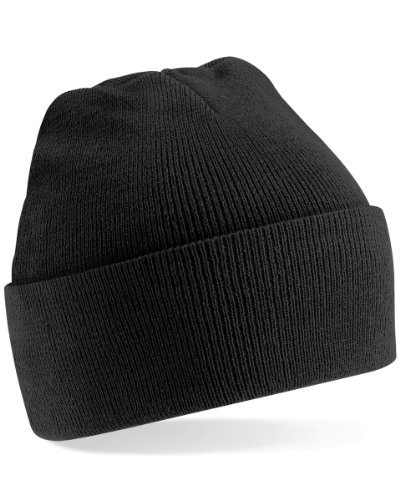
Hats have played a significant role in various cultures around the world, often symbolizing social status, protection, or religious beliefs.
For instance, the fez hat in Turkey symbolizes Ottoman tradition and is still worn during ceremonial occasions.
In Japan, the straw hat known as the “kasa” is worn by farmers as a symbol of their connection to the land.
By exploring the symbolism of hats in different cultures, we gain a deeper understanding of the rich tapestry of meanings attached to these headpieces.
Evolution of Hat Styles Through History
Throughout history, hat styles have evolved in response to changes in fashion, technology, and social norms.
For example, the extravagant wide-brimmed hats of the Victorian era reflected the opulence and conservatism of the time, while the cloche hats of the 1920s symbolized the newfound freedoms of the post-World War I era.
Examining how hat styles have changed over the centuries can offer insights into broader shifts in society and culture.
Hats as Statements of Personal Identity
Beyond their practical functions, hats have long been used as statements of personal identity and style.
Whether it’s a colorful beret worn by an artist to signal creativity or a sleek top hat donned by a business executive to convey authority, hats have the power to communicate aspects of one’s personality and identity.
By delving into how individuals use hats as tools for self-expression, we uncover the intimate connection between fashion and selfhood.
The Resurgence of Hats in Modern Fashion
In recent years, there has been a resurgence of interest in hats as fashion accessories, with designers and celebrities embracing a variety of hat styles in their ensembles.
From the resurgence of the bucket hat as a trendy streetwear staple to the revival of vintage-inspired pillbox hats on the runway, hats continue to captivate audiences with their versatility and charm.
Exploring how hats have made a comeback in modern fashion trends sheds light on their enduring appeal and relevance in today’s ever-evolving sartorial landscape.
Recommended to our readers: Click here
The Historical Tapestry of Hats: From Utility to Elegance
The history of hats is as rich and diverse as the materials they are crafted from.
Dating back to ancient civilizations, hats served a practical purpose long before becoming a sartorial statement.
From the iconic Pharaoh headdresses in ancient Egypt to the feathered confections of European royalty, hats have always symbolized power, status, and identity.
In medieval times, hats denoted social rank and profession, with elaborate designs distinguishing the clergy from the nobility.
The iconic tri-corner hat of the colonial era in America represented a revolutionary spirit, while the bowler hat became synonymous with the working class in industrial Britain.
Every era and every culture have left an indelible mark on the evolution of headwear, reflecting the changing tides of society.
Recommended to our readers: Click here
Evolution of Hats in Ancient Civilizations
In ancient civilizations, hats were not only practical but held significant cultural and religious meaning.
For example, in ancient Egypt, the Pharaoh headdresses were not just symbols of authority but were believed to possess magical powers and provide protection.
The materials used in hat-making, such as precious metals, gemstones, and intricate beadwork, showcased the wealth and esteem of the wearer.
Symbolism and Social Hierarchy in Medieval Hat Fashion
During medieval times, hats played a crucial role in signaling social rank and profession.
The clergy often wore tall, pointed hats to signify their religious authority, while nobility adorned themselves with extravagant headpieces embellished with jewels and plumes.
Commoners, on the other hand, had simpler and more functional hats, highlighting the strict social hierarchy of the era.
Political and Social Statements Through Hats
Hats have been used throughout history to make political and social statements.
For instance, the tri-corner hat worn during the colonial era in America became a symbol of resistance against British rule, embodying the spirit of independence and revolution.
Similarly, the bowler hat in industrial Britain was adopted by the working class as a symbol of solidarity and identity in the face of growing industrialization and societal changes.
Global Influence on Hat Styles
The evolution of hats is not confined to a single culture or time period, with each era and region contributing unique styles and innovations.
From the intricate turbans of the Middle East to the elegant kanzashi hair ornaments in Japan, headwear around the world reflects a blend of tradition, craftsmanship, and symbolism.
The exchange of ideas and materials through trade and exploration further enriched the tapestry of hat fashion, creating a diverse and dynamic legacy.
Fashion Forward: Hats as Style Statements
As fashion evolved, so did the role of hats.
In the roaring twenties, flappers embraced cloches, while the sixties saw the rise of the pillbox hat made famous by Jackie Kennedy.
Each hat style reflected the zeitgeist of its time, from the playful floppy hats of the 70s to the oversized sun hats of the 90s.
Recommended to our readers: Click here
Today, hats continue to be a staple on runways and red carpets, with designers reinventing classic styles and pushing the boundaries of creativity.
Recommended to our readers: Click here
The Panama hat, with its timeless elegance, and the ever-popular baseball cap, worn by celebrities and street-style icons alike, demonstrate the enduring appeal of hats in contemporary fashion.
Beyond aesthetics, hats have become a tool for self-expression, allowing individuals to convey their personality and values through a simple yet powerful accessory.
Evolution of Hat Styles Through the Decades
Throughout history, hats have continuously adapted to mirror the prevailing fashion trends and cultural movements of the times.
For example, in the 1920s, the iconic cloche hat became synonymous with the liberated spirit of the jazz age, as women embraced a more streamlined and modern silhouette.
Moving into the 1960s, the pillbox hat gained popularity thanks to First Lady Jackie Kennedy, who often donned this chic and structured accessory, further cementing its status as a symbol of elegance and sophistication.
The 1970s brought about a more carefree and bohemian aesthetic, with floppy hats becoming a staple in wardrobes as a nod to the laid-back, free-spirited attitude of the era.
Fast forward to the 1990s, and the oversized sun hat became a must-have accessory, reflecting a mix of glamour and practicality that defined the fashion sensibilities of the time.
Contemporary Hat Trends and Innovations
In the present day, hats continue to command attention both on and off the runway.
Designers are constantly reimagining classic styles and experimenting with new materials and shapes to create fresh interpretations of traditional headwear.
The Panama hat, with its lightweight and breathable construction, remains a popular choice for those seeking a touch of timeless sophistication.
On the other end of the spectrum, the ubiquitous baseball cap has transcended its athletic origins to become a versatile and stylish accessory favored by fashion influencers and celebrities worldwide.
The Role of Hats in Self-Expression
Beyond their aesthetic appeal, hats have evolved into powerful tools for self-expression in today’s fashion landscape.
Individuals are using hats as a means to communicate their personal style, values, and even political beliefs.
Recommended to our readers: Click here
Whether it’s a bold statement piece like a wide-brimmed fedora or a quirky embellished beanie, hats offer a unique opportunity for wearers to showcase their individuality and make a sartorial statement.

The versatility of hats allows for endless possibilities in mixing and matching with different outfits, making them an essential component of a well-curated wardrobe.
The Psychology of Hats: How Headwear Shapes Identity
Psychologists argue that the choice of headwear can influence not only how others perceive us but also how we see ourselves.
A study by the Journal of Personality and Social Psychology found that wearing a hat can boost confidence and alter behavior, creating a sense of empowerment and authority.
From the cowboy hat exuding rugged individualism to the beret signaling artistic inclinations, hats play a crucial role in shaping our self-image and projecting our persona to the world.

Influence on Social Interactions:
When we wear a hat, it can act as a social cue that conveys certain messages to others.
For example, a person wearing a fedora may be seen as having a classic style, while someone sporting a baseball cap might be perceived as casual and laid-back.
These associations can influence how we are approached and interacted with in social settings.
Studies have shown that individuals wearing authoritative hats, such as a police officer’s cap or a military hat, are often met with more respect and deference compared to when they are bare-headed.
Cultural and Historical Significance:
Throughout history, hats have been imbued with cultural and symbolic significance.
In some societies, certain hats are reserved for specific social classes or occasions, indicating a person’s status or role within the community.
For example, the top hat was traditionally associated with wealth and sophistication, while religious head coverings like turbans or kippahs hold spiritual importance.
Understanding the cultural context of different headwear can provide insights into the wearer’s background and beliefs.

Personal Expression and Style:
Beyond their social and cultural implications, hats also serve as a form of personal expression and style.
Recommended to our readers: Click here
Individuals often choose hats that reflect their personality, interests, and fashion preferences.
Whether it’s a vintage cloche hat worn by a lover of retro fashion or a beanie adorned with quirky patches worn by a creative artist, hats offer a canvas for self-expression.
The colors, materials, and design elements of a hat can convey subtle messages about the wearer’s identity and sense of style.
Psychological Impact on Mood and Confidence:
The act of putting on a hat can trigger psychological changes in our mood and confidence levels.
Research suggests that wearing a hat can create a psychological boundary between the self and the external environment, providing a sense of security and control.
Additionally, hats can act as a form of armor, boosting confidence and reducing feelings of vulnerability in social situations.
For some individuals, wearing a favorite hat can serve as a talisman, imbuing them with a sense of empowerment and inner strength.
A Hat for Every Occasion: The Versatility of Headwear
From shielding us from the sun’s glare to keeping us warm in winter, hats serve a myriad of practical purposes.
The wide-brimmed sun hat is a summertime essential, while the cozy beanie offers comfort on chilly days.
Special occasions call for more refined headwear, with fascinators and top hats adding a touch of sophistication to formal attire.
Whether it’s a casual day out or a black-tie event, there’s a hat for every moment, every mood, and every style.
As we traverse the historical, sartorial, and psychological landscapes of hats, one thing becomes clear—the humble headwear transcends mere utility to become a symbol of self-expression, tradition, and personal flair.
So, the next time you don a hat, remember you’re not just covering your head; you’re donning a piece of history, a touch of fashion, and a reflection of who you are.
Embrace the magic of hats and let your style speak volumes without saying a word.
Evolution of Headwear through History
Throughout history, different cultures have developed an array of headwear styles that reflect their traditions, beliefs, and social status.
For example, the iconic fedora became synonymous with sophistication and masculinity in the mid-20th century, popularized by Hollywood figures like Humphrey Bogart and Frank Sinatra.
In contrast, the colorful and intricately designed turbans worn in many Eastern cultures symbolize heritage and religious significance.
The Psychology of Hat-wearing
Psychologists have long studied the psychological impact of wearing hats.
Research shows that the choice of headwear can influence not only how others perceive us but also how we feel about ourselves.
For instance, wearing a confident and stylish hat can boost self-esteem and create a sense of empowerment.
On the other hand, a hat that feels uncomfortable or ill-suited may lead to feelings of self-consciousness and insecurity.
The Resurgence of Hats in Modern Fashion

While hats have been a mainstay in fashion history, there was a period where they fell out of favor in everyday wardrobes.
However, in recent years, there has been a resurgence of interest in hats as fashion accessories.
Designers are experimenting with bold shapes, colors, and textures, making hats a prominent feature on runways and in street style trends.
The revival of hats in modern fashion showcases their enduring appeal and versatility as statement pieces that elevate any outfit.