Greenies Dental Chews vs Milk-Bone Brushing Chews: Which cleans teeth better?
Dental care is a crucial aspect of pet health, and pet owners are always on the lookout for effective solutions to maintain their furry friends’ oral hygiene.
Two popular options in the market are Greenies Dental Chews and Milk-Bone Brushing Chews.
Both claim to promote dental health in dogs, but the big question remains: Which one cleans teeth better?
In this comparative analysis, we delve into the key features, effectiveness, and overall impact of these dental chews to determine the superior choice for your canine companion.
Importance of Dental Care for Pets
Ensuring proper dental care for pets goes beyond just fresh breath; it is crucial for their overall health and well-being.
Poor oral hygiene can lead to various dental issues such as tartar buildup, gum disease, and tooth decay.
Recommended to our readers: Click here
Moreover, bacteria from dental problems can enter the bloodstream and affect vital organs, posing serious health risks to pets.
Therefore, incorporating dental chews into your pet’s routine can help prevent these issues and promote their longevity.
Key Features of Greenies Dental Chews and Milk-Bone Brushing Chews
When comparing Greenies Dental Chews and Milk-Bone Brushing Chews, it is essential to consider their key features.

Greenies are known for their unique texture that helps control tartar and plaque buildup, while Milk-Bone Brushing Chews boast a design that mimics the action of brushing teeth.
Each product contains specific ingredients and formulations aimed at addressing different dental concerns in dogs.
Understanding these unique features can aid pet owners in making an informed decision based on their pet’s individual needs.
Effectiveness and Results
The effectiveness of dental chews in maintaining oral hygiene can vary depending on factors such as the dog’s breed, age, chewing habits, and overall dental health.
While both Greenies Dental Chews and Milk-Bone Brushing Chews have garnered positive reviews from pet owners, the results may differ for each dog.
Observing how your dog responds to a specific dental chew, such as improved breath freshness, reduced tartar, or healthier gums, can help determine its effectiveness in cleaning your pet’s teeth.
Overall Impact and Considerations
When choosing between Greenies Dental Chews and Milk-Bone Brushing Chews, pet owners should consider the overall impact of these products on their dog’s dental health.
Regular use of dental chews should be accompanied by professional dental cleanings and regular check-ups to ensure comprehensive oral care for pets.
Additionally, monitoring your dog’s chewing habits and preferences can help determine which dental chew they enjoy the most, leading to better compliance and results in maintaining their oral hygiene.
Introduction
Ensuring proper dental hygiene for pets is essential for their overall well-being.
Neglecting oral care can lead to a myriad of issues, from bad breath to periodontal disease.
As responsible pet owners, we often turn to dental chews as a convenient way to supplement our pets’ oral care routine.
Greenies Dental Chews and Milk-Bone Brushing Chews are among the top contenders in the market, offering promises of clean teeth and fresh breath.
But are these claims backed by results?
Let’s dive deeper into the world of dental chews to uncover the truth.
The Importance of Oral Care for Pets
Proper dental hygiene is not just about fresh breath; it directly impacts a pet’s overall health.
Without regular teeth cleaning, plaque and tartar can accumulate, leading to gum inflammation, tooth decay, and even tooth loss.
In severe cases, bacteria from untreated dental issues can enter the bloodstream, affecting vital organs such as the heart, liver, and kidneys.
It’s crucial for pet owners to understand that oral care is a fundamental aspect of their pet’s well-being.
Common Dental Issues in Pets
Bad breath is often the first noticeable sign of dental problems in pets.

However, other symptoms such as drooling, reluctance to eat, swollen gums, and pawing at the mouth can also indicate issues requiring attention.
Periodontal disease is one of the most prevalent dental conditions in pets, affecting not just their teeth but also their overall health.
It’s essential to address these issues promptly to prevent further complications.
Evaluating Dental Chews: Greenies vs. Milk-Bone
When choosing dental chews for pets, it’s essential to look beyond catchy marketing claims and assess the effectiveness of the product.
Greenies Dental Chews and Milk-Bone Brushing Chews are popular options known for their dental benefits.
Greenies are specially designed to help control plaque and tartar buildup, while Milk-Bone Brushing Chews claim to reduce tartar and freshen breath through mechanical action.
The Science Behind Dental Chews
Both Greenies and Milk-Bone products are formulated to promote chewing action that helps clean the teeth while freshening breath.
Ingredients like chlorophyll, parsley, and baking soda are often included to combat odors and promote oral health.
Additionally, the texture and shape of these chews are designed to reach different areas of a pet’s mouth, aiding in the removal of plaque and tartar.
Clinical Studies and Consumer Feedback
To validate the claims of dental chews, it’s essential to consider any scientific studies or consumer feedback available.
Look for evidence of improved dental health, reduced tartar buildup, and overall satisfaction from pet owners who have used these products.
Understanding the real-world impact of dental chews can help pet owners make informed choices for their furry companions.
Key Features Comparison
When it comes to comparing Greenies Dental Chews and Milk-Bone Brushing Chews, several key features set them apart.
Greenies are known for their unique texture that helps clean teeth down to the gumline.
On the other hand, Milk-Bone Brushing Chews boast a distinct design that helps reduce tartar buildup and freshens breath.
Both products contain ingredients that claim to promote dental health and are designed to be appealing to dogs.
However, the real test lies in their ability to deliver on these promises.
Texture and Design Differences
Greenies Dental Chews stand out for their unique texture, which is specifically designed to help clean teeth effectively down to the gumline.
The chewy, flexible consistency of Greenies allows for a thorough scrubbing action as the dog chews on it, helping to remove plaque and tartar buildup.
In contrast, Milk-Bone Brushing Chews feature a distinct design with nubs and ridges that assist in reducing tartar accumulation on the teeth.
The strategic placement of these textured elements helps provide a gentle abrasive action during chewing, supporting dental hygiene by scrubbing away debris.
Tartar Control and Oral Health Benefits
While both Greenies and Milk-Bone Brushing Chews aim to enhance dental health in dogs, they do so through slightly different mechanisms.
Greenies focus on comprehensive cleaning by reaching areas down to the gumline, which can be effective in preventing gum disease and promoting overall oral hygiene.
On the other hand, Milk-Bone Brushing Chews excel in tartar control, thanks to their design that targets tartar buildup on the tooth surface.
By reducing tartar accumulation, these chews can contribute to fresher breath and a healthier mouth environment for your canine companion.
Ingredient Quality and Canine Appeal
Both Greenies Dental Chews and Milk-Bone Brushing Chews are formulated with ingredients that are chosen for their potential benefits to dental health.
Greenies, for example, often include natural ingredients such as chlorophyll to freshen breath and support oral hygiene.
Milk-Bone Brushing Chews, on the other hand, may contain ingredients like minerals and other additives that are known to aid in tartar control and dental care.
These formulations are typically tailored to provide a balance of oral health benefits while ensuring the chews are appealing to dogs in terms of taste and texture.
Efficacy and User Experience
Ultimately, the effectiveness of dental chews like Greenies and Milk-Bone Brushing Chews can be evaluated based on their ability to deliver on their promises.
Recommended to our readers: Click here
Pet owners may consider factors such as their dog’s response to the chew, improvement in dental health indicators like tartar reduction, and overall satisfaction with the product’s performance in determining which option best suits their pet’s needs.
Effectiveness in Dental Cleaning
In terms of effectiveness, Greenies Dental Chews have been praised for their ability to reduce plaque and tartar buildup, leading to improved dental health over time.
The chewy texture acts as a toothbrush, scrubbing away debris and promoting gum health.
On the contrary, Milk-Bone Brushing Chews are specifically formulated to reach hard-to-reach areas and provide a deeper clean.
The unique nubs and ridges help scrub away plaque and tartar, giving your dog fresher breath and cleaner teeth.
To determine which product truly excels in dental cleaning, we need to consider real-world results and customer feedback.
Comparison of Greenies Dental Chews and Milk-Bone Brushing Chews
When comparing Greenies Dental Chews and Milk-Bone Brushing Chews, it’s important to note that both products are designed to target plaque and tartar buildup effectively.
Recommended to our readers: Click here
Greenies Dental Chews are known for their innovative chewy texture, which not only entices dogs but also serves as a natural toothbrush.
As the dog chews on the treat, the texture works to gently scrub away debris, food particles, and plaque that have accumulated on the teeth and along the gumline.
This regular mechanical action helps reduce the formation of new plaque, ultimately leading to improved dental health over time.
On the other hand, Milk-Bone Brushing Chews take a slightly different approach to dental cleaning.
Instead of relying solely on the chewy texture, these dental treats are specifically formulated with unique nubs and ridges that are strategically placed to target hard-to-reach areas in your dog’s mouth.
These nubs and ridges act as bristles, providing a deeper clean by effectively scrubbing away stubborn plaque and tartar that may have built up over time.
By reaching areas that are typically missed during regular chewing or brushing, Milk-Bone Brushing Chews offer a comprehensive solution for maintaining oral hygiene in dogs.
Real-World Results and Customer Feedback
To truly assess the effectiveness of Greenies Dental Chews and Milk-Bone Brushing Chews in dental cleaning, it’s essential to consider real-world results and feedback from pet owners who have incorporated these treats into their dogs’ dental care routines.
Many pet owners have reported noticeable improvements in their dogs’ dental health after regular use of these dental chews.
Reduced plaque and tartar buildup, fresher breath, and cleaner teeth are common benefits cited by customers who have seen positive results from using these products.
Moreover, some pet owners have noted differences in their dogs’ preferences and chewing habits when given a choice between Greenies Dental Chews and Milk-Bone Brushing Chews.
Understanding how dogs interact with these treats can provide insights into their effectiveness and overall appeal.
By observing factors such as chewing behavior, chewing duration, and level of plaque removal, pet owners can gauge which dental chew product aligns best with their dog’s oral health needs.
In conclusion, while both Greenies Dental Chews and Milk-Bone Brushing Chews offer effective solutions for dental cleaning in dogs, individual preferences, chewing habits, and dental health goals may influence which
Real-World Impact and Customer Feedback
In the realm of pet products, real-world impact speaks volumes.
Many pet owners have reported positive experiences with both Greenies Dental Chews and Milk-Bone Brushing Chews.
Dogs seem to enjoy the taste and texture of these treats, making them an attractive option for daily oral care.
However, some users have expressed concerns about the ingredients used in these products and their potential impact on sensitive stomachs.
Understanding the nuanced experiences of pet owners and their furry companions can offer valuable insights into the true efficacy of these dental chews.
Customer Testimonials and Success Stories
Customer testimonials play a crucial role in showcasing the real-world impact of Greenies Dental Chews and Milk-Bone Brushing Chews.
Numerous pet owners have shared success stories about these products improving their pet’s oral health.
For example, one satisfied customer may mention how their dog’s breath significantly improved after consistent use of Greenies Dental Chews.
Another pet owner might share how their veterinarian noticed a reduction in tartar buildup during a routine dental check-up, attributing it to the regular use of Milk-Bone Brushing Chews.
Ingredient Transparency and Concerns
While these dental chews have garnered praise for their efficacy, some users have raised valid concerns about the ingredients used in these products.
Transparency in ingredient sourcing and composition is essential for pet owners who prioritize their pet’s health.
For instance, individuals with pets prone to allergies or gastrointestinal sensitivities may be cautious about specific components in these dental chews.
Addressing these concerns by providing detailed information about the ingredients and potential allergens can help build trust and loyalty among customers.
Balancing Taste and Health Benefits
The balance between taste appeal and health benefits is a critical factor in the success of dental chews.
Dogs are known for their discerning palates, so creating a product that not only supports oral hygiene but also entices them can be challenging.
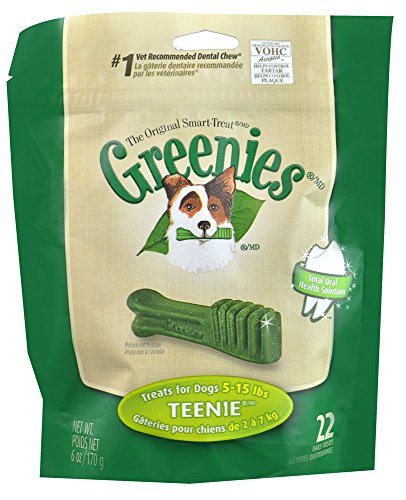
Manufacturers of Greenies Dental Chews and Milk-Bone Brushing Chews strive to strike this balance by offering flavors that dogs enjoy without compromising on the products’ dental care benefits.
Exploring how different flavors and textures contribute to both the product’s appeal and effectiveness can shed light on the overall customer experience.
Long-Term Impact on Oral Health
Understanding the long-term impact of using Greenies Dental Chews and Milk-Bone Brushing Chews is crucial for evaluating their efficacy.
Regular oral care is essential for maintaining a pet’s overall health, and these dental chews aim to simplify this aspect of pet care.
Tracking changes in oral health indicators over an extended period, such as the reduction of plaque and tartar, can provide valuable insights into the lasting benefits of incorporating these products into a pet’s routine.
By examining the sustained effects on oral hygiene, pet owners can make informed decisions about the continued use of these dental chews to support their pet’s well-being.
Pros and Cons
| Product | Pros | Cons |
|---|---|---|
| Greenies Dental Chews | Effective in reducing plaque and tartar buildup | Some dogs may have digestive issues |
| Milk-Bone Brushing Chews | Unique design for deep cleaning | Ingredients may not be suitable for all dogs |

Greenies Dental Chews Pros:
Greenies Dental Chews are renowned for their effectiveness in promoting good oral health in dogs.
The unique texture and shape of these chews help in reducing plaque and tartar buildup, which can contribute to fresher breath and healthier teeth and gums.
Many pet owners have reported noticeable improvements in their dog’s dental health after incorporating Greenies Dental Chews into their regular routine.
Greenies Dental Chews Cons:
While Greenies Dental Chews have numerous benefits, some dogs may experience digestive issues when consuming these treats.
This can manifest as symptoms like vomiting, diarrhea, or stomach discomfort.
It’s essential for pet owners to monitor their dog’s reaction to Greenies Dental Chews and consult with a veterinarian if any adverse effects are observed.
Additionally, it’s recommended to start with a smaller portion to assess your dog’s tolerance before giving them a full serving.
Milk-Bone Brushing Chews Pros:
Milk-Bone Brushing Chews stand out for their innovative design, which is specifically crafted for deep cleaning your dog’s teeth.
The unique shape and texture of these chews are engineered to reach areas that traditional brushing may miss, providing a comprehensive oral care solution.
This can be especially beneficial for dogs who are resistant to regular tooth brushing or have difficulty maintaining good oral hygiene.
Milk-Bone Brushing Chews Cons:
While Milk-Bone Brushing Chews offer a convenient way to support your dog’s dental health, it’s important to note that the ingredients used in these chews may not be suitable for all dogs.
Some pets may have sensitivities or allergies to certain components, leading to adverse reactions.
Pet owners should carefully review the ingredient list and consider their dog’s individual dietary needs before introducing Milk-Bone Brushing Chews.

It’s also advisable to introduce new treats gradually to monitor your dog’s response and prevent any potential issues.
Conclusion
In the battle of Greenies Dental Chews versus Milk-Bone Brushing Chews, the choice ultimately boils down to your pet’s specific needs and preferences.
Both products offer advantages in promoting dental health, but considerations such as ingredient sensitivity and cleaning efficacy play crucial roles in making an informed decision.
Consulting with your veterinarian and observing your dog’s response to each chew can help guide you towards the most suitable option.
Remember, a healthy smile leads to a happy tail-wagging companion, so choose wisely when it comes to your furry friend’s dental care regime.
Factors to Consider for Choosing the Right Dental Chew
When deciding between Greenies Dental Chews and Milk-Bone Brushing Chews, there are several key factors to take into account.
One crucial consideration is your pet’s specific dental needs.
For example, if your dog has sensitive gums or teeth, you may opt for a softer dental chew that is gentle on their mouth.
On the other hand, if your furry friend has a buildup of plaque and tartar, you might lean towards a chew with more abrasive cleaning properties.
Ingredient Sensitivity and Allergies
It’s essential to pay attention to your pet’s potential sensitivities or allergies when selecting a dental chew.
Some dogs may have sensitivities to certain ingredients commonly found in dental chews, such as wheat, soy, or certain protein sources.
By carefully examining the ingredient list and monitoring your dog for any adverse reactions, you can ensure that the dental chew you choose is well-suited to their dietary needs.
Dental Health Benefits Beyond Cleaning
Recommended to our readers: Click here
While both Greenies Dental Chews and Milk-Bone Brushing Chews are designed to promote dental health, they may offer additional benefits beyond just cleaning your dog’s teeth.
Some dental chews are formulated to freshen your pet’s breath or provide supplemental nutrients like vitamins and minerals for overall health.
Considering these extra features can help you find a dental chew that aligns with your pet’s holistic well-being.
Observing Your Dog’s Response
Ultimately, one of the most critical aspects of choosing the right dental chew is observing how your dog responds to each product.
Some dogs may prefer the taste or texture of one chew over the other, making it more enjoyable for them to engage with.
By monitoring your pet’s reaction, you can determine which chew they are more likely to use regularly, ensuring consistent oral care for your furry companion.
Consulting with Your Veterinarian
In addition to your own observations, it’s always advisable to consult with your veterinarian when introducing a new dental chew to your pet’s routine.
Recommended to our readers: Click here
Your vet can provide valuable insights based on your dog’s specific dental health needs, dietary requirements, and any individual health considerations.
Their expertise can help guide you towards the most appropriate dental chew choice for your pet’s overall well-being.