Google Nest Mini vs Amazon Echo Dot (4th Gen): A Comparison of Smart Speakers
Picture this: you walk into your home after a long day, and with a simple command, your favorite playlist starts playing, the lights adjust to create a cozy ambiance, and your smart speaker responds to your inquiries like a personal assistant.
The emergence of smart speakers has transformed the way we interact with our living spaces, and two prominent players in this market are Google Nest Mini and Amazon Echo Dot (4th Gen).
While they may seem like similar devices at first glance, there are key differences that set them apart.
In this article, we will delve into the world of smart speakers and compare the Google Nest Mini with the Amazon Echo Dot (4th Gen).
Advantages of Google Nest Mini and Amazon Echo Dot:
Both the Google Nest Mini and Amazon Echo Dot (4th Gen) offer a plethora of advantages that cater to different user preferences.
The Google Nest Mini, powered by Google Assistant, provides seamless integration with other Google services such as Google Calendar, Gmail, and Google Photos.
This allows users to access their information easily and efficiently through voice commands.
On the other hand, the Amazon Echo Dot, equipped with Alexa, offers a wide range of skills and compatible smart home devices.
Alexa’s vast skill set allows users to perform various tasks like ordering food, booking a cab, or even playing interactive games.
Design and Aesthetics:
When it comes to design, the Google Nest Mini features a compact and fabric-covered exterior that blends seamlessly with any home decor.
Its minimalist design and rounded edges give it a modern and unobtrusive look.
In contrast, the Amazon Echo Dot (4th Gen) showcases a more distinctive spherical design with fabric or mesh covering.
The new design not only enhances the acoustics but also adds a unique aesthetic appeal to any room.
Voice Recognition and Call Quality:
Both devices excel in voice recognition technology, providing accurate and responsive interactions.
However, the Amazon Echo Dot’s far-field voice recognition is particularly notable for its ability to pick up commands from across a room, even in noisy environments.
In terms of call quality, the Google Nest Mini offers clear and crisp audio for voice calls, making it ideal for hands-free communication.
On the other hand, the Amazon Echo Dot provides a hands-free calling feature that allows users to make calls to mobile numbers and landlines, enhancing its versatility.
Smart Home Integration and Compatibility:
One of the defining features of smart speakers is their ability to control various smart home devices seamlessly.
The Google Nest Mini works seamlessly with Google Home-compatible devices, enabling users to control lights, thermostats, and other smart appliances effortlessly.
Similarly, the Amazon Echo Dot supports a wide array of third-party smart home devices, making it highly versatile in integrating with different brands and products.
Whether you prefer Google’s ecosystem or Amazon’s extensive compatibility, both devices offer a robust foundation for building a smart home setup.
Design and Build Quality
When it comes to design, both the Google Nest Mini and the Amazon Echo Dot (4th Gen) offer a compact and sleek aesthetic that can seamlessly blend into any room.
The Nest Mini features a fabric covering made from recycled plastic bottles, giving it a more eco-friendly appeal.
On the other hand, the Echo Dot (4th Gen) showcases a more modern design with a spherical shape that differs from its predecessors.
In terms of build quality, the Nest Mini feels sturdy with touch controls on the top surface for easy navigation.
In comparison, the Echo Dot (4th Gen) boasts a premium build with a larger speaker driver for enhanced sound quality.
Both devices come in various colors to suit different preferences and room aesthetics.
Fabric Covering and Eco-Friendly Design of Google Nest Mini
The fabric covering of the Google Nest Mini is not only visually appealing but also serves a practical purpose.
Its sustainable construction from recycled plastic bottles aligns with Google’s commitment to environmental responsibility.
This eco-friendly design choice not only adds a unique touch to the Nest Mini but also resonates with consumers who prioritize sustainability in their purchasing decisions.

Premium Build and Spherical Design of Amazon Echo Dot (4th Gen)
The Amazon Echo Dot (4th Gen) stands out with its innovative spherical design, a departure from the traditional cylindrical shape of its predecessors.
This new shape not only gives the Echo Dot a fresh aesthetic appeal but also improves sound dispersion throughout the room.
The premium build quality of the device further enhances its overall durability and premium feel, making it a stylish addition to any smart home setup.
Touch Controls and Speaker Driver Enhancements
The touch controls on the top surface of the Nest Mini provide users with convenient navigation options, allowing for easy adjustments to volume levels and other settings.
On the other hand, the Echo Dot (4th Gen) elevates the audio experience with a larger speaker driver, delivering richer and more immersive sound quality compared to previous models.
These enhancements in touch controls and speaker technology contribute to a more user-friendly and enjoyable smart speaker experience for consumers.
Color Options and Personalization
Both the Google Nest Mini and the Amazon Echo Dot (4th Gen) offer a range of color options to cater to different preferences and room aesthetics.
From neutral tones to vibrant hues, users can choose a device that complements their decor scheme or makes a statement in their living space.
This element of personalization adds a fun and customizable aspect to the smart speaker selection process, allowing users to express their style while enjoying the benefits of voice-enabled technology.
Sound Performance
One of the most crucial aspects of a smart speaker is its sound performance.
The Google Nest Mini offers decent sound quality for its size, making it suitable for casual listening and voice commands.
However, if you are looking for a more immersive audio experience, the Amazon Echo Dot (4th Gen) takes the lead with its 3.0-inch woofer and dual-firing tweeters that deliver rich and detailed sound.
Whether you are streaming music, listening to podcasts, or watching movies, the Echo Dot (4th Gen) provides a more robust audio output compared to the Nest Mini.
Additionally, the Echo Dot supports Amazon’s 3D audio and Dolby processing for a more dynamic soundstage.
Recommended to our readers: Click here
Sound Quality Comparison
When comparing the sound quality of the Google Nest Mini and the Amazon Echo Dot (4th Gen), it’s essential to delve deeper into the key features that contribute to their audio performance.
The Google Nest Mini boasts a 40mm driver that delivers clear vocals and decent bass for its compact size.
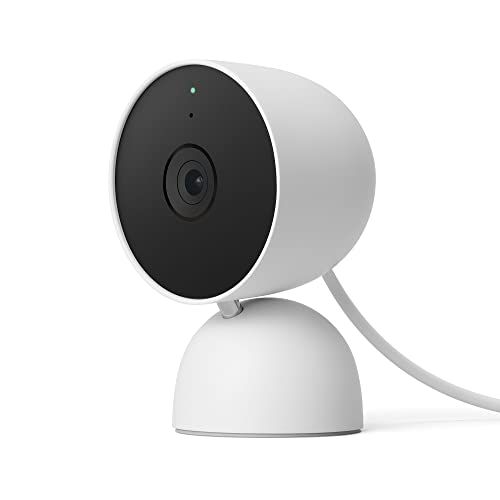
It’s well-suited for small rooms or casual listening environments where a subtle music background is desired.
In contrast, the Amazon Echo Dot (4th Gen) ups the ante with a 3.0-inch woofer and dual-firing tweeters, providing a more robust and immersive sound experience.
The larger driver size and additional tweeters result in richer sound reproduction with more pronounced bass and crystal-clear highs.
This makes the Echo Dot a better choice for audiophiles or those who prioritize high-quality audio playback in their smart speaker.
Enhanced Audio Features
Beyond just basic sound output, the Amazon Echo Dot (4th Gen) offers advanced features that elevate the audio experience.
With support for Amazon’s 3D audio and Dolby processing, the Echo Dot creates a more dynamic soundstage, transporting listeners into a surround-sound environment.
This level of audio processing enhances music appreciation, movie watching, and even gaming experiences on the smart speaker, making it a versatile companion for various entertainment needs.
Moreover, the Echo Dot’s adaptive sound technology assesses the acoustic properties of its surroundings and adjusts the audio output accordingly.
This feature ensures optimal sound performance regardless of the speaker’s placement in a room, maintaining consistent audio quality across different listening scenarios.
By intelligently adapting to its environment, the Echo Dot optimizes the listening experience for users without the need for manual adjustments.
Voice Assistant Capabilities
Both the Nest Mini and the Echo Dot (4th Gen) come equipped with virtual voice assistants – Google Assistant and Alexa, respectively.
These voice assistants allow users to control smart home devices, set reminders, check the weather, play music, and more, all through simple voice commands.
While Google Assistant is known for its natural language processing and integration with Google services, Alexa has a vast library of third-party skills and routines that cater to various user needs.
Whether you prefer Google’s search capabilities or Amazon’s wide range of smart home integrations, both voice assistants offer a seamless hands-free experience.
Google Assistant Features
Google Assistant, being developed by Google, is deeply integrated with the company’s ecosystem.
This means users can seamlessly access features such as Google search, Google Calendar, and Gmail through voice commands.
For example, users can ask Google Assistant to read out their upcoming calendar events, send emails, or even search for information on the web using their voice.
Moreover, Google Assistant is renowned for its natural language processing abilities, which allow for more conversational interactions.
Users can ask follow-up questions, provide context, and expect accurate responses from the assistant.
This feature makes the user experience feel more intuitive and personalized.
Alexa Skills and Routines
On the other hand, Alexa’s strength lies in its extensive library of third-party skills and routines.
These skills are essentially apps that can be enabled to add new functionalities to Alexa.
For instance, users can enable skills to order a pizza, check flight statuses, meditate, or even play interactive games through Alexa.
Recommended to our readers: Click here
Routines are sets of customizable actions that can be triggered with a single command.
Users can create routines to automate tasks like turning on specific smart lights, adjusting the thermostat, and playing a particular playlist with a single phrase.
This level of customization and automation enhances the overall smart home experience for Alexa users.
Personalized Preferences
Ultimately, the choice between Google Assistant and Alexa often comes down to personal preferences and specific use cases.
Users who heavily rely on Google services and prefer a more natural language interaction might lean towards Google Assistant.
On the other hand, individuals looking for a wide variety of third-party integrations and customizable routines might find Alexa more appealing.
Both voice assistants offer robust capabilities that cater to different user needs and preferences, ensuring a diverse range of options for consumers in the smart home market.

Smart Home Integration
Smart speakers serve as the central hub for controlling smart home devices, and both the Nest Mini and the Echo Dot excel in this aspect.
Google Nest Mini is compatible with a wide range of Google Nest and third-party smart home products, allowing users to create customized routines and automation.
On the other hand, Amazon Echo Dot (4th Gen) works seamlessly with various smart home brands, thanks to Alexa’s extensive compatibility.
Users can control lights, thermostats, security cameras, and more with just their voice, making it convenient to manage multiple smart devices from a single hub.
Benefits of Smart Home Integration with Smart Speakers
Recommended to our readers: Click here
One major benefit of integrating smart home devices with smart speakers like the Nest Mini and Echo Dot is the convenience it offers in managing all your connected gadgets from one central point.
This centralized control allows users to streamline their daily routines and increase efficiency in their homes.
Customization and Personalization Options
With the Google Nest Mini, users can create customized routines based on their preferences and needs.
For example, you can set up a “good morning” routine that turns on the lights, adjusts the thermostat, and plays your favorite news podcast with a simple voice command.
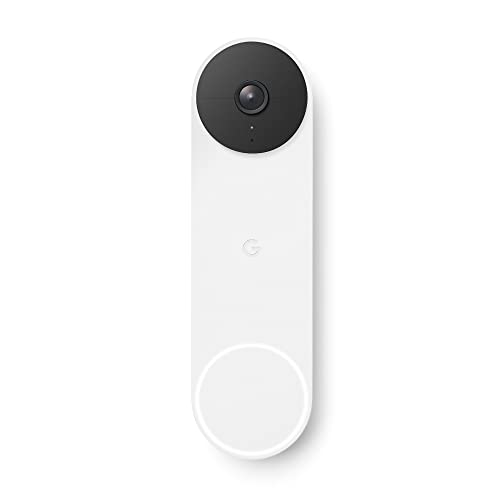
This level of customization adds a personalized touch to your smart home experience.
Expansive Compatibility for Seamless Integration
The Amazon Echo Dot boasts extensive compatibility with a wide range of smart home brands, ensuring seamless integration with various devices.
For instance, you can connect your Echo Dot to smart light bulbs, smart locks, and even thermostats from different manufacturers, providing you with flexibility in choosing and expanding your smart home ecosystem.
Voice-Activated Control for Hands-Free Operation
One of the prominent features of both the Nest Mini and the Echo Dot is their voice-activated control capabilities.
By simply using voice commands, users can dim the lights, lock the doors, or adjust the temperature without having to lift a finger.
This hands-free operation not only adds convenience but also enhances accessibility for individuals with mobility issues or disabilities.
Streamlining Home Security and Monitoring
Through smart home integration, users can enhance their home security with features such as video doorbells, smart cameras, and alarm systems that can be easily controlled through their smart speakers.
Recommended to our readers: Click here
For example, you can ask your Echo Dot to show you live video feed from your security camera or receive alerts about any unusual activity in your home, providing peace of mind and proactive monitoring capabilities.
Conclusion
In conclusion, the Google Nest Mini and Amazon Echo Dot (4th Gen) are formidable contenders in the smart speaker market, each offering unique features that cater to different user preferences.
If you prioritize sound quality and a wide array of third-party integrations, the Amazon Echo Dot (4th Gen) might be the ideal choice for you.
On the other hand, if you value eco-friendliness and seamless integration with Google services, the Google Nest Mini could be the perfect fit for your home.
Ultimately, the decision between these two smart speakers comes down to your specific needs and preferences.
Whether you are a music enthusiast, a smart home aficionado, or someone looking to streamline daily tasks, both the Google Nest Mini and Amazon Echo Dot (4th Gen) have something to offer in the ever-evolving world of smart home technology.
Choose wisely and let your voice assistant companion enhance your everyday living experience.
Key Features Comparison
When comparing the Google Nest Mini and Amazon Echo Dot (4th Gen), it’s essential to delve deeper into their key features to understand which smart speaker aligns better with your lifestyle.
The Amazon Echo Dot impresses with its powerful sound quality, making it a top choice for music lovers who want to fill their spaces with high-quality audio.
Its ability to connect seamlessly with various third-party apps and devices further enhances its versatility, allowing users to create a truly interconnected smart home ecosystem.

On the other hand, the Google Nest Mini boasts eco-friendly credentials, with its fabric cover made from 100% recycled plastic bottles.
This sustainable design not only reduces environmental impact but also adds a touch of style to any home decor.
Additionally, the Google Nest Mini’s deep integration with Google services such as Google Assistant and Google Home app ensures a smooth user experience for those already embedded in the Google ecosystem.
User Interface and Voice Control
Both the Google Nest Mini and Amazon Echo Dot (4th Gen) excel in providing intuitive user interfaces and reliable voice control functionalities.
Recommended to our readers: Click here
The Amazon Echo Dot features a light ring that indicates when Alexa is listening or responding, offering visual feedback that complements its voice-based interactions.
Users can effortlessly control smart home devices, play music, set reminders, and more with simple voice commands, enhancing convenience and hands-free operation.
In contrast, the Google Nest Mini’s LED lights offer a visual indicator of its status, providing a subtle and elegant way to interact with the device.
Google Assistant’s natural language processing capabilities enable seamless communication with the smart speaker, allowing users to ask questions, manage tasks, and control compatible devices with ease.
The integration of touch controls on the Google Nest Mini provides an additional layer of interactivity, giving users tactile feedback for adjusting volume or pausing media playback.
Customization and Personalization Options
Personalization options play a significant role in tailoring the smart speaker experience to individual preferences.
The Amazon Echo Dot offers a wide range of customization features, such as changing the wake word, setting preferences for music services, and creating routines to automate daily tasks.
Users can also utilize Alexa Skills to expand the capabilities of the device, adding functionalities like recipe recommendations, fitness tracking, and more.
Similarly, the Google Nest Mini provides customization options through the Google Home app, allowing users to personalize settings, create routines, and manage connected devices effortlessly.
With Voice Match technology, multiple users can access personalized content and receive tailored responses based on their voice profiles.
Recommended to our readers: Click here
The