Ghee vs Coconut Oil: Exploring the Battle of the Healthy Fats
With the rise of awareness about healthier dietary choices, the debate between ghee and coconut oil has gained significant traction.
Both these ingredients have been lauded for their potential health benefits and unique flavor profiles.
In this feature article, we delve into the world of fats, comparing ghee and coconut oil in terms of nutrition, culinary applications, and overall impact on health.
So, let’s dive in and unravel the mystery behind these two popular fats.
Nutritional Comparison:
When comparing ghee and coconut oil from a nutritional standpoint, it’s important to note their respective compositions.
Ghee is essentially clarified butter, which means it is primarily comprised of butterfat.
It contains a good amount of saturated fats, along with essential fatty acids like omega-3 and omega-6.
On the other hand, coconut oil is extracted from the flesh of coconuts and is known for its high concentration of medium-chain triglycerides (MCTs), particularly lauric acid.
MCTs are known for their quick energy release and potential metabolism-boosting properties.
While both ghee and coconut oil are calorically dense, the specific fatty acids they contain can have varying effects on the body.
Culinary Applications:
In terms of culinary applications, ghee and coconut oil offer distinct flavor profiles and cooking properties.
Ghee has a rich, buttery taste and a high smoke point, making it ideal for sautéing, frying, or even baking.
Its nutty aroma adds depth to dishes and is commonly used in traditional Indian cooking.
On the other hand, coconut oil imparts a subtle coconut flavor to dishes and solidifies at room temperature due to its high saturated fat content.
It is popular in vegan and paleo baking recipes, as well as in dairy-free cooking where a hint of tropical taste is desired.
Health Impact:
When it comes to the overall impact on health, the debate between ghee and coconut oil often centers around their effects on cholesterol levels and heart health.
Ghee, being a source of saturated fats, has been scrutinized for its potential to raise LDL (bad) cholesterol levels and contribute to cardiovascular issues if consumed excessively.
On the contrary, coconut oil’s unique composition of MCTs has sparked interest in its potential benefits for weight management, brain function, and heart health.
Recommended to our readers: Click here
Studies suggest that the MCTs in coconut oil may help increase HDL (good) cholesterol levels and promote a sense of fullness, which can aid in weight control.
By exploring the nutritional content, culinary versatility, and potential health impacts of ghee and coconut oil, individuals can make informed decisions about incorporating these healthy fats into their diet.
Understanding the Basics: What Makes Ghee and Coconut Oil Different?
Ghee, also known as clarified butter, is a staple in Indian cuisine and Ayurvedic medicine.
It is made by simmering butter to remove milk solids, leaving behind a golden liquid with a rich, nutty flavor.
On the other hand, coconut oil is extracted from the meat of coconuts and is praised for its medium-chain triglycerides that boast various health benefits.
Health Benefits of Ghee:
One of the key benefits of ghee is its high smoke point, which makes it ideal for cooking at high temperatures without breaking down into harmful compounds.
Additionally, ghee is rich in fat-soluble vitamins like A, D, E, and K, which are crucial for various bodily functions including immune support and hormone regulation.
Its butyric acid content has been linked to gut health benefits, promoting the growth of beneficial bacteria in the digestive system.
Furthermore, ghee is a source of conjugated linoleic acid (CLA), a type of fatty acid known for its potential anti-inflammatory properties.
Culinary Usage of Ghee and Coconut Oil:
In traditional Indian cooking, ghee is often used for its distinct nutty flavor and aroma, adding richness to dishes like dals, curries, and desserts.
Its versatility extends beyond Indian cuisine, as ghee can be a flavorful addition to sautéed vegetables, roasted meats, and even in baking recipes as a substitute for butter.

On the other hand, coconut oil is a popular choice for vegan and vegetarian cooking due to its plant-based origin.
It is commonly used in dishes where a hint of coconut flavor is desired, such as stir-fries, smoothies, and baked goods like coconut macaroons.
Moreover, coconut oil is a go-to ingredient in paleo and keto diets, as its medium-chain triglycerides are believed to aid in weight management and provide quick energy for the body.
Recommended to our readers: Click here
Cultural and Therapeutic Significance:
Ghee holds deep cultural and therapeutic significance in Indian traditions and Ayurveda.
It is often used in religious ceremonies, rituals, and special occasions to symbolize purity, nourishment, and prosperity.
In Ayurvedic medicine, ghee is considered a rejuvenating tonic that balances the doshas (mind-body types) and supports overall well-being.
Similarly, coconut oil has its own cultural associations in tropical regions where coconuts are abundant.
It is not just a cooking ingredient but also a beauty staple for nourishing hair and skin, as well as a component in traditional medicine practices for its cooling and soothing properties.
Nutritional Profile: Breaking Down the Components
When it comes to the nutritional profile, ghee is predominantly composed of saturated fats along with vitamins A, E, and K2.
Coconut oil, on the other hand, is high in saturated fats, particularly lauric acid, which is believed to have antimicrobial properties.
While ghee provides a good source of healthy fats, coconut oil is celebrated for its potential to boost heart health and immunity.

Saturated Fats in Ghee and Coconut Oil:
Saturated fats are a type of fat that is solid at room temperature.
Ghee is rich in saturated fats, mainly consisting of short-chain fatty acids.
These fats play a crucial role in providing energy to the body and aiding in hormone production.
On the other hand, coconut oil contains medium-chain triglycerides (MCTs), which are a type of saturated fat known for their quick absorption and conversion into energy by the body.
This makes coconut oil an easily accessible source of energy for immediate use.
Essential Nutrients Found in Vitamins A, E, and K2:
Vitamins A, E, and K2 present in ghee provide various health benefits.
Vitamin A supports vision, skin health, and immune function.
Vitamin E is a powerful antioxidant that helps protect cells from damage caused by free radicals.
K2, a less commonly known vitamin, is crucial for bone health and may contribute to cardiovascular health by aiding in proper calcium utilization.
These vitamins work synergistically to support overall well-being when incorporated into a balanced diet.
Lauric Acid in Coconut Oil and Its Antimicrobial Properties:
Lauric acid is a medium-chain fatty acid primarily found in coconut oil, making up about 45-50% of its total fatty acid content.
This unique compound has been studied for its potential antimicrobial effects, particularly against harmful bacteria, viruses, and fungi.
The antimicrobial properties of lauric acid may help support the body’s immune system by combating pathogens and promoting a healthy microbial balance in the gut.
Incorporating coconut oil into your diet can provide a natural way to enhance your body’s defense mechanisms.
Heart Health and Immunity Benefits of Ghee and Coconut Oil:
While ghee is a rich source of conjugated linoleic acid (CLA) and butyric acid, both of which have been linked to potential heart health benefits, coconut oil’s lauric acid content has been associated with improving cholesterol levels and promoting heart health.
Additionally, the medium-chain fatty acids in coconut oil are believed to support the immune system by enhancing the body’s ability to fight off infections and disease.
Consuming a combination of ghee and coconut oil in moderation can offer a holistic approach to supporting cardiovascular health and immunity.
Culinary Versatility: From the Kitchen to the Table
Recommended to our readers: Click here

In terms of culinary applications, both ghee and coconut oil offer unique flavors and functional properties.
Ghee has a higher smoke point compared to coconut oil, making it ideal for high-heat cooking methods like sautéing and frying.
Its rich, buttery taste adds depth to dishes, elevating the overall flavor profile.
Coconut oil, with its subtle coconut aroma, is often used in baking, stir-frying, and even as a dairy-free substitute in recipes.
Flavor Profiles:
Ghee, also known as clarified butter, imparts a distinct nutty and rich flavor to dishes that can enhance the overall taste experience.
The process of simmering butter to remove milk solids results in a smooth and buttery essence, adding decadence to both sweet and savory recipes.
In Indian cuisine, ghee is often used to create traditional dishes like dal makhani or butter chicken, where its intense flavor profile plays a key role in the dish’s authenticity.
Furthermore, ghee has a warmth to its flavor that can complement spices and herbs, making it a versatile ingredient in a range of global cuisines.
On the other hand, coconut oil brings a subtle hint of coconut flavor to dishes, which can add a tropical touch to various culinary creations.
Its mild taste pairs well with sweet and savory dishes alike, making it a versatile cooking oil.
In baking, coconut oil can impart a slight sweetness and moist texture to cakes, cookies, and breads, offering a unique twist to classic recipes.
Additionally, in Asian cuisines, coconut oil is often used in stir-fries to lend a delicate coconut aroma and enhance the overall umami of the dish.
Functional Properties:
Apart from flavor, ghee and coconut oil also boast distinct functional properties that cater to different cooking needs.
Ghee’s high smoke point of around 450°F (232°C) makes it suitable for high-temperature cooking methods such as searing meats or deep-frying.
Its stability at high heat prevents the formation of harmful compounds, resulting in crisp and flavorful dishes.
Additionally, ghee’s rich composition of saturated fats lends a creamy texture to sauces and curries, providing a luxurious mouthfeel.
Conversely, coconut oil’s low smoke point of around 350°F (177°C) makes it better suited for medium-heat cooking techniques like sautéing vegetables or baking.
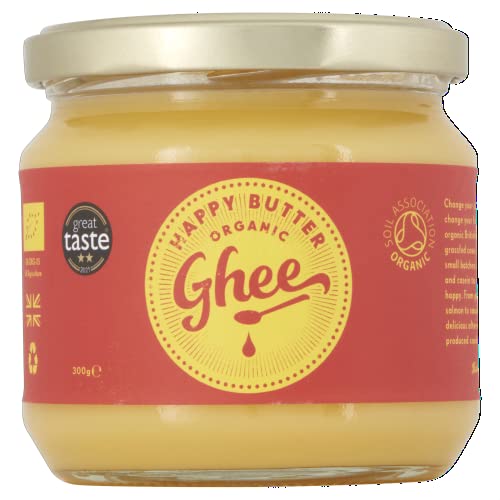
The medium-chain triglycerides present in coconut oil offer a quick source of energy when consumed, making it a popular choice for incorporating healthy fats into one’s diet.
Moreover, coconut oil solidifies at cooler temperatures, making it a versatile ingredient for creating dairy-free alternatives like vegan butter or cream in recipes.
Health Implications: Navigating the Wellness Landscape
The health benefits of ghee and coconut oil have sparked discussions among nutritionists and health enthusiasts alike.
While ghee is praised for its potential anti-inflammatory properties and gut-healing benefits, some caution against its high saturated fat content.
On the other hand, coconut oil’s medium-chain fatty acids are believed to support weight management and promote brain function, but concerns have been raised about its impact on cholesterol levels.
The Benefits of Ghee:
Ghee, a clarified form of butter commonly used in Indian cuisine, has gained recognition for its potential health benefits beyond just its rich flavor.
It is known for its high smoke point, making it a stable cooking oil that doesn’t break down easily at high temperatures, unlike other oils that can release harmful free radicals when heated.
This stability also means that ghee retains its nutrients during cooking, making it a good source of fat-soluble vitamins like A, D, E, and K.
Furthermore, ghee contains butyric acid, a short-chain fatty acid that is believed to have anti-inflammatory and gut-healing properties.
Butyric acid is thought to support the health of the intestinal lining and aid in digestion by promoting the growth of beneficial gut bacteria.
This can be particularly beneficial for individuals with digestive issues or inflammatory conditions such as Crohn’s disease or irritable bowel syndrome (IBS).
Recommended to our readers: Click here
Despite these potential benefits, it’s important to note that ghee is high in saturated fats, which have been linked to an increased risk of cardiovascular diseases.
While some studies suggest that the type of saturated fats in ghee may have a different impact on cholesterol levels compared to other sources of saturated fats, moderation is still key when incorporating ghee into your diet.
Consulting a healthcare provider or nutritionist can help you determine the appropriate amount of ghee to consume based on your individual health needs and risks.
Pros and Cons
| Feature | Ghee | Coconut Oil |
|---|---|---|
| Taste | Rich, nutty flavor | Subtle coconut aroma |
| Health Benefits | Potential anti-inflammatory properties | Aids in weight management |
| Culinary Versatility | Ideal for high-heat cooking | Used in baking and stir-frying |
Nutritional Profile
Ghee is known for its rich nutritional profile, containing essential fatty acids, fat-soluble vitamins like vitamin A, E, and D, and conjugated linoleic acid (CLA), which may have potential health benefits.
On the other hand, coconut oil is high in medium-chain triglycerides (MCTs), specifically lauric acid, which is thought to possess antibacterial and antiviral properties, supporting immune health.
Cooking Applications
Ghee’s high smoke point makes it perfect for high-heat cooking methods such as sautéing, frying, or roasting because it does not burn easily.
Its nutty flavor enhances the taste of dishes like curries, rice, or baked goods.
Coconut oil, with its subtle coconut aroma, is a popular choice for baking and stir-frying.
Due to its unique flavor profile, it’s commonly used in vegan or plant-based recipes to add a tropical twist.
Digestibility and Allergies
Individuals with dairy sensitivities often find ghee easier to digest since it is lactose-free and clarified to remove milk solids.
The process of making ghee involves simmering butter to separate the milk solids, leaving behind primarily the butterfat.
In comparison, coconut oil is a plant-based alternative suitable for those with dairy or animal product allergies.
Its light texture and pleasant taste make it a versatile option for individuals following specific dietary restrictions.
Environmental Impact
Recommended to our readers: Click here
When considering sustainability, coconut oil production has faced criticism for its impact on biodiversity and deforestation in regions where coconut palm cultivation occurs.
Recommended to our readers: Click here
Ghee, on the other hand, is made from butter, a byproduct of dairy production, which may have its own environmental concerns related to animal agriculture.
Consumers seeking environmentally conscious choices may want to research and consider the production processes and sourcing practices of ghee and coconut oil brands before making a decision.
Conclusion: Making Informed Choices for a Healthier Lifestyle
In the realm of ghee versus coconut oil, there is no one-size-fits-all answer.
Both these fats have their unique set of benefits and culinary uses, catering to diverse preferences and dietary needs.
Whether you choose to drizzle ghee over your roasted vegetables or opt for a spoonful of coconut oil in your morning smoothie, the key lies in moderation and balance.
In the end, the battle between ghee and coconut oil boils down to personal preferences, nutritional requirements, and culinary experiments.
So, next time you’re in the kitchen pondering which fat to use, remember that both ghee and coconut oil can be star players in your quest for healthy, flavorful meals.
Embrace the diversity of fats, savor the nuances of flavors, and let your palate guide you towards a fulfilling culinary journey.
Health Benefits of Ghee:
Ghee, a form of clarified butter, is a staple in Indian cooking and Ayurvedic traditions.
It is rich in fat-soluble vitamins like Vitamin A, D, E, and K, making it a valuable source of essential nutrients.
The presence of butyric acid in ghee is known to have anti-inflammatory properties and can aid in digestion.
Additionally, ghee is lactose-free, making it a suitable option for individuals with dairy sensitivities.
Culinary Versatility of Coconut Oil:
Coconut oil is a versatile fat that offers a distinct coconut flavor to dishes.
Its high smoke point makes it ideal for frying and sautéing, while its solid state at room temperature allows for its incorporation into baked goods as a dairy-free alternative.
Coconut oil is also a popular choice in vegan and plant-based cooking, adding richness and moisture to dishes without the need for animal products.

Finding Harmony in Moderation:
The key to reaping the benefits of both ghee and coconut oil lies in moderation.
While ghee is nutrient-dense and provides a unique flavor profile, consuming it in excess can lead to an increase in saturated fat intake.
Similarly, while coconut oil offers medium-chain triglycerides that may promote weight loss and provide energy, excessive consumption can lead to elevated cholesterol levels.
Striking a balance between these fats in your diet can help you enjoy their respective advantages without overindulging.
Blending Ghee and Coconut Oil in Recipes:
Experimenting with a combination of ghee and coconut oil in cooking can offer a harmonious balance of flavors and health benefits.
For instance, using ghee for its rich, buttery taste in baking and adding a touch of coconut oil for a subtle tropical essence can elevate the overall culinary experience.
This blend can be particularly useful in dishes where the flavors of ghee and coconut complement each other, such as in curries or sautéed vegetables.
Embracing a Varied Fat Profile:
Rather than viewing ghee and coconut oil as competitors, consider incorporating a variety of fats into your cooking repertoire.
Olive oil, avocado oil, and sesame oil, among others, bring their unique textures and flavors to culinary creations.
By embracing a diverse range of fats, you can explore different taste profiles, nutritional benefits, and cooking techniques, enhancing the depth and complexity of your dishes.