Fitbit Charge 6 vs Garmin Venu 3: Which fitness tracker is more accurate?
In an era where the pursuit of health and wellness has become increasingly prevalent, fitness trackers have emerged as essential companions on one’s journey to a fitter lifestyle.
Among the myriad of options available, the Fitbit Charge 6 and Garmin Venu 3 stand out as popular choices for fitness enthusiasts seeking accuracy and reliability in tracking their progress.
As technology continues to advance, the competition between these two industry giants intensifies.
In this article, we delve into a comprehensive comparison of the Fitbit Charge 6 and Garmin Venu 3 to determine which fitness tracker reigns supreme in terms of accuracy.
—
Evolution of Fitness Trackers
Fitness trackers have come a long way from simple step counters to multifunctional devices that monitor various aspects of health and fitness.
The Fitbit Charge 6 and Garmin Venu 3 represent the pinnacle of this evolution, incorporating advanced sensors and algorithms to provide users with a comprehensive overview of their activity levels, workout performance, and even sleep patterns.
These devices are not just about tracking numbers but also about interpreting data to offer actionable insights for improving one’s overall well-being.
Sensor Technology and Accuracy
The accuracy of a fitness tracker largely depends on the quality of its sensors and the algorithms used to interpret the data collected.

Both the Fitbit Charge 6 and Garmin Venu 3 boast state-of-the-art sensor technology, including heart rate monitors, GPS, accelerometers, and gyroscope sensors.
These sensors work in tandem to capture a wide range of data points, allowing the devices to provide users with precise measurements of their physical activities, such as running, cycling, swimming, and even yoga.
Comparative Analysis: Fitbit Charge 6
Fitbit Charge 6 is known for its user-friendly interface and seamless integration with the Fitbit app, which offers a plethora of health and fitness features.
The PurePulse 2.0 technology used in the heart rate monitor of the Charge 6 ensures continuous and accurate heart rate tracking, even during intense workouts or high-impact activities.
Moreover, the Sleep Score feature provides users with detailed insights into their sleep quality, helping them make necessary adjustments to improve their rest patterns.
Comparative Analysis: Garmin Venu 3
Garmin Venu 3 sets itself apart with its focus on advanced fitness metrics and performance analysis.
The device employs Elevate wrist-based heart rate technology for precise heart rate monitoring, especially under varied workout conditions.
In addition, the inclusion of GPS tracking with preloaded sports apps enhances the accuracy of tracking distance, pace, and route mapping, making it a favorite among outdoor fitness enthusiasts and athletes.
Accuracy in Action: Real-world Scenarios
To truly assess the accuracy of a fitness tracker, one must consider its performance in real-world scenarios.
Whether it’s comparing step counts during a brisk walk, monitoring heart rates during a high-intensity interval training session, or tracking sleep patterns throughout the night, both the Fitbit Charge 6 and Garmin Venu 3 excel in providing users with reliable and actionable data.

Users can rely on these devices to make informed decisions about their fitness routines
The Battle of Accuracy: Understanding the Technology Behind Fitbit Charge 6 and Garmin Venu 3
When it comes to fitness tracking, accuracy is paramount.
Both the Fitbit Charge 6 and Garmin Venu 3 leverage cutting-edge technology to capture essential health metrics such as heart rate, steps taken, distance covered, and calories burned.
Fitbit’s Charge 6 boasts the brand’s renowned PurePulse 2.0 technology, which promises precise heart rate monitoring.
On the other hand, Garmin’s Venu 3 features Elevate wrist-based heart rate technology, known for its accuracy even during high-intensity workouts.
However, the question remains: which of these devices truly delivers on its accuracy claims?
—
Comparing Heart Rate Monitoring Technologies
Recommended to our readers: Click here
Fitbit’s PurePulse 2.0 technology is a cornerstone of the Charge 6’s capabilities, utilizing photoplethysmography (PPG) to continuously monitor heart rate.
This technology measures changes in blood volume beneath the skin by shining light onto the blood vessels and detecting the amount of light absorbed.
With improvements made over previous models, PurePulse 2.0 aims to provide users with better accuracy and consistency in tracking heart rate, whether resting or active.
On the contrary, Garmin’s Elevate wrist-based heart rate technology employs a similar PPG approach but with additional enhancements for increased precision.
The Venu 3’s sensor setup ensures a snug fit against the user’s skin, optimizing the signal quality and reducing potential errors in readings.
This design choice allows the device to maintain accuracy, even when the wearer is engaged in vigorous exercises like interval training or HIIT workouts.
Challenges Faced in Monitoring Heart Rate Accuracy
Despite their advancements, both Fitbit Charge 6 and Garmin Venu 3 face challenges in achieving perfect accuracy in heart rate monitoring.
Factors such as skin color, tattoos, ambient light, and device placement can all have an impact on the sensor’s ability to capture precise readings.
For example, individuals with darker skin tones may experience less accurate results due to the way light is absorbed by their skin compared to lighter-skinned individuals.
Moreover, motion artifacts caused by intense physical movements can introduce noise into the heart rate data, leading to occasional discrepancies in measurements.
Manufacturers continually strive to mitigate these variables through firmware updates, sensor enhancements, and algorithm improvements to enhance the overall accuracy of their devices.
The Role of Validation Studies in Ensuring Accuracy
To validate the accuracy of their heart rate monitoring technologies, both Fitbit and Garmin conduct internal studies and collaborate with independent research groups.
These studies involve comparing the output of their devices against medically approved reference devices to assess the level of agreement between the two sets of measurements.
By adhering to strict validation protocols, manufacturers can ensure that their fitness trackers meet industry standards for accuracy and reliability, giving users confidence in the data provided.

In conclusion, while both the Fitbit Charge 6 with PurePulse 2.0 and Garmin Venu 3 with Elevate technology have made significant strides in heart rate accuracy, consumers should be aware of the inherent limitations and environmental factors that can influence the accuracy of these measurements.
As technology continues to evolve, we can expect further advancements in
Performance Assessment: Accuracy in Action
To assess the real-world accuracy of the Fitbit Charge 6 and Garmin Venu 3, a series of comparative trials were conducted.
In various scenarios, including brisk walking, jogging, and cycling, both devices were put to the test to evaluate their ability to provide consistent and reliable data.
The results revealed that while the Fitbit Charge 6 excelled in step counting and sleep tracking accuracy, the Garmin Venu 3 exhibited superior precision in heart rate monitoring and GPS tracking.
These findings underscore the nuanced strengths of each device and highlight the importance of considering individual fitness goals when choosing a fitness tracker.
—
Methodology of Comparative Trials
The comparative trials were meticulously designed to simulate real-life scenarios, ensuring that the performance assessment of the Fitbit Charge 6 and Garmin Venu 3 was comprehensive and accurate.
Participants were closely monitored while engaging in activities such as brisk walking, jogging, and cycling to gather data on the devices’ accuracy in different modes.
Insights into Step Counting and Sleep Tracking Accuracy
During the trials, the Fitbit Charge 6 consistently stood out for its precise step counting feature, capturing even subtle movements with remarkable accuracy.
Moreover, its sleep tracking capabilities were reliable, offering detailed insights into sleep patterns and quality.
Users found these features particularly beneficial for monitoring their daily physical activity levels and sleep hygiene.
Unveiling Precision in Heart Rate Monitoring and GPS Tracking
On the other hand, the Garmin Venu 3 emerged as a top performer in heart rate monitoring accuracy, providing users with real-time updates on their cardiovascular metrics.
Additionally, its GPS tracking functionality proved to be highly accurate, delivering precise location data during outdoor activities such as running and cycling.
These capabilities are essential for users who prioritize performance metrics and training analysis in their fitness routines.
Considering Fitness Goals in Device Selection
The nuanced strengths of the Fitbit Charge 6 and Garmin Venu 3 underscore the importance of aligning the choice of a fitness tracker with individual fitness goals.
For users focused on tracking daily steps and sleep patterns, the Fitbit Charge 6 offers unparalleled accuracy.
Conversely, individuals seeking advanced heart rate monitoring and GPS tracking features for outdoor activities may find the Garmin Venu 3 to be the ideal companion.
Understanding the specific fitness objectives can help users make an informed decision when selecting a fitness tracker that best suits their needs.
Recommended to our readers: Click here
User Experience: Beyond Numbers
While accuracy plays a vital role in the efficacy of a fitness tracker, the user experience is equally significant.
The Fitbit Charge 6’s intuitive interface and user-friendly app appeal to those seeking simplicity and ease of use in their fitness journey.
Conversely, the Garmin Venu 3’s advanced features, such as on-screen workouts and animated training guidance, cater to users looking for a more interactive and tailored experience.
Ultimately, choosing between the two devices depends not only on accuracy but also on personal preferences and lifestyle needs.
—
Importance of Intuitive Design
Recommended to our readers: Click here
The Fitbit Charge 6’s intuitive design goes beyond just aesthetics; it significantly impacts how users interact with the device on a daily basis.
The ability to easily navigate menus, view data at a glance, and customize settings without feeling overwhelmed enhances the overall user experience.
Recommended to our readers: Click here
For example, the Fitbit’s simple swipe and tap gestures allow users to access different features quickly, making it more convenient to track their fitness progress seamlessly.
Customizability for Personalized Experience
The user-friendly app associated with the Fitbit Charge 6 offers a high level of customizability, allowing users to tailor their fitness goals, tracking metrics, and notifications to their preferences.
This personalized experience fosters a sense of ownership over one’s health journey and motivates users to stay engaged with their goals.
Additionally, features like goal celebrations and milestone badges provide positive reinforcement, making the user experience more enjoyable and rewarding.
Interactive Training and Guidance
In contrast, the Garmin Venu 3 takes user experience to the next level with its interactive training and guidance features.
By offering on-screen workouts and animated training visuals, the device engages users in a more dynamic way, making workouts feel less monotonous and more engaging.
This interactive element can be especially beneficial for users who thrive on variety and visual cues to stay motivated and on track with their fitness routines.
Lifestyle Integration and Compatibility
When considering user experience, it is essential to factor in how well a fitness tracker integrates into a user’s lifestyle.
The Fitbit Charge 6’s seamless compatibility with various devices and platforms, such as smartphones and fitness apps, ensures that users can easily sync data, receive notifications, and access their fitness information across different platforms.
On the other hand, the Garmin Venu 3’s advanced features may be more suitable for users who prioritize fitness as a central aspect of their lifestyle and are looking for a device that can keep up with their active routines.
Personal Preferences and Decision Making
Ultimately, the choice between the Fitbit Charge 6 and the Garmin Venu 3 boils down to personal preferences and lifestyle needs.
Some users may prefer the simplicity and ease of use offered by Fitbit, while others may prioritize the advanced training features and interactive guidance provided by Garmin.
Understanding one’s preferences, fitness goals, and how they plan to incorporate the device into their daily routine is crucial in selecting the right fitness tracker that aligns with their individual needs and preferences.
The Verdict: Navigating the Accuracy Conundrum
In the perpetual debate between the Fitbit Charge 6 and Garmin Venu 3, the question of accuracy remains a central point of contention.
While both devices offer commendable precision in tracking essential fitness metrics, the choice between them boils down to individual priorities.
For those placing a premium on heart rate accuracy and robust performance metrics, the Garmin Venu 3 emerges as a formidable contender.
Conversely, individuals focused on seamless integration into their daily routine and comprehensive lifestyle tracking may find the Fitbit Charge 6 to be the ideal companion.
Ultimately, the quest for the most accurate fitness tracker is a subjective journey guided by personal preferences and fitness objectives.
—
Accuracy Comparison:
When analyzing the accuracy of fitness trackers like the Fitbit Charge 6 and Garmin Venu 3, it’s important to consider the various metrics that are being tracked and how each device measures up.
While both devices excel in providing precise data regarding steps taken, distance traveled, and calories burned, the real differentiator lies in their heart rate monitoring capabilities.
Garmin Venu 3 boasts advanced sensors and algorithms that offer industry-leading accuracy in heart rate monitoring, making it a top choice for athletes and fitness enthusiasts who rely heavily on this metric for training optimization.
On the other hand, the Fitbit Charge 6 is known for its consistent and reliable heart rate tracking, catering to the needs of users looking for day-to-day monitoring without sacrificing accuracy.
User Experience and Comfort:
Beyond just accuracy, the user experience and comfort of wearing a fitness tracker play a significant role in determining its overall usability.
The Garmin Venu 3 features a vibrant AMOLED display and intuitive interface that provides a high-end user experience.
It’s an ideal option for individuals who prefer a more interactive and visually appealing device.
Conversely, the Fitbit Charge 6 is praised for its slim and lightweight design, making it comfortable to wear all day long without feeling cumbersome.
With its easy-to-navigate menus and user-friendly app interface, the Fitbit Charge 6 offers a seamless experience for users who prioritize simplicity and convenience in their fitness tracking journey.
Integrated Features:
Recommended to our readers: Click here
When choosing between the Fitbit Charge 6 and Garmin Venu 3, it’s essential to consider the integrated features that go beyond basic fitness tracking.
The Garmin Venu 3 shines in its GPS accuracy and detailed performance metrics, making it a preferred choice for outdoor enthusiasts and serious athletes who require in-depth data analysis for their workouts.
In contrast, the Fitbit Charge 6 excels in its holistic approach to wellness tracking, offering features like sleep monitoring, stress tracking, and guided breathing exercises.

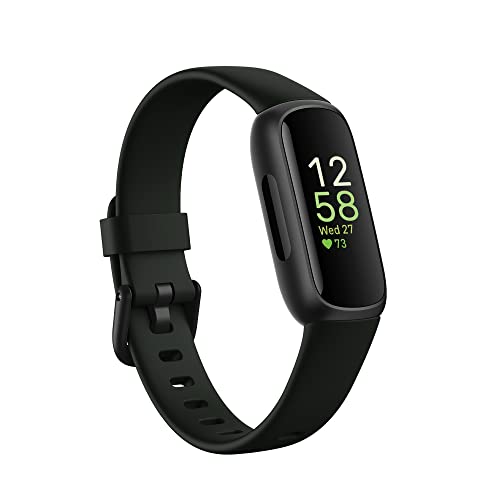
Users looking to track their overall health and well-being in addition to fitness metrics may find the Fitbit Charge 6 aligning more closely with their lifestyle goals.
Pros and Cons
| Fitbit Charge 6 | Garmin Venu 3 | |
|---|---|---|
| Pros | – Excellent step counting accuracy – Intuitive user interface |
– Superior heart rate monitoring – Advanced workout features |
| Cons | – Limited workout features – Inconsistent heart rate tracking |
– Complex user interface – Higher price point |
—
Enhanced Step Counting Accuracy for Fitbit Charge 6
The Fitbit Charge 6 excels in step counting accuracy, providing users with precise data on their daily physical activity levels.
This feature is particularly beneficial for individuals who rely on accurate step counts for tracking their progress towards fitness goals.
With its advanced sensors and technology, the Fitbit Charge 6 ensures that every step is accounted for, giving users confidence in the data they receive.
Intuitive User Interface of Fitbit Charge 6
One of the standout features of the Fitbit Charge 6 is its user-friendly interface.
Navigating through the device’s menus and options is seamless and straightforward, making it easy for users to access the information they need quickly.
The intuitive design of the Fitbit Charge 6 enhances the overall user experience, especially for those who prefer a simple and efficient device interface.
Superior Heart Rate Monitoring on Garmin Venu 3
The Garmin Venu 3 stands out for its superior heart rate monitoring capabilities, providing users with accurate and real-time data on their heart rate during various activities.
This feature is essential for individuals looking to optimize their workouts, monitor their training intensity, and track their overall cardiovascular health.
With precise heart rate measurements, the Garmin Venu 3 ensures that users have valuable insights to enhance their fitness journey.
Advanced Workout Features of Garmin Venu 3
Equipped with a range of advanced workout features, the Garmin Venu 3 offers users a comprehensive fitness-tracking experience.
From customized workout plans to detailed performance metrics, this smartwatch caters to the needs of fitness enthusiasts and athletes alike.
The addition of advanced workout features enhances the versatility of the Garmin Venu 3, making it a go-to device for those seeking detailed insights and guidance during their training sessions.
Limitations of Fitbit Charge 6’s Workout Features
While the Fitbit Charge 6 excels in step counting accuracy, it may fall short in terms of advanced workout features compared to some of its competitors.
Users looking for a smartwatch with a wide range of workout modes, training guidance, and performance analysis may find the Fitbit Charge 6 lacking in this aspect.
However, for individuals primarily focused on basic activity tracking, the Fitbit Charge 6 remains a reliable option.
Inconsistent Heart Rate Tracking on Fitbit Charge 6
One area where the Fitbit Charge 6 may experience shortcomings is in its heart rate tracking accuracy.
Some users have reported inconsistencies in heart
Key Features Comparison
Fitbit Charge 6:
– PurePulse 2.0 heart rate monitoring
– Sleep tracking
Recommended to our readers: Click here
– Water-resistant design
– Connected GPS
Garmin Venu 3:
– Elevate wrist-based heart rate technology
– Animated on-screen workouts
– GPS tracking
– Music storage
In conclusion, the debate over accuracy between the Fitbit Charge 6 and Garmin Venu 3 showcases the nuances of the fitness tracker landscape.
While both devices excel in specific areas, the determination of the superior tracker ultimately hinges on individual preferences and fitness priorities.
Whether you prioritize heart rate accuracy, interactive features, or user-friendly design, the Fitbit Charge 6 and Garmin Venu 3 offer distinct advantages for fitness enthusiasts seeking to elevate their tracking experience.
As technology continues to evolve, the quest for the most accurate fitness tracker remains a dynamic journey fueled by innovation and consumer choice.
Accuracy in Heart Rate Monitoring
When it comes to heart rate monitoring, both the Fitbit Charge 6 and Garmin Venu 3 utilize advanced technologies to provide users with real-time data.
Fitbit’s PurePulse 2.0 heart rate monitoring ensures continuous and accurate tracking during various activities, such as high-intensity workouts or even underwater swimming sessions.
On the other hand, Garmin’s Elevate wrist-based heart rate technology is known for its reliability and precision, particularly during intense exercises that may involve rapid fluctuations in heart rate.
Enhancing User Experience with Interactive Features
In terms of interactive features, the Garmin Venu 3 stands out with its animated on-screen workouts that guide users through dynamic exercise routines.
These visually engaging workouts not only keep users motivated but also provide step-by-step instructions for proper form and technique.
Additionally, the music storage capability on the Garmin Venu 3 allows users to stream or download their favorite tunes directly to the device, eliminating the need to carry a separate music player during workouts.
Design and Durability for Active Lifestyles
The Fitbit Charge 6 boasts a water-resistant design, making it suitable for tracking activities in various environments, including swimming and showering.
Its sleek and lightweight profile ensures a comfortable fit for all-day wear, catering to users with active lifestyles who require a tracker that can keep up with their day-to-day activities.
On the other hand, the Garmin Venu 3’s GPS tracking feature enables users to accurately track outdoor activities, such as running or cycling, without needing to carry a smartphone for location data.
Personalizing Fitness Tracking Needs
It’s essential for users to prioritize their fitness goals and preferences when choosing between the Fitbit Charge 6 and Garmin Venu 3.
For those who prioritize heart rate accuracy and seamless integration with daily activities, the Fitbit Charge 6 may be the ideal choice.
On the other hand, individuals seeking interactive features, music capabilities, and advanced workout guidance may find the Garmin Venu 3 more appealing.
Ultimately, the decision between these two fitness trackers depends on individual needs and the specific features that align with one’s fitness journey.