Fitbit Charge 4 vs Garmin Vivosmart 4: A Battle of Fitness Trackers
Wearable technology has revolutionized the way we track our health and fitness goals, offering a myriad of features in sleek, compact devices that adorn our wrists.
In the world of fitness trackers, two prominent contenders stand out: the Fitbit Charge 4 and the Garmin Vivosmart 4.
Both devices boast an array of functionalities designed to help users monitor their physical activities, sleep patterns, and overall wellness.
In this comparison, we delve deep into the features, design, performance, and overall user experience offered by these popular fitness trackers.
Features Comparison:
The Fitbit Charge 4 and Garmin Vivosmart 4 both come packed with an impressive set of features to cater to different aspects of health tracking.
One notable feature in the Fitbit Charge 4 is its built-in GPS, which allows for accurate tracking of outdoor activities without the need to carry a smartphone.
On the other hand, the Garmin Vivosmart 4 excels in its advanced sleep monitoring capabilities, providing insights into sleep stages, duration, and quality, helping users optimize their sleep patterns for better overall health.
In terms of activity tracking, both devices offer automatic exercise recognition, heart rate monitoring, and tracking of steps, distance, and calories burned.
The Fitbit Charge 4 introduces Active Zone Minutes, a metric that tracks your time spent in different heart rate zones during workouts, encouraging users to reach personalized fitness goals.
Garmin Vivosmart 4, on the other hand, prioritizes stress tracking and relaxation breathing timer, aimed at helping users manage stress levels and improve overall well-being.
Design and Comfort:
When it comes to design, the Fitbit Charge 4 sports a sleek and minimalist look with a choice of interchangeable bands, allowing users to customize the device according to their style preferences.
The display is bright and easy to read, making it convenient for quick glances during workouts or throughout the day.
In contrast, the Garmin Vivosmart 4 boasts a slim and lightweight design, blending seamlessly with everyday attire.
Its touchscreen display is sharp and responsive, offering a user-friendly interface for navigating through different metrics and settings.
In terms of comfort, both devices are designed to be worn all day long without causing discomfort or irritation.
The Fitbit Charge 4 features a secure buckle closure that ensures a snug fit on the wrist, while the Garmin Vivosmart 4 uses a flexible wristband material that conforms comfortably to the wrist, making it ideal for continuous wear, even during sleep.
Performance and Battery Life:
In terms of performance, the Fitbit Charge 4 offers smooth navigation through its menus and apps, responding promptly to user commands.
The device provides real-time tracking of various activities, delivering accurate data to help users stay on top of their fitness goals.
Additionally, the Fitbit app ecosystem offers a range of tools and features to analyze activity data, set goals, and track progress over time.
On the other hand, the Garmin Vivosmart 4 delivers reliable performance with its intuitive user interface and seamless syncing with the Garmin Connect app
Design and Display
When it comes to design, the Fitbit Charge 4 and Garmin Vivosmart 4 cater to different tastes.
The Fitbit Charge 4 features a more traditional fitness tracker design with a rectangular display and interchangeable bands.
Its touchscreen OLED display is vibrant and easy to navigate, displaying essential fitness metrics and notifications.
On the other hand, the Garmin Vivosmart 4 sports a slimmer, more discreet design with a hidden OLED display that blends seamlessly into the band, giving it a more understated look.
In terms of display quality, the Fitbit Charge 4’s larger screen offers better visibility in various lighting conditions, making it ideal for quick glances during workouts.
Meanwhile, the Garmin Vivosmart 4’s subtle display may appeal to users looking for a more discreet option that doubles up as a stylish accessory.
Fitbit Charge 4 Design Features:
The Fitbit Charge 4’s design encompasses a blend of functionality and style.
Its rectangular display provides ample space to showcase important fitness data such as heart rate, steps taken, and calories burned.
The option for interchangeable bands allows users to customize their look based on their outfit or mood, making the Fitbit Charge 4 a versatile accessory for everyday wear.
The touchscreen OLED display not only enhances visibility but also ensures a user-friendly experience, enabling seamless navigation through menus and notifications.
Garmin Vivosmart 4 Design Details:
The Garmin Vivosmart 4 excels in offering a sleek and minimalist design that caters to users who prefer a more discreet wearable.
The band seamlessly integrates the OLED display, giving the device a seamless and unified appearance.
This design choice makes the Vivosmart 4 not only a reliable fitness tracker but also a fashion-forward accessory that can easily transition from the gym to a social setting.
The smaller footprint of the Garmin Vivosmart 4 makes it comfortable to wear for extended periods without feeling bulky or obtrusive.
Display Quality Comparison:
The Fitbit Charge 4’s larger screen size grants it a competitive edge in terms of display quality.
Its vibrant OLED display delivers clear and crisp visuals that remain easily legible even under bright sunlight or low-light conditions.
This high visibility is particularly beneficial during workouts when users need quick access to their fitness stats without any readability issues.
In contrast, the Garmin Vivosmart 4’s more subdued OLED screen may appeal to users who prefer a discreet and minimalist look.
While the display is smaller, it still offers sufficient clarity for viewing essential information without compromising on style.
Fitness and Health Features
Both the Fitbit Charge 4 and Garmin Vivosmart 4 come equipped with a range of fitness and health tracking features to help users stay on top of their wellness goals.
The Fitbit Charge 4 excels in tracking various activities, including steps, distance, floors climbed, and heart rate.
It also features built-in GPS, allowing users to map their runs and hikes accurately without needing to carry their smartphones.
On the other hand, the Garmin Vivosmart 4 focuses more on advanced health metrics, such as body battery energy monitoring, stress tracking, and blood oxygen saturation levels.
These additional health insights can provide users with a deeper understanding of how their lifestyle choices impact their overall well-being.
Fitbit Charge 4 Fitness Tracking Features
The Fitbit Charge 4 offers a comprehensive set of fitness tracking features that cater to various activities and workout routines.
In addition to counting steps and measuring distance, this device also monitors floors climbed, which can be particularly beneficial for those focused on increasing their daily physical activity.
The inclusion of heart rate monitoring brings added value to users looking to understand their exertion levels during exercise and track improvements in cardiovascular fitness over time.
One standout feature of the Fitbit Charge 4 is its built-in GPS functionality.

By enabling users to track outdoor activities such as running and hiking with accurate distance and route mapping, the device eliminates the need to carry a smartphone for GPS tracking purposes.
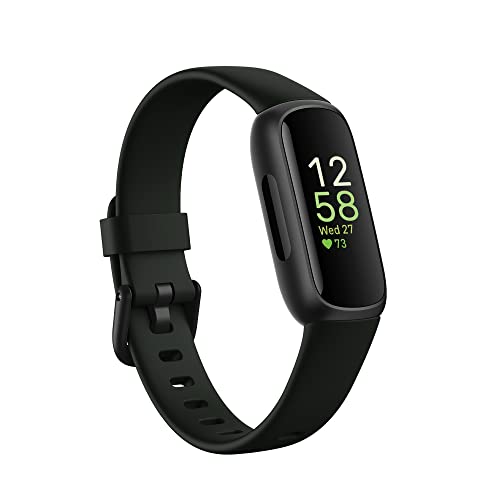
This not only enhances convenience but also ensures precise data collection for analyzing performance metrics and setting achievable fitness goals.
Garmin Vivosmart 4 Advanced Health Metrics
In contrast to the Fitbit Charge 4’s emphasis on activity tracking, the Garmin Vivosmart 4 delves deeper into monitoring advanced health metrics that provide insights beyond basic fitness parameters.
One notable feature is the body battery energy monitoring, which assesses users’ overall energy levels by analyzing factors like sleep quality, stress, activity levels, and heart rate variability.
This holistic approach to energy management can help individuals optimize their daily routines for improved well-being and performance.
Another standout capability of the Garmin Vivosmart 4 is its stress tracking feature, which utilizes heart rate variability data to provide users with real-time stress levels feedback.
This functionality can be instrumental in promoting mindfulness and stress management by raising awareness of triggers and patterns that contribute to elevated stress responses.
Recommended to our readers: Click here
Additionally, the device’s ability to monitor blood oxygen saturation levels offers insights into respiratory efficiency and overall cardiovascular health, enabling users to make informed decisions about their lifestyle habits and well-being strategies.
Performance and Battery Life
When it comes to performance, both devices offer reliable tracking capabilities, syncing data seamlessly with their respective mobile apps for in-depth analysis and goal setting.
The Fitbit Charge 4’s intuitive interface and user-friendly app make it easy for beginners to navigate and understand their fitness data.
However, some users may find the Fitbit app’s interface slightly overwhelming due to the plethora of features and settings available.
On the other hand, Garmin’s Connect app offers a more streamlined experience, focusing on presenting key metrics in a clear and concise manner.
Users who prefer a simpler, no-frills approach to tracking their fitness progress may find the Garmin Vivosmart 4 more appealing in this regard.


In terms of battery life, the Fitbit Charge 4 boasts an impressive seven-day battery life, making it a reliable companion for extended use without frequent recharging.
Conversely, the Garmin Vivosmart 4 falls slightly behind with up to seven days of battery life, making it a compelling choice for users looking for a balance between performance and longevity.
Recommended to our readers: Click here
Performance Metrics Comparison:
One key aspect to consider when evaluating the performance of fitness trackers like the Fitbit Charge 4 and Garmin Vivosmart 4 is the accuracy and consistency of their tracking metrics.
Fitbit is known for its reliable heart rate monitoring technology, which can provide users with valuable insights into their cardiovascular health and overall fitness levels.
On the other hand, Garmin’s Elevate wrist heart rate technology has earned praise for its precision in tracking heart rate during various activities, including high-intensity workouts and swimming sessions.
Both devices also offer sleep tracking capabilities to help users monitor their rest patterns and optimize their sleep quality over time.
Customization and Personalization Features:
While both the Fitbit Charge 4 and Garmin Vivosmart 4 excel in tracking fitness data, they also come equipped with a range of customization options to suit individual user preferences.
Recommended to our readers: Click here
Fitbit’s ecosystem allows users to personalize their dashboard with preferred metrics and health goals, offering a tailored experience that caters to different fitness routines and objectives.
Garmin, on the other hand, offers customizable watch faces and widgets that can be adjusted to display relevant data at a glance, such as step count, calories burned, and active minutes.
Users can also set up vibration alerts on both devices to receive notifications for incoming calls, texts, and calendar reminders, ensuring they stay connected without disrupting their fitness routine.
App Integration and Third-Party Compatibility:
In addition to their standalone features, the Fitbit Charge 4 and Garmin Vivosmart 4 are compatible with a variety of third-party apps and services to enhance the overall user experience.
Fitbit’s app ecosystem includes partnerships with popular fitness and nutrition platforms, allowing users to seamlessly sync their data across multiple applications for a comprehensive view of their health and wellness journey.
Garmin Connect integrates with platforms like Strava and MyFitnessPal, enabling users to leverage additional features such as route mapping, social challenges, and meal tracking to complement their fitness tracker experience.
This connectivity expands the functionality of the devices, giving users more tools to achieve their fitness goals effectively.
User Experience and Customizability
Recommended to our readers: Click here
The user experience plays a significant role in determining the overall satisfaction with a fitness tracker.
Recommended to our readers: Click here
Both the Fitbit Charge 4 and Garmin Vivosmart 4 offer customizable watch faces and interchangeable bands to suit individual preferences.
The Fitbit Charge 4’s ecosystem allows users to personalize their device with various clock faces and apps, enhancing its versatility and user engagement.
On the other hand, Garmin’s Vivosmart 4 provides users with the flexibility to customize their device with different colored bands and widgets, catering to those who value personalization and aesthetics.
Additionally, Garmin offers a wider range of watch faces, allowing users to choose styles that match their unique personalities and preferences.
Customization Options for Fitbit Charge 4:
Fitbit Charge 4 offers a plethora of customization options that go beyond just watch faces and bands.
Users have the ability to personalize their device by selecting from a variety of apps that cater to different fitness goals and lifestyle preferences.
For example, users can download apps for guided breathing exercises, water intake tracking, or even sleep monitoring, allowing them to tailor their Fitbit experience to suit their individual needs.
Furthermore, Fitbit’s ecosystem encompasses a wide array of clock faces ranging from sleek and minimalist designs to more vibrant and interactive options.
This variety ensures that users can find a style that resonates with their personal taste and aesthetic preferences.
Whether users prefer a classic analog clock face or a digital display with advanced fitness metrics, Fitbit provides ample choices for customization.
Enhanced User Engagement with Fitbit Ecosystem:
The Fitbit Charge 4’s customization features not only offer personalized aesthetics but also contribute to enhanced user engagement.
By allowing users to curate their device with apps that align with their wellness goals, Fitbit creates a more interactive and enriching user experience.
For instance, having a guided workout app directly on the device can motivate users to stay active and achieve their fitness objectives more effectively.
Moreover, the ability to switch between different clock faces based on mood or occasion adds a fun element to using the Fitbit Charge 4.
From elegant designs for formal events to playful themes for casual outings, users can express their personality through their wearable device.
This flexibility in customization fosters a deeper connection between users and their fitness tracker, encouraging long-term engagement and loyalty.
Conclusion
In conclusion, the Fitbit Charge 4 and Garmin Vivosmart 4 are both formidable contenders in the fitness tracker market, each catering to a different set of preferences and priorities.
The Fitbit Charge 4 shines in its comprehensive fitness tracking capabilities, built-in GPS, and intuitive app interface, making it an ideal choice for users focused on activity tracking and goal setting.
Conversely, the Garmin Vivosmart 4 excels in providing advanced health insights, stress tracking features, and a sleek, discreet design that blends seamlessly into everyday wear.
Users looking for in-depth health metrics and personalized insights may find the Garmin Vivosmart 4 to be the perfect companion on their wellness journey.

Ultimately, the choice between the Fitbit Charge 4 and Garmin Vivosmart 4 boils down to individual preferences regarding design, features, and user experience.
Whether you prioritize fitness tracking precision or holistic health insights, both devices offer a wealth of features to support your journey towards a healthier, more active lifestyle.
So, whichever tracker you choose, rest assured that you’ll have a reliable companion on your path to better health and fitness.
Comprehensive Fitness Tracking Capabilities of Fitbit Charge 4
The Fitbit Charge 4 boasts an array of sensors that track various aspects of your fitness journey, including heart rate, steps taken, distance traveled, calories burned, and floors climbed.
Additionally, it offers sleep tracking functionality to monitor your sleep stages and provide insights into your sleep quality.
With real-time activity tracking and detailed workout summaries, the Fitbit Charge 4 empowers users to stay on top of their fitness goals and progress.
Advanced Health Insights and Stress Tracking Features of Garmin Vivosmart 4
Garmin Vivosmart 4 sets itself apart with its Body Battery feature, which uses data such as heart rate variability, stress levels, and activity to estimate your body’s energy reserves and help you optimize your daily activities.
Moreover, its Pulse Ox sensor measures blood oxygen saturation levels during the night, providing valuable insights into your overall health and fitness.
The Garmin Vivosmart 4 also offers guided breathing exercises and relaxation reminders to help users manage stress and improve their well-being.
User-Friendly App Interface and Personalized Insights
Both the Fitbit Charge 4 and Garmin Vivosmart 4 come with companion apps that sync seamlessly with the devices, offering users a comprehensive view of their fitness and health data.
Recommended to our readers: Click here
The Fitbit app stands out for its user-friendly interface, customizable dashboard, and social features like challenges and leaderboards that motivate users to stay active.
On the other hand, Garmin Connect provides detailed analytics, personalized insights, and training recommendations based on your data, helping you make informed decisions to optimize your health and fitness routines.
Design and Wearability Considerations
While the Fitbit Charge 4 sports a more sporty and functional design, the Garmin Vivosmart 4’s slim and discreet profile makes it suitable for everyday wear, blending effortlessly with both casual and formal attire.
The choice between a bulkier but feature-packed design versus a sleeker, more fashion-forward look depends on individual preferences and lifestyle needs.
Catering to Diverse User Preferences
In the end, whether you lean towards the Fitbit Charge 4 or the Garmin Vivosmart 4 boils down to your specific priorities and goals in the realm of health and fitness.
If you value comprehensive activity tracking and goal setting, the Fitbit Charge 4 may be your ideal companion.
On the contrary, if you seek advanced health insights, stress management tools, and a stylish wearable, the Garmin Vivosmart 4