Celestron NexStar 130SLT vs Orion StarSeeker IV: A Comparative Analysis
The twinkling vastness of the night sky has captivated humanity for centuries, inspiring curiosity, wonder, and a desire to explore beyond our earthly realm.
For amateur astronomers, investing in a quality telescope can unveil the mysteries of the cosmos right from their backyard.
Two popular choices in the realm of computerized telescopes are the Celestron NexStar 130SLT and the Orion StarSeeker IV.
Let’s embark on a comparative journey to uncover the strengths, weaknesses, and unique features of these stargazing companions.
Captivating the Night Sky:
From the time ancient civilizations turned their gaze upwards, the twinkling vastness of the night sky has remained a constant source of fascination.
The allure of distant stars, planets, and nebulae has inspired generations to seek answers to fundamental questions about our place in the universe.
With advancements in technology, amateur astronomers now have the opportunity to bring the wonders of the cosmos closer to home through the lens of a telescope.
The Celestron NexStar 130SLT and the Orion StarSeeker IV stand out as popular choices among stargazers, offering a gateway to exploring the celestial sphere with precision and clarity.
Unveiling Celestial Mysteries:
The Celestron NexStar 130SLT, with its 130mm aperture and 650mm focal length, delivers impressive views of celestial objects such as the Moon, planets, star clusters, and even some deep-sky wonders like galaxies and nebulae.
Equipped with a computerized GoTo mount, this telescope guides users effortlessly to desired celestial targets with accuracy and ease.
Its intuitive hand controller allows for simple navigation through the night sky, making it an ideal instrument for both beginner and intermediate astronomers seeking to expand their astronomical horizons.
The Orion StarSeeker IV Experience:
Recommended to our readers: Click here
On the other hand, the Orion StarSeeker IV offers a comparable viewing experience with its 127mm aperture and 1540mm focal length, making it well-suited for observing a wide range of celestial phenomena.
This telescope is known for its robust build quality and user-friendly design, appealing to amateur astronomers looking for a reliable and efficient tool for stargazing.
The StarSeeker IV’s GoTo functionality enables users to locate and track celestial objects with precision, enhancing the observational experience and providing a deeper connection to the wonders of the universe.
Strengths and Weaknesses Comparison:

While both the Celestron NexStar 130SLT and the Orion StarSeeker IV excel in providing clear and detailed views of the night sky, each model has its distinct strengths and weaknesses.
The NexStar 130SLT’s compact design and ease of setup make it a convenient choice for backyard stargazing sessions or on-the-go observations.
However, some users may find its limited aperture size slightly restricting when viewing fainter deep-sky objects.
In contrast, the StarSeeker IV’s larger aperture offers enhanced light-gathering capabilities, making it better suited for observing dimmer celestial targets, although its
Unveiling the Celestron NexStar 130SLT
Features of the Celestron NexStar 130SLT
The Celestron NexStar 130SLT boasts a plethora of features that make it a top choice for both novice astronomers and seasoned stargazers alike.
One standout feature is its fully automated GoTo mount, which allows users to easily locate and track celestial objects with just the push of a button.
This advanced technology not only saves time but also ensures precise alignment and accurate tracking for an optimal viewing experience.
In addition, the telescope’s 130mm aperture and 650mm focal length deliver impressive views of celestial objects, making it ideal for observing planets, galaxies, and nebulae.
The high-quality optics and precision design of the NexStar 130SLT ensure sharp, clear images with minimal distortion, allowing users to fully appreciate the beauty of the night sky.
Moreover, this telescope comes equipped with a sturdy steel tripod that provides stability and support for long observation sessions.
The adjustable height of the tripod allows users to customize their viewing experience based on their preferred height and viewing angles, adding to the overall comfort and convenience of using the NexStar 130SLT.
Overall, the Celestron NexStar 130SLT is a versatile and powerful telescope that combines advanced technology with user-friendly features, making it a standout choice for astronomers of all levels.
Design and Build Quality
The Celestron NexStar 130SLT boasts a sleek and compact design, making it a versatile option for both beginners and seasoned enthusiasts.
Its sturdy construction ensures stability during observations, allowing for clear and steady views of celestial objects.
Equipped with a 130mm aperture and a focal length of 650mm, this telescope offers impressive light-gathering capabilities, ideal for exploring deep-sky phenomena such as nebulae and star clusters.
Sleek and Compact Design:
The sleek and compact design of the Celestron NexStar 130SLT makes it a standout choice in the realm of telescopes.
Its streamlined appearance not only adds to its aesthetic appeal but also enhances its portability.
This design feature allows users to easily transport the telescope to different observing locations, whether it’s a stargazing session in a backyard or a remote dark sky site.
The compact nature of the telescope also ensures that it can be conveniently stored when not in use, making it an excellent option for those with limited space.
Sturdy Construction for Stability:
The sturdy construction of the Celestron NexStar 130SLT is a key factor in ensuring stability and precision during observations.
The telescope’s robust build minimizes vibrations and movements, providing a steady platform for viewing celestial objects.
This stability is crucial, especially when observing faint deep-sky objects or capturing high-magnification views of planets and moons.
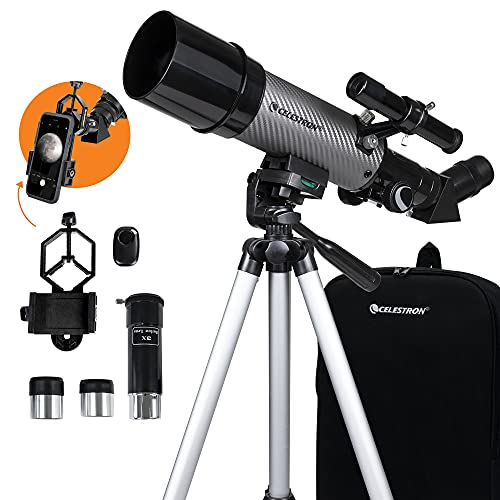
Additionally, the telescope’s durable construction contributes to its longevity, ensuring that it can withstand regular use and environmental conditions over time.
Impressive Light-Gathering Capabilities:

With a 130mm aperture and a focal length of 650mm, the Celestron NexStar 130SLT offers remarkable light-gathering capabilities that cater to a wide range of astronomical targets.
The generous aperture size allows the telescope to collect ample light, resulting in brighter and more detailed views of celestial objects.
This feature is particularly advantageous when observing dim objects such as distant galaxies or faint nebulae.
The telescope’s focal length also plays a crucial role in delivering sharp and well-resolved images, making it a versatile tool for exploring different types of astronomical phenomena with clarity and precision.
Performance and Ease of Use
One of the standout features of the Celestron NexStar 130SLT is its user-friendly interface, powered by a computerized hand control.
This technology enables quick and precise alignment, ensuring that even novice astronomers can easily locate and track celestial targets.
With a motorized mount that can automatically slew to specific objects at the touch of a button, observing the wonders of the night sky becomes a seamless and enjoyable experience.
Precision Alignment for Effortless Stargazing
The computerized hand control of the Celestron NexStar 130SLT revolutionizes the way users interact with their telescope.
By eliminating the guesswork involved in manually aligning the telescope, this advanced technology simplifies the stargazing process.
With just a few simple steps, users can effortlessly calibrate their telescope, allowing them to quickly pinpoint stars, planets, and other celestial objects with accuracy.
Enhanced Observing Experience
The motorized mount of the Celestron NexStar 130SLT adds a whole new level of convenience to astronomy enthusiasts.
Imagine being able to effortlessly track a moving comet or navigate through a star cluster by simply pressing a button on the hand control.
This automation not only saves time but also enhances the overall observing experience by making it more immersive and engaging.
Accessibility for All Skill Levels
Even if you’re just starting out in astronomy, the user-friendly interface of the Celestron NexStar 130SLT ensures that you can easily navigate the night sky like a seasoned astronomer.
Whether you’re a beginner or a seasoned stargazer, the intuitive design of the telescope’s controls caters to users of all skill levels, making it a perfect choice for families, schools, and astronomy enthusiasts of any age.
Optical Quality and Magnification
When it comes to optical performance, the Celestron NexStar 130SLT delivers crisp and detailed images of celestial objects.
Whether observing the intricate surface features of the moon or the distant rings of Saturn, users can expect clarity and sharpness in their viewing experiences.
With included eyepieces offering varying magnifications, astronomers have the flexibility to adjust their zoom level to capture different aspects of the night sky.

Enhanced Contrast and Color Fidelity
One of the standout features of the Celestron NexStar 130SLT is its ability to deliver enhanced contrast and color fidelity in celestial observations.
The high-quality optics of the telescope work together to minimize chromatic aberration and provide true-to-life colors, making planetary details and deep-sky objects appear vivid and well-defined.
This feature is particularly beneficial when studying nebulae, star clusters, and other faint celestial bodies, as it allows astronomers to discern fine details and subtle variations in color with exceptional clarity.
Versatile Magnification Options
In addition to the impressive optical quality, the Celestron NexStar 130SLT offers astronomers a range of versatile magnification options to suit different observing needs.
The telescope comes with a variety of eyepieces that can be easily swapped out to achieve varying levels of magnification.
This flexibility allows users to zoom in on specific features of celestial objects, such as the craters on the moon or the intricate cloud patterns on Jupiter, adjusting their viewing experience according to the target’s size and distance.
Resolving Fine Details
A key advantage of the Celestron NexStar 130SLT’s optical performance is its ability to resolve fine details in celestial objects with exceptional clarity.
Whether observing the rugged terrain of Mars or the delicate structure of galaxies millions of light-years away, users can appreciate the telescope’s capability to render intricate features sharply and precisely.
This level of detail enables astronomers to study the textures, shapes, and dynamics of celestial phenomena in depth, enhancing their overall viewing experience and understanding of the universe.
Exploring the Orion StarSeeker IV
User-Friendly Interface
The StarSeeker IV is equipped with a user-friendly interface that makes it easy for both beginners and experienced stargazers to navigate the telescope’s functions.
The hand controller features a simple menu system with intuitive navigation buttons, allowing users to effortlessly input coordinates or search for specific celestial objects.
Additionally, the controller has a built-in database of thousands of stars, galaxies, and other celestial bodies, making it convenient for users to explore the night sky without extensive prior knowledge.
Automatic Guided Tours
One standout feature of the Orion StarSeeker IV is its automatic guided tours functionality.
With just a few clicks on the hand controller, users can embark on pre-programmed tours of the best celestial sights visible in the current night sky.
These guided tours provide an immersive stargazing experience, highlighting interesting objects such as nebulae, star clusters, and planets.
This feature is particularly beneficial for beginners who may be overwhelmed by the vastness of the night sky, as it offers a structured and educational way to explore the cosmos.
GoTo Tracking System
The StarSeeker IV boasts a sophisticated GoTo tracking system that uses motorized mounts to automatically locate and track celestial objects with precision.
By entering the desired target into the hand controller, the telescope slews to the object’s coordinates and begins tracking it as it moves across the sky.
This feature eliminates the need for manual adjustments and allows users to focus on observing rather than constantly readjusting the telescope’s position.
Whether observing distant galaxies or planetary details, the GoTo tracking system enhances the stargazing experience by ensuring objects remain within the telescope’s field of view for extended periods.
Design and Technology
In the realm of computerized telescopes, the Orion StarSeeker IV stands out for its innovative features and robust design.
With a 102mm aperture and a 1300mm focal length, this telescope offers a balance between portability and performance.
Its dual-arm altazimuth mount provides stability and smooth tracking, allowing for precise positioning of celestial objects.
Features of the Orion StarSeeker IV
One significant feature of the Orion StarSeeker IV is its GoTo computerized system, which simplifies the process of locating and tracking celestial objects.
Users can select an object from the hand controller’s extensive database, and the telescope will automatically slew to the desired target.
This feature makes the telescope user-friendly for beginners while also catering to the needs of experienced astronomers.
Innovative Technology
The telescope’s database contains thousands of celestial objects, including planets, galaxies, and nebulae, making it a versatile tool for various observing sessions.
Additionally, the StarSeeker IV’s SkyAlign technology enables simple and accurate alignment procedures.
By selecting any three bright stars in the sky, the telescope can orient itself and calibrate to provide precise tracking capabilities.
Design for Performance and Portability
Despite its advanced features, the Orion StarSeeker IV remains compact and lightweight, allowing for easy transportation to different viewing locations.
The sturdy dual-arm altazimuth mount contributes to the telescope’s stability, reducing vibrations and ensuring smooth tracking even at high magnifications.
This design feature enhances the viewing experience by providing clear and steady images of celestial objects.
Versatility and Adaptability
The StarSeeker IV is compatible with a range of additional accessories, such as eyepieces, filters, and camera adapters, expanding its capabilities for astrophotography and specialized observations.
With the flexibility to adapt to varying observing preferences, this telescope caters to the diverse needs of users, from casual stargazers to dedicated astronomers.
GoTo Functionality and Database
An impressive aspect of the Orion StarSeeker IV is its advanced GoTo functionality, which utilizes a comprehensive onboard database of celestial objects.
With thousands of stars, planets, and deep-sky targets pre-programmed into its system, users can easily navigate the night sky and explore a wealth of astronomical wonders.
By simply selecting an object from the database, the telescope will automatically point towards it, taking the guesswork out of celestial observations.
Benefits of Advanced GoTo Functionality
Recommended to our readers: Click here
One of the primary benefits of the Orion StarSeeker IV’s advanced GoTo functionality is its user-friendly nature.
Novice astronomers or those new to stargazing can easily operate the telescope without extensive knowledge of the night sky.
This feature opens up the world of astronomy to a wider audience, making it more accessible and enjoyable for beginners.
Extensive Database of Celestial Objects
The onboard database of the Orion StarSeeker IV is a treasure trove for both amateur and seasoned astronomers.
It contains not only popular objects like the planets in our solar system and prominent stars but also a myriad of deep-sky objects such as galaxies, nebulae, and star clusters.
This wealth of celestial targets ensures that users have a diverse range of astronomical wonders to explore and study.
Customization and Exploration Options
The GoTo functionality on the Orion StarSeeker IV allows users to customize their observing sessions based on their preferences.
Recommended to our readers: Click here
For example, users can create custom observation lists or tour specific regions of the night sky by selecting multiple objects consecutively.
This feature enables users to tailor their stargazing experience to focus on specific celestial phenomena or astronomical events they wish to observe.
Precision Tracking and Alignment
The advanced GoTo system on the Orion StarSeeker IV not only points the telescope accurately towards selected objects but also ensures precise tracking to keep objects within the field of view for extended observation periods.
This level of precision is essential for capturing detailed images or conducting in-depth visual observations of celestial objects.
Recommended to our readers: Click here
Software Updates and Expansion Capabilities

The onboard database of the Orion StarSeeker IV can be updated periodically with new objects or celestial events, ensuring that users have access to the latest astronomical discoveries.
Additionally, some telescopes offer expansion capabilities, allowing users to download additional databases or software upgrades to enhance their observing experience further.
These updates ensure that the telescope remains relevant and up-to-date with the ever-evolving field of astronomy.
Accessories and Additional Features
Beyond its core functionality, the Orion StarSeeker IV comes equipped with a range of accessories to enhance the observing experience.
From smartphone integration for sky tracking to a red-dot finder scope for easy object alignment, this telescope offers versatility and convenience.
Additionally, features such as slow-motion controls and adjustable height make it customizable to suit individual preferences and observing styles.
Smartphone Integration
The smartphone integration feature of the Orion StarSeeker IV allows users to connect their mobile device to the telescope for an enhanced sky tracking experience.
By simply installing a compatible app, astronomers can easily identify and track celestial objects with precision using their smartphone.
This feature not only adds a modern touch to stargazing but also makes locating and observing specific targets more efficient.
Red-Dot Finder Scope
The red-dot finder scope included with the Orion StarSeeker IV is a valuable tool for aligning and locating objects in the night sky.
This non-magnifying sight helps beginners and experienced astronomers alike to quickly point the telescope at desired targets by projecting a red dot onto the sky.
Its user-friendly design and intuitive operation make it a popular accessory for enhancing the observational experience.
Recommended to our readers: Click here
Slow-Motion Controls
The presence of slow-motion controls on the Orion StarSeeker IV telescope allows for smooth and precise adjustments while tracking celestial objects.
These controls enable users to fine-tune the telescope’s positioning with minimal disruption to the viewing experience.
Whether following the movement of stars or observing planets, the slow-motion controls enhance control and accuracy, ensuring a more enjoyable and productive stargazing session.
Adjustable Height
The adjustable height feature of the Orion StarSeeker IV telescope adds another layer of customization to suit the preferences and comfort of different users.
By adjusting the telescope’s height, observers can find the most ergonomic position for viewing objects at various angles in the sky.
This flexibility not only enhances the overall observing experience but also promotes prolonged comfort during extended stargazing sessions.
Making the Choice: Celestron NexStar 130SLT vs Orion StarSeeker IV
As amateur astronomers weigh their options between the Celestron NexStar 130SLT and the Orion StarSeeker IV, several factors come into play.
Recommended to our readers: Click here
For beginners seeking a user-friendly telescope with robust performance, the NexStar 130SLT’s intuitive interface and reliable optics may be appealing.
On the other hand, enthusiasts looking for advanced features and a comprehensive database of celestial objects may find the Orion StarSeeker IV to be a compelling choice.
In the end, the decision between these two telescopes ultimately boils down to individual preferences, observing goals, and budget considerations.
Whether gazing at the rings of Saturn, exploring distant galaxies, or marveling at the craters of the moon, both the Celestron NexStar 130SLT and the Orion StarSeeker IV offer a gateway to the wonders of the cosmos.
Whichever path astronomers choose, the journey of discovery among the stars promises endless fascination and awe-inspiring moments in the vast tapestry of the universe.
Key Features Comparison:
When comparing the Celestron NexStar 130SLT and the Orion StarSeeker IV, it’s essential to delve into their key features to understand which telescope aligns best with specific preferences and requirements.
The NexStar 130SLT boasts a user-friendly design that appeals to beginners, with a simple setup process and an intuitive interface that allows for easy navigation of the night sky.
Its reliable optics ensure clear and crisp views of various celestial objects, making it an excellent choice for those new to astronomy.
On the other hand, the Orion StarSeeker IV caters to enthusiasts who seek advanced features and a more comprehensive database of celestial objects.
With its extensive catalog of celestial bodies and advanced tracking capabilities, the StarSeeker IV enables users to explore a wider range of astronomical phenomena with precision and accuracy.
Its additional features, such as dual-axis servo motors and SkyAlign technology, enhance the overall observing experience for seasoned astronomers.
Observing Experience:
Both the Celestron NexStar 130SLT and the Orion StarSeeker IV offer unique observing experiences that cater to different preferences and skill levels.
Beginners will appreciate the simplicity and ease of use of the NexStar 130SLT, which allows them to quickly locate and observe basic objects like the moon, planets, and prominent star clusters.
Its automated alignment system and built-in SkyTour feature make exploring the night sky a hassle-free and enjoyable experience for newcomers.
In contrast, the Orion StarSeeker IV provides a more immersive observing experience for experienced users who wish to delve deeper into the cosmos.
Its extensive database of over 42,000 celestial objects opens up a world of possibilities for observing galaxies, nebulae, and other deep-sky treasures.
The StarSeeker IV’s GoTo functionality and precision tracking capabilities enable astronomers to pinpoint elusive targets with ease, enhancing their ability to capture stunning views of celestial wonders.
Budget Considerations:
When deciding between the Celestron NexStar 130SLT and the Orion StarSeeker IV, budget considerations play a crucial role in the final decision-making process.
The NexStar 130SLT, with its affordable price point, offers excellent value for money for beginners looking to dip their toes into the world of astronomy without breaking the bank.
Its combination of user-friendly features and reliable performance makes it a cost-effective option for those on a tight budget.
On the other hand, the Orion StarSeeker IV’s advanced features and capabilities come at a higher price