Introduction
Tropical fish swimming gracefully, vibrant plants flourishing, and the calming sound of water gently flowing—maintaining a large aquarium is not merely a hobby but a way of life for many aquarists.
Central to the success of these underwater ecosystems are powerful filters that keep the water clean and balanced.
In the realm of large tanks, two heavyweights stand out: the Eheim Classic and the Fluval FX6.
These filters go head-to-head in a battle for supremacy, each boasting unique features and functionalities.
But which one truly reigns supreme in the realm of large tank filtration?
Let’s dive deep into the Eheim Classic vs.
Fluval FX6 debate to unravel the answer.
Importance of Proper Filtration in Large Aquariums
Maintaining a large aquarium is akin to managing a miniature ecosystem.
The health and well-being of fish and plants depend heavily on the quality of water they inhabit.
Proper filtration is crucial to remove waste, toxins, and other impurities that can quickly build up in a closed system.
In large tanks, the volume of water makes it even more challenging to maintain optimal water conditions without a reliable filtration system in place.
Eheim Classic: A Timeless Performer
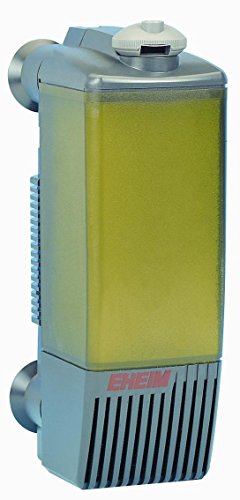
The Eheim Classic filter has established itself as a staple in the aquarium industry for its simplicity, efficiency, and longevity.
With a design that has stood the test of time, this filter offers a no-nonsense approach to filtration.
Its robust construction and quiet operation make it a favorite among aquarists who prioritize reliability and ease of use.
One of the standout features of the Eheim Classic is its ease of maintenance.
The filter can be quickly disassembled for cleaning, and its durable components ensure a long service life with minimal upkeep.
Aquarists appreciate the simplicity of the Eheim Classic, which delivers consistent performance without unnecessary bells and whistles.
Fluval FX6: Powerhouse Innovation
In contrast, the Fluval FX6 represents the cutting edge of aquarium filtration technology.
This powerhouse filter is designed to handle the demands of large tanks with its high flow rate and multi-stage filtration system.
Recommended to our readers: Click here
Equipped with advanced features such as self-priming capability and electronic monitoring, the Fluval FX6 offers convenience and efficiency for serious aquarists.
One of the key selling points of the Fluval FX6 is its filtration capacity.
The filter can effectively process a large volume of water, ensuring optimal water quality for even the most heavily stocked aquariums.
Additionally, its customizable media baskets allow aquarists to fine-tune their filtration setup according to specific requirements, making it a versatile choice for hobbyists with diverse needs.
The Basics of Eheim Classic and Fluval FX6
Why Choose Eheim Classic Filters?
Eheim Classic filters are known for their durability and reliability.
The brand has a long-standing reputation for producing high-quality filters that provide excellent mechanical and biological filtration for aquariums.
One of the key reasons why many aquarists choose Eheim Classic filters is their simple and straightforward design.
These filters are easy to set up and maintain, making them a popular choice for both beginners and experienced hobbyists.
Another important factor that sets Eheim Classic filters apart is their quiet operation.
The efficient motor and sound-dampening technology ensure that these filters run silently, creating a peaceful environment for both fish and their owners.
Additionally, Eheim Classic filters offer a range of sizes to suit different tank capacities, so whether you have a small nano tank or a large aquarium, there is a size available to meet your needs.
In terms of filtration performance, Eheim Classic filters excel at removing debris and waste from the water, resulting in crystal-clear water and a healthier aquatic ecosystem.
The multi-stage filtration process ensures that impurities are trapped and broken down effectively, creating a clean and safe environment for fish and other tank inhabitants.
The Superiority of Fluval FX6 Filters
Fluval FX6 filters are considered top-of-the-line filtration systems for larger aquariums.
These filters are known for their superior performance and efficiency in maintaining optimal water quality.
One of the standout features of the Fluval FX6 filter is its high flow rate, which allows for rapid water circulation and effective filtration throughout the tank.
The innovative design of the Fluval FX6 filter includes multiple filtration stages, including mechanical, biological, and chemical filtration.
This comprehensive filtration system ensures that all types of impurities are effectively removed from the water, promoting a healthy and balanced aquatic environment.
Another key advantage of the Fluval FX6 filter is its large media capacity, providing ample space for beneficial bacteria to colonize and thrive.
The biological filtration media in the FX6 filter supports the nitrogen cycle, breaking down harmful ammonia and nitrites into harmless nitrates.
This helps to establish a stable and biologically active filtration system that can support a diverse range of aquatic life.
Overall, the Fluval FX6 filter is a reliable and efficient choice for aquarium enthusiasts looking to maintain pristine water quality in larger tanks.
With its advanced features and high-performance capabilities, the FX6 filter is a popular option for aquarists who prioritize water clarity and fish health.
Pumping Power: Flow Rate and Capacity
Understanding Flow Rate:
Flow rate refers to the volume of fluid passing through a system per unit of time.
It is typically measured in liters per minute or gallons per hour.
In a pumping system, flow rate is a crucial factor as it determines how quickly a pump can deliver a specified amount of liquid.
For example, a pump with a higher flow rate will be able to fill a tank faster than one with a lower flow rate.
Factors Affecting Flow Rate:
Several factors can influence the flow rate of a pump, including the pump’s design, the diameter and length of the piping system, the viscosity of the fluid being pumped, and the presence of any obstacles or restrictions in the piping.
Understanding these factors is essential for optimizing the performance of a pumping system and ensuring that the desired flow rate is achieved.
Calculating Flow Rate:
The flow rate of a pump can be calculated using the formula Q = VA, where Q is the flow rate, V is the velocity of the fluid, and A is the cross-sectional area of the pipe.
By accurately calculating the flow rate, engineers and operators can determine the appropriate pump size and operating conditions for a specific application to meet the desired flow requirements efficiently.
Importance of Capacity:
Capacity refers to the maximum amount of fluid that a pump can deliver in a given period.
It is directly related to the pump’s flow rate and is a critical parameter when selecting a pump for a particular application.
Understanding the capacity of a pump ensures that it can meet the demand for liquid transfer within a specific timeframe without overload or inefficiency.
Filtration Technology and Media
Types of Filtration Media
There are several types of filtration media used in various filtration technologies.
Each type has unique characteristics and is suitable for specific applications.
Some common types of filtration media include:
– Activated Carbon: This media is effective in removing organic contaminants, odors, and chlorine from water.
Recommended to our readers: Click here
It can also adsorb heavy metals and some chemicals.
– Silica Sand: Silica sand is commonly used in pool filters as it effectively traps dirt, debris, and impurities from the water.
– Cellulose: Cellulose media is known for its high dirt-holding capacity and is often used in depth filtration systems for industrial applications.
– Anthracite: Anthracite is a type of coal that is used as a filtration media for water treatment processes.
It is particularly effective in removing turbidity and suspended solids.
Advances in Filtration Technology

In recent years, there have been significant advancements in filtration technology, leading to more efficient and cost-effective filtration solutions.
Some notable advances include:
– Membrane Filtration: Membrane filtration techniques, such as reverse osmosis and ultrafiltration, have become standard practices in many industries for their ability to remove microscopic particles and contaminants from water and other fluids.

– Nanofiltration: Nanofiltration is a relatively new filtration process that utilizes specialized membranes to filter out even smaller particles and ions than traditional methods.
Recommended to our readers: Click here
– Electrostatic Filtration: Electrostatic filtration technology uses electrostatic charges to attract and capture particles, providing high-efficiency filtration without the need for additional filter media.
These advances in filtration technology have not only improved the effectiveness of filtration processes but also contributed to reducing energy consumption and waste generation in filtration systems.
Maintenance and Ease of Use
User-friendly Interface
A user-friendly interface is crucial for any software to ensure that users can easily navigate through the application without confusion.
This includes having intuitive menus, clear icons, and helpful tooltips to guide users on how to perform various tasks within the software.
For example, having a simple drag-and-drop feature to upload files or an organized dashboard layout can significantly improve the user experience and make the software more user-friendly.
Regular Updates and Maintenance
Regular updates and maintenance are essential for software to ensure that it remains functional, secure, and up-to-date.
This includes fixing bugs, addressing security vulnerabilities, and adding new features based on user feedback.
Software that receives regular updates is more likely to stay relevant and meet the changing needs of users over time.
Consequently, this contributes to enhancing the overall user experience and satisfaction.
Recommended to our readers: Click here
Documentation and Support
Providing comprehensive documentation and support resources can greatly enhance the ease of use of software.
This includes user manuals, tutorials, FAQs, and customer support channels such as live chat or email support.
Clear and accessible documentation helps users troubleshoot issues on their own, reducing the need for assistance.
In addition, responsive and helpful customer support can further improve users’ overall experience with the software.
Environmental Impact
Industries with Significant Environmental Impact
Certain industries have a more significant environmental impact than others due to the nature of their operations.
Examples include the oil and gas industry, which is notorious for its carbon emissions and contribution to air and water pollution.
The agriculture sector is another notable player in environmental degradation, with practices such as pesticide use and deforestation leading to habitat destruction and soil degradation.
Effects on Biodiversity
One of the primary consequences of environmental impact is the loss of biodiversity.
When ecosystems are disrupted or destroyed by human activities, it leads to a decline in species diversity and overall ecosystem health.

For example, deforestation in the Amazon rainforest has caused numerous plant and animal species to become endangered or extinct due to habitat loss.
Water Pollution
Water pollution is a critical issue related to environmental impact, with industrial discharges, agricultural runoff, and improper waste disposal being major contributors.
Contaminants such as chemicals, heavy metals, and microplastics can have detrimental effects on aquatic ecosystems, leading to water quality degradation and harm to aquatic organisms.
For instance, nitrogen and phosphorus runoff from agricultural fields can cause algal blooms in water bodies, resulting in oxygen depletion and fish kills.
Conclusion
Pros and Cons:
| Features | Eheim Classic | Fluval FX6 |
|---|---|---|
| Flow Rate | Great for gentle water flow | Impressive flow rate suitable for large tanks |
| Filtration Capacity | May need additional media for heavy loads | High capacity for mechanical, biological, and chemical filtration |
| Maintenance | Straightforward and quick to clean | Complex cleaning process but infrequent |
| Noise Level | Quiet operation | May generate some noise |

With these aspects in mind, aquarists can make an informed decision based on their specific needs and priorities.
Flow Rate:
The Eheim Classic filter, with its design focused on providing a gentle water flow, is ideal for aquarium setups where fish and plants prefer calmer currents.
This feature makes it a suitable choice for smaller tanks or species that are sensitive to strong currents.
On the other hand, the Fluval FX6 boasts an impressive flow rate, making it perfect for larger tanks that require efficient water circulation.
Aquarists with large tanks housing multiple fish species or a significant bio-load will benefit from the FX6’s ability to maintain water quality effectively.
Filtration Capacity:
While the Eheim Classic may require additional media for handling heavy filtration loads, it still offers decent mechanical and biological filtration capabilities.
Aquarists can customize the filter media to suit their specific needs, whether it’s enhancing biological filtration or optimizing mechanical filtration for clearer water.
In contrast, the Fluval FX6 stands out with its high filtration capacity, providing ample space for mechanical, biological, and chemical filter media.
This versatile filtration setup ensures comprehensive water purification, making it a reliable choice for demanding aquatic environments.
Maintenance:
The Eheim Classic filter is known for its user-friendly design, allowing for straightforward and quick cleaning sessions.
Aquarists can easily access the filter components for maintenance tasks, ensuring that the filtration system operates efficiently over time.
On the other hand, the Fluval FX6, although it offers high filtration capacity, may have a more complex cleaning process.
However, the infrequency of required maintenance offsets this downside, making it a manageable task for hobbyists who prioritize performance and reliability in their aquarium equipment.
Noise Level:
For aquarists who value a peaceful aquarium environment, the Eheim Classic is a preferred choice due to its quiet operation.
The minimal noise produced by this filter ensures that the aquatic ecosystem remains undisturbed, promoting a stress-free habitat for fish and plants.
While the Fluval FX6 may generate some noise during operation, particularly with its impressive flow rate, it is important to consider the overall noise tolerance of the aquarium inhabitants and the location of the tank within the living space.