E-Collar Technologies Mini Educator vs Garmin Sport PRO: Which training collar is better?
In the world of dog training, electronic collars have been a topic of much debate.
While some view them as essential tools for effective training, others are concerned about their ethical implications.
Among the various brands and models available, two popular choices are the E-Collar Technologies Mini Educator and the Garmin Sport PRO.
Both claim to offer advanced features and benefits, but which one truly stands out as the better training collar?
In this comprehensive comparison, we will delve into the key aspects of these two devices to determine which one reigns supreme.
Ethical Implications of Electronic Collars in Dog Training
Electronic collars, commonly known as e-collars, have sparked ethical concerns among dog owners and trainers.
Critics argue that these devices can be harsh and inhumane, causing distress and potential harm to the dogs wearing them.
On the other hand, proponents of e-collars emphasize their utility in training, pointing out that when used correctly and responsibly, these tools can be effective in modifying behavior and improving communication between dogs and owners.
Advanced Features of the E-Collar Technologies Mini Educator and Garmin Sport PRO
Both the E-Collar Technologies Mini Educator and the Garmin Sport PRO come equipped with a range of advanced features designed to aid in training.
For example, the Mini Educator offers a wide range of stimulation levels, allowing trainers to customize the intensity based on the individual dog’s needs.
Alternatively, the Garmin Sport PRO includes features like tone and vibration modes, which can be valuable for training dogs with varying temperaments and sensitivities.
Durability and Water Resistance
When choosing a training collar, durability and water resistance are essential factors to consider.
The E-Collar Technologies Mini Educator boasts a waterproof design, making it suitable for outdoor and water-based training activities.
In contrast, the Garmin Sport PRO is also built to withstand the elements, ensuring that it remains functional even in challenging environments.
User Interface and Ease of Operation
An intuitive user interface and ease of operation can significantly impact the effectiveness of a training collar.
The Mini Educator is praised for its simple layout and user-friendly controls, allowing trainers to adjust settings quickly and efficiently.
Similarly, the Garmin Sport PRO features a user-friendly interface, with convenient buttons and menus that make navigation effortless, especially during training sessions requiring quick adjustments.
Training Range and Expandability
The range and expandability of a training collar play a crucial role in its versatility and effectiveness.
The Mini Educator offers an impressive range of up to 1/2 mile, providing trainers with ample coverage for off-leash training and behavior modification exercises.
On the other hand, the Garmin Sport PRO also offers a substantial training range and can be expanded to control multiple dogs, making it a versatile option for trainers working with more than one pet.
Introduction: Setting the Stage
Introduce the reader to the topic and the importance of choosing the right training collar for a dog.
Highlight the controversy surrounding electronic collars while emphasizing the need for effective training tools that prioritize the well-being of the dog.
Understanding the Debate: Electronic vs. Traditional Training Collars
When discussing the importance of choosing the right training collar for a dog, it is crucial to delve into the ongoing debate between electronic and traditional collars.
Electronic collars, also known as e-collars or shock collars, have sparked controversy due to concerns over their potential for causing harm or distress to dogs.
On the other hand, traditional collars like flat collars or martingale collars are seen as gentler alternatives that rely on positive reinforcement techniques.
Proponents of electronic collars argue that when used correctly and responsibly, they can be effective training tools for certain behaviors like recall or aggression.
However, opponents raise ethical concerns about the use of aversive methods and the risk of misuse leading to unnecessary suffering for the dog.
This debate underscores the need for pet owners to carefully evaluate the implications of their choice in training collars and consider alternatives that prioritize the well-being and mental health of their canine companions.
Prioritizing Positive Training Methods
In the quest for effective training tools, it is essential to emphasize methods that prioritize positive reinforcement and humane training practices.
Positive reinforcement involves rewarding desired behaviors with treats, praise, or play, encouraging the dog to repeat those behaviors in the future.
This approach not only fosters a strong bond between the dog and the owner but also promotes a positive learning experience for the animal.
Choosing the right training collar should align with a broader training philosophy that focuses on building trust, communication, and mutual respect between the dog and the owner.
By opting for methods that are based on understanding the dog’s behavior and motivations, pet owners can create a supportive and enriching training environment that nurtures a happy and well-adjusted pet.
Recommended to our readers: Click here
Considering Individual Needs and Preferences
When selecting a training collar for a dog, it is essential to take into account the individual needs, temperament, and learning style of the specific canine companion.
What works well for one dog may not be suitable for another, underscoring the importance of personalized training approaches.
Factors such as breed, age, size, and any pre-existing health conditions should be considered when determining the most appropriate collar for training purposes.
By tailoring the training methods and tools to suit the unique characteristics of the dog, pet owners can ensure that the training experience is effective, safe, and tailored to the dog’s well-being.
Consulting with a professional trainer or behaviorist can also provide valuable insights and guidance in selecting the most suitable training collar for a particular
Recommended to our readers: Click here
Design and Technology
Discuss the design aspects and technological features of the E-Collar Technologies Mini Educator and Garmin Sport PRO.
Explore how each device is constructed, the range of stimulation levels, modes of operation, and any unique innovations they offer.
Construction:
Both the E-Collar Technologies Mini Educator and Garmin Sport PRO are constructed with high-quality materials to ensure durability and longevity.
The Mini Educator features a compact and lightweight design, making it easy to handle and carry during training sessions.
Garmin Sport PRO, on the other hand, boasts a rugged and water-resistant construction, ideal for use in various outdoor conditions.
Stimulation Levels:
The E-Collar Technologies Mini Educator offers a wide range of stimulation levels, allowing users to customize the intensity based on their dog’s training needs.
With over 100 levels of static stimulation, vibration, and tone options, trainers can effectively communicate with their dogs without causing any discomfort.
In comparison, the Garmin Sport PRO also provides adjustable stimulation levels with 10 levels of continuous and momentary stimulation, enabling precise control over training cues.
Modes of Operation:
Both devices feature multiple modes of operation to cater to different training scenarios.
The E-Collar Technologies Mini Educator includes options such as momentary and continuous stimulation, as well as tone and vibration modes.
This versatility allows trainers to choose the most effective communication method based on their dog’s behavior and response.
The Garmin Sport PRO offers BarkLimiter technology in addition to its training modes, helping to address unwanted barking behavior while still providing effective training cues.
Unique Innovations:
The E-Collar Technologies Mini Educator stands out with its patented “Lock and Set” feature, which allows users to lock their selected intensity level to prevent accidental changes during training.
Recommended to our readers: Click here
This feature ensures consistency in training signals and helps maintain a clear communication channel between the trainer and the dog.
On the other hand, the Garmin Sport PRO incorporates Beacon Lights on the receiver collar, enhancing visibility in low-light conditions for added safety during training sessions in the evening or early morning.
By considering the construction, stimulation levels, modes of operation, and unique innovations of the E-Collar Technologies Mini Educator and Garmin Sport PRO, trainers can choose the device that best suits their training needs and their dog’s behavior.
Effectiveness and User-Friendliness
Delve into user experiences and reviews to gauge the effectiveness and ease of use of both training collars.
Share anecdotes from trainers and dog owners who have used these devices to provide real-world insights into their performance.
Expert Opinions and Comparative Analysis
In addition to user experiences and reviews, it is essential to gather insights from expert trainers and behaviorists to provide a comprehensive evaluation of the effectiveness and user-friendliness of different training collars.
By consulting professionals with diverse backgrounds and experiences in dog training, readers can gain a more nuanced understanding of how these devices perform in various training scenarios.
Case Studies and Training Scenarios
To further illustrate the practical application of training collars, presenting detailed case studies and specific training scenarios can offer valuable context for readers.
By outlining the challenges faced by both novice and experienced trainers, as well as the solutions provided by the collars, the article can enhance its credibility and relevance to a range of readers with differing levels of training expertise.
Long-Term Impact and Behavioral Changes
Examining the long-term impact of utilizing training collars on canine behavior is crucial for a comprehensive evaluation.
By exploring how dogs respond to consistent training methods over an extended period, the article can address concerns about the potential effects of using such devices on a dog’s well-being and behavior in the long run.
Highlighting success stories where behavioral changes were sustained can reinforce the effectiveness and ethical use of training collars in enhancing canine training outcomes.
Safety and Ethical Considerations
Examine the safety mechanisms implemented in the E-Collar Technologies Mini Educator and Garmin Sport PRO.
Address ethical concerns related to electronic collars and evaluate the measures taken by each brand to ensure the well-being of the dogs undergoing training.
Safety Mechanisms in E-Collar Technologies Mini Educator and Garmin Sport PRO
Both the E-Collar Technologies Mini Educator and Garmin Sport PRO come equipped with advanced safety mechanisms to ensure the well-being of the dogs during training sessions.
These safety features include adjustable stimulation levels, tone and vibration modes, and built-in safeguards to prevent accidental overstimulation.
The E-Collar Technologies Mini Educator, for instance, utilizes a patented “Blunt Pulse Stimulation” technology that delivers a gentler electronic stimulation compared to traditional collars, minimizing the risk of causing discomfort or harm to the dog.
It also features a tracking light on the collar itself, enhancing visibility and ensuring the dog’s safety during nighttime training sessions or outdoor activities.
The Garmin Sport PRO, on the other hand, incorporates features such as the “BarkLimiter” technology that distinguishes between desired training barks and nuisance barking, ensuring that the dog is not subjected to unnecessary corrective stimuli.
Additionally, it offers a built-in BarkLimiter that detects vocalizations and automatically adjusts the stimulation level to prevent accidental overcorrection.
Addressing Ethical Concerns
Electronic collars, despite their effectiveness as training tools, have raised ethical concerns regarding the well-being and potential harm they may cause to dogs.
It is crucial to address these ethical considerations and ensure that the use of electronic collars is done responsibly and ethically.
Both E-Collar Technologies and Garmin have taken significant measures to address these ethical concerns.
They provide detailed training guides and resources to help owners and trainers understand how to use the devices correctly, ensuring that the training is conducted in a humane and effective manner.
Additionally, these brands emphasize the importance of using positive reinforcement techniques in conjunction with electronic collar training to maintain a balanced and supportive training environment for the dog.
In terms of user control and customization, both the E-Collar Technologies Mini Educator and Garmin Sport PRO offer adjustable stimulation levels and modes, allowing trainers to tailor the training experience to suit the individual needs and sensitivities of each dog.
This customization helps ensure that the training is precise, effective, and minimizes the risk of overstimulation or discomfort.
By prioritizing safety, providing clear guidelines for proper usage, and emphasizing the responsible and ethical application of electronic collars, E-Collar Technologies and Garmin demonstrate a commitment to the well-being and welfare of dogs undergoing training with their products.
Pros and Cons
Highlight the strengths and weaknesses of each training collar based on the comparison points discussed in the article.
Recommended to our readers: Click here
Provide a concise summary of the key advantages and drawbacks of choosing either the E-Collar Technologies Mini Educator or the Garmin Sport PRO.
Key Advantages and Drawbacks of E-Collar Technologies Mini Educator:
The E-Collar Technologies Mini Educator stands out for its compact size and user-friendly design, making it a popular choice for pet owners looking for a straightforward training solution.
One of its primary strengths is the ability to control the collar remotely, enabling precise and consistent training outcomes.
This feature is particularly advantageous for reinforcing desired behaviors or discouraging unwanted ones, such as excessive barking or pulling on the leash.
The collar’s variable stimulation levels and gentle yet effective correction functions are also key benefits, as they cater to dogs of different temperaments and training needs.
However, some drawbacks of the E-Collar Technologies Mini Educator include limited battery life, which may require frequent recharging, especially for intensive training sessions.
Another potential downside is the range limitation, which could affect training effectiveness in large outdoor spaces or when working with highly energetic dogs that tend to roam far distances.
Additionally, while the collar is generally considered user-friendly, some pet owners may find the initial setup or programming process slightly complex, requiring a learning curve to fully utilize all features effectively.
Key Advantages and Drawbacks of Garmin Sport PRO:
On the other hand, the Garmin Sport PRO offers a robust and durable design suitable for more active dogs or those engaged in outdoor activities.
Its ergonomic remote allows for easy handling and quick access to training features, making it ideal for training on the go or in challenging environments.
The combination of tone, vibration, and stimulation functions provides versatility in training methods, catering to a wide range of training scenarios and behavioral corrections.
Moreover, the collar’s long-lasting battery life is a significant advantage, ensuring extended training sessions without frequent interruptions.
Despite its strengths, the Garmin Sport PRO may present some drawbacks, such as a slightly higher price point compared to other models in the market.
While the device’s rugged construction is a key feature, it may feel bulkier or heavier for some pet owners, especially those with smaller dogs or breeds that are more sensitive to equipment weight.
Additionally, the complexity of the remote control interface could be a hurdle for those new to electronic training collars, requiring time to familiarize themselves with the various settings and configurations available.
By exploring the nuanced strengths and weaknesses of each training collar, pet owners can make an informed decision based on their specific training needs, dog behavior, and personal preferences.
Conclusion: Making an Informed Decision

Summarize the key findings of the comparison and offer recommendations based on the specific needs of different dog owners and trainers.
Encourage readers to prioritize their dog’s well-being and training goals when selecting a training collar.
—
E-Collar Technologies Mini Educator vs Garmin Sport PRO: Which Training Collar is Better?
When it comes to training collars, the E-Collar Technologies Mini Educator and Garmin Sport PRO are two prominent contenders in the market.
Both devices offer a range of features aimed at improving training outcomes for dogs.
However, choosing the right collar requires a thorough understanding of their differences and capabilities.
Key Findings of the Comparison
– Training Modes and Stimulation Levels: The E-Collar Technologies Mini Educator offers a wide variety of stimulation levels and modes, allowing for a customizable training experience.
On the other hand, the Garmin Sport PRO focuses on simplicity with its streamlined training modes.
This difference caters to varying preferences among dog owners and trainers.
– Range and Reliability: The Mini Educator boasts an impressive range, ideal for working with dogs in vast outdoor areas.
In comparison, the Garmin Sport PRO may offer slightly less range but compensates with reliable performance even in challenging environments.
– Ease of Use and User Interface: While both collars are designed with user comfort in mind, the Mini Educator stands out for its intuitive interface and ease of navigation.
Garmin Sport PRO, on the other hand, emphasizes durability and simplicity in its design.
Recommendations Based on Specific Needs
– For Professional Trainers: Professional trainers who require a high degree of customization and flexibility in training sessions may find the E-Collar Technologies Mini Educator more suitable.
Its advanced features cater to the nuanced training requirements of experienced trainers.
Recommended to our readers: Click here
– For Novice Dog Owners: Novice dog owners or trainers looking for a straightforward and user-friendly training collar might lean towards the Garmin Sport PRO.
Its simplicity of operation can help beginners ease into using training collars effectively.
– Considering Dog’s Behavior and Temperament: It’s crucial for dog owners to consider their dog’s behavior and temperament when choosing a training collar.
For sensitive dogs, a collar with adjustable low stimulation levels like the Mini Educator may be more appropriate.
On the other hand, more resilient or energetic dogs might respond well to the simpler design of the Garmin Sport PRO.

Prioritizing Dog’s Well-being and Training Goals
When selecting a training collar, it’s vital for dog owners and trainers to prioritize their dog’s well-being above all else.
Understanding the specific training goals and needs of the dog will help in making an informed decision.
Whether it’s improving basic obedience, addressing behavioral issues, or enhancing off-leash control, choosing the right collar that aligns with these goals is crucial for the overall success of the training process.
By prioritizing the dog’s comfort, safety, and training requirements, owners can ensure a positive and effective training experience.
Design and Technology
The E-Collar Technologies Mini Educator boasts a compact and lightweight design, making it suitable for dogs of all sizes.
With a range of stimulation levels and a variety of modes, this collar provides versatility in training approaches.
On the other hand, the Garmin Sport PRO features a rugged build with a user-friendly interface, allowing for easy navigation of settings.
Its multiple training configurations cater to different training needs, from basic obedience to advanced commands.
E-Collar Technologies Mini Educator: Versatile Training Options
One key feature of the E-Collar Technologies Mini Educator is its wide range of stimulation levels, which enables trainers to choose the intensity that best suits the dog’s temperament and training requirements.
From gentle reminders for mild-mannered dogs to stronger corrections for more stubborn pups, this collar offers flexibility in adjusting the level of feedback.
Moreover, it includes various modes such as tone, vibration, and momentary or continuous stimulation, allowing trainers to customize their training approach based on their dog’s response and behavior.
This versatility makes it an excellent choice for addressing a wide range of training needs, from basic commands to solving behavioral issues.
Garmin Sport PRO: Durability and Intuitive Controls
The Garmin Sport PRO stands out for its durable construction, designed to withstand the rigors of outdoor training environments.
Whether it’s rain, mud, or rough terrain, this collar is built to last, ensuring reliability during training sessions in various conditions.
The intuitive interface of the Garmin Sport PRO makes it easy for trainers to navigate through settings and make adjustments swiftly.
The user-friendly controls provide quick access to different training configurations, allowing trainers to switch between modes effortlessly without interrupting the training session.
This seamless operation enhances the overall training experience, enabling trainers to focus on working with their dogs rather than struggling with complex settings.
Effectiveness and User-Friendliness
In terms of effectiveness, the Mini Educator is praised for its precise stimulation levels, enabling trainers to deliver consistent cues to their dogs.
The device’s ergonomic design and intuitive controls contribute to a positive user experience, especially for first-time users.
Meanwhile, the Sport PRO is lauded for its long-range functionality, making it ideal for outdoor training sessions.
Users appreciate its ease of operation and the seamless transition between training modes.
Precise Stimulation Levels in the Mini Educator
One notable feature that sets the Mini Educator apart is its precise stimulation levels, which can be finely adjusted to match the specific needs and sensitivities of individual dogs.

This level of customization allows trainers to provide consistent cues without overwhelming or underwhelming their furry companions.
With the ability to fine-tune the stimulation, trainers can effectively communicate with their dogs, whether for basic obedience training or behavior modification.
Ergonomic Design for Comfort and Ease of Use
The Mini Educator’s ergonomic design not only makes it comfortable to hold for extended periods but also enhances the overall user experience.
The strategically placed buttons and controls are easily accessible, allowing trainers to focus on their dogs without fumbling with the device.
The compact and lightweight build of the Mini Educator further adds to its user-friendliness, making it a convenient tool for both indoor and outdoor training sessions.
Long-Range Functionality for Flexible Training
The Sport PRO’s impressive long-range functionality opens up a world of possibilities for trainers looking to engage in outdoor training activities.
Whether working with hunting dogs or participating in field trials, the Sport PRO’s extended range ensures that trainers can effectively communicate with their dogs even from a distance.
This feature is particularly advantageous in scenarios where voice commands may not be practical, such as when working in noisy or challenging environments.
Transition Between Training Modes with Ease
Another key aspect of the Sport PRO’s user-friendliness is its seamless transition between different training modes.
Trainers can easily switch between stimulation levels, vibration, tone, and tracking modes with the simple press of a button.
This versatility allows for quick adjustments based on the training context and the dog’s response, ensuring a smooth and efficient training process.
The intuitive controls of the Sport PRO make it easy for both novice and experienced trainers to make the most of its capabilities.
Safety and Ethical Considerations
Safety is paramount when using electronic collars, and both the Mini Educator and Sport PRO prioritize the well-being of dogs.
The Mini Educator features innovative safety features such as “Lock and Set” to prevent accidental stimulation, ensuring a controlled training environment.
Similarly, the Sport PRO incorporates built-in BarkLimiter technology to distinguish between desired and undesired behaviors, promoting ethical training practices.
Importance of Proper Training and Application
Effective use of electronic collars heavily relies on proper training techniques and ethical application.
It is crucial for dog owners to understand the collar’s functionality and settings before using them on their pets.
Improper use can lead to negative consequences, such as fear, anxiety, or physical harm to the dog.
Customizable Intensity Levels for Gentle Correction
Both the Mini Educator and Sport PRO offer customizable intensity levels to provide gentle correction tailored to the individual dog’s needs.
This ensures that the corrective stimulation is effective without being unnecessarily harsh or punitive.
Dog owners can adjust the intensity based on their pet’s size, temperament, and response to the training.
Monitoring and Assessment Tools
In addition to safety features, these electronic collars also come equipped with monitoring and assessment tools to help dog owners track their pet’s progress during training sessions.
Features like remote tracking, stimulation controls, and behavior log functions allow for a comprehensive evaluation of the training process.
This data-based approach enables owners to make informed decisions and adjustments to training methods as needed.
Positive Reinforcement Integration
It is essential to complement the use of electronic collars with positive reinforcement techniques to promote ethical and effective training practices.
Positive reinforcement, such as verbal praise, treats, or playtime, reinforces desirable behaviors and helps build a strong bond between the dog and its owner.
By incorporating both corrective stimulation and positive reinforcement, dog owners can create a balanced training approach that prioritizes the well-being and happiness of their pets.
Pros and Cons
E-Collar Technologies Mini Educator
Pros:
– Compact and lightweight design
– Precise stimulation levels
– Ergonomic controls for user convenience
Cons:
– Limited range compared to other models
Garmin Sport PRO
Pros:
– Rugged build for durability
– Long-range functionality
– Easy navigation of settings
Cons:
– Relatively higher price point
– Bulkier compared to other models
*Table of Key Features and Review Summaries:*
| Features | Mini Educator | Sport PRO |
|---|---|---|
| Design | Compact and lightweight | Rugged build |
| Stimulation Levels | Precise levels | Variable levels |
| User-Friendliness | Ergonomic controls | Intuitive interface |
| Safety Features | Lock and Set | BarkLimiter technology |
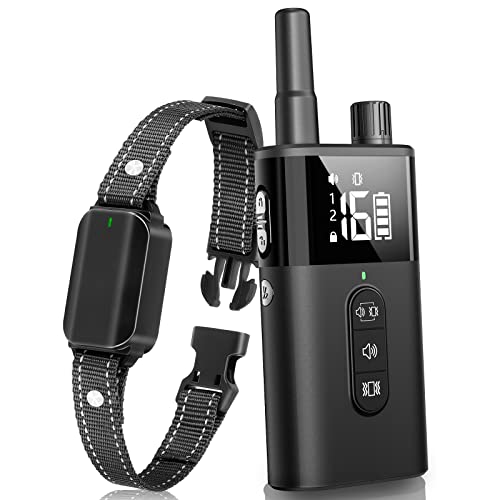
In conclusion, choosing between the E-Collar Technologies Mini Educator and Garmin Sport PRO depends on individual preferences and training requirements.
While the Mini Educator excels in compactness and precision, the Sport PRO stands out for its durability and range.
Ultimately, prioritizing a training collar that ensures the safety and well-being of your dog is essential in achieving successful training outcomes.
Make an informed decision based on your specific needs and training goals to foster a positive training experience for both you and your canine companion.
User Experience and Comfort
The E-Collar Technologies Mini Educator boasts a compact and lightweight design, making it ideal for pet owners who prioritize comfort during training sessions.
With its ergonomic controls, users can easily adjust settings without fumbling or hassle, enhancing the overall user experience.
This ease of use can lead to more effective training sessions as there is less time spent on device operation and more focus on communicating with your dog.
On the other hand, the Garmin Sport PRO, although bulkier in comparison, offers a rugged build that ensures durability even in rough outdoor conditions.
This sturdiness can be particularly beneficial for those who engage in outdoor activities with their dogs or have more active pets that may put the equipment through tougher wear and tear.
Customization and Control
One key aspect to consider when evaluating these two training collars is the level of customization and control they offer to suit your specific training needs.
The Mini Educator provides precise stimulation levels, allowing for a more tailored approach to training based on your dog’s behavior and response.
This level of customization can be particularly advantageous for pet owners working with sensitive or easily distracted dogs.
Conversely, the Garmin Sport PRO offers variable stimulation levels, giving users flexibility in adjusting the intensity based on the training scenario and the individual dog’s temperament.
This adaptability can be valuable for pet owners dealing with more stubborn or high-energy dogs that may require different levels of correction based on the circumstance.
Technological Advancements and Additional Features
Both the Mini Educator and Sport PRO come equipped with safety features to ensure the well-being of your dog during training sessions.
The Mini Educator’s Lock and Set feature helps prevent accidental changes to the stimulation levels, offering peace of mind to users worried about unintended adjustments.
On the other hand, the Garmin Sport PRO incorporates BarkLimiter technology, which can be beneficial for pet owners looking to address excessive barking behavior in addition to training commands.

Furthermore, the intuitive interface of the Garmin Sport PRO simplifies navigation of settings, making it easier for users to make adjustments on the go.
This user-friendly design can be particularly advantageous for those who prefer a straightforward approach to using training collars without the need for intricate setup processes.
Considering these additional details and features can help pet owners make a more informed decision when choosing between the E-Collar Technologies Mini Educator and Garmin Sport PRO, ultimately leading to a more tailored and effective training experience for both canine companions and their owners.