Dogtra 1900S vs Garmin Delta XC: Which is the better e-collar for training?
Introduction:
In the realm of dog training, electronic collars, or e-collars, have become valuable tools for reinforcing commands and correcting behaviors.
Among the various brands available, two popular options stand out: the Dogtra 1900S and the Garmin Delta XC.
Both promise to aid in training your furry companion effectively, but which one is truly superior?
Let’s delve into a comparative analysis to determine which e-collar reigns supreme.
Importance of E-Collars in Dog Training
Electronic collars have revolutionized the way we train our canine friends by providing efficient and swift feedback.
These devices are particularly useful in reinforcing commands and discouraging unwanted behaviors, offering pet owners a versatile tool to communicate with their dogs effectively.
When used correctly and with proper training techniques, e-collars can significantly enhance the training process and strengthen the bond between a pet and their owner.
Understanding the Dogtra 1900S and Garmin Delta XC
When comparing the Dogtra 1900S and the Garmin Delta XC, it’s essential to understand the unique features and functionalities that each e-collar offers.
The Dogtra 1900S is renowned for its range and durability, making it a popular choice among trainers working in large outdoor spaces or with dogs that need a higher level of stimulation.
On the other hand, the Garmin Delta XC is praised for its user-friendly design and versatility, catering to a wide range of training needs and preferences.
Considerations for Choosing the Right E-Collar
Recommended to our readers: Click here
Before determining which e-collar is better suited for your training needs, it’s crucial to consider factors such as your dog’s temperament, size, and specific training requirements.
Some dogs may respond better to certain types of stimulation or features offered by one e-collar over the other.
Additionally, assessing your training goals and preferred training methods can also play a significant role in selecting the most suitable e-collar for your furry companion.
Comparative Analysis of Features
To determine which e-collar reigns supreme between the Dogtra 1900S and Garmin Delta XC, a detailed comparative analysis of key features such as range, stimulation levels, battery life, ease of use, and durability is essential.
By examining how each e-collar performs in these aspects and considering how well they align with your training objectives, you can make an informed decision on which device is likely to be more effective and suitable for your dog training needs.
Training Modes and Stimulation Levels:
When it comes to training modes and stimulation levels, the Dogtra 1900S and Garmin Delta XC offer distinct features.
The Dogtra 1900S boasts precise stimulation control with 127 customizable levels, catering to a wide range of dog breeds and behavioral patterns.
Conversely, the Garmin Delta XC emphasizes simplicity with three main training configurations: tone, vibration, and stimulation.
While the Dogtra 1900S provides more granularity in intensity adjustment, the Garmin Delta XC’s streamlined approach may appeal to those seeking a straightforward training experience.
Dogtra 1900S Stimulation Levels:
The Dogtra 1900S stands out for its extensive 0-127 customizable stimulation levels, allowing for highly precise adjustments tailored to individual dogs’ needs.
This wide range of stimulation control ensures that trainers can find the optimal intensity level that effectively communicates with their dogs without being overwhelming.
For instance, a sensitive dog may respond well to a lower stimulation level, while a more stubborn or high-energy dog may require a higher setting for effective training results.

Garmin Delta XC Training Configurations:
In contrast to the Dogtra 1900S, the Garmin Delta XC offers a more simplified approach with three main training configurations: tone, vibration, and stimulation.
This straightforward design appeals to dog owners who prefer a more user-friendly and intuitive training system.
For example, the tone feature can be used as a warning signal or a form of positive reinforcement, while the vibration mode can serve as a non-static alternative to correctional training.
The stimulation option provides a range of levels to suit different training situations, giving trainers flexibility while maintaining simplicity in operation.
User Experience and Preferences:
Ultimately, the choice between the Dogtra 1900S and Garmin Delta XC depends on the user’s preferences and training goals.
Dog trainers who value precision and fine-tuning may prefer the Dogtra 1900S for its detailed stimulation adjustments.
On the other hand, pet owners seeking a more straightforward training tool may lean towards the Garmin Delta XC’s simplicity and easy-to-use features.
Consideration of the user’s comfort level with technology, experience in dog training, and the specific behavioral challenges of their dogs are key factors in selecting the most suitable training collar for their needs.
Range and Durability:
The range and durability of an e-collar are crucial factors to consider, especially for outdoor training sessions.
The Dogtra 1900S shines with an impressive range of up to ¾ of a mile, allowing trainers to maintain control even in larger spaces.
Additionally, its robust construction ensures durability in various weather conditions, making it ideal for active lifestyles.
On the other hand, the Garmin Delta XC offers a respectable range of ½ of a mile, coupled with a water-resistant design.

While it may not match the Dogtra 1900S in range, it still provides reliable performance for most training scenarios.
Factors Impacting Range and Durability
When considering the range and durability of e-collars, it’s essential to delve deeper into the factors that influence these key aspects.
Factors such as signal interference, terrain, and environmental conditions play a significant role in determining the effective range of an e-collar.
For instance, dense vegetation or hilly terrain can obstruct the signal transmission, reducing the range in practical training situations.
Durability is another crucial factor to assess when choosing an e-collar for outdoor training activities.
A sturdy construction that can withstand rough handling, impact, and exposure to elements like rain or dust is essential for ensuring the longevity of the device.
Look for e-collars that are built with high-quality materials and designed to withstand various weather conditions to ensure reliable performance over time.

Examples of Range and Durability in Action
To illustrate the importance of range and durability in e-collars, consider a scenario where a trainer is working with a high-energy hunting dog in a vast open field.
In this situation, having a long-range e-collar like the Dogtra 1900S allows the trainer to effectively communicate with the dog even at a considerable distance, providing precise feedback and guidance.
Furthermore, imagine a scenario where a trainer is conducting water training exercises with a retriever breed.
In such situations, having a water-resistant e-collar like the Garmin Delta XC is crucial to ensure the device remains functional despite exposure to moisture and splashes.
This illustrates how the durability features of an e-collar can directly impact its usability in different training environments.
Recommended to our readers: Click here
By considering these additional factors and examples, trainers can make informed decisions when selecting an e-collar that aligns with their specific training needs and challenges.
Recommended to our readers: Click here
Ease of Use and Ergonomics:
The user experience plays a pivotal role in determining the effectiveness of an e-collar during training sessions.
The Dogtra 1900S features a user-friendly design with intuitive controls and an ergonomic transmitter that fits comfortably in hand.
Its backlit LCD screen enhances visibility, even in low-light settings, ensuring seamless operation.
In comparison, the Garmin Delta XC opts for a compact, lightweight design that prioritizes portability and convenience.
Although it may lack some advanced features found in the Dogtra 1900S, its simplicity may appeal to novice trainers or those seeking a more straightforward setup.
Design Features
When it comes to design features, the Dogtra 1900S excels in providing a user-friendly experience.
The layout of the controls on the transmitter is thoughtfully organized, making it easy for users to navigate through different settings without fumbling or confusion.
Ergonomics also play a key role in enhancing usability – the transmitter is designed to fit comfortably in the hand, reducing user fatigue during long training sessions.
Additionally, the backlit LCD screen not only improves visibility in low-light conditions but also adds a touch of modernity to the device.
In contrast, the Garmin Delta XC may not boast as many advanced features as the Dogtra 1900S, but its compact and lightweight design should not be overlooked.
The device is easy to carry around, whether in your hand or pocket, making it ideal for users who are constantly on the move or prefer a more discreet training tool.
User Experience
The user experience with the Dogtra 1900S is further enhanced by its intuitive controls.
Novice trainers will appreciate how easy it is to adjust settings and modes on the device, allowing them to focus more on their training techniques rather than getting bogged down by complicated technology.
The responsive buttons and clear labeling make operating the e-collar a straightforward process, ensuring that trainers can quickly make corrections or reinforce commands without any delays.
On the other hand, the Garmin Delta XC’s simplicity is its selling point.
Users who are new to e-collar training or prefer a no-fuss approach will find the Delta XC a perfect fit for their needs.
The streamlined design and straightforward functionality make it a great entry-level option for those looking to incorporate e-collar training into their routine without feeling overwhelmed by too many features.
Customization Options
One area where the Dogtra 1900S shines is in its extensive customization options.
Trainers have the ability to fine-tune settings such as stimulation levels, training modes, and even assign different configurations for multiple dogs if needed.
This level of flexibility allows trainers to tailor the e-collar to suit their specific training goals and the temperament of their dogs, ensuring a more personalized and effective training experience.
While the Garmin Delta XC may not offer as many customization options as the Dogtra 1900S, its straightforward design still allows for basic adjustments to suit individual preferences.
Users can typically adjust stimulation levels and switch between different training modes to find what works best for their training sessions.
Battery Life and Charging Options:
Uninterrupted training sessions hinge on reliable battery life and efficient charging mechanisms.
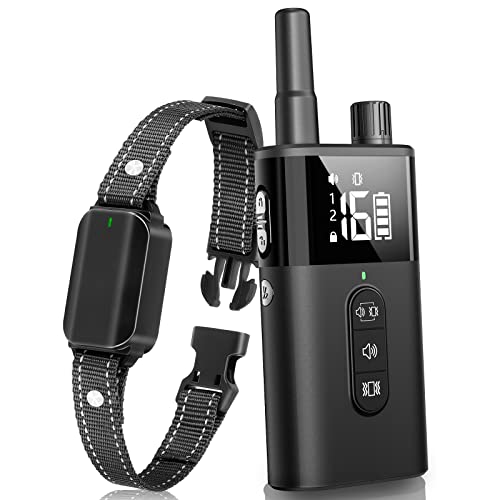
The Dogtra 1900S impresses with a long-lasting lithium-polymer battery that can endure multiple training sessions on a single charge.
Furthermore, its rapid charging capability ensures minimal downtime between sessions, enhancing training efficiency.
Conversely, the Garmin Delta XC incorporates a rechargeable lithium-ion battery that delivers decent performance but may require more frequent charging compared to the Dogtra 1900S.
While both e-collars offer practical charging solutions, the Dogtra 1900S excels in prolonged use without compromising performance.
Importance of Battery Life in Training Collars
Battery life is a critical factor to consider when choosing an electronic training collar, as it directly impacts the effectiveness and convenience of training sessions.
A long-lasting battery ensures that the e-collar remains operational for extended periods, allowing for uninterrupted training sessions without the hassle of frequently recharging the device.
Lithium-Polymer vs. Lithium-Ion Batteries
It is worth noting the difference between lithium-polymer and lithium-ion batteries in electronic training collars.
Lithium-polymer batteries, like the one in the Dogtra 1900S, are known for their higher energy density, lightweight design, and longer lifespan.
On the other hand, lithium-ion batteries, such as the one found in the Garmin Delta XC, are prevalent in various electronic devices, offering a balance between performance and cost-effectiveness.
Rapid Charging Technology for Efficiency
The rapid charging capability of the Dogtra 1900S is a standout feature that enhances training efficiency.
With quick charging times, trainers can minimize downtime between sessions and ensure that the e-collar is always ready for use.
This feature is particularly beneficial for professionals or avid trainers who rely on their equipment for consistent and effective training results.
Recommended to our readers: Click here
User-Friendly Charging Options
Both the Dogtra 1900S and Garmin Delta XC provide practical charging solutions for users.
The ease of charging an e-collar can significantly impact the overall user experience, especially for those who engage in frequent training activities.
Ensuring that the charging process is straightforward and efficient allows trainers to focus on their sessions without any interruptions or delays due to low battery issues.
Training Feedback and Customization:
Feedback mechanisms and customization options are pivotal in tailoring training regimens to suit individual dogs’ needs.
The Dogtra 1900S provides clear feedback through precise stimulation levels and distinct training modes, allowing trainers to fine-tune their approach based on their dog’s responses.
Additionally, its programmable options enable customized training protocols for diverse training objectives.
In contrast, the Garmin Delta XC offers simplicity in feedback through tone, vibration, and stimulation cues, catering to fundamental training requirements.
While it may lack the extensive customization of the Dogtra 1900S, its straightforward feedback system can yield effective results for many training scenarios.
Pros and Cons:
| Features | Dogtra 1900S | Garmin Delta XC |
|---|---|---|
| Training Modes | 127 levels for precise control | Tone, vibration, stimulation |
| Range | Up to ¾ mile | Up to ½ mile |
| Durability | Robust construction for various conditions | Water-resistant design |
| Usability | Intuitive controls and ergonomic design | Compact and lightweight |
| Battery Life | Long-lasting lithium-polymer battery | Rechargeable lithium-ion battery |

Conclusion:
In the realm of e-collars for dog training, the Dogtra 1900S and Garmin Delta XC each bring unique strengths to the table.
While the Dogtra 1900S excels in customizable features, extended range, and advanced training options, the Garmin Delta XC offers a more straightforward approach with essential training modes and compact design.
Ultimately, the choice between the two depends on individual training preferences, with experienced trainers likely to appreciate the Dogtra 1900S’s versatility, while novices may find the Garmin Delta XC’s simplicity appealing.
Whichever e-collar you choose, both options serve as valuable tools in enhancing your training sessions and fostering a strong bond with your furry companion.
Importance of Tailored Feedback and Customization
Tailoring training feedback and customization options is crucial in ensuring effective communication and learning between a dog and its trainer.
Dogs, like humans, have unique personalities, temperaments, and learning styles.
By offering a range of feedback mechanisms and customization features, e-collars can be adapted to cater to individual dogs’ specific needs.
Enhanced Training Capabilities with Precision Feedback
The Dogtra 1900S’s 127 levels of stimulation provide trainers with the ability to fine-tune the intensity of training cues, offering a precise and nuanced approach to behavior modification.
This level of control is particularly beneficial when working with sensitive or highly active dogs that may require a more tailored training regimen.
Additionally, distinct training modes, such as Nick and Constant stimulation, allow for versatile training techniques based on the dog’s responses.
Streamlined Training with Simplified Feedback
In contrast, the Garmin Delta XC focuses on simplicity by offering tone, vibration, and stimulation cues as straightforward feedback mechanisms.
This streamlined approach can be especially useful for novice trainers or dogs that respond well to clear and concise cues.
The Delta XC’s basic yet effective feedback system prioritizes fundamental training requirements, making it an accessible option for a wide range of training scenarios.
Personalized Training Protocols for Diverse Objectives
One of the key advantages of the Dogtra 1900S is its programmable options, which enable trainers to create customized training protocols tailored to specific objectives.
Whether the goal is to address behavioral issues, improve obedience, or enhance off-leash control, the Dogtra 1900S’s customization features allow for a personalized approach that adapts to the dog’s progress and individual training needs.
Practical Considerations for Training Success
Beyond training modes and feedback mechanisms, factors such as range, durability, usability, and battery life play a significant role in the overall effectiveness of e-collar training.
The Dogtra 1900S’s extended range of up to ¾ mile and durable construction make it suitable for training in various environments and conditions.
On the other hand, the Garmin Delta XC’s water-resistant design and compact, lightweight build enhance its portability and usability during training sessions.
Making an Informed Choice
When deciding between the Dogtra 1900S and Garmin Delta XC, trainers should consider their training preferences, experience level, and the specific needs of their dogs.
Those seeking advanced features, customization options, and extended range may gravitate towards the Dogtra