Introduction: The Technology Colosseum – Windows vs macOS
For developers across the globe, the eternal conundrum of ‛Windows or macOS?’ is far from resolved.
Two tech giants, with unique offerings and tailored experiences for users, fuel a discourse as robust and complex as the systems they have engineered.
This article will journey into the merits of both, honing in on their pros and cons through a developer’s lens.
The Tech Titans Behind the Scenes
With the proliferation of technology, lives around the world have been drastically streamlined and revolutions in technological paradigms have been constant.
Central to this revolution are two tech titans: Microsoft and Apple, each boasting their respective operating systems- Windows and macOS.
Recommended to our readers: Click here

These two pioneering competitors stand at the frontlines of the tech industry, akin to gladiators in a technology Colosseum, with the developer community as their spectators, continually weighing up the benefits and drawbacks of each platform.
A Historical Look into the Competition
The rivalry of Windows vs macOS can be traced back to the mid-1980s when Microsoft extended its hand to Apple for a partnership.
However, fate soon twisted the relationship into a fierce rivalry, with each pushing the limits of technological possibilities and still do to this very day.
Over the years, the two systems have undergone significant evolution, with the aim of not only attracting new users and retaining existing ones but also appealing to the tech communities involved in creating software solutions to everyday problems.
Unique Offerings – A Double-Edged Sword

Windows and macOS were built with two different end-users in mind, thus, resulting in distinctly unique offerings.
While Windows came to be recognized for its compatibility and wide reach, macOS is praised for its smooth functionality and high security.
Microsoft’s Windows has been traditionally associated with adaptability given the extensive amount of software available.
On the other hand, Apple’s macOS has been adored and often chosen by creatives and professionals for its streamlined design and seamless utilization of software and hardware.
These unique offerings form a narrative of competition that continues to evolve and be dynamic in its nature, adhering not just to market trends but also to the expectations of the world’s technology communities.
Developer Lens – A Crucial Perspective
Through a developer’s lens, the choice between Windows and macOS can be far from simple, being influenced by a multitude of factors.
These can range from features such as usability and compatibility, security, development tools availability, to even the coding language and the developer’s overall familiarity and comfort with the system.
Furthermore, both ecosystems cater to a host of developer tools and software, each offering different pros and cons.
The future of this technology Colosseum is sure to be influenced by the developers who are creating the next wave of technological interventions.
On our journey into the merits of both Windows and macOS, we will carefully evaluate and consider these unique aspects, shedding light on their strengths and
The Developer’s Conduit: Operating System Explained
Understanding the prominence of the OS choice in a developer’s life necessitates a basic grasp of what an operating system does.
It’s the lifeblood of a computer, serving as a conduit between the hardware and user.
It manages memory, processes, software, and hardware, performing intricate tasks with the grace of a symphony conductor.
For developers, this orchestra pit when maintained can propel the programming harmony into a rhapsody of efficiency.
The Lifeblood of a Computer: Functionality of an Operating System
An operating system (OS) truly serves as the cardiovascular system of a device much like our heart functions within our bodies.
Remarkably analogous to our bodies, it pumps life into the system— from initiating boot-up operations, directing data flow, to orchestrating shutdown procedures.
The user interface (UI), seen as the face of the OS, further simplifies communications between the computer and the user.
The UI can either be a text-based command line interface (CLI), where users feed in commands, or a graphical interface (GUI) where visuals and icons offer a more user-friendly operation.
The Orchestra Conductor: Process and Memory Management
Relating an operating system to a symphony conductor isn’t an exaggeration.
Just like a skilled conductor oversees the harmony of the entire orchestra, an OS masterfully manages multiple processes running simultaneously on a machine.
This includes scheduling processes based on priority, maintaining a delicate balance, so that system resources are shared effectively.
The operating system also remains responsible for memory management, a crucial aspect that involves allocating and tracking memory spaces for different processes.
Through an approach akin to musicians following the sheet music, the operating system assigns memory chunks to applications and data.
In this context, the memory management typically sort tasks into two main categories: primary memory operations which usually include RAM, and secondary memory tasks that involve hard drives or solid-state drives.
Software and Hardware: The Harmonious Symmetry
The operating system plays a significant role in managing the software and hardware installed on a computer.
Much like how a violin and a cello produce different sounds even when they play the exact same note, various pieces of hardware and software come with their unique characteristics.
The OS ensures that these individual components, despite their differences, work together in a seamless harmony.
It acts as a translator, interpreting software applications’ needs and adjusting hardware functionality to accommodate those needs.
Developers and OS: Rhapsody of Efficiency
Just like a concert involving many skilled musicians, developers rely heavily on operating systems to keep their work streamlined and efficient.
Operating systems support developers by providing them with an environment that can run myriad, concurrent processes efficiently whilst supplying them with necessary resources when needed.
This creates a rhythmic programming harmony that has each process, whether part of a large application or a one-off task, performing in sync.
This streamlined operation ensures that developers can work productively, and applications run smoothly, creating
Windows: The Populist Performer
Windows, developed by Microsoft, is the de facto OS for the largest cross-section of computer users worldwide.
As a consequence, it inherently offers a broader testing environment for developers.
Its reputation as the ‘people’s champion’ finds its roots in compatibility, affordability, and a thriving third-party software ecosystem.
Broad Universal Acceptance
Windows, the brainchild of Microsoft, is not just an operating system—it’s a global phenomenon.
Being one of the oldest operating systems in the world, its widespread availability and user-friendly interface have seen it take massive strides initially.
This popularity further resulted in Windows becoming the standard, universally accepted operating system.
Notably, it is the elementary choice for the majority of the corporate and academic world, making it transcendent and essential simultaneously.
A testament to its acceptance is the fact that, according to Statista, Windows held a market share of approximately 76.56% as of 2021 among the global operating system market for desktop PCs.
Developers’ Favorite
In terms of offering a diverse and expansive testing environment for developers, Windows stands out.
Developers across the world have often turned to Windows to test their software creations.
Its popularity means that any software developed has a ready, large-scale audience, providing developers with immediate feedback and thus, improvement opportunities.
Further, the Microsoft Developer Network offers resources and software development kits that aid developers in their work.
This supportive ecosystem for software developers adds to Windows’ appeal and gateways to innovation.
Compatibility and Affordability: The Core of Windows’ Success
Windows is well-known for its ability to work efficiently on varied hardware configurations.
Its compatibility spans across numerous devices, making it a versatile choice for users.
This wide-ranging hardware support is crucial to accommodating the vast number of PC configurations globally, hence its reputation as a ‘people’s champion.’
Moreover, Windows has pursued a strategy of affordability since its inception.
Comparatively lower cost than other significant operating systems like MacOS definitely pushes it into the lead.
Hence, whether it’s a high-end enterprise or a start-up with budget constraints, Windows is often the first choice due to its economic feasibility.
The Third-Party Software Ecosystem
The thriving third-party software ecosystem contributes to Windows’ dominance significantly.

From anti-virus solutions to photo-editing tools, an array of software is available on the Windows platform.
Users can find a solution for nearly any task, making Windows a comprehensive tool for a diverse set of requirements.
Also, these software options are often more affordable on Windows than other platforms, largely because of the large user base that allows scale and competition.
This, paired with the promise of developer support from Microsoft, makes Windows an appealing and friendly space for software developers worldwide.
macOS: The Specialist Maestro
Apple’s macOS, on the other hand, revels in exclusivity.
Renowned for its sleek design, advanced security, and intuitive user experience, it has cultivated a loyal and growing user base.
It’s inherently Unix-based, an aspect that resonates with developers immersed in backend development and server management.
The Fruits of Exclusivity
The niche that the macOS caters to is perhaps one of Apple’s masterstrokes.
While it might not boast the widespread usage of Windows, it provides an environment that some simply can’t do without.
One key advantage of this, is its capability to run exclusive software.
Software like Logic Pro X, Final Cut Pro and Xcode are some of the key attractions that have found great popularity among professional music producers, video editors and coders respectively.
It is this uniqueness combined with a heavy focus on performance and stability, that keeps professionals coming back, and willing to invest in Apple’s hardware.
Sleek Design and Intuitive Experience
Apple’s macOS is especially notable for its aesthetic charm, which reflects the company’s emphasis on design and simplicity.
The uncluttered and sleek operating system interface provides an immersion unmatched by most.
The Dock, menu bar, hot corners, spotlight search, among other things, present an array of personal customization options enhancing the overall user experience.
The ease-of-use of Mac software generally means less time spent on training, troubleshooting, and support in a professional context.
For instance, features like Handoff, Universal Clipboard, Continuity Camera, and Auto Unlock with Apple watch bring a seamless experience across one’s Apple devices.
Advanced Security and Privacy Features
The macOS operating system also stands out for its advanced security and privacy features.
Apple employs various security measures including Gatekeeper, which checks all apps for malware before launch, and XProtect, an inbuilt malware scanner.
In addition, the operating system features FileVault 2, which uses XTS-AES-128 encryption with a 256-bit key to prevent unauthorized access to the information on one’s startup disk.
Furthermore, macOS’s privacy features take centre-stage with a special focus on user data protection.
The system boasts features like privacy management tools that offer extensive control over data sharing across apps, and comprehensive app permissions for camera, microphone, and location access.
Unix-based System: A Developer’s Delight
Being Unix-based, macOS brings a set of perks for its user base—particularly developers.
They benefit from the system’s inherited robustacteristics and flexibility from Unix.
Features like the Terminal application offer users the potential for powerful system management and scripting using the command line—an asset that developers accustomed to dealing with backend development and server management truly value.
Notably, Apple provides a fully-featured Unix environment, where one can install open-source packages and use
Windows vs macOS: The Developer’s Dilemma
To navigate the mazes of the Windows versus macOS debate, we must delve into the aspects that matter the most to developers: access to programming languages, IDEs, hardware compatibility, and overall usability.
Access to Programming Languages
One key consideration for a developer while choosing between Windows and macOS is the availability of desired programming languages.
Traditionally, Windows thrived on languages like C, .Net, and Visual Basic, which are heavily utilized by corporate software departments.
Conversely, macOS, with its BSD Unix underpinnings and Apple’s strong support for Swift and Objective-C, has been preferred by app developers.
However, both systems now support a wide array of programming languages, thanks to cross-platform development tools.
Integrated Development Environments (IDEs)
The choice of operating system also depends on the preferred Integrated Development Environment (IDE).
For instance, Windows developers might be reliant on Visual Studio, while macOS developers might prefer Xcode for Swift or Objective C development.
Thankfully, many robust IDEs like Eclipse, IntelliJ IDEA, and Visual Studio Code are cross-platform.
However, minor differences related to usability, performance, and deeply integrated features could lead a developer to opt for one system over another.
Hardware Compatibility
Hardware compatibility is another vital aspect of this debate.
When developing hardware-dependent applications, the choice between Windows and macOS can be crucial.
While Windows boasts compatibility with a broader range of hardware because of its dominant market share, macOS may shine in specialized areas such as graphic design or video editing where specific high-end hardware is preferred.
Recommended to our readers: Click here
Also, in scenarios where developing iOS applications is the primary need, a Mac is essential as it’s the only system that can run Xcode, the definitive IDE for iOS development.
Overall Usability
Lastly, the overall operating system usability is a deciding factor for many developers.
Windows, with its universal presence, offers familiarity and potentially superior flexibility, given the customizable nature of its interface and system settings.
On the other hand, many developers find the polished user interface of macOS, coupled with the powerful terminal and Unix-based system, to be more conducive to their workflow.
Convenience features such as multiple desktops, easy-to-configure system-wide hotkeys, and superior multi-touch trackpad gestures are also points in favor of macOS.
In conclusion, the choice between Windows and macOS is largely subjective and depends on a developer’s specific needs and preferences.
It’s crucial to consider all facets of this debate before settling on an operating system to ensure a smooth and efficient development experience.
Programming Languages and IDEs
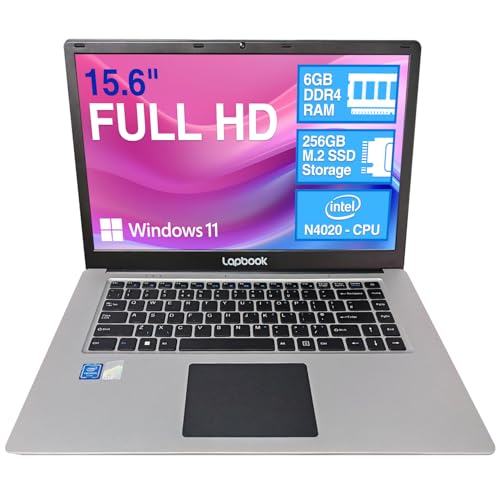
Windows impresses with its compatibility.
A wide spectrum of programming languages finds a home here, supported by diverse Integrated Development Environments (IDEs).
On the flip side, macOS, with its Unix roots, provides inherent support for a certain set of languages, such as Ruby, Python, and Perl.
Moreover, it is the only platform that can run the powerful Xcode IDE, essential for developing applications for the Apple ecosystem.
Windows’ Programming Languages and IDEs: Breadth and Depth
Windows’ ability to support a broad spectrum of programming languages stems from the platform’s inherent versatility and Microsoft’s commitment to creating an inclusive development environment.
Languages such as JavaScript, Typescript, C, C, C++, F, Python, and others are easily supported on Windows.
This impressive diversity of languages is further supplemented by Windows’ support for a variety of Integrated Development Environments (IDEs).
Leading IDEs like Visual Studio, Eclipse, and NetBeans, among others, operate smoothly on Windows, giving developers a range of choices to select from depending on their project’s needs.
Exploring macOS and its Unix Roots: The Power of Niche Languages
In contrast to Windows, Apple’s macOS is beloved by many for its inherent support of several niche programming languages.
Thanks to its Unix roots, macOS offers in-built support for languages like Ruby, Python, Perl, and Shell scripts.
These languages are particularly useful for systems programming, web development, data analysis, and script automation tasks.
For instance, Python, a powerful language for back-end development and data processing, is pre-installed in macOS, enabling developers to begin coding without needing to install any additional software.

Similarly, macOS’s support for Ruby facilitates Ruby on Rails developers in creating web applications seamlessly.
Xcode IDE: The Apple Ecosystem Necessity
Unlike other platforms, macOS is uniquely situated to run the robust Xcode IDE, a development environment designed by Apple solely for its ecosystem.
The exclusivity of Xcode to macOS is due to Apple’s development policies and its proprietary operating system.
Xcode provides the tools needed to create applications for all Apple devices, including the iPhone, iPad, Mac, Apple Watch, and Apple TV.
In addition to its broad ranging application development capabilities, Xcode also brings to the table advanced tools for debugging and UI design.
In a nutshell, Windows and macOS, each with their unique strengths, cater to a diverse pool of developers.
While Windows offers compatibility with a wide range of programming languages and IDEs, macOS’s Unix roots provide inherent support for specific languages and the exclusive Xcode IDE powers development within the Apple ecosystem.
Hardware Compatibility
Windows has a distinct edge given its compatibility with a broader range of hardware than macOS.
Need a cheap setup?
Want to work on a gaming PC?
Windows accommodates with ease.
However, macOS’s hardware restrictions reflect in its streamlined and high-performing configurations, ideal for resource-heavy tasks.
Windows: A Versatile All-Rounder
Windows has often been lauded for its flexibility; the operating system’s compatibility with a plethora of hardware options is no exception.
If you opt for a Windows-based setup, you could procure your components bit by bit, gradually crafting a computer system that exactly meets your needs – and budget.
This is reflective of the flexible market approach Microsoft always advocates.
This flexibility, inherent in Windows systems, even extends beyond just PCs.
Windows can seamlessly integrate with a wide variety of peripherals, from printers and scanners to digital drawing pads and virtual reality equipment.
Also, its support for various internal hardware parts like graphics cards and Wi-Fi chipsets is unrivaled, allowing for extensive customization on part of the user.
Not only this, if you’re interested in gaming, Windows stands out as the go-to choice.
A significant majority of games run natively on Windows, and even games that are not designed specifically for Windows often have emulators or ports available.
This is the result of a long history of collaboration between video game developers and Windows.
macOS: Precision-Engineered for Performance
Contrasting the system-agnostic philosophy of Windows, Apple’s macOS operates on a different paradigm.
Apple exercises strict control over the hardware compatibility of its operating systems to ensure that every Mac machine runs perfectly with the macOS.
The macOS isn’t just designed for computers—it’s designed for the computer that it’s going to be used on.
The main attraction of this restricted approach is the consistent high performance it offers.
The strong integration between hardware and software means less chance for compatibility issues, driver failures, and crashes.
It also allows for efficient use of resources, which can be of great value when handling resource-intensive tasks like video editing, graphic design, and 3D modeling.
Apple’s strategic decision to limit macOS to its own hardware ecosystem also ensures a complete and harmonious user experience.
From Macintosh in 1984 to MacBook Pro and iMac Pro today, every Apple device provides a seamless, integral experience to the user right out of the box.
In essence, the decision between Windows and macOS often comes down to the choice between flexibility and customizability against stability and seamlessness.
Both have their merits and specific use-cases, aligning with the varied needs of the user base.
Whether you want to curate your own digital environment from scratch or dive into a carefully orchestrated workspace, the choice is all yours.
Usability
When it comes to usability, macOS often takes the lead with its elegant design and seamless user experience.
It integrates astonishingly well with other Apple devices, creating an ecosystem that promotes productivity.
Windows, though, is more customizable, allowing users to tweak and personalize their environment to their liking.
Superior User Interface Design of macOS
As an operating system (OS), macOS has consistently stood out for its design elegance and brilliance, a factor that largely contributes to its user-friendly interface.
This has always been one of Apple’s strong suits – they place a considerable amount of effort into ensuring their software is not only functional, but visually pleasing and intuitive.
A prime example of this is the Dock in macOS.
It’s a one-stop location where users can find all their frequently used applications.
The Dock neatly organizes these apps and even proactively suggests applications based on user habits, thereby creating a smooth user experience.
Interconnected Apple Ecosystem
One striking feature of macOS that enhances usability is its seamless integration with other Apple devices, such as the iPhone, iPad, and Apple Watch.
This interconnected Apple ecosystem allows your devices to sync effortlessly, ensuring that your content is always up-to-date across all platforms.
For instance, with Handoff, you can start a task on one device and pick up right where you left off on another without losing any progress.
You can answer a phone call on your Mac that’s coming through your iPhone or use the Mac to send text messages while your phone charges elsewhere.
Effortless Productivity on macOS
The macOS environment promotes productivity in several unique ways, including with tools like Spotlight for instantly finding files or information, Quick Look for previewing files, and multi-touch gestures on the trackpad for easy navigation.
There’s also powerful in-built apps like Pages for word processing, Numbers for data processing, and Keynote for presentations – apps that directly compete with Microsoft Office Suite, but at no additional cost.
High Customizability of Windows
On the other hand, Windows differentiates itself with its high customizability.
This extends far beyond just changing the desktop background or themes; users can alter the layout of the start menu, choose different file systems, adjust performance settings depending on the hardware, and personalize nearly every aspect of the user interface.
Whereas macOS treads a path of simplicity with pre-defined settings that work best for most users, Windows caters to power users who like to tinker and tweak things as per their preference.
A robust example of Windows customizability is the availability of third-party software.
Since Windows has a far larger user base than macOS, it enjoys a plethora of third-party apps and software, thus yielding a broad spectrum of software choices for users.
Pros and Cons: Where the Dichotomy Deepens

| Windows | macOS | |
|---|---|---|
| Pros | Broad compatibility, wide range of hardware support, affordability | Sleek user experience, extensive language support, focused ecosystem |
| Cons | Cannot run Xcode, less user-friendly | Pricey, exclusive hardware support |
Introduction to the Dichotomy
Windows and macOS, the flagship operating systems of Microsoft and Apple respectively, have their unique set of strengths and weaknesses that enhance or limit the user experience.
The disparities are largely centered on compatibility, user-interface, affordability, language support, and hardware requirements.
Pros and Cons of Windows
Windows, as an operating system, is lauded for its broad compatibility.
This means that Windows can operate seamlessly with a wide array of software and hardware without restrictions, making it an ideal option for individuals and businesses that require flexibility.
Its expansive range of hardware support refers to the vast variety of PCs, laptops, and peripheral devices it works with, including emerging technologies like VR and AR headsets.
Affordability is another strong suit of Windows-driven systems.
Devices that run on Windows OS cover a large spectrum, from budget-tier laptops to high-end gaming rigs.
This provides a considerable range of choice for consumers, making Windows accessible to a wider user base with differing financial circumstances.
In contrast, one noticeable drawback of Windows is its inability to run certain exclusive software, such as Apple’s Xcode, which is widely used by developers for building apps for iOS, macOS, watchOS, and tvOS.
Additionally, while significant advancements have been made over the years, the Windows interface is often regarded as less user-friendly compared to macOS, especially for novice users.
Pros and Cons of macOS
macOS is renowned for delivering a sleek and consistent user experience.
Users often love macOS for its intuitive navigation, sharp design language, and fluid animations.
The ‘focused ecosystem’ refers to how allApple devices, including Macs, iPhones, iPads, and Apple Watches, integrate and sync seamlessly together, enhancing the user experience across products.
Recommended to our readers: Click here
A vast array of languages is supported natively by macOS, making it a compelling choice for multi-lingual users or businesses operating in diverse linguistic regions.
However, macOS is known for being pricey.
Apple’s ecosystem, whilst highly reliable, is expensive compared to many Windows systems.
The hardware support for macOS is also exclusive, meaning it generally runs on Apple-manufactured computers only, limiting users’ choice and flexibility when it comes to picking out their hardware components.
In conclusion, the decision between Windows and macOS often comes down to personal preference, anticipated use, and budget.
Users typically weigh these pros and cons before choosing the OS that best suits their needs and requirements.
Conclusion: The Best of Both Worlds
Attempting to crown either Windows or macOS as the superior choice for developers is akin to comparing apples and oranges.
Both operating systems serve different segments of developers, offering unique strengths and potential limitations.
In essence, it isn’t about which system is better overall, but rather which one is better suited for an individual developer’s requirements and preferences.
It’s reminiscent of driving – some prefer the luxury of an automatic, while others love the thrill of a manual.
The good news is that living in this digital age, developers aren’t hard-pressed to choose, thanks to virtual machines and dual booting options.
Thereafter, it’s their comfort and command over the operating system that will truly steer the developer’s ship towards fruitful shores.
Exploring the Strengths and Limitations of Each System
Windows and macOS, both esteemed in the realm of operating systems, yield specific strengths that render them particularly appealing to certain segments of the development community.
Windows, for instance, is globally recognized for its unparalleled compatibility, housing an expansive library of software and hardware options.
Furthermore, its broad user base means developers designing for Windows will reach a significantly larger audience.
Recommended to our readers: Click here
macOS, on the other hand, offers a Unix-based environment, making it a compelling choice for developers who work with open-source technologies.
Additionally, its sleek design and efficient operating environment have garnered praise from a variety of industry professionals.
Likewise, each system holds potential constraints that could affect a developer’s preferences.
Windows, though praised for its compatibility, suffers from occasional stability issues and could present a steeper learning curve for developers not familiar with its intricate design.
Recommended to our readers: Click here
macOS, while lauded for being streamlined and user-friendly, is often criticized for its limited customization options and higher price point.
The Role of Individual Requirements and Preferences
Mirroring the world of automobiles, where the debate between automatic and manual transmissions remains perennial, so too is the saga of Windows vs.
macOS.
The ‘best’ choice isn’t universal, but a matter of personal preference and purpose.
A game developer, for instance, might lean towards Windows due to its widespread adoption among the gaming community.
Conversely, a software professional developing for the iOS ecosystem would necessarily choose a Mac.
The matter of ease and comfort also plays a significant role in this choice.
Some developers might find the open, customizability of Windows more accommodating to their work style while others might lean towards the simplicity and design flair of MacOS.
The Digital Age: A Symphony of Convergence
Given the diverse range of strengths both platforms bring to the table, it would seem daunting for developers to choose one over the other.
However, with the advent of modern computing solutions like virtual machines and dual booting options, it’s possible to experience the benefits of both operating systems on a single device.
Virtual machines allow developers to log into a complete copy of an operating system within their current environment, virtually eliminating the difference between the two.
Similarly, dual booting allows one to install both systems on separate partitions, enabling developers to switch between the two as required.
Thus, it’s become less of a matter of choosing an operating system and more about finding the balance between the two that best suits a developer’s needs.
Once the developer is