Organic vs Conventional Produce: Navigating the Harvest
In today’s grocery aisles, the choice between organic and conventional produce can be a perplexing one.
With an increasing focus on health, sustainability, and environmental impact, consumers are faced with a myriad of factors to consider when selecting fruits and vegetables.
What sets organic produce apart from conventional, and is the price premium worth it?
In this article, we delve into the nuances of organic versus conventional produce to help you make informed decisions at the market.
Understanding Organic Agriculture
To truly comprehend the difference between organic and conventional produce, it’s essential to understand the principles of organic agriculture.
Organic farming focuses on using natural methods for pest control, soil fertility, and weed management.
This means avoiding synthetic pesticides, genetically modified organisms (GMOs), and chemical fertilizers.
Farmers who grow organic produce adhere to strict regulations set by certification bodies to ensure that their products meet the required standards for organic labeling.

Health Benefits of Organic Produce
One major factor that often influences consumers’ decisions is the perceived health benefits of organic produce.
Studies have shown that organic fruits and vegetables tend to have higher levels of certain nutrients, including antioxidants.
Additionally, organic farming practices generally result in lower levels of pesticide residues on produce, which can be a significant concern for those looking to reduce their exposure to chemicals.
Environmental Impact and Sustainability
Another crucial aspect to consider is the environmental impact of your food choices.
Organic farming methods prioritize biodiversity, soil health, and water conservation.
By avoiding synthetic chemicals and promoting crop rotation and natural pest control, organic producers help to protect ecosystems and reduce pollution.
Choosing organic produce can be a way to support more sustainable agricultural practices that prioritize long-term environmental health.
Cost Considerations
While the health and environmental benefits of organic produce are clear, the higher price point compared to conventional options can be a deterrent for some consumers.
It’s important to weigh the costs against the benefits and consider factors like potential savings on healthcare expenses due to improved nutritional intake and reduced pesticide exposure.
Additionally, buying organic produce in season or from local farmers’ markets can sometimes offer more affordable options while still supporting organic agriculture.
The Roots of the Debate: Understanding Organic and Conventional Farming
When it comes to how our food is grown, the methods used in organic and conventional farming form the bedrock of the debate.
Organic farming relies on natural practices that exclude synthetic pesticides, fertilizers, and genetically modified organisms (GMOs).
Instead, organic farmers prioritize soil health, biodiversity, and sustainable farming practices.
Conventional farming, on the other hand, leans on modern agricultural technologies to maximize yields.
This often involves the use of synthetic pesticides, herbicides, and chemical fertilizers to protect crops from pests and diseases.
While these methods can boost productivity, concerns have been raised about their long-term impact on human health and the environment.
Key Differences Between Organic and Conventional Farming Practices:
Recommended to our readers: Click here
One significant difference between organic and conventional farming lies in the approach to soil management.
Organic farming emphasizes building and maintaining soil health through practices such as crop rotation, composting, and the use of cover crops.
These techniques help enhance soil fertility, promote beneficial microbial activity, and reduce erosion.
In contrast, conventional farming often relies on chemical fertilizers that may lead to soil degradation over time, impacting its long-term productivity and sustainability.
Impacts on Biodiversity and Ecosystem Health:
Organic farming practices tend to support greater biodiversity compared to conventional methods.
By avoiding synthetic pesticides and fostering natural habitats, organic farms provide refuge for various plant and animal species.
This diversity can contribute to ecosystem resilience, pest control through natural predators, and overall environmental balance.
In contrast, conventional farming practices, especially monoculture cropping systems, can lead to a loss of biodiversity, disrupt natural ecosystems, and contribute to the decline of pollinators and other beneficial organisms.
Sustainability and Resource Management:
Organic farming is often lauded for its focus on sustainable practices that aim to minimize environmental impact and conserve resources.
By reducing reliance on external inputs and emphasizing organic matter recycling, organic farming can reduce greenhouse gas emissions, conserve water, and promote long-term agricultural sustainability.
Conversely, conventional farming’s heavy use of synthetic inputs can contribute to pollution of water bodies, soil depletion, and the degradation of natural resources in the long run.
Consumer Health Considerations:
One key aspect of the organic versus conventional farming debate is the potential impact on human health.
Organic farming advocates argue that by avoiding synthetic pesticides and GMOs, organic food may have lower pesticide residues and higher levels of certain beneficial nutrients.

Studies have shown that organic produce can have higher levels of antioxidants and lower pesticide residues compared to conventionally grown counterparts, raising questions about the health implications of pesticide exposure through food consumption.
Digging Deeper: Nutritional Value and Taste
One key consideration for consumers is the nutritional value of organic versus conventional produce.
Some studies suggest that organic fruits and vegetables may contain higher levels of certain nutrients and antioxidants compared to their conventional counterparts.
This is believed to stem from the healthier soil conditions and farming practices employed in organic agriculture.
When it comes to taste, proponents of organic produce often argue that their fruits and vegetables have a superior flavor profile due to the absence of chemical interventions.
Many consumers swear by the sweetness of an organic strawberry or the earthy richness of an organic tomato, attributing it to the purity of organic farming methods.
Nutritional Benefits of Organic Produce
Beyond just the potential for higher nutrient content, organic produce is often praised for its lower levels of harmful chemicals such as pesticides and herbicides.
These chemicals can be harmful to both human health and the environment.
By choosing organic options, consumers can help reduce their exposure to these potentially harmful substances.
In addition, organic farming practices also promote biodiversity, which can have positive impacts on ecosystems and wildlife.
Taste Sensation: Why Organic Produce Stands Out
The taste superiority of organic produce can also be attributed to the cultivation methods used.
Organic farmers focus on building soil health, which in turn enhances the flavor profile of fruits and vegetables.
By avoiding the use of synthetic pesticides and fertilizers, organic farmers encourage the natural growth and development of plants, resulting in produce with more complex and nuanced flavors.
This emphasis on natural processes and sustainability resonates with consumers seeking a more authentic and wholesome food experience.

Case Study: Organic vs. Conventional Apples

A study comparing organic and conventional apples found that organic apples had higher levels of antioxidants and beneficial compounds, such as polyphenols.
These compounds are not only linked to better health outcomes but also contribute to the overall taste and aroma of the fruit.
The study also noted that organic apples tended to be juicier and have a more vibrant color compared to their conventional counterparts.
This demonstrates how the choice between organic and conventional produce can have tangible effects on both nutritional content and sensory experience.
The Cost Conundrum: Price Disparities and Accessibility
Recommended to our readers: Click here
While the benefits of organic produce are appealing, the price tag can be a significant deterrent for many consumers.
Organic fruits and vegetables typically come at a premium compared to conventionally grown options.
This price difference reflects the higher costs associated with organic farming practices, such as certification, labor-intensive techniques, and lower yields per acre.
The accessibility of organic produce is another factor to consider.
Organic farms tend to be smaller in scale and may not always have the production capacity to meet the demands of large-scale supermarkets.
This can result in limited availability and higher prices, particularly in regions where organic farming is less prevalent.
Factors Contributing to the Price Disparities:
One of the key factors contributing to the higher price of organic produce is the rigorous certification process that organic farmers must undergo to comply with organic standards.
This certification involves regular inspections, paperwork, and fees, all of which add to the overall production costs.
In contrast, conventional farming practices do not have these additional certification requirements, allowing for lower price points.
Labor-intensive techniques in organic farming also play a role in the pricing disparity.
Practices such as hand weeding, crop rotation, and manual pest control require more labor hours compared to the mechanized approaches often used in conventional agriculture.
As a result, the labor costs inherent in organic farming are reflected in the final price of organic produce.
Moreover, organic farming typically yields lower output per acre than conventional methods.
This lower yield can be attributed to factors like the exclusion of synthetic fertilizers and pesticides, which may result in decreased crop productivity.
Consequently, organic farmers need to charge higher prices to compensate for the lower quantity of produce harvested per acre, thus contributing to the higher cost of organic fruits and vegetables.
Impact of Limited Availability on Accessibility:
In regions where organic farming is less prevalent, the availability of organic produce can be significantly limited.
Small-scale organic farms may struggle to keep up with the demands of mainstream supermarkets that often prioritize larger suppliers for consistency and volume.
As a result, consumers in these areas may face challenges in accessing a variety of organic products, leading to higher prices due to limited competition in the market.
Additionally, transportation and distribution costs can further impact the accessibility of organic produce.
Small-scale organic farms may have limited distribution networks, making it difficult to reach distant markets efficiently.
This logistical challenge can result in higher prices for organic produce in regions where transportation costs are high, further exacerbating the accessibility issues faced by consumers seeking organic options.
Environmental Impact: Sustainability and Climate Considerations
When evaluating organic versus conventional produce, it’s crucial to consider the broader environmental impact of our food choices.
Organic farming practices are designed to minimize harm to the environment by promoting soil health, conserving water, and reducing pollution.
By eschewing synthetic chemicals, organic agriculture aims to create a more sustainable and resilient food system.
Conventional farming, while efficient in terms of yield, often comes at a cost to the environment.
Runoff from chemical fertilizers can pollute water sources, pesticides can harm beneficial insects and wildlife, and intensive monocropping practices can lead to soil degradation.
These environmental concerns underline the need for a more holistic approach to food production.
Soil Health and Biodiversity Conservation
Organic farming practices prioritize soil health and biodiversity conservation by eschewing synthetic pesticides and fertilizers.
Instead, organic farmers focus on building healthy, nutrient-rich soil through techniques such as crop rotation, cover cropping, and composting.
These methods not only improve soil structure and fertility but also promote the growth of beneficial microorganisms that support plant health.
Moreover, by avoiding the use of synthetic chemicals, organic farming fosters a more balanced ecosystem where beneficial insects like pollinators and natural predators can thrive.
This biodiversity is crucial for maintaining resilient and sustainable agricultural systems, as it helps control pests naturally and reduces the need for harmful pesticides.
Water Conservation Efforts
One key environmental benefit of organic farming is its emphasis on water conservation.
Conventional agriculture often relies heavily on irrigation practices that can deplete water sources and contribute to water scarcity.
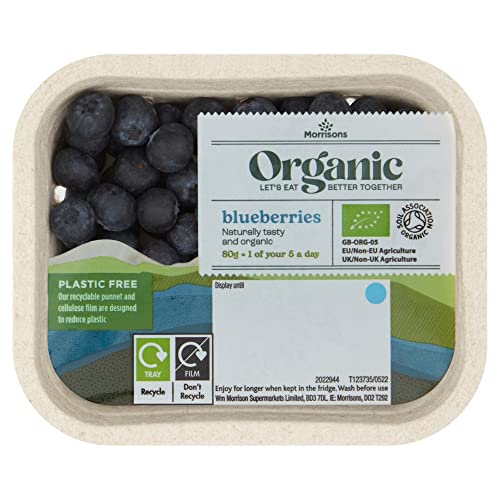
In contrast, organic farming methods such as mulching, drip irrigation, and water-efficient crop selection help minimize water usage and promote water conservation.
By optimizing water management strategies, organic farmers not only reduce their overall environmental impact but also contribute to the resilience of agricultural systems in the face of climate change-induced water shortages.
Sustainable water practices in organic agriculture play a crucial role in safeguarding water quality, preserving aquatic ecosystems, and ensuring long-term agricultural sustainability.
Climate Resilience and Carbon Sequestration
Organic farming has the potential to contribute significantly to climate resilience and mitigation efforts through carbon sequestration.
Healthy soils rich in organic matter act as carbon sinks, absorbing and storing carbon dioxide from the atmosphere.
By promoting practices that enhance soil health and organic matter content, organic agriculture plays a vital role in mitigating greenhouse gas emissions and combating climate change.
Recommended to our readers: Click here
Furthermore, organic farming methods like agroforestry, agroecology, and rotational grazing can help farmers adapt to changing climatic conditions by increasing the resilience of ecosystems and crops.
These regenerative practices not only sequester carbon but also enhance biodiversity, improve soil structure, and reduce vulnerability to extreme weather events.
Conclusion
In conclusion, the environmental benefits of organic farming are multifaceted and extend beyond the reduction of synthetic chemical use.
By prioritizing soil health, biodiversity conservation, water conservation, and climate resilience, organic agriculture offers a sustainable and holistic approach to food production that addresses key environmental challenges facing our planet today.
It is essential for consumers, policymakers, and food producers to recognize the broader impact of our food choices and support practices that promote environmental sustainability
Pros and Cons
| Key Features | Organic Produce | Conventional Produce |
|---|---|---|
| Nutritional Value | Higher in certain nutrients and antioxidants | May contain pesticide residues |
| Taste | Enhanced flavor due to natural farming practices | Standardized taste influenced by chemical inputs |
| Cost | Higher price point | Lower cost for consumers |
| Environmental Impact | Promotes sustainability and soil health | Potential harm from chemical inputs |
Nutritional Value of Organic vs Conventional Produce
Organic produce is often richer in certain nutrients and antioxidants compared to conventional produce.
This is because organic farming practices focus on maintaining the health of the soil, which in turn enhances the nutrient content of the crops grown in it.
For example, organic fruits and vegetables may have higher levels of vitamins, minerals, and phytonutrients like flavonoids and polyphenols.
On the other hand, conventional produce may contain pesticide residues, which can potentially affect the nutritional quality of the food and pose health risks.
Taste Profile of Organic and Conventional Produce
The taste of organic produce is often described as more flavorful and robust due to the natural farming methods employed.
Organic farmers prioritize soil health and biodiversity, leading to crops that are more nutrient-dense and have a fuller taste profile.
For instance, organic tomatoes are known for their rich, sweet flavor compared to conventionally grown tomatoes, which may taste bland or lack complexity.
In contrast, conventional produce tends to have a standardized taste influenced by the use of chemical inputs such as synthetic fertilizers and pesticides, which may diminish the natural flavors of the fruits and vegetables.
Recommended to our readers: Click here
Cost Considerations: Organic vs Conventional Produce
One significant factor that sets organic produce apart is its higher price point compared to conventional options.
The increased cost of organic farming practices, including manual labor, organic certifications, and natural inputs, contributes to the higher retail prices of organic fruits and vegetables.
While organic produce may be more expensive, some consumers are willing to pay a premium for the perceived health and environmental benefits associated with organic farming.
On the other hand, conventional produce is generally more affordable for consumers due to economies of scale, efficient production methods, and government subsidies that support conventional agriculture.
Conclusion: Cultivating Conscious Consumer Choices
As consumers, the choice between organic and conventional produce is ultimately a personal one that hinges on a combination of factors – nutritional preferences, budget constraints, taste preferences, and environmental values.
While organic produce offers advantages in terms of health benefits and sustainable practices, conventional produce provides accessibility and affordability to a wider consumer base.
In an ideal food system, a blend of organic and conventional farming practices could pave the way for a more balanced approach that prioritizes both human health and environmental well-being.
By understanding the nuances of organic versus conventional produce, consumers can make informed decisions that resonate with their values and contribute to a more sustainable future for agriculture and food production.
So, the next time you’re perusing the produce section, take a moment to consider the journey of those fruits and vegetables – from farm to table, from seeds sown in soil to the choices you make.
Whether you opt for organic heirloom tomatoes or conventionally grown apples, each bite carries a story of cultivation, care, and conscientious consumption.
Choose wisely, for the harvest is in your hands.
Benefits of Organic Produce:
Organic produce is grown without synthetic pesticides, fertilizers, or GMOs, which can contribute to better soil health and biodiversity.
For example, organic farms prioritize crop rotation to maintain soil fertility and minimize pest pressure naturally through practices like companion planting.
These methods not only benefit the land but also promote the health of pollinators and other beneficial insects, creating a more balanced ecosystem.
Accessibility of Conventional Produce:
Conventional farming methods often involve the use of synthetic chemicals and pesticides to maximize yields and minimize losses.
While this can raise concerns about pesticide residues on produce, it also allows for greater availability and affordability of fruits and vegetables, making them accessible to a wider range of consumers.
This accessibility plays a crucial role in ensuring food security and meeting the dietary needs of diverse populations, especially in regions where organic options may be limited or more expensive.
Importance of Consumer Education:
Encouraging consumers to understand the difference between organic and conventional produce empowers them to make choices that align with their values and priorities.
By educating themselves on farming practices, pesticide usage, and labeling standards, individuals can navigate the grocery aisles with confidence and support the food systems that resonate with their beliefs.
This awareness can drive demand for more sustainable agricultural practices and incentivize growers to adopt responsible methods that benefit both people and the planet.
Recommended to our readers: Click here
Supporting Local Farmers:
Whether choosing organic or conventional produce, consumers can also consider the impact of their purchases on local farmers and communities.
Recommended to our readers: Click here
Buying directly from farmers’ markets or joining Community Supported Agriculture (CSA) programs can provide a direct connection to the source of your food and support small-scale producers who prioritize sustainable practices.
By fostering these relationships, consumers can contribute to the resilience of local food systems and reduce the environmental footprint associated with long-distance transportation and large-scale agriculture.