Ecobee SmartThermostat vs Honeywell T10: A Detailed Comparison
In today’s digital age, technology has revolutionized the way we interact with our homes, making them more comfortable, convenient, and energy-efficient.
One area where this evolution is particularly evident is in smart thermostats, which offer advanced features that go beyond basic temperature control.
Among the top contenders in the smart thermostat market are the Ecobee SmartThermostat and the Honeywell T10.
Both models boast cutting-edge technology and an array of features designed to optimize home climate control, but how do they stack up against each other?
Let’s delve into a detailed comparison to help you determine which smart thermostat is the right choice for your home.
Advancements in Smart Thermostat Technology
Smart thermostats have come a long way from traditional programmable thermostats, offering users a range of innovative features that contribute to a more seamless and energy-efficient home climate control experience.
For instance, both the Ecobee SmartThermostat and the Honeywell T10 incorporate machine learning algorithms to analyze user behavior and optimize heating and cooling patterns.
This adaptive technology not only enhances comfort but also helps homeowners save on energy costs by efficiently managing temperature settings based on occupancy patterns.

Enhanced Connectivity and Control Features
One of the key selling points of smart thermostats is their connectivity and control capabilities.
Both the Ecobee SmartThermostat and Honeywell T10 are compatible with popular smart home platforms like Amazon Alexa, Google Assistant, and Apple HomeKit, allowing users to adjust temperature settings using voice commands or remotely through smartphone apps.
Moreover, these devices often feature geofencing technology, which leverages location tracking to automatically adjust temperature settings based on whether users are at home or away, further optimizing energy usage and comfort levels.
Design and User Interface
In the realm of smart home devices, design and user interface play a crucial role in user experience.
The Ecobee SmartThermostat and Honeywell T10 feature sleek, modern designs that blend seamlessly with various home aesthetics.
Additionally, intuitive and user-friendly interfaces enable easy programming and customization of temperature schedules, making it effortless for users to interact with and manage their smart thermostats.
Visual displays, touch controls, and mobile apps enhance the overall user experience, ensuring that homeowners can easily monitor and control their home climate settings.
Energy Efficiency and Cost Savings
An important aspect of smart thermostats is their ability to promote energy efficiency and help users save on heating and cooling costs.
Both the Ecobee SmartThermostat and Honeywell T10 come equipped with energy-saving features such as occupancy sensors, eco mode settings, and energy usage reports that provide insights into consumption patterns.
By intelligently regulating temperatures and identifying opportunities for energy conservation, these smart thermostats contribute to sustainable living practices and long-term cost savings for homeowners.
Introduction:
Smart thermostats have become essential components of modern home automation systems, allowing homeowners to remotely control their heating and cooling settings through smartphone apps or voice commands.
The Ecobee SmartThermostat and the Honeywell T10 are two popular options that offer a wide range of features to enhance comfort and energy efficiency in homes.
As we take a closer look at these smart thermostats, we will compare their design, functionality, connectivity, energy-saving capabilities, and overall user experience to help you make an informed decision on which device best suits your needs.
Evolution of Smart Thermostats
The evolution of smart thermostats has been a significant advancement in the realm of home automation.
These devices have transitioned from simple temperature control tools to sophisticated energy management systems that adapt to users’ preferences and offer insights into energy consumption patterns.
Companies like Ecobee and Honeywell have been at the forefront of this evolution, continuously refining their products to offer enhanced functionality and user experience.
Design and User Interface
One crucial aspect to consider when choosing a smart thermostat is its design and user interface.
The Ecobee SmartThermostat features a sleek, modern design with a responsive touchscreen display that provides easy access to settings and information.
On the other hand, the Honeywell T10 offers a more traditional physical interface with buttons and a small display.
Each design caters to different user preferences, with the Ecobee appealing to those who appreciate a more futuristic look and the Honeywell providing familiarity for users who prefer a more traditional approach.
Functionality and Features
Both the Ecobee SmartThermostat and the Honeywell T10 come equipped with a range of features aimed at improving home comfort and energy efficiency.
Recommended to our readers: Click here
For instance, the Ecobee SmartThermostat utilizes room sensors to detect occupancy and adjust settings accordingly, ensuring optimal comfort levels in different areas of the home.
In contrast, the Honeywell T10 offers geofencing capabilities, which automatically adjust temperature settings based on the occupants’ proximity to home, maximizing energy savings.
Connectivity and Integration
Another crucial consideration is the connectivity options and integration capabilities of smart thermostats.
The Ecobee SmartThermostat supports integration with popular smart home platforms like Alexa, Google Assistant, and Apple HomeKit, allowing users to control their HVAC systems using voice commands or through a centralized smart home hub.
Similarly, the Honeywell T10 offers seamless integration with smart home ecosystems, enabling users to create custom automation routines and scenarios that enhance convenience and energy efficiency.
Energy-Saving Capabilities
Both the Ecobee SmartThermostat and the Honeywell T10 are designed to help users reduce their energy consumption and lower utility bills.
These devices leverage advanced algorithms and machine learning capabilities to analyze usage patterns and make recommendations for optimizing energy efficiency.
By using features like scheduling, geofencing, and adaptive learning, homeowners can effectively manage their heating and cooling systems to minimize energy waste and maximize cost savings.
User Experience and Customer Support
When evaluating smart thermostats, it’s
Design and Display:
The design of a smart thermostat not only impacts its visual appeal but also plays a crucial role in its usability.

Recommended to our readers: Click here
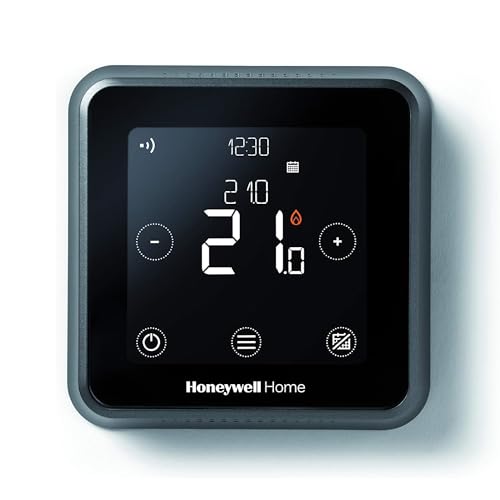
The Ecobee SmartThermostat features a sleek, modern design with a responsive touchscreen display that provides easy access to settings and information.
In contrast, the Honeywell T10 boasts a more traditional design with physical buttons for manual control in addition to its digital touch interface.
The display quality of both devices is crisp and bright, ensuring clear visibility of temperature readings, settings, and alerts.
Importance of Design in Smart Thermostats
When it comes to smart thermostats, design is not just about aesthetics but also has a significant impact on user experience.
The physical appearance and layout of a thermostat can influence how intuitive it is to interact with and how seamlessly it integrates into a home’s decor.
User-Friendly Features
The touchscreen display on the Ecobee SmartThermostat is not only visually appealing but also highly responsive, making it easy for users to navigate through settings, adjust temperatures, and access information quickly.
This kind of user-friendly interface can greatly enhance the overall experience of using a smart thermostat.
In contrast, the Honeywell T10’s combination of physical buttons and a digital touch interface caters to users who may prefer a more tactile approach to controlling their thermostat.
The inclusion of physical buttons provides a familiar and tactile way for users to make adjustments without solely relying on a touchscreen.
Ergonomics and Accessibility
The design of a smart thermostat also encompasses considerations for ergonomics and accessibility.
For instance, the size and placement of buttons, the angle of the display, and the overall form factor can affect how comfortable it is to interact with the device on a daily basis.
Both the Ecobee SmartThermostat and Honeywell T10 have been engineered with these factors in mind to ensure users can easily interact with their thermostats.
Customization Options
In addition to the physical design, the level of customization available on a smart thermostat can also contribute to its appeal.
Some thermostats offer options to change display themes, adjust screen brightness, or personalize settings based on user preferences.
These customization features can empower users to tailor their thermostat to suit their individual needs and preferences.
Functionality and Features:
When it comes to functionality, both the Ecobee SmartThermostat and the Honeywell T10 offer a wide range of features to customize and optimize home climate control.
The Ecobee SmartThermostat stands out for its built-in Alexa voice control, room sensor compatibility for temperature balancing, and advanced scheduling capabilities.
On the other hand, the Honeywell T10 impresses with its geofencing technology, which adjusts temperature settings based on your proximity to home, as well as its seamless integration with smart home systems like Apple HomeKit and Amazon Alexa.
Advantages of Alexa Voice Control on Ecobee SmartThermostat
The Ecobee SmartThermostat’s built-in Alexa voice control feature allows users to effortlessly adjust their home’s temperature, set schedules, and even control other smart devices using voice commands.
This hands-free functionality enhances convenience and accessibility for users, especially when they are occupied with other tasks and cannot manually interact with the thermostat.
Room Sensor Compatibility for Enhanced Temperature Balancing
One notable feature of the Ecobee SmartThermostat is its compatibility with room sensors.
These sensors can detect occupancy and temperature in different areas of the home, allowing the thermostat to adjust settings accordingly.
For instance, if the bedroom is cooler than the living room, the thermostat can prioritize heating or cooling the bedroom to ensure a comfortable environment for occupants.
Advanced Scheduling Capabilities for Energy Efficiency
The Ecobee SmartThermostat offers advanced scheduling capabilities that enable users to create personalized heating and cooling schedules based on their lifestyle and preferences.
By programming specific temperature settings for different times of the day or week, users can optimize energy usage and reduce utility costs.
For example, users can set the thermostat to lower the temperature during work hours and raise it before returning home, maximizing comfort while minimizing energy consumption.
Connectivity and Integration:
Smart thermostats are designed to seamlessly integrate into your smart home ecosystem, allowing you to control them remotely and automate temperature adjustments based on your preferences and routines.
Both the Ecobee SmartThermostat and the Honeywell T10 offer Wi-Fi connectivity, enabling you to monitor and adjust settings from your smartphone or tablet.
Additionally, these devices can be integrated with popular smart home platforms like Google Assistant and Samsung SmartThings, expanding their functionality and compatibility with other connected devices in your home.
Enhanced Convenience and Efficiency:
Smart thermostats have revolutionized the way we interact with our home heating and cooling systems.
By allowing remote control and automation, they not only provide convenience but also help optimize energy usage.
For instance, you can set custom schedules to ensure comfortable temperatures when you’re at home and save energy when you’re away or asleep.
The Ecobee SmartThermostat and Honeywell T10 go even further by providing insights into your energy consumption patterns, allowing you to make informed decisions to further reduce energy waste.
Seamless Integration with Smart Home Ecosystem:
The connectivity of smart thermostats extends beyond mere convenience; it enables seamless integration within your broader smart home ecosystem.
For instance, imagine arriving home from work and your smart thermostat has already adjusted the temperature to your liking, triggered by your smart door lock recognizing your arrival.
This level of integration not only enhances comfort but also demonstrates the potential for a truly interconnected home environment.
Interoperability with Smart Home Platforms:
The compatibility of smart thermostats with popular smart home platforms such as Google Assistant and Samsung SmartThings significantly expands their functionality.
This interoperability means you can easily control your thermostat using voice commands through Google Assistant or create personalized automation routines through SmartThings.
Furthermore, integrations with platforms like IFTTT (If This, Then That) enable even more customization, allowing your smart thermostat to interact with a wide range of other smart devices in your home.
Future-Proofing Your Smart Home:
Investing in a smart thermostat like the Ecobee SmartThermostat or Honeywell T10 not only offers immediate benefits but also future-proofs your smart home setup.
As technology advances and new features are developed, these devices typically receive software updates that enhance their capabilities over time.
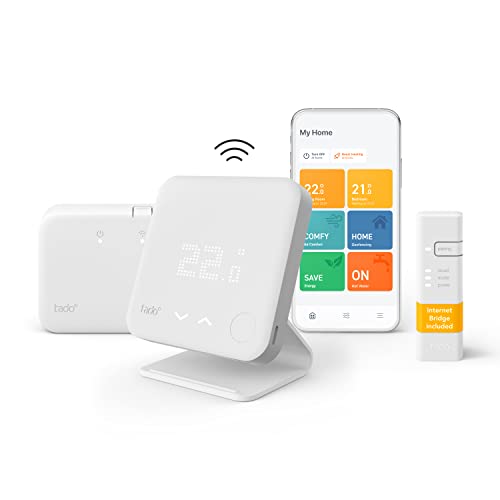
By choosing a thermostat with Wi-Fi connectivity and broad compatibility, you’re ensuring that your home automation system remains versatile and adaptable to evolving trends in the Internet of Things ecosystem.
Recommended to our readers: Click here
Energy Efficiency and Savings:
One of the key advantages of smart thermostats is their ability to optimize energy usage and reduce utility costs by intelligently managing heating and cooling operations.
The Ecobee SmartThermostat features occupancy detection and advanced algorithms to create customized schedules that maximize energy efficiency.
Similarly, the Honeywell T10 utilizes adaptive recovery and smart response technology to learn your heating and cooling patterns and adjust settings accordingly, leading to significant energy savings over time.
How Smart Thermostats Optimize Energy Usage
Smart thermostats like the Ecobee SmartThermostat and the Honeywell T10 go beyond basic temperature control by incorporating intelligent features that enhance energy efficiency.
These devices utilize occupancy detection technology to sense when the occupants are away from home, automatically adjusting the temperature settings to conserve energy.
This proactive approach helps prevent heating or cooling an empty house, leading to substantial energy savings in the long run.
Customized Energy Saving Schedules
One of the standout features of smart thermostats is their ability to create personalized schedules based on your household’s habits and routines.
The Ecobee SmartThermostat, for example, uses advanced algorithms to learn your preferred temperature settings at different times of the day, optimizing comfort while minimizing energy consumption.
By tailoring heating and cooling patterns to align with your schedule, these devices can significantly reduce energy wastage and lower utility bills.
Adaptive Recovery and Learning Technology
The Honeywell T10 takes energy efficiency a step further with its adaptive recovery and smart response technology.
By analyzing your heating and cooling patterns, this smart thermostat learns your usage habits over time and adjusts the temperature settings automatically.
Adaptive recovery ensures that your home reaches the desired temperature at the scheduled time while minimizing energy usage during idle periods.
This proactive adjustment based on learned behavior promotes energy savings without compromising comfort.
Conclusion:
In conclusion, the Ecobee SmartThermostat and the Honeywell T10 are both formidable contenders in the smart thermostat market, each offering a unique set of features and capabilities to enhance home climate control.
Recommended to our readers: Click here
While the Ecobee SmartThermostat excels in voice control, room sensor integration, and advanced scheduling, the Honeywell T10 distinguishes itself with geofencing technology, seamless smart home integration, and adaptive learning capabilities.
Whether you prioritize hands-free control and temperature balancing or energy savings and automation, both smart thermostats have something to offer for homeowners looking to elevate their comfort and efficiency.
Ultimately, the choice between the Ecobee SmartThermostat and the Honeywell T10 depends on your specific preferences and priorities when it comes to smart home technology.
Whichever device you choose, you can rest assured that you are investing in cutting-edge innovation that will transform the way you experience home climate control.
Recommended to our readers: Click here
Ecobee SmartThermostat Features:
The Ecobee SmartThermostat stands out for its innovative features that cater to tech-savvy users seeking a seamless and intuitive experience.
One of its key strengths is the integration of voice control through popular platforms like Amazon Alexa and Google Assistant.
This allows homeowners to adjust their thermostat settings simply by using voice commands, providing a convenient hands-free option for controlling the home climate.
Another notable feature of the Ecobee SmartThermostat is its room sensor integration.
These sensors can detect occupancy and temperature in different parts of the house, enabling the thermostat to adjust settings based on the specific needs of each room.
For example, if the living room is unoccupied during the day, the thermostat can prioritize heating or cooling in the rooms that are in use, optimizing energy efficiency without compromising comfort.
Honeywell T10 Smart Thermostat Capabilities:
On the other hand, the Honeywell T10 offers a distinct set of capabilities that cater to users looking for a seamless integration with their smart home ecosystem.
Geofencing technology is a standout feature of the Honeywell T10, allowing the thermostat to detect when occupants are leaving or returning home based on their smartphone’s location.
This feature enables the thermostat to adjust temperature settings automatically, ensuring optimal comfort and energy savings based on occupancy patterns.
Additionally, the Honeywell T10 excels in its smart home integration capabilities, offering compatibility with popular platforms such as Apple HomeKit, Samsung SmartThings, and IFTTT.
This enables users to connect their thermostat with other smart devices in their home, creating a cohesive and interconnected smart home environment where devices work together harmoniously to enhance convenience and efficiency.
Personalized Comfort and Efficiency:
Both the Ecobee SmartThermostat and the Honeywell T10 prioritize personalized comfort and energy efficiency in different ways.
Recommended to our readers: Click here
While the Ecobee SmartThermostat focuses on advanced scheduling and room-specific temperature control, the Honeywell T10 leverages adaptive learning capabilities and geofencing to tailor its operation to the users’ lifestyle and preferences.
Ultimately, the choice between these two smart thermostats boils down to individual preferences and priorities.
Whether you value voice control and room sensor integration or geofencing technology and smart home compatibility, both devices offer innovative features that can elevate your home climate control experience.
Whichever smart thermostat you choose, you can expect to enjoy a more comfortable, efficient, and connected home environment powered by cutting-edge technology.