Exploring the World of Telescopes: Celestron Omni XLT 150 vs Orion StarMax 127
In the vast expanse of the night sky, celestial objects beckon to be observed and admired.
For astronomers, amateur stargazers, and astrophotography enthusiasts alike, the choice of telescope can make a world of difference in their pursuit of exploring the mysteries of the universe.
Two popular options in the world of telescopes, the Celestron Omni XLT 150 and the Orion StarMax 127, offer distinct features that cater to different needs and preferences.
Let’s embark on a journey to compare and contrast these two stellar instruments and delve into the nuances that set them apart.
Importance of Choosing the Right Telescope
Recommended to our readers: Click here
Selecting the right telescope is crucial for astronomers and stargazers to maximize their enjoyment and effectiveness in observing the night sky.
Factors such as aperture size, focal length, optical quality, portability, and ease of use all play significant roles in determining the suitability of a telescope for individual preferences and purposes.
Features of the Celestron Omni XLT 150
The Celestron Omni XLT 150 is a refracting telescope known for its impressive 150mm aperture and 750mm focal length, providing sharp and detailed views of celestial objects.
Equipped with high-quality optics and a stable equatorial mount, this telescope is ideal for observing planets, the Moon, star clusters, and nebulae with clarity and contrast.
Features of the Orion StarMax 127
In contrast, the Orion StarMax 127 is a compact Maksutov-Cassegrain telescope with a 127mm aperture and 1540mm focal length, designed for both visual observation and astrophotography.
Its compact size and lightweight construction make it a versatile option for on-the-go stargazing sessions, offering crisp views of the Moon, planets, and deep-sky objects.
Application for Astrophotography
Both the Celestron Omni XLT 150 and the Orion StarMax 127 are suitable for astrophotography, but their designs lend themselves to different aspects of this art.
While the Omni XLT 150 excels in capturing wide-field images with its refractor design, the StarMax 127’s narrower field of view and longer focal length make it ideal for planetary imaging and capturing fine details on celestial objects.
Astrophotographers can choose between these telescopes depending on their specific imaging goals and preferences.
Conclusion
When choosing between the Celestron Omni XLT 150 and the Orion StarMax 127, it ultimately comes down to personal preferences, observing targets, and intended usage.
Both telescopes offer unique features and capabilities that cater to different needs, ensuring that enthusiasts of all levels can find a suitable instrument to embark on their celestial adventures.
Unveiling the Celestron Omni XLT 150
The Celestron Omni XLT 150 is a reflector telescope renowned for its impressive aperture and optical capabilities.
With a generous 150mm aperture, this telescope excels in capturing bright, detailed views of celestial objects such as planets, star clusters, and nebulae.
The XLT coating on the telescope’s mirrors enhances light transmission, resulting in crisp, high-contrast images that reveal intricate details in the night sky.
Superior Aperture Size
The 150mm aperture of the Celestron Omni XLT 150 makes it stand out among other telescopes in its class.
A larger aperture allows more light to enter the telescope, which directly impacts the clarity and brightness of the images you see through the eyepiece.
For beginners and seasoned astronomers alike, a generous aperture like this means better visibility of fainter objects in the night sky.
Versatile Observations
Thanks to its impressive optics and aperture size, the Celestron Omni XLT 150 is versatile in its ability to observe various celestial objects.
For example, when observing planets like Jupiter and Saturn, the 150mm aperture enables you to see intricate details such as cloud bands on Jupiter or the rings of Saturn with excellent clarity.

When it comes to deep-sky objects like star clusters and nebulae, the telescope’s capabilities allow you to capture stunning views of these cosmic wonders.
XLT Coating Benefits
The XLT coating on the mirrors of the Celestron Omni XLT 150 plays a crucial role in enhancing the overall performance of the telescope.
This specialized coating helps improve light transmission, reducing light loss and increasing contrast in the images you observe.
As a result, you’ll be able to see finer details in celestial objects, revealing nuances that may have been missed with a telescope lacking such coatings.
The XLT coating also helps protect the mirrors from degradation over time, ensuring the telescope maintains its optical quality for years to come.
Delving into the Orion StarMax 127
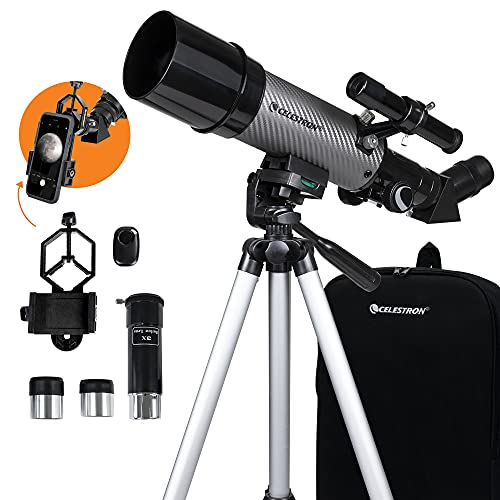
On the other hand, the Orion StarMax 127 offers a compact yet powerful design that caters to those seeking portability without compromising on performance.
Boasting a Maksutov-Cassegrain optical design, this telescope features a 127mm aperture and a lengthy focal length, ideal for planetary observations and lunar photography.
The StarMax 127’s closed tube design minimizes internal reflections, ensuring optimal image quality with minimal distortion.
Design Features
The compact design of the Orion StarMax 127 makes it a convenient choice for amateur astronomers who prioritize portability.
Its sleek and lightweight construction allows for easy transportation to different observing sites, whether it be a backyard stargazing session or a remote dark-sky location.
Recommended to our readers: Click here
The Maksutov-Cassegrain optical design is known for its ability to provide sharp, high-contrast views, making it an excellent option for celestial objects that require precision observation.
Optimal Performance
With a 127mm aperture and a focal length that facilitates detailed observations of planets and the moon, the Orion StarMax 127 delivers exceptional performance in capturing fine details and subtle features.
Whether you’re studying the intricate cloud patterns on Jupiter or exploring the rugged terrain of the lunar surface, this telescope’s optical capabilities ensure that you can immerse yourself in the beauty of the cosmos with impressive clarity.
Enhanced Image Quality
The closed tube design of the StarMax 127 plays a crucial role in maintaining superior image quality by minimizing internal reflections.
By reducing unwanted light scatter within the optical system, this telescope preserves the integrity of the captured images, resulting in crisp and clear views of astronomical objects.
Whether you’re focusing on bright planets or delicate lunar craters, the minimized distortion provided by the closed tube design enhances the overall viewing experience, allowing you to appreciate the finer nuances of the night sky.
Aperture, Focal Length, and Image Quality
When comparing the Celestron Omni XLT 150 and the Orion StarMax 127, one of the key factors to consider is aperture size and focal length.
The Omni XLT 150’s larger aperture allows for greater light-gathering ability, making it well-suited for deep-sky observations and faint objects.
In contrast, the StarMax 127’s compact size makes it a convenient choice for on-the-go observations and astrophotography sessions.
Moreover, the focal length of a telescope influences its magnification capabilities and field of view.
The Omni XLT 150’s longer focal length provides higher magnification, making it ideal for detailed planetary viewing.
Meanwhile, the StarMax 127’s focal length strikes a balance between magnification and field of view, making it versatile for a variety of astronomical observations.
Aperture Size and Light-Gathering Ability
A telescope’s aperture size plays a crucial role in determining its light-gathering ability and overall performance in observing celestial objects.
The Celestron Omni XLT 150, with its larger aperture, has a distinct advantage in capturing more light than the Orion StarMax 127.
This increased light-gathering ability equips the Omni XLT 150 to excel in revealing faint deep-sky objects such as distant galaxies, nebulae, and star clusters.
For example, when observing the intricate details of the Orion Nebula or the spiral arms of the Whirlpool Galaxy, the larger aperture of the Omni XLT 150 would enable observers to discern finer details and subtle nuances that may appear fainter in smaller telescopes.
Focal Length and Magnification Capabilities
In astronomy, the focal length of a telescope determines the magnification capabilities, which is essential for observing celestial objects at different distances.
The longer focal length of the Celestron Omni XLT 150 allows for higher magnification, making it well-suited for detailed views of planets in our solar system.
With this telescope, astronomers can appreciate the intricate cloud bands of Jupiter, the polar ice caps of Mars, and the intricate ring system of Saturn with enhanced clarity and sharpness.
Conversely, the Orion StarMax 127 strikes a balance between magnification and field of view due to its moderate focal length.
This versatility makes the StarMax 127 a practical choice for a wide range of astronomical observations, from lunar surface details to distant star clusters.
For instance, when observing the craters on the Moon or globular clusters like M13 in Hercules, the moderate focal length of the StarMax 127 provides a balanced view that captures both the details of the object and its surrounding celestial context.
Portability and Mounting Options
In the realm of telescopes, portability plays a crucial role for enthusiasts who value convenience and ease of transport.
The Orion StarMax 127, with its compact and lightweight design, excels in portability, making it an excellent choice for stargazing sessions in different locations.
Additionally, the StarMax 127 offers versatile mounting options, allowing users to adapt the telescope to different setups based on their preferences and observational requirements.
Conversely, the Celestron Omni XLT 150, while offering superior light-gathering capabilities, may pose challenges in terms of portability due to its larger size and weight.
However, the Omni XLT 150’s robust equatorial mount provides stability and tracking precision, essential for capturing clear and steady images of celestial objects.
Importance of Portability in Telescope Selection:
When considering a telescope for stargazing or astrophotography, the level of portability should not be overlooked.
Portability can greatly impact the frequency and enjoyment of using your telescope.
For those who enjoy traveling to dark sky locations or simply have limited storage space at home, a portable telescope becomes a valuable asset.

Considerations for Portability:
Factors such as weight, size, and ease of assembly all contribute to the overall portability of a telescope.
The Orion StarMax 127, weighing in at only a few pounds and featuring a compact tube design, ticks all the boxes for an easily transportable telescope.
Its grab-and-go nature makes it an ideal choice for impromptu stargazing sessions or spontaneous astronomical adventures.
Mounting Options for Versatility:
Mounting options play a significant role in adapting a telescope to different observing scenarios.
The ability to switch between alt-azimuth, equatorial, or Dobsonian mounts can enhance the functionality and versatility of a telescope.
The Orion StarMax 127’s versatile mounting options allow users to easily switch between different mount types based on their observational needs.
For instance, an alt-azimuth mount may be preferable for casual observing sessions, while an equatorial mount could be better suited for astrophotography pursuits requiring precise tracking.
Balancing Portability with Performance:
While larger telescopes like the Celestron Omni XLT 150 may sacrifice some portability, they often offer superior light-gathering capabilities and image quality.
When choosing between portability and performance, it’s essential to strike a balance that aligns with your observing goals.
Recommended to our readers: Click here
Consider factors such as transport logistics, observing locations, and the type of observations you wish to make when deciding on the ideal telescope for your needs.
A Closer Look Through the Eyepiece
In the world of astronomy, the true magic lies in the moments spent peering through the eyepiece of a telescope, where distant worlds come into focus and cosmic wonders reveal themselves in intricate detail.
Whether you choose the Celestron Omni XLT 150 or the Orion StarMax 127, each telescope offers a unique viewing experience that invites enthusiasts to embark on celestial journeys from the comfort of their own backyard or a remote stargazing site.
Recommended to our readers: Click here
As you gaze through the eyepiece of the Celestron Omni XLT 150, the intricate rings of Saturn, the ethereal glow of the Orion Nebula, or the rugged terrain of the Moon may come alive in vivid detail, showcasing the telescope’s abilities to capture the beauty and complexity of the cosmos.
Similarly, the Orion StarMax 127’s crisp views of Mars’ rusty surface, Jupiter’s swirling bands, or the delicate craters of the Moon provide a captivating viewing experience that ignites a sense of wonder and curiosity about the universe.
The Beauty of Saturn’s Rings

Through the Celestron Omni XLT 150, Saturn’s majestic rings reveal themselves in stunning clarity, showcasing their intricate patterns and shimmering hues.
The delicate details of these rings, composed of countless icy particles ranging in size from tiny grains to large boulders, create a mesmerizing display that never fails to captivate observers.
Delving into the Ethereal Orion Nebula
When peering through the eyepiece of the Celestron Omni XLT 150, the Orion Nebula emerges as a cosmic masterpiece of gas and dust.
The nebula’s vibrant colors and swirling tendrils transport viewers into the heart of a stellar nursery, where new stars are born amidst swirling clouds of hydrogen and helium gas.
Exploring the Moon’s Rugged Terrain
With the Celestron Omni XLT 150, observers can embark on a lunar adventure to explore the Moon’s rugged terrain up close.
Craters, mountains, and valleys come into sharp focus, revealing the stark beauty of our celestial companion and providing a glimpse into its tumultuous history of impacts and volcanic activity.
Mars: A Rusty World Revealed
Through the lens of the Orion StarMax 127, Mars unveils its rusty, desert-like surface marked by dark volcanic plains, towering volcanoes, and deep canyons.
Observers can witness the polar ice caps and dust storms that sweep across the planet, offering a glimpse into the dynamic and ever-changing Martian landscape.
Jupiter’s Swirling Bands and Vortexes
The Orion StarMax 127 provides a window into the gas giant Jupiter, where its iconic bands of clouds, colorful storms, and swirling vortices paint a mesmerizing picture of the planet’s turbulent atmosphere.
Viewers can spot the Great Red Spot, a massive storm that has raged for centuries, and marvel at the intricate details of Jupiter’s ever-changing cloud patterns.
The Moon’s Craters Up Close
Through the powerful optics of the Orion StarMax 127, observers can explore the Moon’s pockmarked surface in detail, observing the intricate craters created by asteroid impacts over millions of years.
Each crater tells a story of cosmic collisions and lunar geology, inviting viewers to ponder the violent history of our celestial neighbor.
Embracing the Universe with Precision and Clarity
In conclusion, the choice between the Celestron Omni XLT 150 and the Orion StarMax 127 ultimately boils down to individual preferences, observational goals, and desired features.
Whether you prioritize aperture size, focal length, portability, or mounting options, both telescopes offer distinct advantages that cater to varying needs within the astronomy community.
As we navigate the celestial landscape with these remarkable instruments, it becomes evident that each telescope, with its unique characteristics and capabilities, serves as a portal to the universe, inviting us to explore, discover, and marvel at the wonders that lie beyond our earthly realm.
So, whether you choose the Celestron Omni XLT 150’s luminous views or the Orion StarMax 127’s compact precision, one thing remains certain – the universe awaits, ready to be explored with precision and clarity through the lens of a trusted telescope.
Considering Observational Goals
When choosing between the Celestron Omni XLT 150 and the Orion StarMax 127, it’s crucial to consider your specific observational goals.
Recommended to our readers: Click here

Are you more interested in exploring deep-sky objects like galaxies and nebulae, or are you focused on observing planetary details and lunar features?
The Celestron Omni XLT 150 with its larger aperture size may be better suited for deep-sky observations, providing clearer and more detailed views of distant celestial phenomena.
On the other hand, the Orion StarMax 127’s compact design and higher focal length make it an excellent choice for planetary observations, allowing for sharp and well-defined views of the moon, planets, and double stars.
Portability and Convenience
Portability is another factor to weigh when deciding between these two telescopes.
The Celestron Omni XLT 150, while offering impressive light-gathering capabilities, may be bulkier and heavier compared to the more compact Orion StarMax 127.
If you prioritize portability and the ability to set up your telescope quickly for stargazing sessions in different locations, the Orion StarMax 127’s lightweight and compact design might be the more practical choice.
Enhanced Viewing Experience
Both the Celestron Omni XLT 150 and the Orion StarMax 127 are designed to enhance your viewing experience and provide immersive explorations of the night sky.
For instance, the Celestron Omni XLT 150’s sturdy altazimuth mount offers smooth and precise tracking of celestial objects, ideal for engaging in extended observation sessions without constant adjustments.
On the other hand, the Orion StarMax 127’s tabletop dobsonian mount provides stability and ease of use, making it a convenient option for beginners and seasoned astronomers alike.
Personal Connection to the Universe
Using either the Celestron Omni XLT 150 or the Orion StarMax 127 transcends mere stargazing – it fosters a personal connection to the universe.
Recommended to our readers: Click here
These telescopes serve as bridges between our earthly existence and the vast cosmos, allowing us to witness the beauty and mysteries of the universe with unparalleled clarity and precision.
Whether you opt for the Celestron Omni XLT 150’s expansive views or the Orion StarMax 127’s detailed observations, both instruments invite you to embark on a cosmic journey of exploration, discovery, and appreciation of the wonders that surround us in space.