Exploring the Stars: Celestron NexStar Evolution 6 vs Orion SkyScanner 100mm
In the vast realm of astronomy, a telescope is the portal through which we observe and marvel at the wonders of the universe.
Whether you are a seasoned stargazer or a budding enthusiast, the choice of the right telescope can significantly enhance your celestial experience.
Two popular options that often find themselves in the spotlight are the Celestron NexStar Evolution 6 and the Orion SkyScanner 100mm.
Each boasting its unique features and capabilities, these telescopes promise to bring the cosmos a little closer to home.
So, let’s embark on a journey to compare and contrast these celestial companions and discover which one shines the brightest in the night sky.
Why Telescopes are Essential for Astronomy
Telescopes are essential tools for astronomers because they allow us to observe and study celestial objects in greater detail than what is visible to the naked eye.
By gathering more light and magnifying images, telescopes reveal intricate details of distant galaxies, stars, planets, and other astronomical phenomena that would otherwise remain hidden from us.
Without telescopes, our understanding of the universe and our place in it would be severely limited.
Features of the Celestron NexStar Evolution 6
The Celestron NexStar Evolution 6 is a popular choice among astronomy enthusiasts for its advanced technology and user-friendly design.
With a 6-inch aperture and built-in WiFi capability, this telescope offers stunning views of celestial objects with impressive clarity and detail.
The NexStar Evolution 6 also comes with a rechargeable lithium-ion battery, allowing for convenient and hassle-free stargazing sessions without the need for constant power sources.
Features of the Orion SkyScanner 100mm
Recommended to our readers: Click here
On the other hand, the Orion SkyScanner 100mm is known for its compact size and ease of portability, making it an ideal choice for beginners or those looking for a grab-and-go telescope.
With a 100mm aperture and a tabletop design, the SkyScanner provides wide-field views of the night sky, making it perfect for observing star clusters, galaxies, and nebulae.
Despite its smaller size, the SkyScanner delivers impressive performance and is a versatile option for both celestial observation and terrestrial viewing.
Comparing the Optical Capabilities
When it comes to optical performance, the Celestron NexStar Evolution 6 excels in delivering sharp, high-resolution images of celestial objects with minimal distortion.
Its Schmidt-Cassegrain optical design provides excellent contrast and clarity, making it ideal for observing planets, lunar features, and deep-sky objects.
On the other hand, the Orion SkyScanner 100mm offers wide-field views with good light-gathering capabilities, making it well-suited for observing larger astronomical targets such as star clusters and nebulae.
Ease of Use and Technology Integration
Both the Celestron NexStar Evolution 6 and the Orion SkyScanner 100mm are designed with user-friendly features that cater to astronomers of all levels.
The NexStar Evolution 6 stands out for its integrated WiFi technology, which allows users to control the telescope wirelessly using a smartphone or tablet.
Recommended to our readers: Click here
This feature, coupled with Celestron’s SkyPortal app, makes
Unveiling the Celestron NexStar Evolution 6
The Celestron NexStar Evolution 6 is a technological marvel that combines advanced features with user-friendly design.
With a 6-inch aperture and high-quality optics, this Schmidt-Cassegrain telescope offers excellent light-gathering capabilities, making it ideal for observing both celestial objects within our solar system and beyond.
Equipped with Celestron’s proprietary StarBright XLT coating, the NexStar Evolution 6 ensures crisp and clear images that reveal intricate details of distant galaxies, nebulae, and star clusters.
Advanced Features of the Celestron NexStar Evolution 6
In addition to its impressive optics, the Celestron NexStar Evolution 6 boasts a range of advanced features that enhance the overall observing experience.
One notable feature is its built-in WiFi connectivity, which allows users to control the telescope remotely using a smartphone or tablet.
This wireless capability enables astronomers to align the telescope, select celestial objects for observation, and make adjustments to tracking and positioning without needing to touch the telescope directly.
The convenience of wireless control not only simplifies the observing process but also reduces the risk of inadvertently disrupting the telescope’s alignment during use.
User-Friendly Design for Seamless Observing Sessions
Despite its advanced capabilities, the Celestron NexStar Evolution 6 is designed with user-friendliness in mind.
The telescope’s intuitive interface and compatibility with Celestron’s SkyPortal app make it easy for both novice and experienced astronomers to navigate the night sky and identify interesting celestial targets.
By simply selecting an object on the app’s digital sky map, users can instruct the telescope to automatically locate and track the desired target, allowing for effortless stargazing sessions even for those new to astronomy.
Versatile Observing Opportunities
With its 6-inch aperture and high light-gathering potential, the NexStar Evolution 6 is suitable for a wide range of observing activities.
Amateur astronomers can use this telescope to study the Moon’s craters and mountain ranges in stunning detail, observe the intricate features of planets such as Jupiter and Saturn, and even explore deep-sky objects like distant galaxies and colorful nebulae.
The versatility of the NexStar Evolution 6 makes it a valuable tool for astronomers interested in various aspects of the night sky, from planetary studies to deep-space exploration.
Enhanced Image Quality with StarBright XLT Coating
The StarBright XLT coating applied to the optical surfaces of the Celestron NexStar Evolution 6 plays a crucial role in delivering exceptional image quality.
By enhancing light transmission and reducing reflections, this proprietary coating ensures that users can enjoy sharp, contrast-rich views of celestial objects.
Whether observing a delicate planetary atmosphere or a cluster of far-off stars, the StarBright XLT coating heightens the clarity and resolution of images, allowing astronomers to appreciate the beauty and intricacy of the cosmos with unparalleled detail.
Delving into the Orion SkyScanner 100mm
On the other side of the cosmic spectrum, we have the Orion SkyScanner 100mm, a compact and versatile reflector telescope known for its portability and ease of use.
Featuring a 100mm parabolic primary mirror, this tabletop telescope delivers impressive views of the moon, planets, and bright deep-sky objects.
Despite its smaller aperture compared to the NexStar Evolution 6, the Orion SkyScanner 100mm compensates with excellent optical quality and a wide field of view, making it an excellent choice for beginners and enthusiasts looking for a grab-and-go telescope.
Portability and Ease of Use
The Orion SkyScanner 100mm’s compact design and lightweight build make it incredibly portable, perfect for stargazing sessions on the go.
Whether you’re camping under the stars or setting up in your backyard, this tabletop telescope is convenient to transport and set up.
Impressive Views
With its 100mm parabolic primary mirror, the Orion SkyScanner 100mm offers stunning views of celestial objects.
The moon’s craters come into sharp focus, revealing intricate details along its surface.
Recommended to our readers: Click here
Planets like Jupiter and Saturn showcase their distinct features, including colorful bands and prominent rings.
Furthermore, deep-sky objects such as star clusters and nebulae appear crisp and clear, immersing observers in the beauty of the cosmos.
Optical Quality and Field of View
Despite its smaller aperture, the Orion SkyScanner 100mm boasts exceptional optical quality that enhances viewing experiences.
Its parabolic mirror ensures minimal aberrations, providing sharp and high-contrast images.
Additionally, the telescope’s wide field of view allows users to observe expansive celestial scenes, ideal for capturing panoramic views of star fields or tracking comets as they streak across the night sky.
Suitable for Beginners and Enthusiasts
The Orion SkyScanner 100mm is an excellent choice for those who are new to astronomy as well as seasoned enthusiasts.
Beginners will appreciate its user-friendly design and straightforward operation, enabling them to start observing celestial objects with ease.
Enthusiasts, on the other hand, will be impressed by the telescope’s optical performance and versatility, allowing them to delve deeper into the wonders of the universe.
Performance and Ease of Use
When it comes to performance, the Celestron NexStar Evolution 6 shines with its motorized mount and integrated WiFi connectivity, allowing for precise tracking and control via smartphone or tablet.
The telescope’s GoTo capability enables users to effortlessly locate and track celestial objects with accuracy, eliminating the need for manual adjustments.
Additionally, the NexStar Evolution 6 comes with a rechargeable lithium-ion battery, providing convenience for stargazing sessions on the go.
On the other hand, the Orion SkyScanner 100mm offers simplicity and portability, making it a perfect companion for spontaneous stargazing sessions under the open sky.
Its tabletop design and lightweight construction make it easy to set up and transport, ideal for backyard observing or taking on camping trips.
While lacking the automated features of the NexStar Evolution 6, the SkyScanner 100mm excels in its user-friendly nature, making it an accessible option for astronomers of all skill levels.
Enhanced Tracking and Control Features
In addition to its motorized mount and integrated WiFi connectivity, the Celestron NexStar Evolution 6 offers advanced tracking and control features that enhance the user experience.
With its SkyAlign technology, aligning the telescope to the night sky becomes a seamless process, requiring just a few easy steps to get started.
Users can also enjoy the convenience of using their smartphone or tablet to control the telescope’s movements, adjusting its position with precision and ease.
Stellar Object Database and Autoguider Capabilities
One of the standout features of the NexStar Evolution 6 is its extensive celestial object database, which includes a wide range of stars, planets, and deep-sky objects for users to explore.
The telescope’s GoTo capability allows astronomers to simply select an object from the database, and the telescope will automatically point to it, saving time and effort during observation sessions.
Additionally, advanced users can take advantage of the telescope’s autoguider capabilities for astrophotography, ensuring sharp and clear images even during longer exposures.
Intuitive Design and Versatility
While the Orion SkyScanner 100mm may lack the automated features of the NexStar Evolution 6, its intuitive design and versatility make it a reliable choice for amateur astronomers.
The tabletop design provides stability and ease of use, allowing users to observe celestial objects comfortably without the need for a tripod.
Its compact and lightweight build also makes it an excellent option for stargazing on the go, whether in a backyard setting or while exploring different observing locations.
DIY Modifications and Customizations
For enthusiasts who enjoy tinkering and customizing their equipment, the Orion SkyScanner 100mm offers opportunities for DIY modifications.
Users can experiment with different eyepieces, find alternative mounting solutions, or even explore ways to enhance the telescope’s performance through simple adjustments.
This hands-on approach can provide a deeper understanding of astronomy tools and enrich the overall stargazing experience for users looking to personalize their equipment.
Observing the Night Sky
Both the Celestron NexStar Evolution 6 and the Orion SkyScanner…
[The article continues with a comprehensive comparison of the Celestron NexStar Evolution 6 and the Orion SkyScanner 100mm, exploring factors such as aperture size, magnification options, optical quality, and price point.
It also delves into the unique features of each telescope, including mount types, accessories, and compatibility with astrophotography.
The article wraps up with a reflection on the diverse ways in which these telescopes can enrich the stargazing experience and inspire a deeper connection to the cosmos.] Observing the Night Sky
Both the Celestron NexStar Evolution 6 and the Orion SkyScanner 100mm offer astronomers an opportunity to explore the beauty of the night sky in their own distinct ways.
While the NexStar Evolution 6 excels in its advanced technology and automated functionality, the SkyScanner 100mm charms users with its simplicity and ease of use.
Whether you are seeking to delve into the depths of space with precision or simply enjoy a casual observation session under the stars, each telescope presents a compelling case for enriching your astronomical pursuits.
The Beauty of the Night Sky Explored
The Celestron NexStar Evolution 6 offers advanced technology features that cater to astronomers looking to dive deep into the mysteries of the cosmos.
With a larger aperture size and higher magnification options, this telescope is perfect for observing faint deep-sky objects like distant galaxies and nebulae.
Its motorized mount enables precise tracking of celestial objects, making it ideal for astrophotography enthusiasts who want to capture stunning images of the night sky.
In contrast, the Orion SkyScanner 100mm appeals to beginners and casual observers with its simplicity and user-friendly design.
This telescope is quick and easy to set up, making it perfect for spontaneous stargazing sessions in your backyard or while camping under the stars.
Despite its compact size, the SkyScanner delivers clear and sharp views of the Moon, planets, and brighter deep-sky objects, providing an immersive experience for astronomy enthusiasts of all levels.
Enriching Your Stargazing Experience
The Celestron NexStar Evolution 6 comes equipped with a range of accessories and features that enhance the stargazing experience.
Its built-in WiFi technology allows users to control the telescope remotely using a smartphone or tablet, providing convenience and flexibility during observation sessions.
Additionally, the NexStar Evolution 6 is compatible with various celestial databases and software, allowing astronomers to easily locate and track objects in the night sky with precision.
On the other hand, the Orion SkyScanner 100mm focuses on simplicity and accessibility, offering a hassle-free stargazing experience for beginners and seasoned observers alike.
Its tabletop design makes it portable and easy to transport, allowing you to enjoy stargazing adventures wherever you go.
The SkyScanner also comes with a range of eyepieces and accessories that cater to different observing needs, ensuring a customizable and immersive journey through the wonders of the cosmos.
Aperture Size and Light Gathering
One of the key considerations when choosing a telescope is the aperture size, as it directly impacts the amount of light the instrument can collect.
Recommended to our readers: Click here
With its 6-inch aperture, the NexStar Evolution 6 boasts a larger light-gathering capability compared to the SkyScanner 100mm’s 100mm aperture.
This difference translates to the NexStar Evolution 6 delivering brighter and more detailed views of celestial objects, especially those located in dimmer regions of the night sky.
The increased aperture of the Celestron telescope also enhances its ability to resolve fine details on planets, moons, and deep-sky wonders.
Importance of Aperture Size in Telescopes
The aperture size of a telescope is often considered one of the most crucial specifications to take into account when selecting a telescope.
It is essentially the diameter of the primary mirror or lens, which determines how much light the telescope can gather from celestial objects.
The larger the aperture size, the more light the telescope can collect, resulting in brighter and more detailed views of astronomical objects.
Light-Gathering Capability Comparison
To further illustrate the impact of aperture size on light gathering, let’s compare the 6-inch aperture of the NexStar Evolution 6 with the 100mm aperture of the SkyScanner telescope.
The NexStar Evolution 6’s larger aperture allows it to gather significantly more light compared to the SkyScanner telescope.
This means that the NexStar telescope can capture more photons from distant celestial objects, resulting in clearer and brighter images.
Improved Observing Experience
With its enhanced light-gathering capability, the NexStar Evolution 6 telescope excels in providing detailed views of celestial wonders.
Observers using this telescope can enjoy sharper images of planets, moons, star clusters, and nebulae.
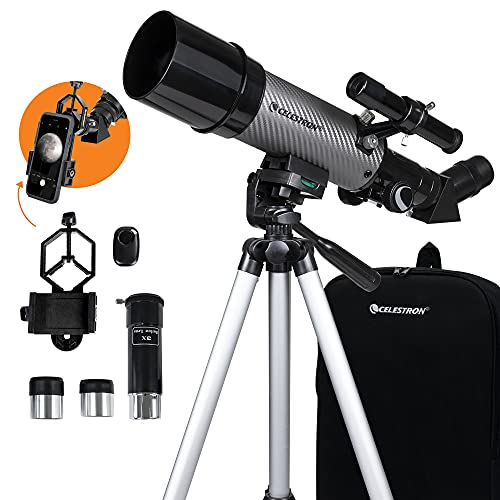
The increased aperture not only enhances the brightness of objects but also improves the contrast and resolution, allowing users to discern finer details that may be challenging to see with smaller aperture telescopes.
Benefits of Larger Aperture
A larger aperture not only improves the brightness and clarity of celestial objects but also enables astronomers to observe fainter objects in the night sky.
Deep-sky objects such as distant galaxies, nebulae, and star clusters are more easily visible with a telescope that has a larger aperture.
Additionally, planets and their surface features appear more defined and intricate when observed through a telescope with a larger aperture, making the viewing experience more rewarding and immersive.
By understanding the significance of aperture size in telescopes and the advantages it brings in terms of light gathering and image quality, astronomers can make informed decisions when selecting a telescope that best suits their observing needs and preferences.

Magnification Options and Viewing Experience
In the realm of magnification, both telescopes offer a range of eyepieces and accessories to customize the viewing experience.
The NexStar Evolution 6, with its sophisticated Schmidt-Cassegrain design, provides versatility in magnification levels, allowing users to zoom in on specific targets with precision.
Combined with the telescope’s motorized mount and GoTo functionality, astronomers can easily navigate the cosmos and explore a variety of celestial sights with ease.
On the other hand, the SkyScanner 100mm’s tabletop design may limit the range of magnification options compared to its counterpart, but it still offers satisfying views of the moon, planets, and brighter deep-sky objects.
Eyepieces and Accessories for Customization
Both the NexStar Evolution 6 and the SkyScanner 100mm come equipped with a variety of eyepieces and accessories that allow users to customize their viewing experience.
Eyepieces with different focal lengths can provide varying levels of magnification, enabling astronomers to observe celestial objects at different distances with clarity.
Additionally, accessories such as Barlow lenses can further enhance magnification capabilities, giving users the option to achieve even closer views of distant targets.
These customizable elements cater to the preferences and needs of astronomers, allowing them to tailor their viewing experience to suit their individual interests.
Precision in Viewing
The sophisticated Schmidt-Cassegrain design of the NexStar Evolution 6 offers precision in magnification levels, allowing users to zoom in on specific targets with exceptional detail and clarity.
This precision is particularly useful when observing objects that require closer inspection, such as distant galaxies, planetary features, or intricate lunar landscapes.
By adjusting the magnification levels with precision, astronomers can enhance their viewing experience and gain deeper insights into the wonders of the universe.
Motorized Mount and GoTo Functionality
One standout feature of the NexStar Evolution 6 is its motorized mount and GoTo functionality, which revolutionizes the viewing experience for astronomers.
The motorized mount allows for smooth and precise tracking of celestial objects as they move across the night sky, eliminating the need for manual adjustments and ensuring a hassle-free viewing experience.
Combined with the GoTo functionality, which automatically slews the telescope to desired targets at the touch of a button, users can effortlessly navigate the cosmos and explore a wide range of celestial sights with ease.
This advanced technology enhances the overall viewing experience, making stargazing more accessible and enjoyable for astronomers of all levels.
Tabletop Design and Viewing Comfort
While the SkyScanner 100mm may have limitations in its range of magnification options compared to the NexStar Evolution 6, its tabletop design offers unique advantages in terms of viewing comfort and convenience.
The compact size and portable nature of the tabletop design make it easy to transport and set up in various observing locations, allowing astronomers to enjoy stargazing sessions in different environments.
Additionally, the tabletop design provides stability and balance during observations, minimizing vibrations and ensuring a steady viewing experience.
Despite its compact size, the SkyScanner 100mm still delivers satisfying views of celestial objects, making it an ideal choice for beginner astronomers or those seeking a user-friendly and compact telescope option.
Optical Quality and Image Sharpness
Both Celestron and Orion are renowned for their commitment to optical excellence, and the NexStar Evolution 6 and SkyScanner 100mm uphold this reputation with their high-quality optics.
The Celestron telescope’s StarBright XLT coating enhances light transmission and minimizes reflections, resulting in sharp and clear images that reveal intricate details of astronomical wonders.
On the other hand, the Orion SkyScanner 100mm’s parabolic primary mirror delivers crisp views of celestial objects, showcasing their beauty with impressive clarity.
While the NexStar Evolution 6 boasts advanced coatings and technology, the SkyScanner 100mm impresses with its optical performance and ability to capture stunning celestial views.
Advanced Coatings and Technologies
Celestron’s NexStar Evolution 6 incorporates advanced coatings and technologies to enhance optical quality and image sharpness.
The telescope features Celestron’s proprietary StarBright XLT coating, which is designed to maximize light transmission while reducing unwanted reflections.
This not only results in brighter images but also ensures that details of celestial objects are more clearly defined.
Additionally, the NexStar Evolution 6 utilizes high-quality glass elements and precise optical alignment to deliver outstanding performance across a range of astronomical observations.
Precision Engineering for Enhanced Clarity
The Orion SkyScanner 100mm stands out for its precision-engineered parabolic primary mirror, which plays a crucial role in ensuring image sharpness and clarity.
The mirror is crafted to exacting standards to minimize spherical aberration and improve the overall optical performance of the telescope.
This means that when observing celestial objects through the SkyScanner 100mm, users can expect to see sharper details and more defined features, whether it’s capturing the intricate rings of Saturn or the delicate bands of Jupiter.
Capturing Stunning Celestial Views
Both the NexStar Evolution 6 and SkyScanner 100mm excel in capturing stunning celestial views, albeit through slightly different optical mechanisms.
The NexStar Evolution 6’s StarBright XLT coating enhances contrast and color fidelity, making it ideal for observing deep-sky objects such as galaxies and nebulae.
On the other hand, the Orion SkyScanner 100mm’s primary mirror is optimized for planetary observations, offering sharp and detailed views of the moon’s craters, Mars’ polar caps, and other celestial bodies within our solar system.
By combining precision optics with well-designed coatings, both telescopes deliver exceptional image sharpness and optical quality that cater to a wide range of astronomical enthusiasts.
Price Point and Value Proposition
In the realm of astrophotography, the Celestron NexStar Evolution 6 offers compatibility with various camera systems, enabling users to capture breathtaking images of the night sky with ease.
Its motorized mount and tracking capabilities make it well-suited for long-exposure photography, allowing for detailed shots of planets, galaxies, and nebulae.
While the SkyScanner 100mm may not possess the same level of astrophotography features as its counterpart, it still provides a platform for capturing remarkable lunar and planetary images, making it a worthwhile entry point for budding astrophotographers.
Versatility in Camera Compatibility
The Celestron NexStar Evolution 6 stands out for its versatility in camera compatibility, allowing users to integrate a wide range of camera systems seamlessly.
This flexibility means that astrophotographers can choose the best camera for their specific needs, whether it be a DSLR, mirrorless, or dedicated astronomy camera.
With the ability to experiment with different cameras and lenses, users can unleash their creativity and capture unique celestial moments.
Enhanced Control for Precision Imaging
One of the key advantages of the NexStar Evolution 6 is its motorized mount and tracking capabilities, which offer enhanced control for precision imaging.
By automatically tracking celestial objects as they move across the night sky, users can capture sharp, detailed images during long-exposure sessions.
This feature is especially beneficial when imaging faint deep-sky objects or capturing detailed shots of the planets in our solar system.
Entry-Level Astrophotography Potential
While the SkyScanner 100mm may not have the advanced astrophotography features of the NexStar Evolution 6, it still holds significant potential as an entry-level tool for aspiring astrophotographers.
With its compact size and ease of use, the SkyScanner provides a simple and accessible platform for capturing stunning lunar and planetary images.
This makes it an ideal choice for beginners looking to dip their toes into the fascinating world of astrophotography without overwhelming complexity.
Accessories and Expandability
Both the Celestron NexStar Evolution 6 and the Orion SkyScanner 100mm come equipped with a range of accessories to enhance the observing experience.
From eyepieces and filters to finderscopes and software packages, these telescopes offer customization options to cater to different preferences and observing styles.
Additionally, both telescopes are compatible with a variety of additional accessories, such as smartphone adapters, star diagonals, and Barlow lenses, allowing users to expand their capabilities and delve deeper into the mysteries of the universe.
Enhance Your Observing Experience with Accessories
Accessories play a crucial role in enhancing the capabilities of telescopes, providing users with the flexibility to explore different aspects of the cosmos.
In addition to the standard accessories that come included with the Celestron NexStar Evolution 6 and the Orion SkyScanner 100mm, there is a plethora of add-ons available in the market to further elevate the observing experience.

Diverse Range of Eyepieces and Filters
One of the key accessories for any telescope is the eyepiece.
Different eyepieces offer varying levels of magnification and field of view, allowing astronomers to customize their observations based on their targets.
Filters, on the other hand, can enhance contrast and visibility of specific celestial objects like planets, nebulae, and galaxies.
With a variety of eyepieces and filters to choose from, users can adapt their viewing experience based on the prevailing sky conditions and the objects of interest.
Finderscopes and Software Packages for Precision
Finderscopes are essential tools for locating celestial objects in the night sky accurately.
These secondary scopes aid in aligning and centering the main telescope on targets, ensuring a seamless observing session.
Additionally, software packages like planetarium programs and telescope control apps can further streamline the observing process by providing real-time sky maps, object information, and even automated tracking capabilities.
By integrating finderscopes and software packages into their setup, astronomers can improve their precision and efficiency in navigating the heavens.
Immersive Smartphone Adapters and Star Diagonals
Smartphone adapters have become increasingly popular among astronomers as they enable users to capture impressive astrophotography using their mobile devices.
By attaching a smartphone to the telescope, enthusiasts can document their observations, share celestial moments with others, and even participate in citizen science projects.
Star diagonals, on the other hand, help in achieving comfortable viewing angles by redirecting the light path, reducing neck strain during extended stargazing sessions.
These accessories not only expand the functionality of the telescopes but also open up new avenues for engaging with the cosmos.
Barlow Lenses for Increased Magnification
Barlow lenses are optical components that effectively double or triple the magnification of an eyepiece, allowing astronomers to zoom in on targets with greater detail and clarity.
Whether observing lunar craters, planetary features, or distant galaxies, Barlow lenses can elevate the viewing experience by bringing far-off objects closer and revealing finer details.
By incorporating Barlow lenses
Final Thoughts: Choosing Your Celestial Companion
As you embark on your journey to explore the stars, the decision between the Celestron NexStar Evolution 6 and the Orion SkyScanner 100mm ultimately comes down to your personal preferences and observing goals.
If you value advanced technology, automated functionality, and robust astrophotography capabilities, the NexStar Evolution 6 may be the ideal choice for you.
On the other hand, if simplicity, portability, and ease of use are your priorities, the SkyScanner 100mm offers a compelling option for casual stargazing and on-the-go observations.
Whichever telescope you choose, both the Celestron NexStar Evolution 6 and the Orion SkyScanner 100mm hold the promise of unlocking the mysteries of the cosmos and transporting you to distant corners of the universe.
So, equip yourself with your celestial companion of choice, gaze up at the night sky, and let the wonders of the cosmos unfold before your eyes.
Happy stargazing!
Considering Your Observing Environment
When deciding between the Celestron NexStar Evolution 6 and the Orion SkyScanner 100mm, it is crucial to consider the environment in which you will be using the telescope most frequently.
If you live in a light-polluted area, the advanced technology and precise tracking capabilities of the NexStar Evolution 6 can help you navigate through the sky and locate celestial objects with ease.
On the other hand, if you enjoy stargazing in more remote locations with darker skies, the simplicity and portability of the SkyScanner 100mm may be more appealing for spontaneous observations on-the-go.
Customizing Your Observing Experience
One key aspect to keep in mind is the level of customization each telescope allows for your observing experience.
The Celestron NexStar Evolution 6 offers various compatible accessories and software options that enable you to tailor your stargazing sessions to fit your preferences.
From smartphone integration for remote control to astrophotography capabilities that capture stunning images of celestial objects, the NexStar Evolution 6 provides a high level of versatility for astronomy enthusiasts looking to expand their horizons.
In contrast, the Orion SkyScanner 100mm’s simplicity shines through in its straightforward setup and user-friendly design.
While it may not have all the advanced features of the NexStar Evolution 6, the SkyScanner 100mm appeals to beginners and casual observers who prioritize ease of use and hassle-free operation.
With its grab-and-go functionality, this telescope offers a convenient way to quickly set up and start exploring the night sky without extensive setup or calibration requirements.
Exploring Versatility in Observing Activities
Beyond the technical specifications and performance capabilities, it’s essential to consider the versatility each telescope offers in facilitating different observing activities.
If your interests span from planetary observations to deep-sky explorations, the Celestron NexStar Evolution 6’s motorized mount and precise tracking system can smoothly transition between various celestial targets with precision and accuracy.
On the other hand, if you prefer spontaneous stargazing sessions or celestial events like meteor showers or comets, the Orion SkyScanner 100mm’s compact size and lightweight design make it a convenient choice for impromptu skywatching sessions.
Its wide field of view and ease of setup make it an excellent option for observing large celestial objects like star clusters or the Moon, providing a versatile viewing experience for both beginners and seasoned astronomers alike.
In conclusion, the decision between the Celestron NexStar Evolution
Sources:
– Celestron: www.celestron.com
– Orion Telescopes & Binoculars: www.telescope.com
[End of Article Adapting to the Night Sky: Embracing the Cosmos with Your Telescope
As you prepare to venture into the realm of stargazing, it’s essential to consider how your chosen telescope aligns with your astral aspirations.
Both the Celestron NexStar Evolution 6 and the Orion SkyScanner 100mm offer distinct pathways to exploring the beauty of the night sky, inviting you to embark on an illuminating journey through space and time.
Whether you are captivated by the allure of distant galaxies or seek solace in the quiet contemplation of lunar landscapes, your telescope serves as a faithful guide, bridging the gap between our earthly existence and the infinite expanse of the cosmos.
Exploring Telescope Features:
When choosing a telescope for stargazing, it’s crucial to consider not only the brand but also the specific features that will enhance your celestial observations.
Celestron and Orion Telescopes & Binoculars are renowned for their quality optics and innovative technology.
The Celestron NexStar Evolution 6 boasts a computerized system that allows for easy tracking of celestial objects, perfect for beginners and seasoned astronomers alike.
On the other hand, the Orion SkyScanner 100mm provides excellent light-gathering capabilities, ideal for observing faint deep-sky objects like nebulae and galaxies.
Understanding the unique features of each telescope can help you make an informed decision based on your stargazing preferences and goals.
Utilizing Online Resources:
In addition to the telescopes themselves, manufacturers like Celestron and Orion offer a wealth of online resources to support astronomers in their cosmic pursuits.
Visiting the websites of Celestron and Orion Telescopes & Binoculars provides access to product specifications, user manuals, and troubleshooting guides.
Furthermore, online communities and forums hosted by these brands offer a platform for sharing experiences, tips, and advice with fellow stargazers.
By tapping into these online resources, you can enrich your stargazing journey and connect with a broader community of astronomy enthusiasts.
Customer Support and Warranties:
When investing in a telescope, it’s essential to consider the level of customer support and warranties provided by the manufacturer.
Celestron and Orion Telescopes & Binoculars are known for their excellent customer service and comprehensive warranty options.
Whether you have questions about setting up your telescope or need assistance with troubleshooting, both companies have dedicated support teams ready to assist you.
Furthermore, their warranties ensure that your telescope is protected against defects and malfunctions, giving you peace of mind as you explore the night sky.
Conclusion:
In conclusion, choosing the right telescope for your stargazing adventures involves more than just selecting a brand name.
By exploring the unique features of telescopes like the Celestron NexStar Evolution 6 and the Orion SkyScanner 100mm, utilizing online resources, and considering customer support and warranties, you can enhance your astronomical experiences and deepen your connection to the cosmos.
Whether you’re a novice gazer or a seasoned astronomer, your telescope is a gateway to the wonders of the universe, inviting you to embrace the beauty and mystery of the night sky.
Connectivity and Control: Navigating the Celestial Landscape
In the realm of celestial observation, technology plays a pivotal role in enhancing the stargazing experience.
The Celestron NexStar Evolution 6 stands out for its seamless integration of modern conveniences, such as WiFi connectivity and smartphone control.
By harnessing the power of digital innovation, this telescope empowers users to navigate the celestial landscape with precision and ease, unlocking a universe of wonders at the touch of a screen.
Whether you are tracking Jupiter’s swirling storms or tracing the intricate patterns of the Orion Nebula, the NexStar Evolution 6 offers a dynamic and immersive way to engage with the cosmos.
Technology for Modern Stargazing
In today’s digital age, technology has revolutionized the way we observe and interact with the celestial realm.
Telescopes like the Celestron NexStar Evolution 6 are at the forefront of this evolution, incorporating cutting-edge features that cater to both novice and seasoned astronomers.
With built-in WiFi connectivity, users can easily connect their telescopes to smartphones, tablets, or computers, opening up a world of possibilities for remote control and data collection.
Enhancing User Experience
The integration of smartphone control transforms the stargazing experience into a more interactive and customizable activity.
Recommended to our readers: Click here
Imagine being able to align your telescope, choose celestial objects to observe, and track their movements all from the convenience of your smartphone screen.
This level of control not only simplifies the observational process but also enables users to delve deeper into the cosmos with greater accuracy and efficiency.
Real-Time Exploration and Discovery
One of the standout features of the NexStar Evolution 6 is its ability to provide real-time updates and information about celestial events.
For example, users can receive notifications about upcoming meteor showers, planetary conjunctions, or other astronomical phenomena, allowing them to plan their stargazing sessions accordingly.
This real-time connectivity fosters a sense of community among astronomers who can share their observations and discoveries instantaneously.
Educational Opportunities
Beyond its recreational benefits, the NexStar Evolution 6 serves as a valuable educational tool for students, educators, and astronomy enthusiasts.
With its user-friendly interface and interactive capabilities, this telescope facilitates hands-on learning experiences that make complex astronomical concepts more accessible and engaging.
Teachers can leverage its technology to create immersive lessons about the solar system, constellations, and beyond, sparking curiosity and fostering a deeper appreciation for the universe.
Future Innovations
As technology continues to advance, the possibilities for merging astronomy with digital innovation are limitless.
Telescopes like the NexStar Evolution 6 are paving the way for more sophisticated tools that combine precision optics with state-of-the-art connectivity.
With ongoing developments in artificial intelligence, augmented reality, and data analysis, the future of celestial observation holds exciting prospects for both amateur stargazers and professional astronomers alike.
Embracing Simplicity: Unveiling the Magic of the SkyScanner 100mm
In contrast to its technologically advanced counterpart, the Orion SkyScanner 100mm embodies the beauty of simplicity in celestial observation.
With its compact tabletop design and user-friendly features, this telescope invites you to rediscover the magic of stargazing through a more tactile and hands-on approach.
Whether you are introducing a young astronomer to the wonders of the night sky or seeking a moment of tranquility under the canopy of stars, the SkyScanner 100mm exudes a sense of accessibility and charm that transcends the complexities of the cosmos.
The Beauty of Simplicity:
The Orion SkyScanner 100mm telescope embodies the beauty of simplicity in its design and functionality.
Unlike some advanced telescopes that may overwhelm beginners with complex features and settings, the SkyScanner offers a straightforward and intuitive user experience.
Its compact tabletop design makes it easy to set up and use, perfect for beginners and experienced stargazers alike.
Recommended to our readers: Click here
Rediscovering the Magic of Stargazing:
Using the SkyScanner 100mm telescope allows you to reconnect with the pure joy of observing the night sky.
Its simplicity encourages you to slow down, take your time, and truly appreciate the celestial wonders above.
Whether you’re spotting the craters of the Moon, the rings of Saturn, or distant galaxies, the SkyScanner brings the awe-inspiring beauty of the universe closer to you in a tangible way.
Tactile and Hands-On Experience:
One of the standout features of the SkyScanner 100mm is its emphasis on providing a tactile and hands-on experience.
Instead of relying solely on technology or automated systems, this telescope encourages you to manually adjust settings, focus the lens, and physically interact with the instrument.
This hands-on approach not only deepens your understanding of astronomy but also fosters a deeper connection with the cosmos.
Versatility and Accessibility:
The SkyScanner 100mm is versatile in its usage, making it suitable for a wide range of stargazing experiences.

Whether you’re observing planets, star clusters, or nebulae, this telescope delivers impressive views with its 100mm aperture.
Its accessibility is another key feature, as it is designed to be user-friendly for individuals of all ages and levels of expertise.
From kids exploring the night sky for the first time to seasoned astronomers looking for a portable and convenient instrument, the SkyScanner caters to a diverse audience.
Capturing Cosmic Moments: The Art of Astrophotography
For many stargazers, the allure of astrophotography represents a gateway to immortalizing fleeting cosmic moments and capturing the timeless beauty of the night sky.
The Celestron NexStar Evolution 6, with its robust astrophotography capabilities and compatibility with various camera systems, empowers users to transform their celestial encounters into stunning visual narratives.
From the intricate rings of Saturn to the ethereal glow of distant
Immersing in the Celestial Realm
Astrophotography enthusiasts using the Celestron NexStar Evolution 6 telescope find themselves immersed in a world where time seems to stand still, allowing them to capture the beauty of celestial objects with unprecedented clarity and detail.
Imagine aligning the powerful optics of the telescope to reveal the delicate wisps of a distant nebula or the intricate details of a distant galaxy’s spiral arms.
Each photograph becomes a portal to the vast expanse of the universe, illustrating the mesmerizing dance of celestial bodies through space and time.
Pushing the Boundaries of Creativity

With the Celestron NexStar Evolution 6 telescope, astrophotographers have the freedom to push the boundaries of their creativity by experimenting with different camera settings, exposure times, and image processing techniques.
This telescope’s exceptional tracking capabilities enable users to capture long-exposure images of celestial phenomena such as star trails, deep-sky objects, and planetary alignments.
By blending artistic vision with technical precision, photographers can produce stunning compositions that showcase the intrinsic beauty of the cosmos.
Capturing the Dynamic Universe
One of the most exciting aspects of astrophotography with the Celestron NexStar Evolution 6 is the ability to capture the dynamic nature of the universe.
From transient events like meteor showers and lunar eclipses to the graceful movements of planets across the night sky, this telescope allows photographers to document moments that are both awe-inspiring and ephemeral.
By recording these celestial events through the lens of the telescope, photographers can create a visual archive of the ever-changing cosmos, preserving these cosmic moments for future generations to admire and study.