Celestron NexStar 130SLT vs Orion StarSeeker IV: A Comparative Analysis
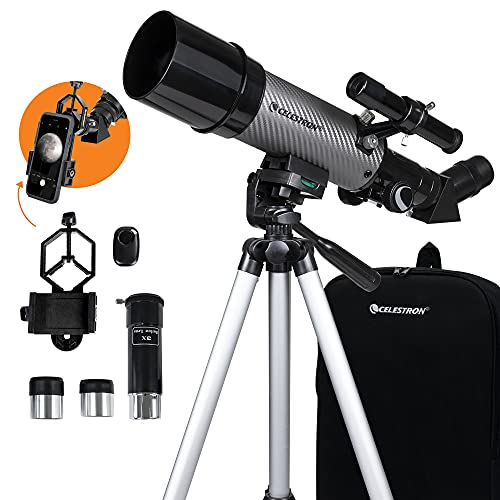
Astronomy enthusiasts and stargazing aficionados often find themselves at a crossroads when selecting a telescope for their celestial observations.
In this feature article, we delve into a comparison between two popular choices in the realm of entry-level computerized telescopes: the Celestron NexStar 130SLT and the Orion StarSeeker IV.
Both models come with their unique features and capabilities, catering to different needs and preferences of astronomers.
So, let’s embark on a journey to explore the nuances and distinctions between these two remarkable telescopes.
Introduction to the Telescopes
When considering the Celestron NexStar 130SLT and the Orion StarSeeker IV, it’s essential to understand the fundamental attributes that make these telescopes stand out in the market.
The Celestron NexStar 130SLT is known for its user-friendly design and efficient performance, making it an excellent choice for beginners and intermediate users alike.
On the other hand, the Orion StarSeeker IV boasts advanced technology and precise tracking capabilities, appealing to more seasoned astronomers seeking intricate details in their observations.
Unique Features of the Celestron NexStar 130SLT
The Celestron NexStar 130SLT comes equipped with a 130mm aperture and fully automated GoTo mount, allowing users to easily locate and track celestial objects with the push of a button.
Its SkyAlign technology enables quick and accurate alignment, making it a breeze for newcomers to set up and start exploring the night sky.
Additionally, the Celestron NexStar 130SLT features a vast database of over 4,000 celestial objects, providing a plethora of viewing options for astronomers to choose from.
Its sturdy steel tripod ensures stability during observations, while the included red dot finder scope aids in initial object location before engaging the telescope’s automated tracking system.
Unique Features of the Orion StarSeeker IV
In contrast, the Orion StarSeeker IV impresses users with its dual optical tube design, offering versatility in observing both terrestrial and celestial objects.
With its intuitive menu system and robust database of over 42,000 objects, this telescope provides enthusiasts with an extensive range of targets to explore, from planets to deep-sky phenomena.
The StarSeeker IV’s GoTo system utilizes dual optical encoders for precise tracking, ensuring accurate pointing and smooth slewing across the night sky.
Its integrated Tour mode feature guides users through a curated selection of notable objects, making it a valuable tool for educational purposes and stargazing adventures.
Different User Experiences
The choice between the Celestron NexStar 130SLT and the Orion StarSeeker IV ultimately comes down to individual preferences and intended usage.
While the NexStar 130SLT offers simplicity and convenience for beginners, the StarSeeker IV provides a more in-depth, feature-rich experience for advanced astronomers seeking enhanced capabilities and flexibility in their observations.
By understanding the unique attributes of each telescope, users can make an informed decision based on their specific needs and interests in the realm of st
Unveiling the Celestron NexStar 130SLT

The Celestron NexStar 130SLT is renowned for its compact design, making it a portable and user-friendly option for beginners and seasoned skywatchers alike.
With a 130mm aperture and a focal length of 650mm, this telescope offers crisp views of the moon, planets, and deep-sky objects.
Equipped with Celestron’s SkyAlign technology, the NexStar 130SLT provides convenient alignment procedures, enabling users to easily locate and track celestial bodies with precision.
One of the standout features of the NexStar 130SLT is its database of over 4,000 celestial objects, allowing astronomers to explore a wide range of targets at the touch of a button.
Recommended to our readers: Click here
Whether you are observing Jupiter’s cloud bands or capturing distant nebulae, this telescope promises a rewarding viewing experience for amateur astronomers seeking versatility and ease of use.
Enhanced Viewing Experience
The 130mm aperture of the Celestron NexStar 130SLT plays a crucial role in delivering high-resolution images of celestial objects.
This larger aperture allows more light to enter the telescope, resulting in brighter and clearer views.
Whether you’re observing the intricate details of lunar craters or the intricate cloud formations of Jupiter, the 130SLT’s aperture ensures that you won’t miss any captivating features.
Recommended to our readers: Click here
Precision Tracking Capabilities
Thanks to Celestron’s SkyAlign technology, aligning the NexStar 130SLT is a breeze.
By simply selecting a few bright stars through the telescope’s hand control, the system automatically calibrates and aligns itself for accurate tracking of celestial targets.
Recommended to our readers: Click here
This capability is especially beneficial for users who are new to astronomy or those who prefer a hassle-free setup, allowing them to focus on enjoying the wonders of the universe without the frustration of complicated alignment procedures.
Explore a Universe of Possibilities
With its extensive database of over 4,000 celestial objects, the NexStar 130SLT opens up a world of exploration for astronomers of all levels.
From the rings of Saturn to distant galaxies millions of light-years away, this telescope provides endless opportunities to discover and observe a diverse range of cosmic phenomena.
Whether you’re a novice eager to learn about different celestial bodies or a seasoned observer seeking new challenges, the NexStar 130SLT’s comprehensive database ensures that there’s always something exciting to see in the night sky.
Introducing the Orion StarSeeker IV
On the other end of the spectrum, we have the Orion StarSeeker IV, a telescope revered for its advanced features and performance capabilities.
Boasting a 150mm aperture and a focal length of 750mm, the StarSeeker IV offers enhanced light-gathering capabilities, ideal for observing faint deep-sky objects with clarity and detail.
Recommended to our readers: Click here
With dual optical encoders and GoTo functionality, this telescope simplifies the process of locating and tracking celestial targets, making it a valuable tool for astronomy enthusiasts looking to delve deeper into the cosmos.
What sets the Orion StarSeeker IV apart is its innovative Tour mode, which guides users through a curated list of celestial highlights based on their location and time of observation.
Whether you are navigating the constellations or studying distant galaxies, this telescope delivers a comprehensive stargazing experience tailored to your preferences and interests.
Enhanced Light-Gathering Capabilities
The 150mm aperture of the Orion StarSeeker IV significantly enhances its light-gathering capabilities, allowing astronomers to capture more light and observe faint deep-sky objects with exceptional clarity and detail.
This is particularly advantageous when observing distant galaxies, nebulae, and star clusters, as the increased light collection aids in revealing intricate features that may remain hidden with smaller apertures.
Simplified Target Locating and Tracking
Equipped with dual optical encoders and GoTo functionality, the Orion StarSeeker IV streamlines the process of locating and tracking celestial objects.
The dual encoders provide precise positioning data, enabling the telescope to accurately pinpoint targets in the night sky.
The GoTo functionality further enhances user experience by automatically slewing the telescope to the desired object with just the push of a button, eliminating the need for manual adjustments and allowing observers to focus on the wonders of the universe.
Innovative Tour Mode for a Customized Stargazing Experience
The innovative Tour mode sets the Orion StarSeeker IV apart by offering users a personalized stargazing experience tailored to their specific location and time.
By utilizing data on the user’s geographical coordinates and the current date and time, the telescope guides observers through a curated list of celestial highlights that are visible in the sky at that moment.
Whether you are a beginner exploring the basics of astronomy or an experienced stargazer seeking new discoveries, the Tour mode provides a structured way to navigate the night sky and discover fascinating celestial objects with ease.
Example: Exploring Various Celestial Objects
Imagine embarking on a stargazing journey with the Orion StarSeeker IV using its Tour mode.
As the telescope aligns itself to your location and time, you are guided to observe the shimmering beauty of the Orion Nebula, the intricate patterns of the Andromeda Galaxy, or the captivating rings of Saturn.
With each selection, the telescope automatically slews to the target, allowing you to marvel at these cosmic wonders through the eyepiece.

The Tour mode acts as a knowledgeable companion, introducing you to a diverse range of celestial objects and offering insights into their significance and beauty.
Performance Comparison: A Closer Look
When comparing the performance of the Celestron NexStar 130SLT and the Orion StarSeeker IV, several factors come into play.
The NexStar 130SLT excels in portability and ease of setup, making it an excellent choice for astronomers on the go or those new to telescope operations.
Recommended to our readers: Click here
Its compact size and user-friendly interface make it a versatile option for backyard stargazing or spontaneous observing sessions.
In contrast, the Orion StarSeeker IV shines in its advanced tracking capabilities and enhanced light-gathering abilities.
With its larger aperture and precision GoTo system, this telescope is well-suited for astrophotography enthusiasts and those seeking to explore distant galaxies and nebulae in greater detail.
While the StarSeeker IV may have a steeper learning curve, the rewards in terms of performance and versatility are well worth the investment for passionate astronomers.
Portability and Ease of Setup
The Celestron NexStar 130SLT’s compact size and straightforward setup process make it a convenient option for those who value portability and ease of use in their telescopes.
Its lightweight design allows astronomers to transport it to various viewing locations, whether it’s a backyard, a park, or even a remote observing site.
The user-friendly interface of the NexStar 130SLT makes it especially appealing to beginners or casual stargazers who want a hassle-free observing experience without the need for complex manual adjustments.
Advanced Tracking Capabilities and Enhanced Light-Gathering Abilities
On the other hand, the Orion StarSeeker IV stands out for its advanced tracking capabilities and superior light-gathering abilities.
Equipped with a larger aperture than the NexStar 130SLT, the StarSeeker IV gathers more light, resulting in brighter and clearer views of celestial objects.
This feature is particularly advantageous for astrophotography enthusiasts who require optimal light collection for capturing detailed images of deep-sky objects such as galaxies, star clusters, and nebulae.
Additionally, the precision GoTo system of the Orion StarSeeker IV enhances its tracking accuracy, allowing users to effortlessly locate and follow celestial targets with precision.
While mastering the operational intricacies of the GoTo system may take some time and practice, the benefits of accurate tracking and alignment greatly enhance the overall observing experience, especially when exploring faint or distant astronomical objects.
Conclusion
In conclusion, when considering the performance comparison between the Celestron NexStar 130SLT and the Orion StarSeeker IV, it is essential to prioritize individual observing needs and preferences.
The NexStar 130SLT appeals to those who value portability, simplicity, and versatility in a telescope, while the StarSeeker IV caters to astronomers seeking advanced tracking capabilities and enhanced light-gathering abilities for astrophotography and deep-sky observation.
Both telescopes offer unique strengths and features that cater to different user experiences, making it crucial for enthusiasts to evaluate their priorities and intended usage before making a purchase decision.
Conclusion: Finding Your Cosmic Companion
In conclusion, the choice between the Celestron NexStar 130SLT and the Orion StarSeeker IV ultimately comes down to individual preferences, priorities, and experience levels.
If you value portability, ease of use, and a comprehensive database of celestial objects, the NexStar 130SLT is a solid option that caters to a wide range of users.
Alternatively, if you seek advanced features, enhanced tracking capabilities, and superior light-gathering power, the Orion StarSeeker IV offers a more robust and performance-driven telescope experience.
Whether you are embarking on your first stargazing journey or looking to upgrade to a more sophisticated telescope, both the Celestron NexStar 130SLT and the Orion StarSeeker IV present compelling choices for astronomers of all backgrounds.
By understanding the distinctive features and capabilities of each model, you can make an informed decision that aligns with your stargazing aspirations and celestial explorations.
Whichever telescope you choose, the wonders of the cosmos await your discovery, guiding you on an awe-inspiring odyssey through the vast expanse of the night sky.
Factors to Consider
When deciding between the Celestron NexStar 130SLT and the Orion StarSeeker IV, there are several key factors to consider that can help you narrow down your choice based on your specific needs and preferences.
These factors include:
– Aperture Size: The aperture size of a telescope determines its light-gathering ability, which directly impacts the clarity and brightness of celestial objects observed.
The NexStar 130SLT features a 130mm aperture, while the StarSeeker IV boasts a larger 150mm aperture, providing greater light-gathering power for enhanced views of deep-sky objects.
– Mounting Type: The mount of a telescope plays a crucial role in stability, tracking accuracy, and ease of use.
The NexStar 130SLT comes with a single-arm altazimuth mount, offering smooth and intuitive manual control.
In comparison, the StarSeeker IV includes a dual-fork equatorial mount, providing more precise tracking capabilities for astrophotography and long-exposure observations.
User Experience and Accessibility
Both the NexStar 130SLT and the StarSeeker IV are designed with user-friendly features to enhance the stargazing experience for astronomers of all skill levels.
Features like SkyAlign technology in the NexStar 130SLT enable quick and easy alignment procedures, making it ideal for beginners who are just starting their astronomical journey.
On the other hand, the StarSeeker IV’s GoTo functionality and built-in Tour mode cater to more experienced users seeking to explore a wider range of celestial objects efficiently.
Furthermore, the included hand controllers for both telescopes provide access to extensive databases of celestial objects, offering detailed information and coordinates to locate specific stars, planets, and deep-sky wonders.
These intuitive controls make navigating the night sky a seamless and enjoyable process for astronomers at any stage of their stargazing pursuits.


Advanced Features and Customization
For users seeking advanced features and customization options, the Orion StarSeeker IV stands out with its robust set of tools and capabilities.
Its dual-axis motor drives allow for precise tracking of celestial objects, essential for capturing clear images during astrophotography sessions.
Recommended to our readers: Click here
Additionally, the StarSeeker IV offers customizable tracking rates, sidereal, solar, and lunar tracking modes, and compatibility with optional accessories like focal reducers and electronic focusers, enabling users to personalize their observing experience to suit their specific interests and goals.
On the other hand, while the NexStar 130SL