Passion in Every Scoop: Exploring the Battle Between Coconut Cream and Heavy Cream
When it comes to cooking and baking, the choice of ingredients can make all the difference.
Among the many options in the dairy and plant-based world, two contenders stand out for their creamy richness and versatility: Coconut Cream and Heavy Cream.
Both have their unique qualities and fervent fan bases, but which one reigns supreme in the kitchen?
Let’s delve into the creamy showdown between Coconut Cream and Heavy Cream to uncover their nuances, benefits, and potential drawbacks.
Nutritional Profile and Health Benefits
Coconut cream is derived from the flesh of mature coconuts, making it a plant-based alternative to heavy cream.
It is rich in medium-chain fatty acids, which are believed to have various health benefits such as increased metabolism and improved brain function.
However, coconut cream is also high in saturated fats, so moderation is key for those watching their cholesterol levels.
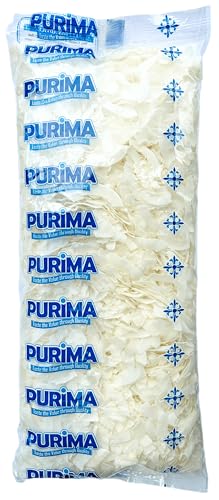
On the other hand, heavy cream contains more calories and saturated fat per serving compared to coconut cream, making it a richer and more indulgent option for culinary creations.
Culinary Applications and Flavor Profiles
When it comes to cooking and baking, the choice between coconut cream and heavy cream can significantly impact the final taste and texture of a dish.
Recommended to our readers: Click here

Coconut cream imparts a subtle coconut flavor to dishes, adding a tropical twist to both sweet and savory recipes.
It is often used in desserts, curries, and creamy vegan sauces.
In contrast, heavy cream lends a rich, velvety texture to dishes like creamy pastas, soups, and decadent desserts like custards and ice creams.

Vegan and Dairy-Free Alternatives
One of the key advantages of coconut cream is its suitability for vegan and dairy-free diets.
Since it is plant-based, coconut cream serves as an excellent alternative for those who follow a vegan lifestyle or have dairy allergies or intolerances.
Heavy cream, being a dairy product, may not be suitable for individuals with lactose intolerance or those seeking plant-based alternatives in their cooking and baking endeavors.
Texture and Stability in Cooking
Another aspect to consider when choosing between coconut cream and heavy cream is their differences in texture and stability in cooking.
Coconut cream has a slightly thicker consistency compared to heavy cream, making it a great option for recipes that require a more solid or dense texture, such as setting a vegan panna cotta or thickening a curry.
On the other hand, heavy cream has a higher fat content, which contributes to its ability to whip into stiff peaks, making it ideal for creating fluffy whipped creams or rich buttery frostings.
The Tale of Two Creams: An Introduction to Creamy Delights
At first glance, Coconut Cream and Heavy Cream might seem like distant relatives in the culinary universe.
Coconut Cream, derived from the flesh of mature coconuts, offers a tropical twist with its distinct flavor profile.
On the other hand, Heavy Cream, a dairy-based product with a high butterfat content, boasts a rich and indulgent taste that can elevate both sweet and savory dishes.
Despite their differences, both creams share a common goal: to add lusciousness and depth to culinary creations.
Differences in Texture and Usage:
Coconut Cream is known for its smooth and slightly thick consistency, imparting a velvety mouthfeel to dishes like curries, desserts, and beverages.
Its natural sweetness makes it a popular choice in tropical and Asian cuisines.
On the other hand, Heavy Cream has a luxurious and creamy texture that can turn a simple soup into a velvety bisque or whipped into peaks for decadent desserts like mousses or ganaches.
Flavor Profiles and Versatility:
Coconut Cream lends a subtle tropical flavor with hints of coconut to dishes, adding a refreshing and exotic element.
It pairs exceptionally well with fruits, seafood, and spicy dishes, enhancing the overall taste profile.
In contrast, Heavy Cream brings a rich, buttery flavor that complements both sweet and savory dishes perfectly.
Its versatility allows it to be used in a wide range of recipes, from creamy pastas and sauces to delicate cakes and pastries.
Recommended to our readers: Click here
Nutritional Differences and Dietary Considerations:
While Coconut Cream is a dairy-free alternative suitable for vegans and individuals with lactose intolerance, it is higher in saturated fats.
Heavy Cream, being a dairy product, contains essential nutrients like calcium, potassium, and vitamins A and D. However, it is also high in calories and saturated fats, so moderation is key when incorporating it into a balanced diet.
Considerations for dietary preferences and health restrictions should be taken into account when choosing between these two creams for culinary purposes.
Flavorful Showdown: Coconut Cream’s Exotic Allure versus Heavy Cream’s Traditional Charm
When it comes to flavor, Coconut Cream and Heavy Cream bring contrasting elements to the table.
Coconut Cream introduces a subtle sweetness and a hint of coconut essence, making it a popular choice for exotic dishes like curries, desserts, and tropical cocktails.
Its velvety texture and unique taste can transport taste buds to far-flung islands with just a single spoonful.
On the other hand, Heavy Cream exudes a classic richness that is synonymous with comfort and indulgence.
Whether whipped into airy peaks for a decadent topping or simmered into a velvety sauce to accompany pasta or soups, Heavy Cream’s creamy consistency and neutral taste serve as a versatile canvas for both sweet and savory recipes.
Coconut Cream: A Versatile Ingredient for Exotic Dishes
In addition to its subtle sweetness and coconut essence, Coconut Cream offers a range of culinary possibilities beyond curries and desserts.
This creamy liquid derived from the flesh of coconuts can be used in both savory and sweet dishes, adding a tropical twist to recipes such as coconut shrimp, coconut rice, and coconut-based marinades for grilled meats.
Its ability to enhance flavors with a touch of exoticism makes it a favorite among innovative chefs looking to elevate their creations with a hint of the tropics.
Moreover, Coconut Cream is a dairy-free alternative for those with lactose intolerance or dietary restrictions, making it a versatile ingredient in vegan and plant-based cooking.
Its smooth consistency and delicate flavor profile make it a suitable substitute for heavy dairy creams in recipes, providing a lighter, fresher taste to dishes without compromising on richness or texture.
Heavy Cream: The Timeless Elegance of Rich Indulgence
When it comes to Heavy Cream, its traditional charm lies in its ability to elevate dishes with an unmatched level of richness and creaminess.
Beyond the realm of whipped cream and sauces, Heavy Cream can also be transformed into homemade butter or infused with herbs and spices to create flavored creams for desserts or savory applications.
One classic example of Heavy Cream’s culinary prowess is its role in creating the velvety base for a classic Alfredo sauce.
This luxurious sauce, made by simmering Heavy Cream with butter, garlic, and Parmesan cheese, highlights the cream’s ability to marry flavors together while providing a luscious texture that coats each strand of pasta perfectly.
In baking, Heavy Cream serves as a key ingredient in creating tender cakes, rich custards, and creamy fillings for pastries.
Recommended to our readers: Click here
Its high fat content adds moisture and a smooth mouthfeel to baked goods, resulting in decadent desserts that melt in your mouth with each bite.
Nutritional Face-Off: Deciphering the Health Benefits and Drawbacks
In the realm of nutrition, Coconut Cream and Heavy Cream showcase distinct profiles that cater to different dietary preferences and restrictions.
While Coconut Cream offers a dairy-free alternative for individuals with lactose intolerance or vegan diets, it is higher in saturated fats, calories, and carbohydrates compared to Heavy Cream.
On the flip side, Heavy Cream packs a hefty dose of calories and saturated fats, making it a choice best enjoyed in moderation for those mindful of their cholesterol levels and overall fat intake.
Nutritional Comparison:
In a closer nutritional examination, Coconut Cream emerges as a unique option due to its plant-based origins.
It is derived from the flesh of mature coconuts and boasts a subtle coconut flavor that can enhance both sweet and savory dishes.
Despite its saturated fat content, the type of saturated fats in coconut cream are mainly medium-chain triglycerides (MCTs), which are believed to offer certain health benefits such as improved heart health and increased metabolism.
On the other hand, Heavy Cream, a staple in many traditional recipes, is made by skimming the fattier layer off the top of fresh milk.
It is rich in flavor and imparts a luxurious texture to dishes like soups, sauces, and desserts.
However, heavy cream is high in calories and saturated fats, which can contribute to weight gain and cardiovascular issues if consumed excessively.
Usage and Culinary Applications:
Beyond the nutritional aspect, both Coconut Cream and Heavy Cream have specific culinary uses that cater to diverse dietary needs.
Coconut Cream is a versatile ingredient commonly used in dairy-free and vegan recipes as a substitute for traditional cream.
It can be whipped to create dairy-free whipped cream or incorporated into curries, smoothies, and desserts for a creamy consistency.
In contrast, Heavy Cream is favored in classic culinary preparations for its ability to add richness and thickness to dishes.
It is commonly used in savory recipes like creamy pasta sauces, mashed potatoes, and quiches to impart a velvety texture.
In desserts, heavy cream is a key component in making luxurious treats like rich custards, ice creams, and ganaches.
Considerations for Health-Conscious Consumers:
For individuals seeking to make healthier choices, it is crucial to weigh the pros and cons of Coconut Cream and Heavy Cream in relation to their dietary goals.

Recommended to our readers: Click here
Coconut Cream can be a beneficial option for those following a plant-based diet or looking to incorporate MCTs into their meals.
However, moderation is key due to its high calorie and saturated fat content.
Similarly, while Heavy Cream can elevate the flavor and texture of dishes, it is advisable to use it sparingly and opt for lighter alternatives like half-and-half or milk in recipes where a lighter touch is desired.
Being mindful of portion sizes and balancing the use of Coconut Cream and Heavy Cream can help strike a balance between enjoying flavorful dishes and maintaining a healthy diet.
Culinary Versatility: Unleashing the Creamy Potential in Savory and Sweet Creations
When it comes to culinary applications, both Coconut Cream and Heavy Cream shine in their respective domains.
Coconut Cream’s tropical notes lend themselves well to dishes like coconut curry, pina coladas, or coconut-based desserts, infusing a hint of exoticism into each bite.
On the other hand, Heavy Cream’s luxurious texture and mild flavor make it a sought-after ingredient in classic French sauces, creamy pastas, custards, and whipped toppings that demand a velvety finish.
Versatility in Sweet Creations:
In sweet creations, Coconut Cream adds a rich and creamy texture to desserts such as coconut milk ice cream, coconut cream pie, or coconut milk-based puddings.
The natural sweetness of Coconut Cream also makes it a popular choice for vegan and dairy-free recipes, offering a dairy alternative with a hint of tropical flavor.
Additionally, Coconut Cream can be whipped into light and fluffy peaks, perfect for topping off cakes, fruit salads, or vegan mousses.
Exploring Heavy Cream in Savory Dishes:
In savory dishes, Heavy Cream serves as a key component in creating decadent creamy soups, such as New England clam chowder or roasted tomato bisque.
Its ability to add richness without overpowering flavors makes it a versatile ingredient in dishes like creamy risottos, pot pies, or gratins.
Heavy Cream can also elevate pan sauces by providing a velvety texture that clings to proteins, adding depth and complexity to the dish.
Fusion of Flavors:
When experimenting with culinary creations, combining Coconut Cream and Heavy Cream can lead to delightful fusions of flavors.
For instance, a coconut-infused cream sauce drizzled over seared scallops brings together the creamy sweetness of Coconut Cream with the richness of Heavy Cream, creating a harmonious balance of flavors.
Similarly, a coconut-heavy cream frosting can adorn cakes or cupcakes, blending the tropical essence of Coconut Cream with the luxurious feel of Heavy Cream for a truly indulgent treat.
Pros and Cons
| Cream Type | Pros | Cons |
| —————– | ———- | ———- |
| Coconut Cream | – Dairy-free option
– Unique tropical flavor notes
– Versatile in both sweet and savory dishes | – Higher in saturated fats and calories
– Strong coconut taste may not suit all recipes |
| Heavy Cream | – Rich, indulgent taste and texture
– Versatile in various culinary applications
– Whips easily for desserts | – High in calories and saturated fats
– Not suitable for lactose-intolerant individuals |
Benefits of Coconut Cream
Coconut cream is a popular choice for those seeking a dairy-free alternative in their cooking and baking.
It is not only lactose-free but also vegan-friendly, making it suitable for those with dietary restrictions or preferences.
Due to its unique tropical flavor profile, coconut cream adds a delightful hint of coconut to dishes, elevating both sweet and savory recipes.
It can be used to create exotic curries, creamy desserts, and even dairy-free ice creams.
Nutrition Considerations
While coconut cream offers a range of culinary benefits, it is important to note that it is higher in saturated fats and calories compared to other alternatives.

For individuals monitoring their fat intake, it is advisable to use coconut cream in moderation or opt for lighter alternatives when possible.
Additionally, the strong coconut taste may not complement every recipe, so it is essential to consider the flavor profile of the dish before incorporating coconut cream.
Versatility of Heavy Cream
Heavy cream, known for its rich and luxurious texture, plays a key role in enhancing the flavor and mouthfeel of various dishes.
Its ability to whip easily makes it a staple ingredient in desserts like whipped cream, mousses, and frostings.
Moreover, heavy cream adds a velvety smoothness to sauces, soups, and stews, creating a decadent finish that delights the palate.
Health Considerations
Despite its culinary versatility, heavy cream is a high-calorie ingredient that is rich in saturated fats.
This can be a concern for individuals watching their cholesterol levels or overall calorie intake.
It may not be the best option for those with lactose intolerance, as it contains lactose, a natural sugar found in dairy products that can cause digestive discomfort for some individuals.
By considering the unique characteristics and nutritional aspects of each type of cream, chefs and home cooks can make informed decisions when choosing the right cream for their recipes.
Conclusion: Finding Harmony in Creamy Indulgence
Recommended to our readers: Click here
In the clash between Coconut Cream and Heavy Cream, there is no clear winner, only an appreciation for the unique contributions each makes to the culinary landscape.
Whether you opt for the tropical allure of Coconut Cream or the traditional charm of Heavy Cream, embracing diversity in ingredients opens up a world of creative possibilities in the kitchen.
So, the next time you whip up a decadent dessert or simmer a velvety sauce, remember that passion truly lies in every creamy scoop.
Embracing Culinary Versatility:
Embracing the versatility of Coconut Cream and Heavy Cream allows you to experiment with a wide range of recipes and flavor profiles.
Coconut Cream, with its distinct tropical flavor, can be used to add a unique twist to both sweet and savory dishes.
For example, it can be used to make dairy-free coconut whipped cream for topping desserts like pies or cakes.
On the other hand, Heavy Cream’s rich and creamy texture is perfect for creating luxurious sauces, such as Alfredo sauce for pasta or a velvety mushroom sauce for steak.
Nutritional Considerations:
When choosing between Coconut Cream and Heavy Cream, it’s essential to consider the nutritional aspects of each.
Coconut Cream is naturally dairy-free and is a great option for those with lactose intolerance or following a vegan diet.
Recommended to our readers: Click here
It also contains medium-chain triglycerides (MCTs), which are believed to have various health benefits.
On the other hand, Heavy Cream is high in saturated fat and calories, so it should be consumed in moderation as part of a balanced diet.
Global Inspiration:
Both Coconut Cream and Heavy Cream have been used in traditional cuisines around the world for centuries.
Coconut Cream is a staple in Southeast Asian and Caribbean dishes, adding richness and depth of flavor to curries, desserts, and drinks.
Heavy Cream, on the other hand, is commonly used in European and American cuisine to create creamy soups, decadent desserts, and rich sauces.
Exploring recipes from different cultures can provide insight into the diverse ways these cream varieties can be incorporated into culinary creations.